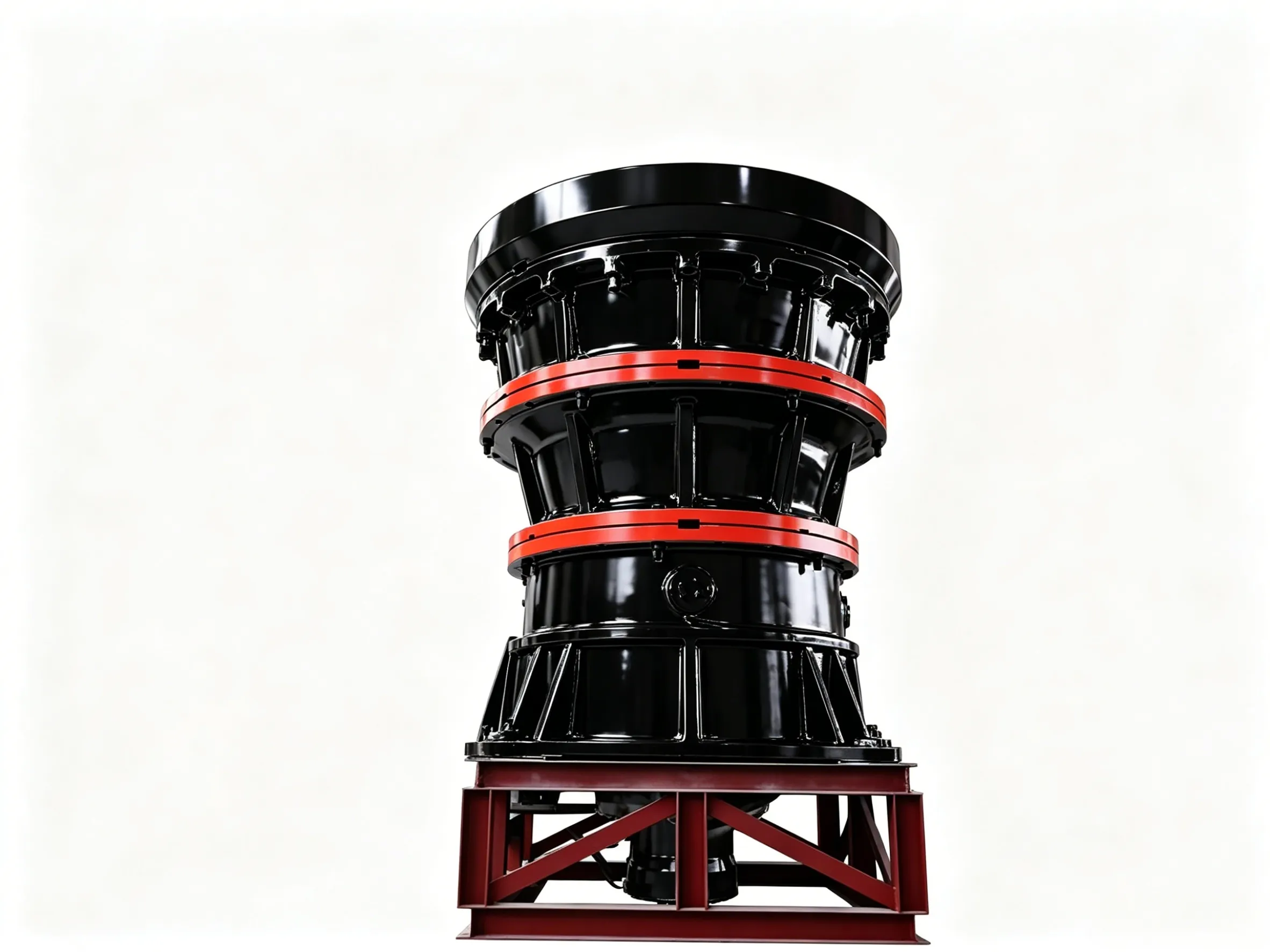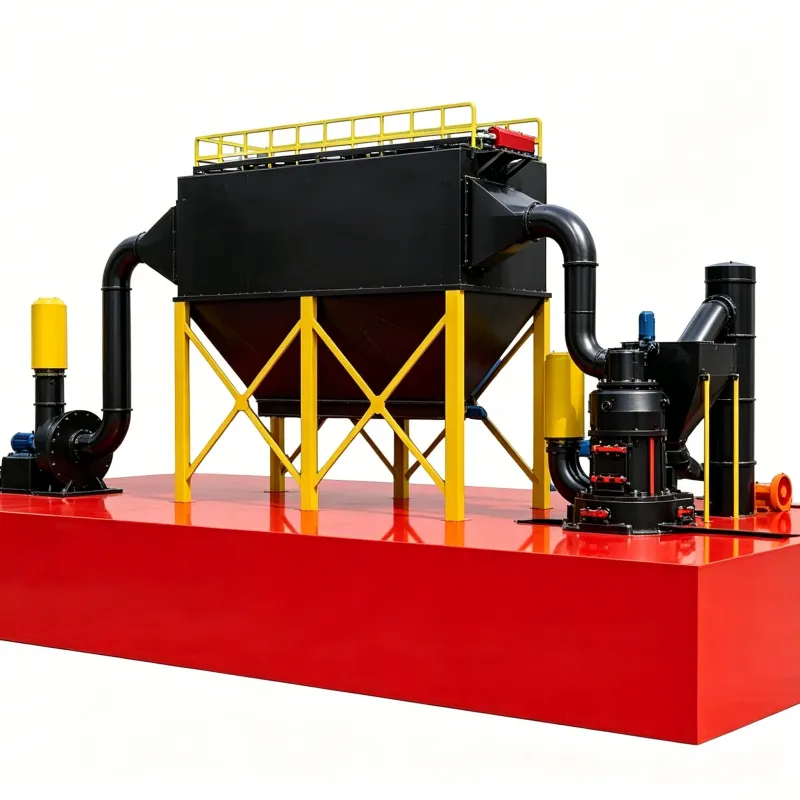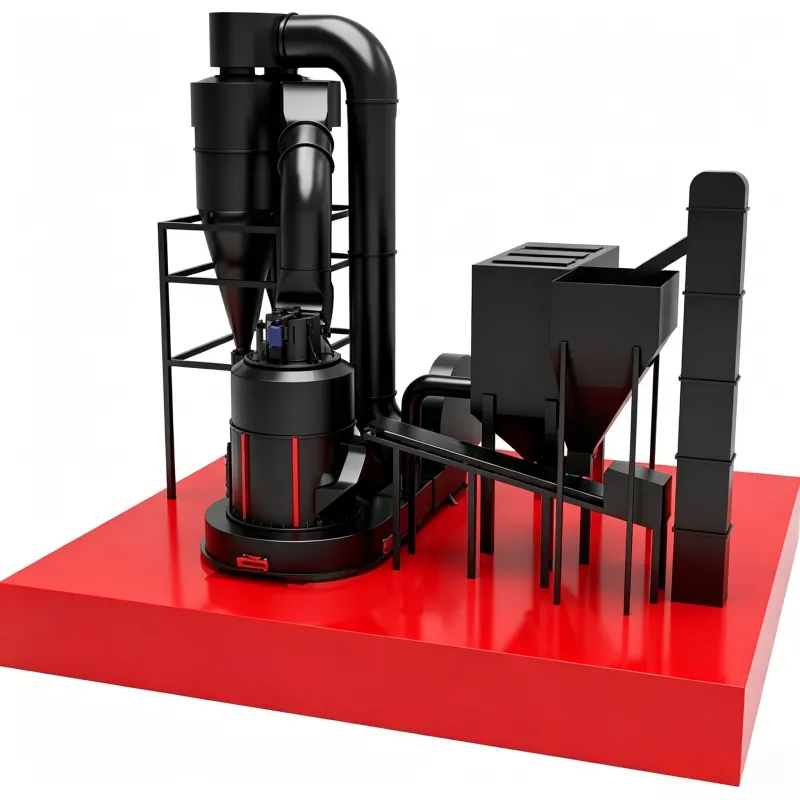
Небольшая мельница Raymond
Введение в малую мельницу Раймонда Малая мельница Раймонда KX является...

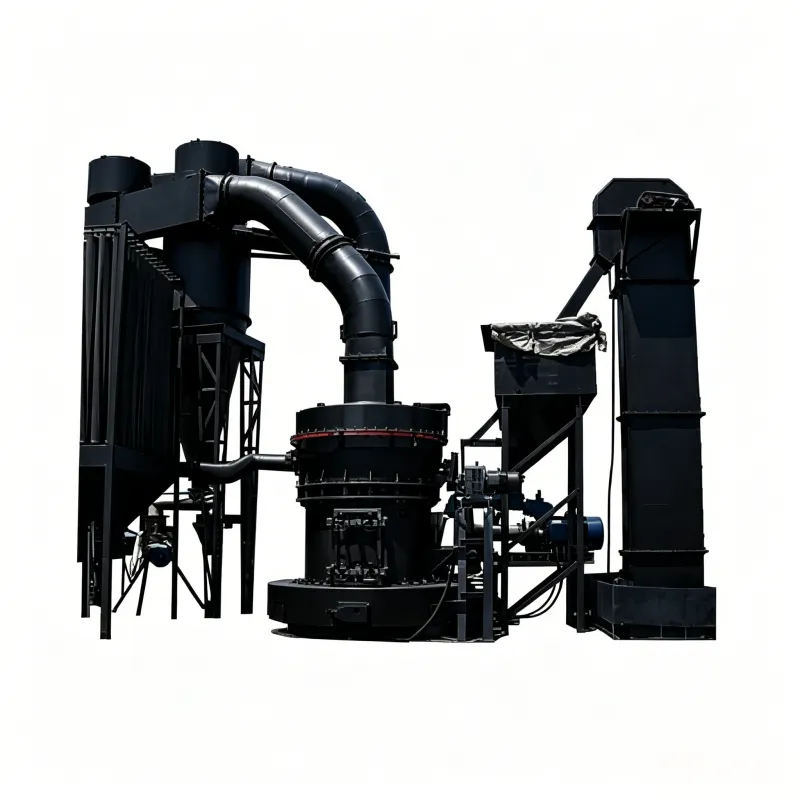
Selecting the appropriate stone mill grinder model and size is one of the most critical decisions you will make for your powder processing operation. With numerous models available—from small 3R units to industrial‑scale 6R systems—each designed for specific capacity ranges and material characteristics, an informed choice directly impacts production efficiency, product quality, and long‑term profitability.
This comprehensive guide walks you through every aspect of Raymond mill selection, from understanding model designations to matching specifications with your unique operational requirements.
Before diving into selection criteria, it is essential to understand how Raymond mill models are named and what the numbers truly mean.
Raymond mills are typically designated by a number followed by the letter “R” (e.g., 3R, 4R, 5R, 6R). The number before the “R” indicates the quantity of grinding rollers inside the mill.
Within each series, additional numbers indicate specific dimensions and configurations. For example:
Raymond roller mills are also categorized by their grinding ring diameter, which directly correlates with overall capacity. Standard sizes range from 30 inches (760 mm) up to 120 inches (3050 mm).
| Size Category | Ring Diameter | Typical Application |
|---|---|---|
| Small | 30–50 inches (760–1270 mm) | Precision grinding, pigments, food additives |
| Средний | 51–80 inches (1295–2032 mm) | Agriculture, chemical processing, grain milling |
| Large | 81–120 inches (2057–3048 mm) | Mining, cement production, heavy‑duty grinding |
Choosing the right Raymond mill requires careful evaluation of four core factors: material characteristics, production capacity, output fineness, and operational environment.
Understanding your raw material is the foundation of proper mill selection. The following characteristics must be analyzed:
Hardness (Mohs Scale)
Raymond mills are designed for materials with a Mohs hardness of 7 or below.
| Material Hardness | Mohs Value | Example Materials | Selection Consideration |
|---|---|---|---|
| Soft | 1–3 | Talc, gypsum, limestone | Standard mill acceptable |
| Средний | 4–6 | Calcite, barite, dolomite | May require wear‑resistant components |
| Hard | 7 | Quartz, feldspar | High‑wear components essential; consider alternatives for high volumes |
Moisture Content
Raymond mills perform optimally when feed moisture is below 6%. Higher moisture can cause material adhesion to the grinding ring and classifier, leading to clogging and reduced throughput. If your material contains more than 6% moisture, pre‑drying treatment is necessary.
Feed Size
The maximum feed size varies by model, typically ranging from 15–35 mm. For harder materials, a smaller feed size (10–15 mm) is recommended to reduce wear. Smaller‑capacity mills generally have a smaller optimal feed size (around 10–20 mm), while larger mills can handle up to 30–35 mm.
Accurately determining your capacity needs involves both current production and future growth considerations.
Capacity Ranges by Model Size
| Model Series | Typical Capacity (t/h) | Power Range (kW) | Application Scale |
|---|---|---|---|
| 3R Series | 1–3 | 45–75 | Laboratory / small workshop |
| 4R Series | 2–6 | 75–132 | Medium‑scale production |
| 5R Series | 5–12 | 132–200 | Large‑scale industrial |
| 6R Series | 8–25+ | 200–315+ | Heavy‑duty industrial |
For example, the 4R3216 model has a processing capacity of 1–6 tons per hour, suitable for materials with hardness below grade 6 and moisture below 6%-. The MTW138Z series can achieve 3–9 tons per hour, while the MRN218 handles 15–45 tons per hour-.
Capacity Sizing Rules:
Best Practice: Reserve 20% capacity redundancy to accommodate operational fluctuations and future expansion. Selecting a mill with capacity slightly above current requirements prevents production bottlenecks and equipment strain.
Different applications require specific particle sizes. Raymond mills typically produce powder in the range of 80–600 mesh (0.18–0.023 mm), with some advanced models reaching 2500 mesh.
| Fineness Range | Mesh Equivalent | Typical Applications |
|---|---|---|
| 30–100 mesh | 600–150 μm | Coarse grinding, animal feed, some building materials |
| 100–325 mesh | 150–45 μm | Building materials, filler production, drywall manufacturing |
| 325–800 mesh | 45–18 μm | High‑quality coatings, plastics, rubber fillers |
| 800–2500 mesh | 18–5 μm | Ultra‑fine chemicals, high‑end paints, specialized industries |
Important Note: The higher the fineness requirement, the higher the energy consumption and cost. Basic models typically achieve 80–325 mesh, suitable for building materials and filler production. High‑fineness models reaching 400–600 mesh require secondary classification systems and are best suited for fine chemical applications.
Power Availability and Consumption
Energy costs represent a significant portion of operating expenses. Modern mills with variable frequency drives and efficient classifiers can reduce power consumption by 15–30% compared to conventional designs. Consider:
Space and Installation
Raymond mills have a vertical, compact structure that minimizes footprint. However, model selection affects space requirements:
Environmental Compliance
Modern Raymond mills incorporate pulse dust collectors that achieve 99.9% collection efficiency. Ensure your selected model meets local dust emission regulations (typically <20 mg/m³) and noise level requirements (≤75 dB for sensitive areas).
Follow this systematic approach to identify the optimal Stone Mill Grinder model for your operation.
Document the following for your raw material:
Establish clear targets for:
Evaluate:
Cross‑reference your requirements with model specifications:
| Your Requirement | Recommended Model Series |
|---|---|
| <3 t/h, 80–200 mesh, low budget | 3R series (e.g., 3R90, 3R85) |
| 3–8 t/h, 200–325 mesh, medium hardness | 4R series (e.g., 4R3216, 4R3220) |
| 8–15 t/h, 325–400 mesh, continuous operation | 5R series (e.g., 5R4119, MTW138Z) |
| >15 t/h, 400–600 mesh, industrial scale | 6R series (e.g., 6R4525, MRN218) |
Consult with equipment manufacturers using your specific material properties. Most reputable manufacturers offer material testing services to verify performance before purchase.
Even experienced buyers fall into these common traps when selecting Raymond mills.
Mistake 1: Buying Undersized Capacity
A customer may need 10 tons per hour but is sold a mill that can theoretically achieve this under perfect lab conditions (softest material, perfectly dry). In reality, with typical materials and operating conditions, throughput falls short-. Always select a model with 15–20% capacity margin.
Mistake 2: Ignoring Material Hardness and Abrasiveness
Hard, highly abrasive materials like quartz and alumina accelerate wear on grinding rollers and rings-. Using a standard model for such materials results in frequent replacement and high downtime. For hard materials, opt for upgraded models with advanced wear‑resistant components or consider alternative grinding technologies like high‑pressure suspension roller mills.
Mistake 3: Overlooking Moisture Content
Materials exceeding 6% moisture cause adhesion to the grinding ring and classifier blockage-. Without pre‑drying, even a correctly sized mill will underperform.
Mistake 4: Focusing Only on Initial Price
Lower initial purchase prices often indicate inferior steel quality, refurbished motors, or limited scope of supply (main unit only). Compare complete bills of materials, including motor, blower, pipes, cyclone collector, crusher, elevator, and electrical panel. High‑quality mills use high‑grade carbon steel structures and specialized high‑manganese steel (Mn13) or high‑chrome alloys for wear parts.
Mistake 5: Neglecting Future Expansion
Selecting a mill that exactly meets current demand leaves no room for growth. Equipment modifications or replacement are costly and time‑consuming. Always build in capacity margin.
Below is a consolidated guide for matching model series to specific applications.
| Application Scenario | Recommended Model | Производительность (т/ч) | Key Features |
|---|---|---|---|
| Laboratory / R&D | 3R2115, 3R90 | 1–3 | Compact, low power, basic controls |
| Small workshop (limestone, gypsum) | 4R3216 | 2–6 | Reliable, cost‑effective for 200 mesh |
| Medium filler production (325 mesh) | 4R3220, 5R4119 | 5–10 | Good balance of capacity and fineness |
| Large‑scale mineral processing | 5R4121, MTW138 | 8–15 | High efficiency, advanced classifier |
| Cement / mining industrial | 6R4525, MRN218 | 15–30 | Heavy‑duty construction, high throughput |
| Ultra‑fine chemicals (800+ mesh) | XZM Ultrafine | 3–12 | Secondary classifier, precision control |
While Stone Mill Grinder excel at grinding soft to medium‑hard materials (Mohs hardness ≤7) with moisture below 6%, certain applications may be better served by alternative technologies.
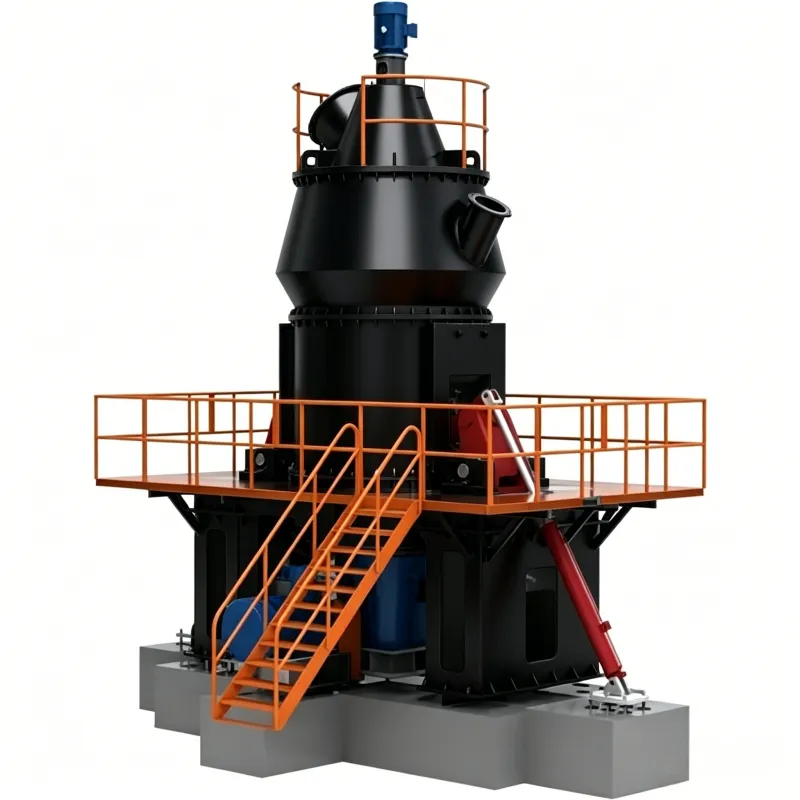
Consider a Vertical Roller Mill (VRM) when:
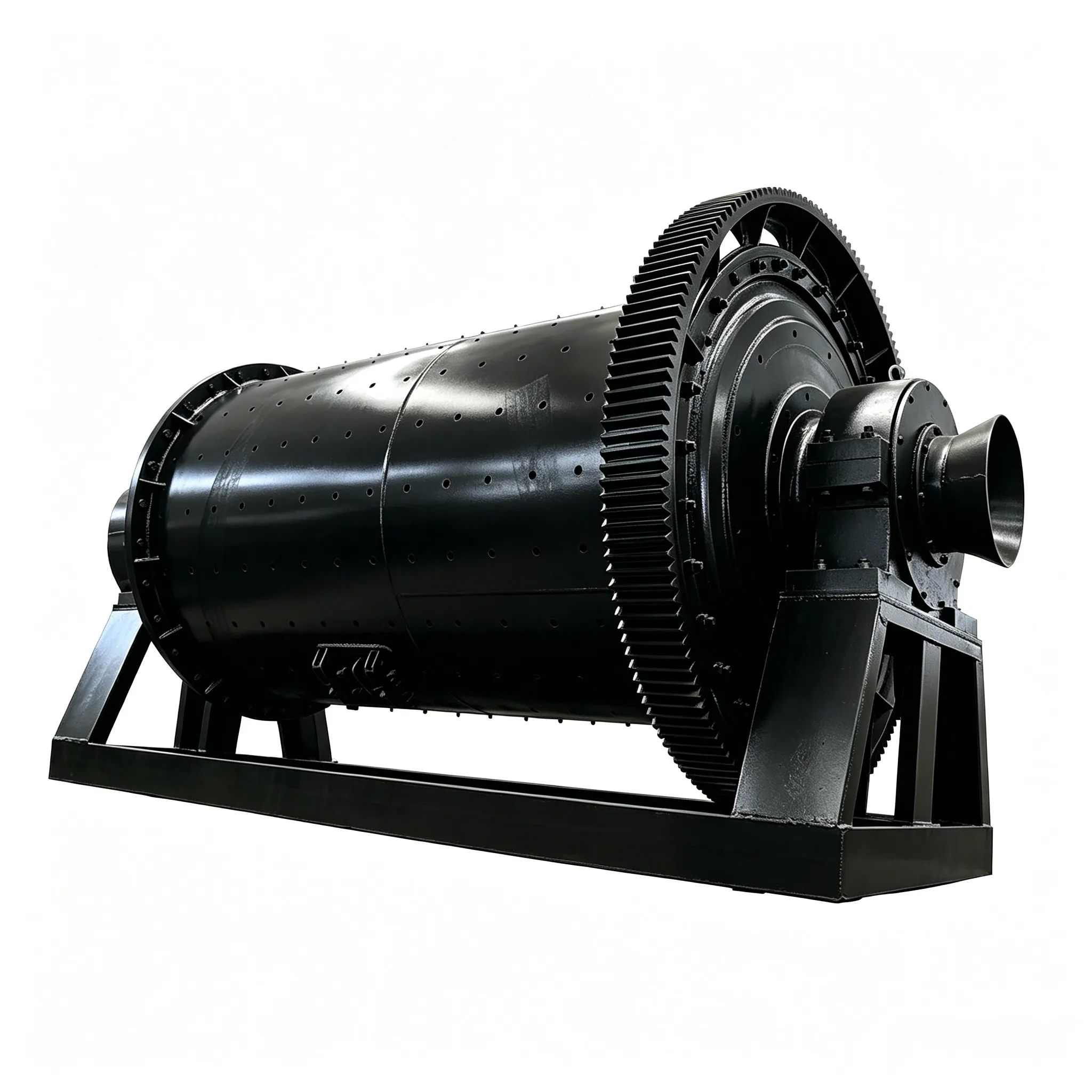
Consider a Ball Mill when:
Consider a Jet Mill when:
Before making your final decision, verify the following:
Selecting the right Raymond mill model and size is not merely about comparing price quotes—it is about matching equipment capabilities to your specific material properties, production requirements, and operational constraints.
The number of grinding rollers (3R through 6R) serves as the primary indicator of capacity and power. For small‑scale operations processing soft materials like limestone or gypsum at modest capacities (1–5 t/h), 3R or 4R models offer the most economical solution. For medium‑scale filler production requiring 200–400 mesh fineness at 5–15 t/h, 5R models such as the 5R4119 or MTW series strike the optimal balance of performance and investment. Large‑scale industrial applications handling higher volumes and harder materials are best served by 6R series mills that deliver 15–30 t/h with robust construction.
By thoroughly evaluating material hardness, moisture content, feed size, required fineness, and capacity targets—then cross‑referencing these against model specifications—you can confidently select a Raymond mill that will deliver consistent product quality, energy‑efficient operation, and a strong return on investment for years to come.