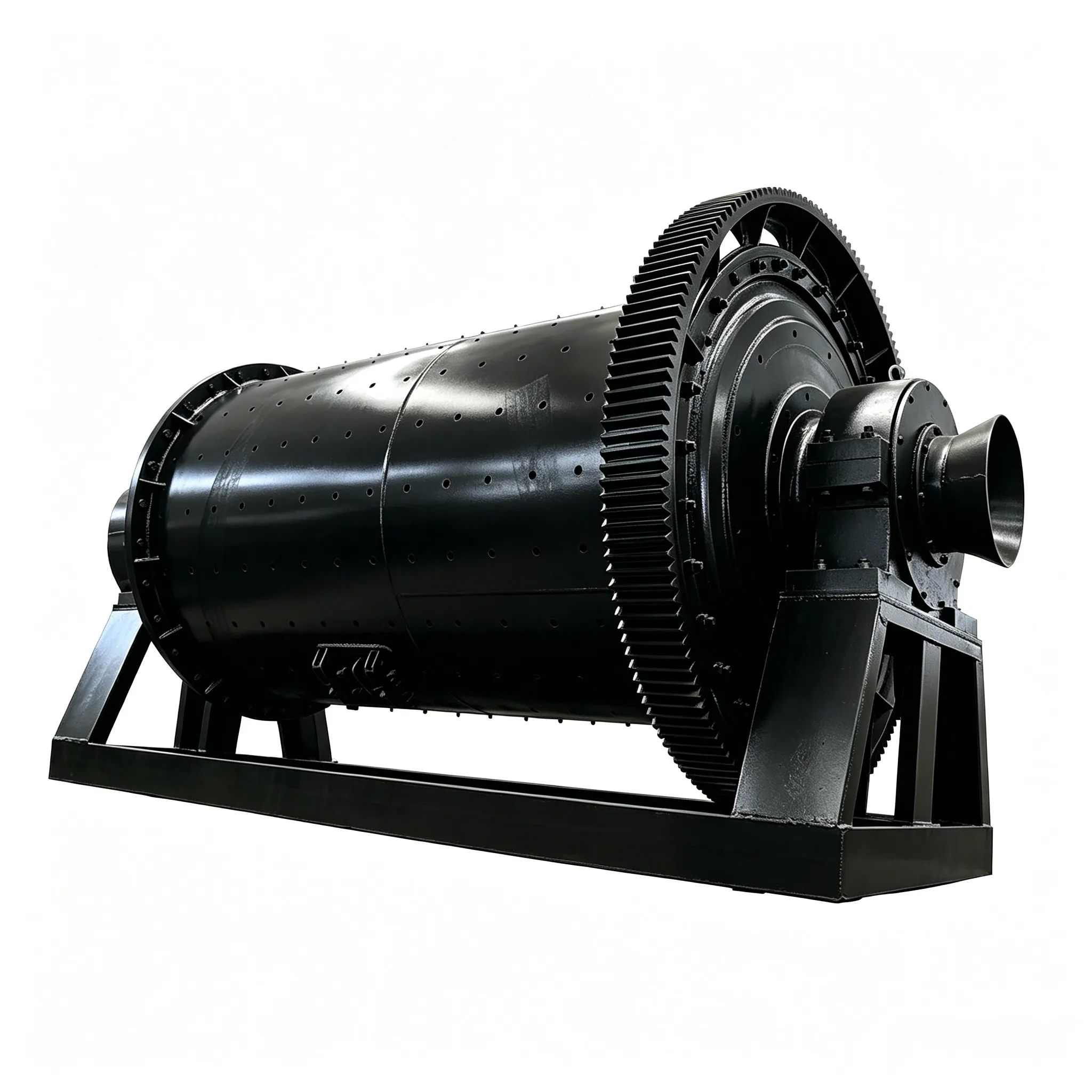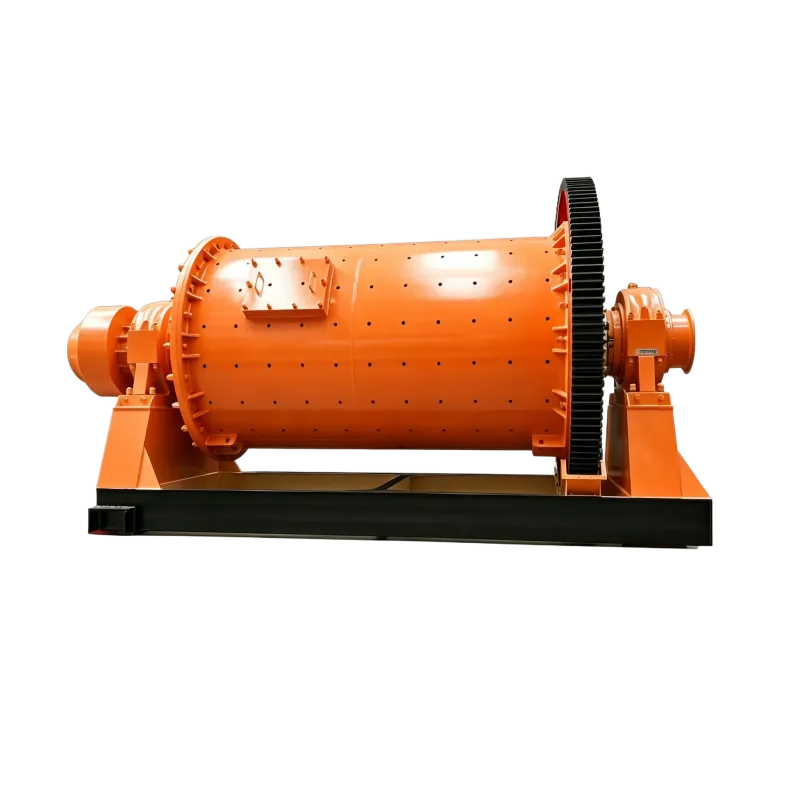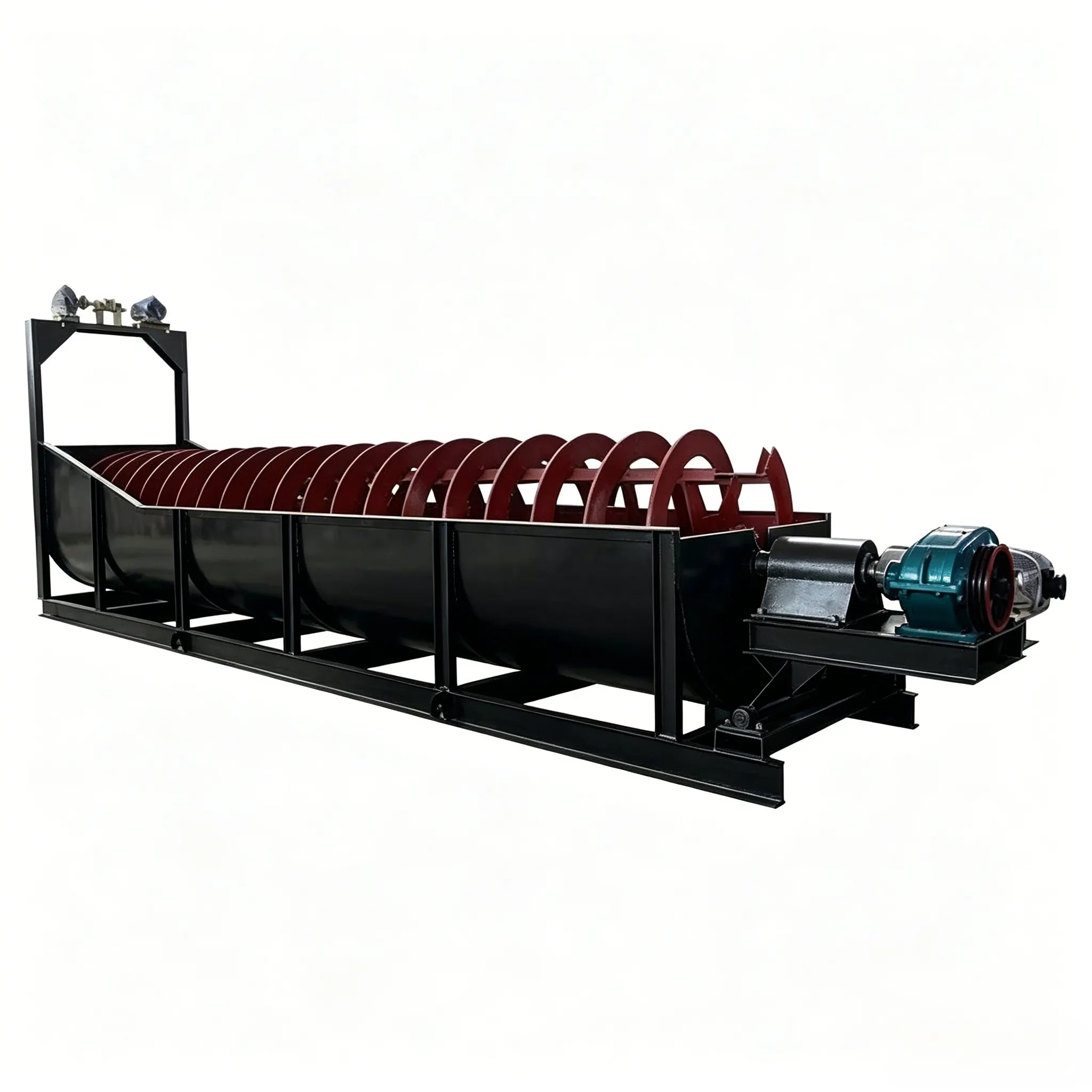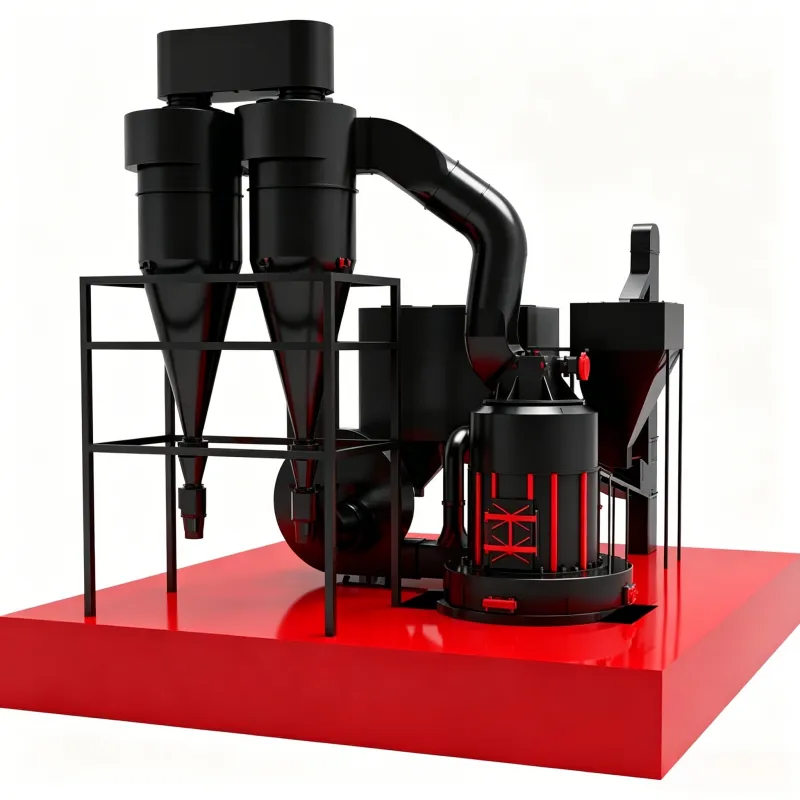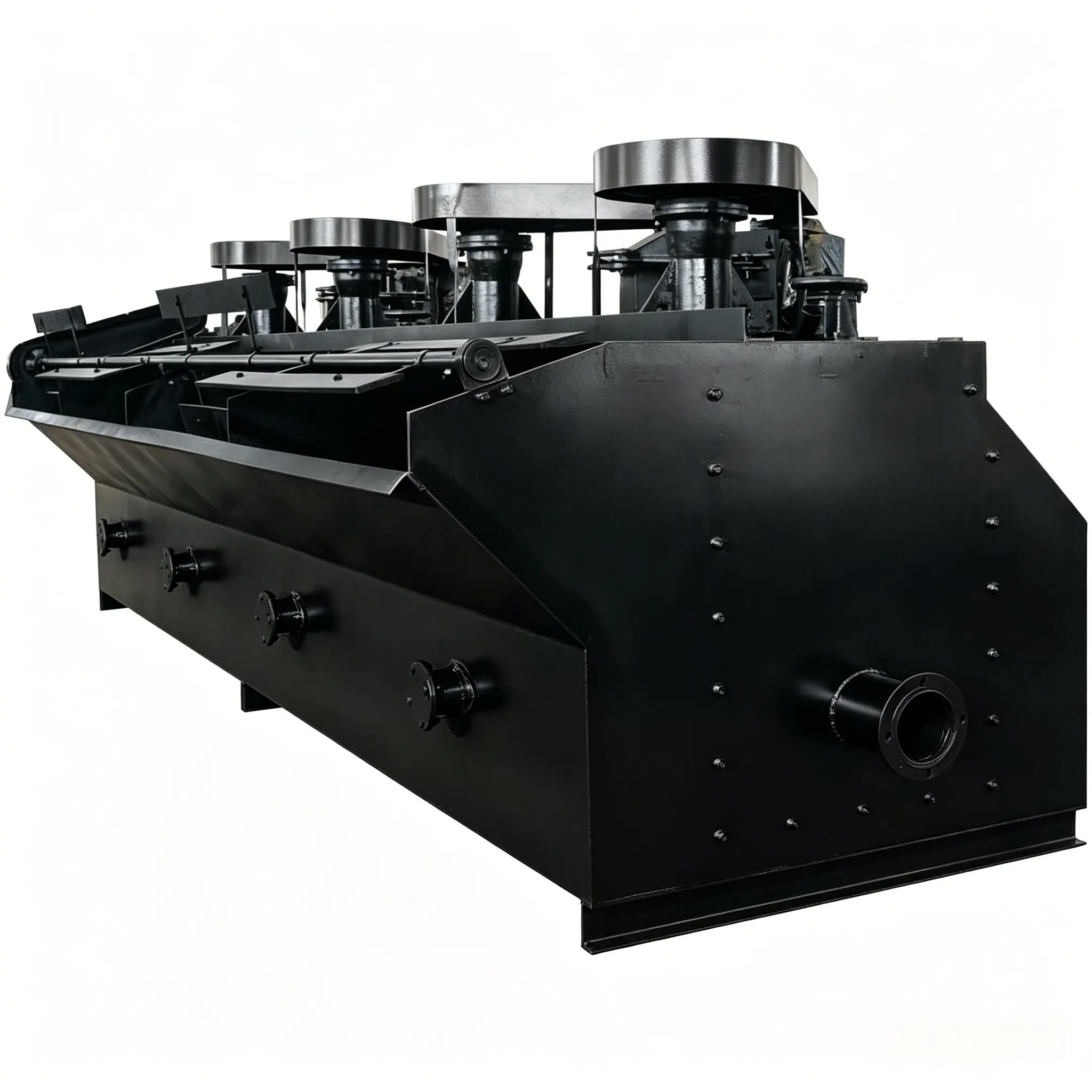
флотационная машина SF
Флотационные машины SF и BF, а также комбинированная установка SF + JJF. Изначально…

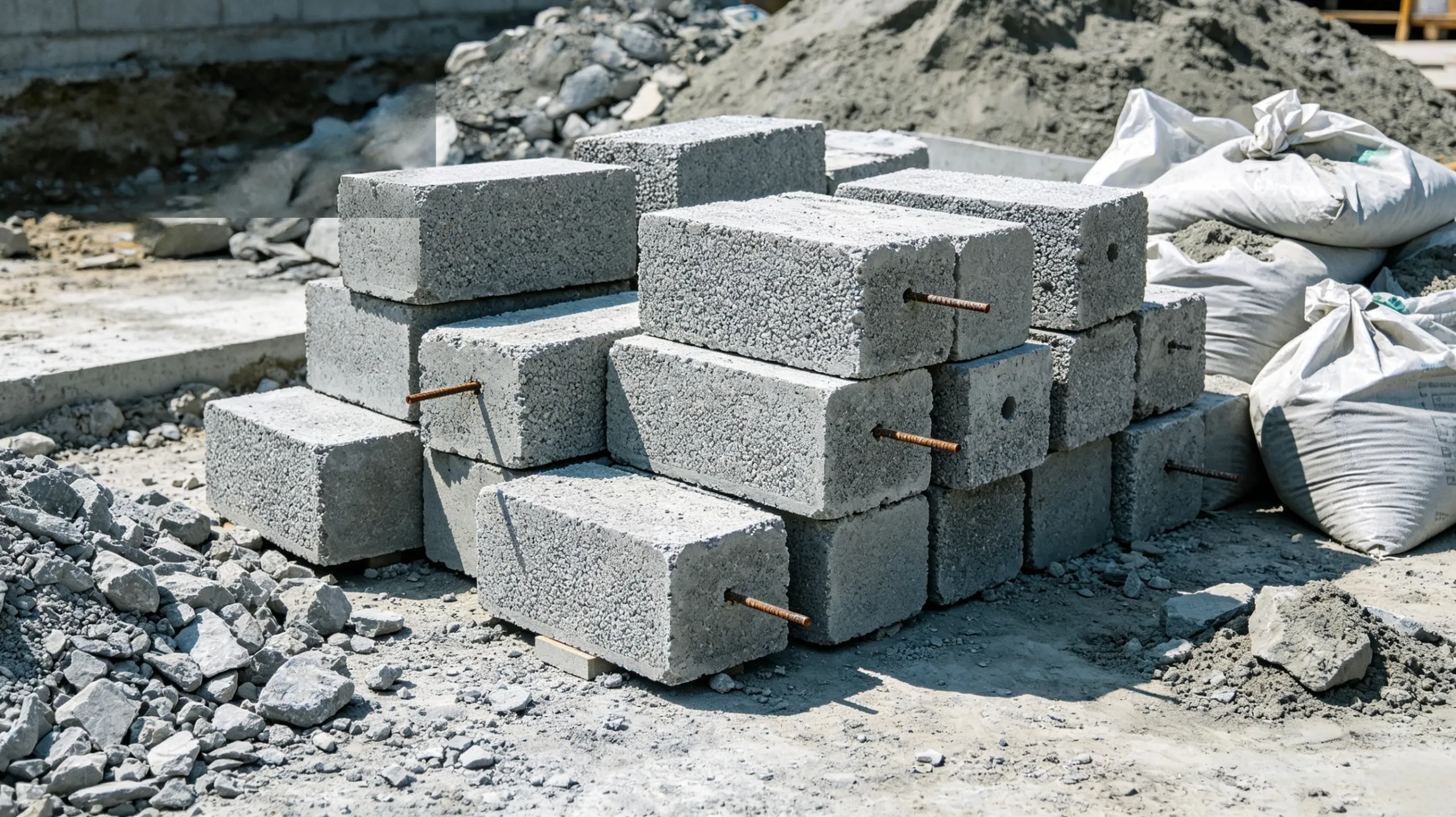
Cement-stabilized soil base courses are widely used in highway base construction. In particular, cement-stabilized crushed stone base requires a large amount of crushed stone filler. Meanwhile, tailings materials are similar to mechanically crushed stone aggregates; therefore, magnetically separated tailings crushed stone and tailings sand can be used to replace crushed stone in preparing cement-stabilized tailings mixture. Using tailings sand for pavement base can, to a certain extent, reduce environmental pollution, utilize mine resources, save land resources, and lower construction costs.
6.1.1 Material Requirements
When using lime, fly ash, or cement to stabilize tailings sand for base construction, the quality of all materials shall meet the requirements of the Technical Specifications for Construction of Highway Pavement Base Courses. Quicklime shall meet the technical requirements for Class III or higher hydrated lime, and its storage time should be minimized. If storage is prolonged, it shall be covered and sealed; it is advisable to purchase and use it as needed.
(1) Fly ash: The total content of SiO₂, Al₂O₃, and Fe₂O₃ in fly ash shall be greater than 70%; the loss on ignition shall not exceed 20%; the specific surface area of fly ash should preferably be greater than 2,500 m²/kg (or 90% passing through 0.3 mm sieve and 70% passing through 0.075 mm sieve).
(2) Цемент: Cement shall be ordinary Portland cement, Portland blast-furnace slag cement, or Portland pozzolana cement of strength grade 32.5 with an initial setting time of more than 3 hours. Rapid-hardening cement, early-strength cement, and deteriorated or damp cement shall not be used.
(3) Tailings sand: Tailings sand used in highway applications shall generally be waste materials from hard rock beneficiation, and shall be clean and free of impurities. When used in lime-fly ash or cement + fly ash or lime + fly ash stabilization, the content of particles smaller than 0.075 mm shall not exceed 7%; when used in cement stabilization, the content of particles smaller than 0.075 mm shall not exceed 5%.
(4) Water: Potable water shall be used.
(5) Material composition proportion: In addition to meeting the gradation requirements specified in the Technical Specifications for Construction of Highway Pavement Base Courses, the proportion design for cement-stabilized crushed stone and tailings sand may also refer to the design method for cement concrete material composition—i.e., the tailings sand proportion is determined by the sand ratio method (or by referring to the design method for lean cement concrete). For lime-fly ash stabilized crushed stone and tailings sand, the 7-day unconfined compressive strength for subbase and base courses shall be controlled at above 0.6 MPa according to secondary highway standards. For cement-stabilized crushed stone and tailings sand used as pavement base, the 7-day unconfined compressive strength shall be controlled at above 3.0 MPa.
6.1.2 Construction Process and Control
6.1.2.1 Mixing
Central plant mixing shall be used with dedicated stabilized soil mixing equipment equipped with electronic metering devices. The following requirements shall be observed during mixing:
(1) All incoming materials shall be consistent with the materials provided in the mix proportion design.
(2) All metering devices in the plant-mixing equipment shall be calibrated and certified by metrological verification before use.
(3) Trial mixing and calibration shall be conducted according to the construction mix proportion, and the discharge ratio of each aggregate bin shall be determined by separate metering.
(4) Water content shall be strictly controlled so that the water content of the mixture when transported to the site and rolled is close to the optimum moisture content.
(5) The mixture shall be uniform; the first batch of mixture shall be discarded.
(6) During rainy season construction, measures shall be taken to protect aggregates from rain, and transport trucks for the mixture shall be properly covered.
(7) In windy, dry, and hot weather, the moisture content shall be adjusted promptly.
(8) The number of transport vehicles for the mixture shall match the production capacity of the mixing equipment.
6.1.2.2 Spreading and Rolling
A stabilized soil paver shall be used to spread the mixture. Before spreading, the underlying layer shall be cleaned and alignment lines set. To effectively control the width, side berms may first be built on both sides of the base course according to the loose thickness, with a width of 30–50 cm; elevations shall be measured at 5 m intervals, and steel wire lines shall be set by stakes according to the loose thickness. The spreading width per paver shall not exceed 7 m; it is preferable to spread the full width in one pass using two pavers in a stepped echelon. The spreading speed shall generally be controlled at 2–4 m/min, and sufficient transport vehicles shall be available in front of the paver to ensure uniform and uninterrupted spreading. Rolling shall preferably be carried out using vibratory rollers of 18 t or more and rubber-tired rollers; the number of rollers and rolling passes shall be determined through trial sections, generally no fewer than three rollers. Rolling shall be carried out in three stages: initial rolling, intermediate rolling, and final rolling. During initial rolling, static rolling shall be used, with the roller following the paver in an S-shaped path for stopping and reversing, overlapping by 1/2 of the roller width; one pass is completed when the full width of the pavement is rolled. Generally, 6–8 rolling passes are required; the shoulders and the base course shall be rolled simultaneously. The rolling speed shall generally be controlled at 1.5–2.5 km/h. For intermediate rolling, rubber-tired rollers should be used. It is strictly forbidden for rollers to make U-turns or brake sharply on completed or under-rolling sections, and the zones for initial, intermediate, and final rolling shall be strictly controlled. Overlapping vibratory rolling on sections that have already taken shape and exceeded the final setting time is strictly prohibited.
6.1.2.3 Curing and Traffic Control
After rolling of each compaction zone is completed and the compaction degree passes inspection, moisture curing shall begin immediately. After the lime, fly ash, or cement-stabilized tailings sand base course has been rolled and inspected, the surface shall be roughened using a wire brush or other tools, and then curing shall begin. Wet sand curing is recommended; during the curing period, the sand cover shall be kept moist. After 7 days of curing, all covering materials shall be completely removed. For lime, fly ash, or cement-stabilized crushed stone and tailings sand, sprinkler trucks may be used for water curing; during the curing period, the base surface shall be kept moist, and moisture curing shall last for 7 days. If the surface course is asphalt concrete, before water curing, the smooth surface of the base course shall be roughened by brushing to provide a certain roughness, which facilitates penetration of the prime coat oil and bonding between the base and surface courses, and prevents pavement rutting. To ensure the penetration effect of the prime coat oil, it is advisable to apply the prime coat oil after 3–4 days of curing, and then construct the surface course after the curing period ends, to reduce drying shrinkage cracks in the base course caused by prolonged exposure to sunlight. During the curing period, except for water trucks, heavy vehicles are strictly prohibited from traveling on the base.
6.1.3 Application Effects
In 2009, the Transportation Bureau of Longhua County, Chengde City, Hebei Province, used iron ore tailings from the Jingu Mining Company in Longhua County as the main raw material for crushed stone in the cement-stabilized base course during the reconstruction of the Han‑Guo Line highway. This successfully utilized tailings in highway base construction, not only saving cement consumption but also ensuring construction quality.
The construction unit first conducted sieve analysis tests and unconfined compressive strength tests on the tailings. The test results showed that the tailings particle size and the unconfined compressive strength of the cement-stabilized crushed stone met the requirements of current highway engineering standards, and the tailings material could satisfy the requirements for base stabilization materials. Through further testing, the optimum moisture content of the cement-stabilized crushed stone was determined as 5.0%, and the maximum dry density as 2.53 g/cm³. In the Han‑Guo Line reconstruction project, the mix proportion per ton of cement-stabilized crushed stone base was cement : tailings material : water = 45 : 905 : 50. After the curing period of the mixture base, field testing and core sampling tests were carried out, and all test results met the specifications for base construction. Among them, the average 7-day strength was 3152 MPa, the maximum was 5120 MPa, and the minimum was 3143 MPa. After the highway was opened to traffic, no pavement distress occurred, and its performance was good; it also passed random inspections by provincial and municipal quality supervision departments and met specification requirements.
This project used more than 32,000 tons of tailings material, saving over 400,000 yuan in material costs through the use of tailings, creating considerable economic value.
From 2004 to 2009, the Transportation Bureau of Qian’an City, Hebei Province, conducted research on the application of tailings sand in five rural highway projects in Qian’an, using tailings sand to replace stone chips in lime-fly ash stabilized crushed stone base courses, totaling 23,420 m / 268,364 m². The base course test results showed that the strength met the design requirements.
Xu Shuai, from Liaoning Vocational College of Architecture, studied the feasibility of using iron tailings to replace part of the sand and gravel in road construction materials through experimental data analysis. The raw materials selected for the test were iron tailings and lime sand. The iron tailings sand came from Qidashan iron tailings of Anshan Ansteel; the hydrated lime came from Rongfa Lime Plant in Anshan, Liaoning, with a grade of tertiary calcareous lime. Based on the material characteristics, the mix proportion of lime-stabilized iron tailings was designed. Through reasonable mix proportions, compaction tests, unconfined compressive strength tests, resilient modulus tests, and splitting tensile strength tests were conducted on the mixture. The test results showed that the suitable raw material proportion for lime-stabilized iron tailings was lime : iron tailings = 30 : 100, with an optimum moisture content of 14.89% and a compacted density of 1.928 t/m³. All test indices met the requirements of the Technical Specifications for Construction of Highway Pavement Base Courses (JTJ 034—2000), met the design requirements for pavement base courses, and could be applied to secondary or lower-grade road base courses.
6.2 Tailings Sand for Embankment Filling
Tailings sand can be used as embankment fill material. The construction adopts the side-berm and trench method, i.e., earth embankments with a width of 1.5–2.0 m are built on both sides of the subgrade, with a height not exceeding 30 cm and equal to the height of each tailings sand fill layer; along the longitudinal direction of the subgrade, a 30 cm wide drainage hole is预留 at every 20 m interval, filled with permeable material, and rolling is carried out simultaneously with the tailings sand subgrade. Tailings sand is filled into the subgrade trench; the surface layer of the tailings sand fill is slightly disturbed and may become loose. Before each layer is filled, water shall be sprinkled to moisten it, and the filling shall be carried out using the reverse construction method. The tailings sand shall be leveled and statically compacted by bulldozers, motor graders, or loaders, and then compacted by vibratory rollers. During rolling, the moisture content shall be strictly controlled, generally maintained at 1–2 percentage points above the optimum moisture content; if the moisture content is too low, the roller cannot travel and compact effectively. Because tailings sand varies in ore content and hardness, compaction methods also differ. For tailings sand with high dust content and high silt content, it can be compacted directly by rollers; for tailings sand with low dust content and low silt content, the water-settling method may be used, assisted by rollers to achieve the required compaction effect. When the tailings sand fill reaches 15–20 cm below the subgrade top surface, a cohesive soil with high clay content shall be used for capping layer compaction and shaping. Generally, the loose surface tailings sand shall be scraped off to expose a smooth and compact surface, and the degree of compaction shall be measured by the sand-cone method or water-bag method.
Iron Tailings Replacing River Sand for Cement Concrete Pavement
Cement and concrete are two of the main pavement materials widely used in China. They offer advantages such as high strength, good stability, durability, and favorable conditions for nighttime driving, and are extensively adopted in southern China. Cement concrete pavement consumes large quantities of river sand. If iron tailings could replace river sand in concrete, it would represent a major breakthrough in the utilization of industrial waste residues (waste materials) in China.
In 2006, the Mining Design Institute of Ansteel Group and the Precast Plant of Ansteel Construction Company jointly conducted tests on concrete test blocks using iron tailings to replace ordinary river sand. The iron tailings raw material was taken from the Fengshuigou tailings pond, the crushed stone was from the local quarry, and the cement was C32.5 ordinary Portland slag cement. The mass ratio of cement : crushed stone : iron tailings : water was 1 : 2.82 : 1.26 : 0.45. After mechanical mixing, two groups of C25 standard concrete test blocks (100 mm × 100 mm × 100 mm, 3 blocks per group) were made. After 28 days of standard laboratory curing, compressive strength tests were conducted, and the results are shown in Table 6‑1. As can be seen from the table, the concrete strength reached above C35.
Table 6‑1 Compressive strength test results of concrete test blocks using iron tailings to replace river sand
| Compressive area / mm² | Прочность на сжатие / МПа | Percentage of design strength / % | |||
|---|---|---|---|---|---|
| 10000 | 27.4 | 27.6 | 24.3 | 26.4 (average) | 106 |