Cement Ball Mill
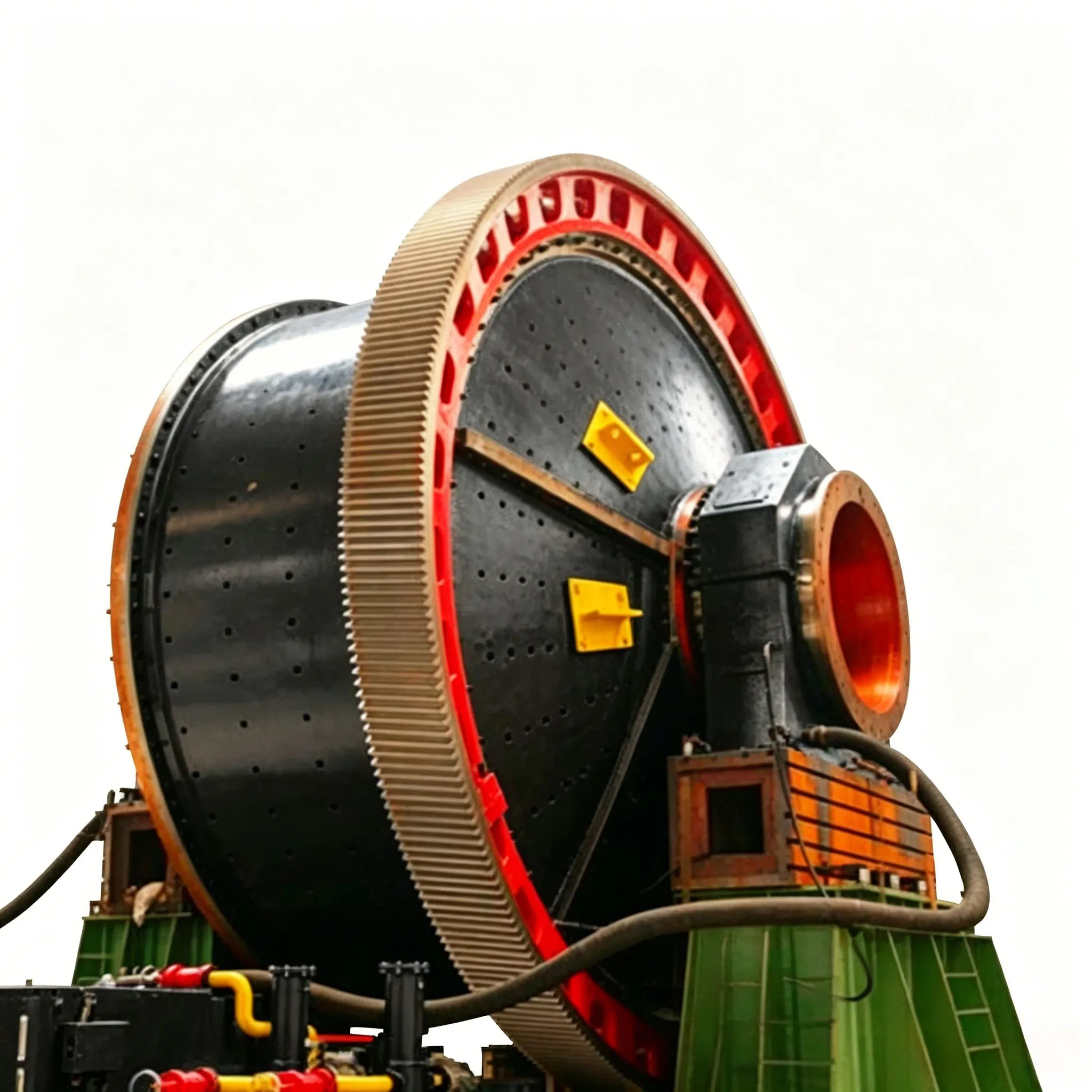
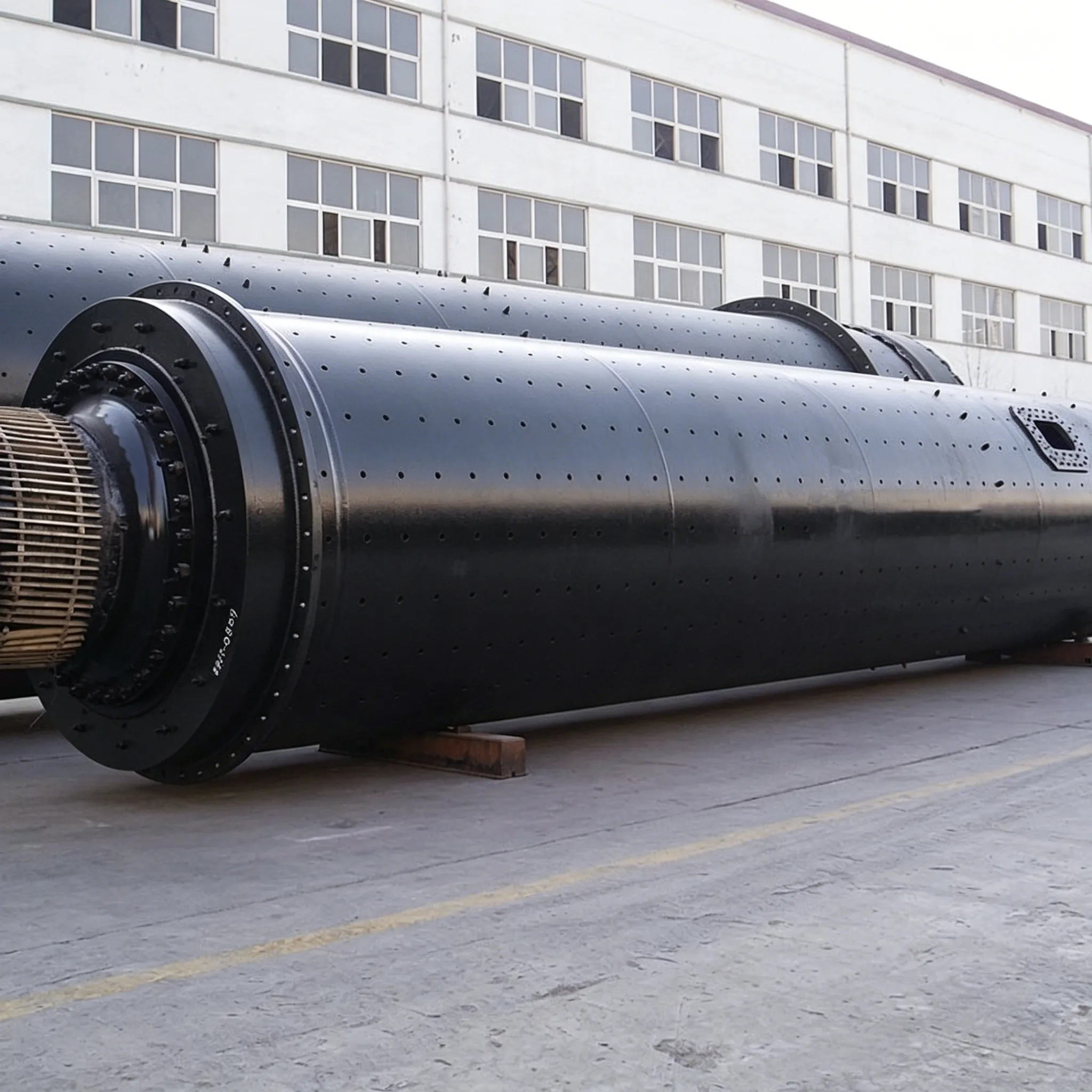
Cement Ball Mill Product Overview The cement ball mill is key equipment…

Molybdenum Tailings for Producing Multi‑Element Mineral Fertilizer
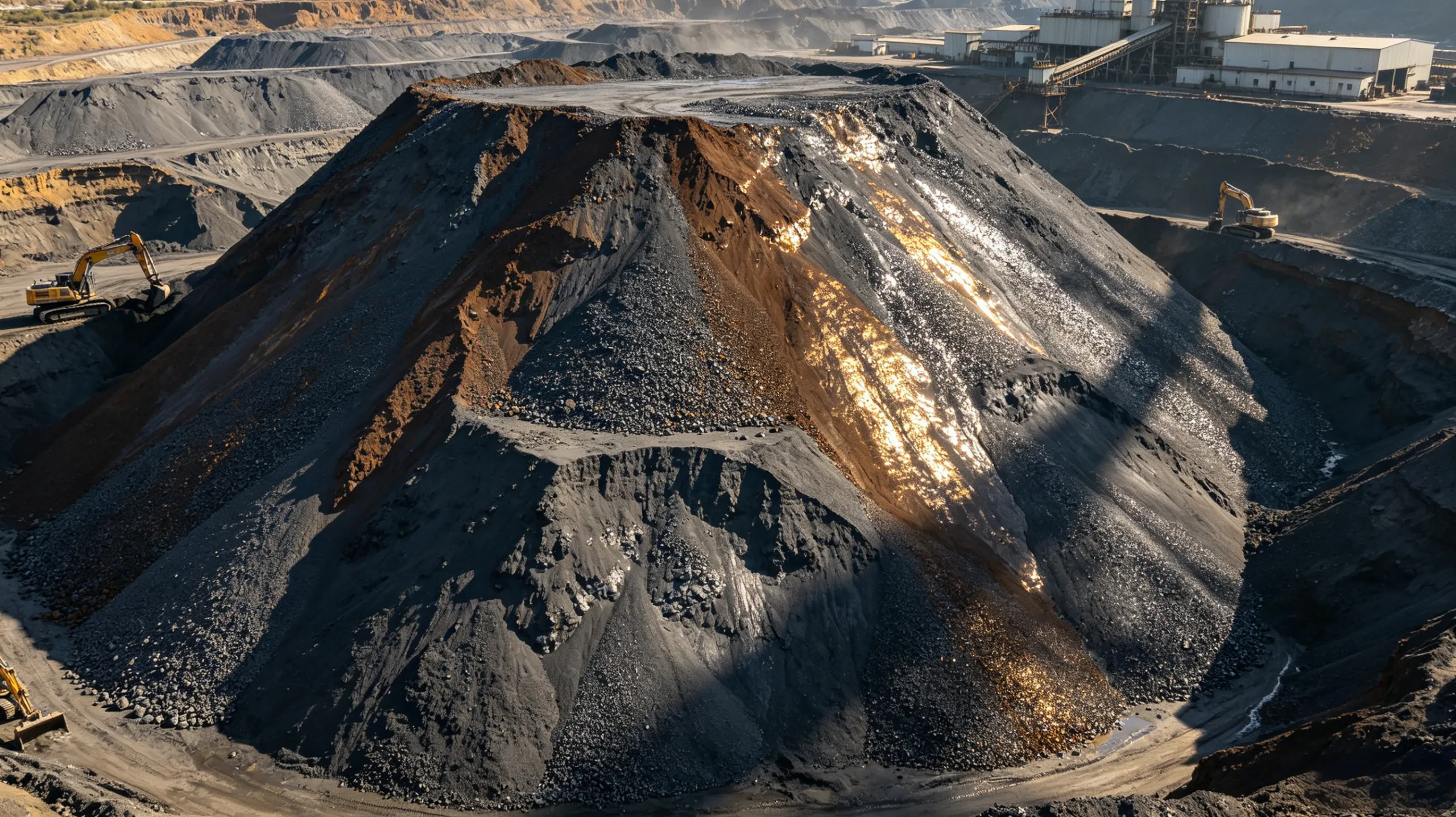
The technology for producing multi‑element mineral fertilizer from molybdenum beneficiation tailings is a new technology that integrates comprehensive treatment of mine tailings with cleaner production, representing a development direction in China’s environmental science. Through a simple process similar to cement production, molybdenum tailings are processed into a multi‑element mineral fertilizer containing potassium, silicon, and other elements essential for crop growth. This fertilizer not only supplies large amounts of potassium as well as secondary nutrients such as silicon, calcium, magnesium, and sulfur to the soil, but also effectively supplements micronutrients essential for crops, including copper, iron, zinc, manganese, and molybdenum. Moreover, this mineral fertilizer promotes the absorption of nitrogen, phosphorus, and potassium fertilizers, improves fertilizer use efficiency, enhances crop resistance to stresses, improves crop quality, restores soil fertility, and maintains and increases sustainable land productivity.
The production process for molybdenum‑tailings multi‑element mineral fertilizer is as follows: using molybdenum tailings and dolomite or high‑magnesium limestone as raw materials, calcination is carried out in a shaft kiln or rotary kiln. The specific production method is:
This technology is based on cleaner production principles, integrating the treatment of mining and metallurgical “three wastes” (waste gas, waste water, solid waste) with the restoration of agricultural soil fertility. It forms an innovative technology and process for producing mineral fertilizers rich in multiple medium‑ and micronutrients from molybdenum tailings. By using calcination, it avoids the high energy consumption, high cost, and high pollution associated with chemical extraction processes, thus achieving cleaner production without “three wastes.”
In 2007, Shenhong Group’s Laiyuan Mining Company completed a 1,000‑ton‑scale industrial trial of mineral fertilizer (multi‑element silicon fertilizer) using the Dawan molybdenum tailings as the main raw material. The product was mainly composed of calcium, magnesium, and silicon, while also containing potassium and trace elements such as iron, copper, zinc, and molybdenum. It obtained a fertilizer registration for “multi‑element silicon fertilizer” in Heilongjiang Province. Field trials on rice, corn, winter wheat, fruit trees, greenhouse vegetables, soybeans, and peanuts in Heilongjiang, Jilin, Liaoning, Hebei, and Henan showed effects of increased yield, stress resistance, pest and disease resistance, and improved quality. In 2008, the technology passed a technical appraisal by the Environmental Science Society of China, and was announced by the China Association for Science and Technology as a new technology for national promotion in 2009. After nearly three years of field trials on multiple crops at over 300 sites, the results confirmed that the fertilizer has good agronomic effects, including yield increase, quality improvement, and resistance to pests, diseases, drought, waterlogging, and low temperatures. At present, the fertilizer produced using this technology has also obtained permission for production, promotion, and sale in Heilongjiang Province. According to the developers, based on trial production cost accounting, for an enterprise that discharges 300,000 tons of molybdenum tailings annually, processing them into 500,000 tons of multi‑element mineral fertilizer could generate an annual profit of 50 million yuan, while also saving 5 million yuan per year in costs for tailings pond construction, maintenance, and vegetation restoration. This profit is comparable to the mining and beneficiation profit of a molybdenum mine when molybdenum prices are at a medium level; thus, converting molybdenum tailings into fertilizer is equivalent to creating another molybdenum mine.
On March 26–27, 2012, the Ministry of Industry and Information Technology and the Chinese Academy of Engineering jointly held the “Seminar on Harmless Agricultural Utilization of Metal Tailings” in Kaifeng, Henan. The “Process Technology Report on the Harmless Agricultural Utilization Industrial Project of Nan‑ni‑hu Molybdenum Tailings,” jointly completed by Henan Coal Chemical Industry Group Co., Ltd. and Beijing Haidahua Tailings Resource Utilization Technology Co., Ltd., passed expert review. Experts explained that harmless agricultural utilization of metal tailings refers to the application of relevant key technologies and equipment to treat metal tailings harmlessly (by recovering valuable elements or components through re‑concentration; removing toxic and harmful heavy metals and beneficiation additives; and removing water‑soluble sodium salts), while activating medium‑ and micronutrients, so that the tailings become high‑quality raw materials for bulk agricultural products. These can be used to produce controlled‑release fertilizers, soil conditioners, cultivation substrates, and other new agricultural products, which improve soil physical and chemical properties, enhance soil quality and farmland grade, meet crop nutritional needs, and ensure food security. The “Harmless Agricultural Utilization of Molybdenum Tailings” project is a key component of Henan Coal Chemical Industry Group’s construction of China’s first large‑scale “non‑ferrous (molybdenum) circular economy new industrial base.” The investment for the molybdenum‑tailings harmless agricultural utilization project and its supporting facilities reaches 9.15 billion yuan. After full completion, the project is expected to consume and comprehensively utilize 20 million tons of molybdenum tailings per year, generate annual sales revenue of over 25 billion yuan, achieve annual profits and taxes of over 8.5 billion yuan, and provide employment for about 5,500 people.
Tailings Used for Magnetized Compound Fertilizers
During the Seventh Five‑Year Plan period (1986–1990), Ma’anshan Institute of Mining Research pioneered research in China on using magnetized iron tailings as a soil amendment. Starting in 1984, they produced magnetized fertilizers using magnetic separation tailings from the Nanshan Iron Mine. The tailings were magnetized using a specially designed magnetizing machine, and the magnetized tailings were then applied to soil. Studies showed that after application, the magnetized tailings increased soil magnetism, altered the structure of magnetic aggregates in the soil, and especially activated ferromagnetic substances in the soil, thereby improving soil structure, porosity, and aeration. From 1985 onward, the Institute successively cooperated with Ma’anshan Iron & Steel Company’s Mine Company and Comprehensive Utilization Company to further conduct experimental research on the agricultural application of magnetized fertilizers. The experiments using magnetized iron tailings from the Nanshan Iron Mine as a soil amendment involved pot tests, field plot trials, and large‑scale demonstration trials on various crops and different soil types. The results showed that applying magnetized tailings to soil significantly increased crop yields: average increases were 12.63% for early rice, 11.06% for mid‑season rice, and 15.5% for soybeans. During the Eighth Five‑Year Plan period (1991–1995), the Institute mixed iron‑tailings from the magnetic separation plant with agricultural chemical fertilizers in certain proportions, and after magnetization, granulation, and other steps, produced magnetized compound fertilizers. A factory with an annual output of 10,000 tons of magnetized compound fertilizer was built in the Taicang Ecological Village, Dangtu County. Using magnetized tailings instead of bentonite as the binder for compound fertilizers not only reduced costs but also increased fertilizer efficacy, and was well received by local farmers.
Tailings Used as Soil Amendments
Tailings often contain essential micronutrients for plant growth and development, such as Zn, Mn, Cu, Mo, V, B, and P, and can therefore be used as micronutrient fertilizers or soil amendments. For example, calcium‑containing tailings can be applied to acidic soils to neutralize acidity and improve soil quality. Tailings containing oxides of calcium, magnesium, and silicon can be used as agricultural fertilizers for calcification and neutralization treatment of acidic soils. At present, the main minerals or rocks used as fertilizer additives include bentonite, zeolite, diatomite, serpentinite, perlite, and others.
After more than ten years of research, scientists from the Institute of Geology and Geophysics, Chinese Academy of Sciences, independently developed a new type of micro‑porous mineral fertilizer that can effectively improve overall soil fertility. Its universality and low cost make it possible to improve soil fertility over large areas in China. Shao Yucui and colleagues used ten different natural minerals as soil amendments to test their effects on soil irrigated with brackish water (salinity 4–5 g/L). The results showed that Amendment 1 (100% bentonite) applied at 2,500 kg/hm² reduced soil bulk density by 12.23% and increased soil fertility by 12.28%. All tested amendments reduced total salt content in the 0–5 cm soil layer, with a maximum reduction of 72.5%, and also reduced CO₃²⁻ and HCO₃⁻ ions in the 0–40 cm soil layer, with a maximum reduction of 100%. Amendment 4 (100% phosphogypsum) applied at 2,250 kg/hm² increased Ca²⁺ and Mg²⁺ ions in the soil while decreasing K⁺ and Na⁺ ions.
In 2010, Guangdong Wanfang Group completed a 500‑ton‑scale industrial trial using Baishizhang molybdenum tailings as the main raw material, successfully producing a soil conditioner for acidic red soils. It showed effects on rice, vegetables, tropical fruits, tobacco, and other crops, including increased yield, improved quality, and soil amelioration. Based on this, they cooperated with South China Agricultural University, the Soil and Fertilizer Institute of Guangdong Academy of Agricultural Sciences, and other institutions to further develop special fertilizers suitable for various crops in the southern acidic red soil regions.
In 2011, Beijing Haidahua Company and Henan Coal Chemical Industry Group carried out the harmless agricultural reuse industrial project for molybdenum tailings, using Nan‑ni‑hu molybdenum tailings to develop full‑value controlled‑release fertilizers and a sandy‑soil conditioner. Field trials on wheat at Shandong Agricultural University and positioning experiments on sandy soil improvement in medium‑ and low‑yield fields at the Institute of Plant Nutrition and Resources and Environment, Henan Academy of Agricultural Sciences, showed yield increases of 27% and 41%, respectively, with significant effects.
At the Anhui Aoshan Concentrator, in addition to re‑concentrating tailings to recover valuable elements such as sulfur and phosphorus, the non‑dephosphorized magnetic separation tailings were also tested for soil improvement. The tests showed that soil amended with tailings significantly increased crop yields, with 10%–15% increases for rice, about 5% for rapeseed, and improved growth for wheat, soybeans, and other crops.