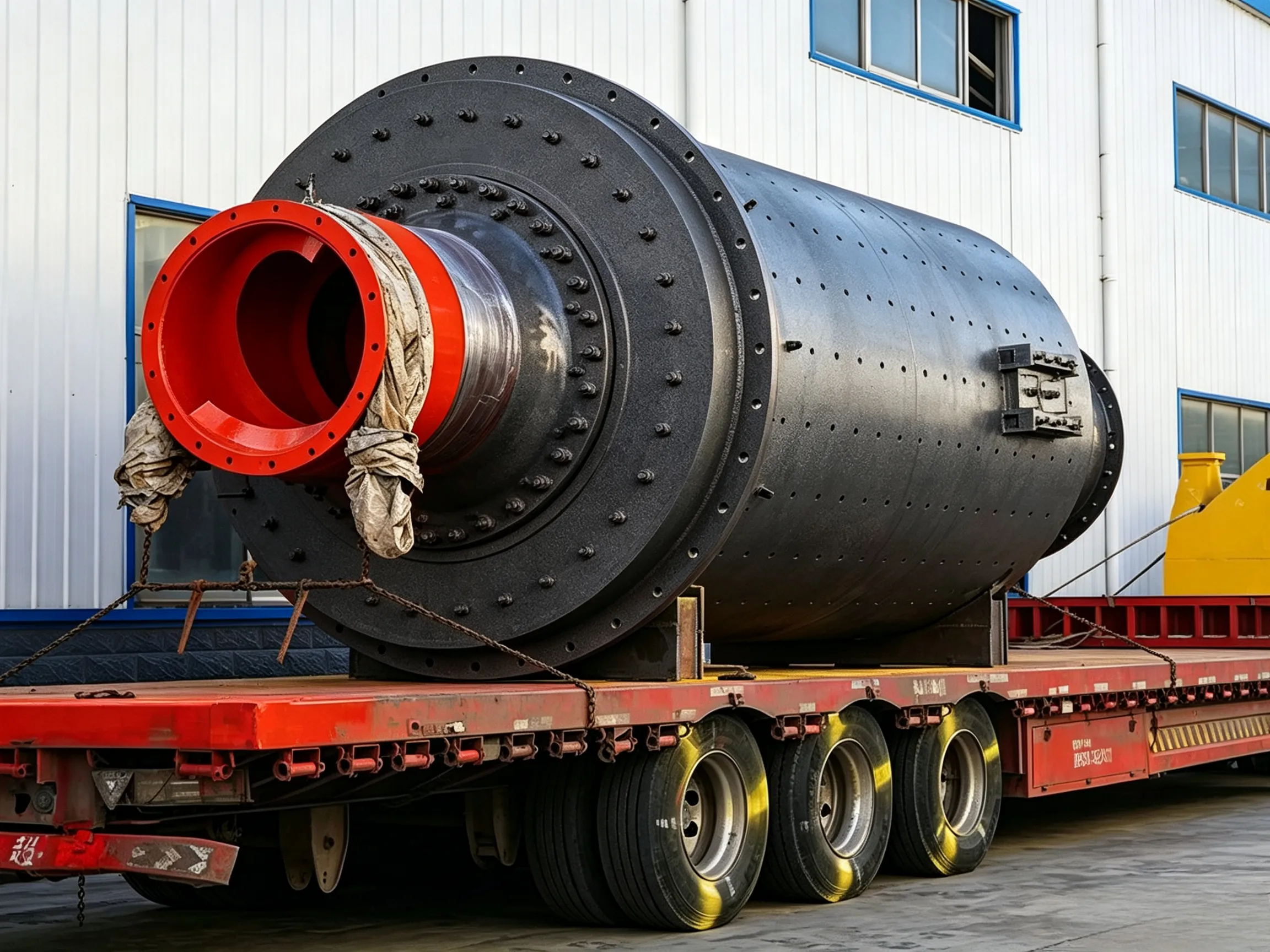
The core principles for protecting the shell of a tube mill (Kugelmühle) are isolation und cushioning—that is, to prevent direct wear on the shell steel plate by the material and grinding media, and to reduce impact forces. The main measures can be implemented in the following aspects:
🛡️ Liner System – The Most Critical Protection
The liner is the first line of defense for the shell.
- Select high‑performance liners: Choose liner materials with high wear resistance and toughness according to the operating conditions, such as rubber liners, magnetic liners, or “L‑shaped” liners. Lightweight liner materials can also be used to reduce energy consumption.
- Ensure correct installation and fastening: During installation, make sure the liners fit tightly against the inner wall of the shell without gaps. During operation, regularly check and retighten the liner bolts to prevent material from penetrating through loose joints and wearing the shell.
- Optimize liner structure design: Using optimized designs such as “L‑shaped” liners can reduce relative sliding wear between the media and the liners. Additionally, welding small steel plates at key locations such as the bottom of the grate plates can effectively prevent slurry from directly scouring the shell.
🧩 Cushion Layer and Buffering – An Additional Barrier
A flexible cushion layer between the liners and the shell wall provides a second line of defense.
- Rubber cushion: A 10‑mm‑thick rubber sheet (e.g., from used conveyor belts) can be laid on the inner surface of the shell. It effectively prevents slurry leakage, reduces noise, and can continue to protect the shell even after the liners are worn.
- Other cushioning materials: A 5‑mm‑thick raw rubber sheet, or backing materials such as 6‑mm corkboard, can also be used for cushioning.
🛠️ Operation and Maintenance – Preventive Protection
Proper operation and timely maintenance effectively extend shell life.
- Control loading and feed: Keep the grinding media and material loads within reasonable limits to avoid overloading. Optimizing the grinding media gradation in each compartment can improve grinding efficiency and reduce unnecessary wear.
- Establish inspection routines: Regularly inspect the wear condition of the shell and liners. During long‑term shutdowns, periodically rotate the shell at low speed to prevent deformation under its own weight.
🏗️ Structure and Design – Protection from the Source
Optimizing the design and structure can achieve twice the result with half the effort.
- Optimize shell structure: Installing spiral cylinders or taper sleeves inside the hollow shaft at the feed end can guide the material and protect the hollow shaft from wear. Adding an insulating layer between the shell and liners prevents damage from high temperatures.
- Adopt new protection technologies:
- Magnetic liners: These attract broken steel balls and magnetic materials to form a self‑generated protective layer.
- Cathodic protection: Electrochemical cathodic protection can prevent shell corrosion.
✨ Other Auxiliary Measures
- Noise reduction and sound insulation: Installing sound enclosures not only reduces noise but also provides some physical protection.
- Safe operation: Keep safety guards in good condition, and use proper fixtures such as safety turning rests to ensure safety during welding and maintenance.
In summary, protecting the shell of a tube mill is a systematic task that requires comprehensive measures covering the liner system, cushion layers, standardized operation, and structural optimization.



 English
 Spanish
 Russian
 Arabic
 Swahili
 French
 Turkish
 Portuguese
 Korean
 Japanese
 German
 Italian