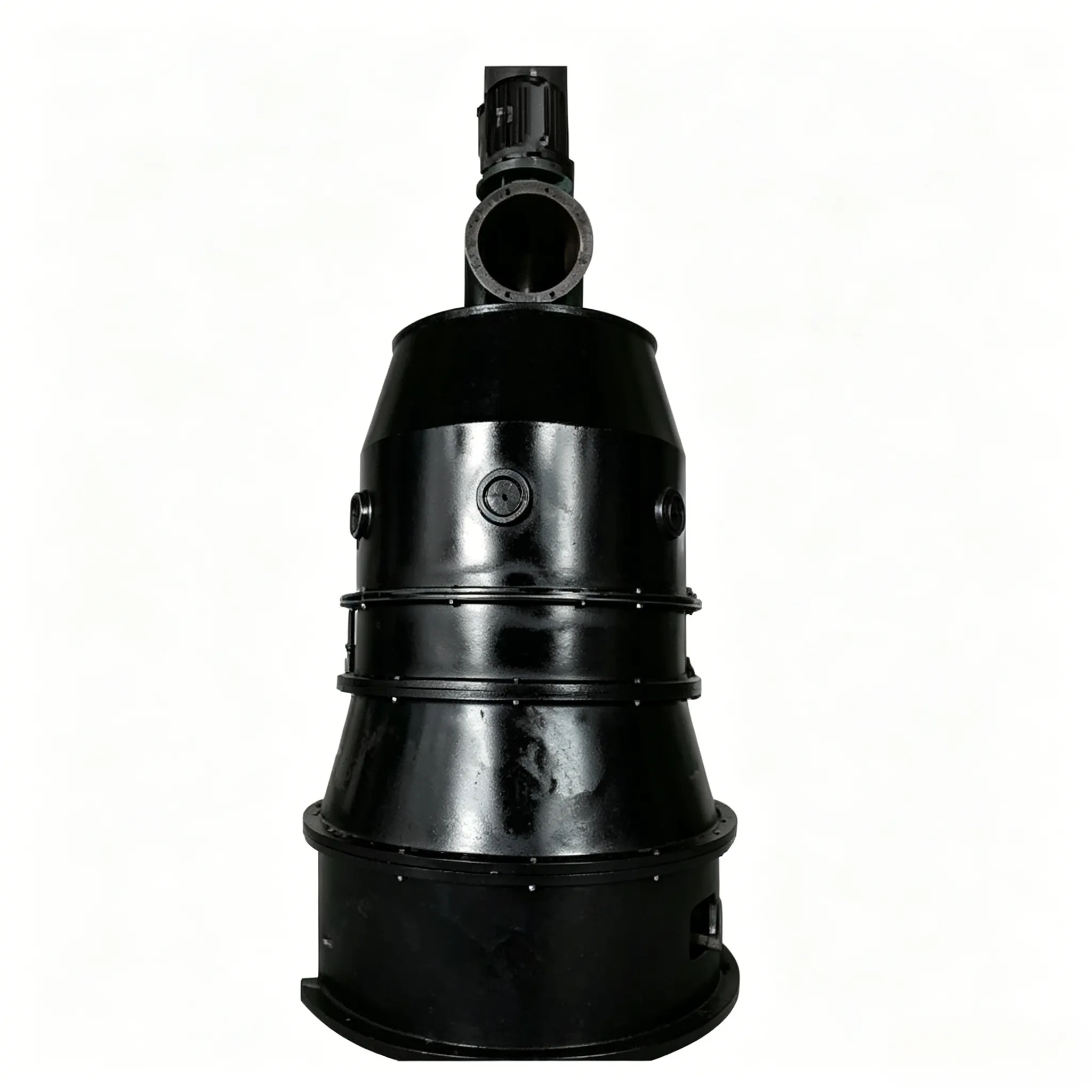
Frantoio a urto guidato SUM
Frantoio a urto con guida SUM Il frantoio della serie SUM è un frantoio a urto a secco con guida a ciclone…

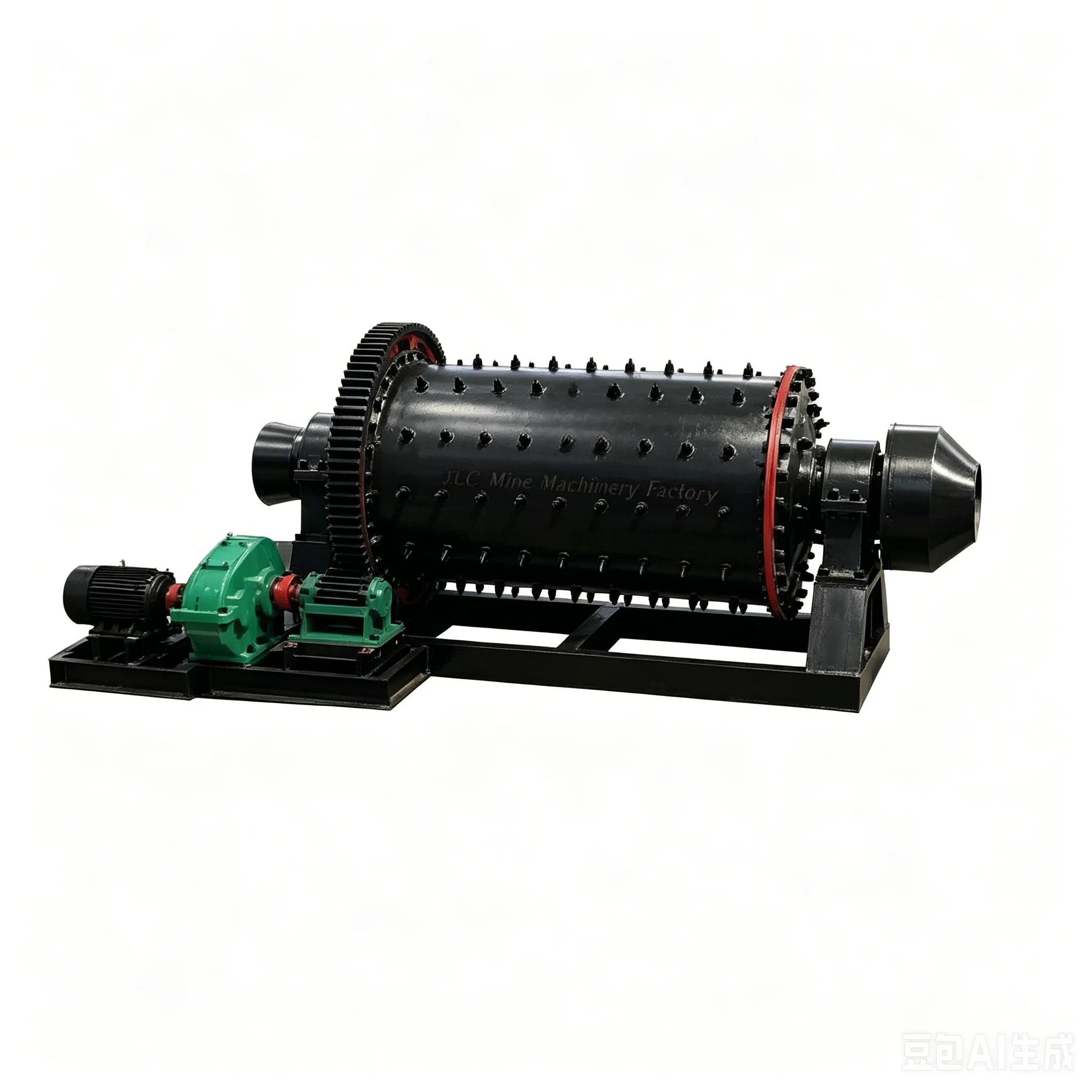
In mineral processing plants across gold, copper, iron, lead-zinc and non-metallic ore beneficiation lines, the ball mill serves as the core grinding equipment that directly determines mineral liberation efficiency, metal recovery rate and overall plant profitability. After primary and secondary crushing via jaw crushers and cone crushers, crushed ore particles must be finely ground to dissociate valuable minerals from gangue rock, laying a critical foundation for subsequent flotation, magnetic separation, gravity separation or leaching processes.
Choosing the best mulino a sfere is never a one-size-fits-all decision. The optimal model depends on ore hardness, hourly throughput, target grinding fineness, working conditions (wet or dry), and long-term operation and maintenance budgets. This guide breaks down mainstream ball mill types, core selection criteria, top-performing models for different mining scenarios, key performance advantages, and practical application tips to help mineral processors pick the most reliable, efficient and cost-effective ball mill solution.
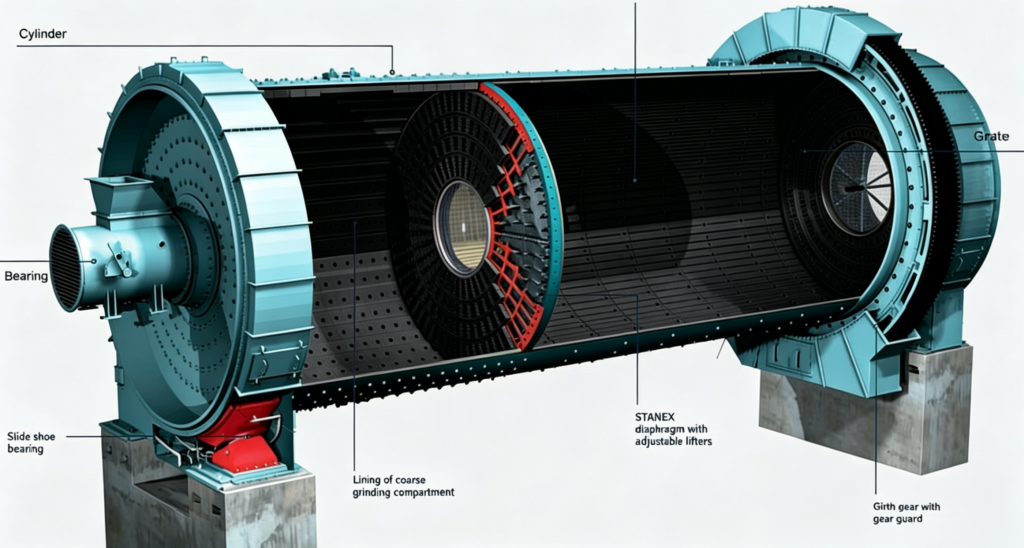
Ball Mill Internal Structure
Ball mills are mainly classified by discharge mode e grinding process, each designed for specific beneficiation demands.
A grate plate is installed at the discharge end to realize forced rapid slurry discharge, effectively avoiding over-grinding. Materials stay in the grinding chamber for a short time, ensuring high hourly throughput and strong impact force from steel balls.
Fast discharge speed, high throughput, low over-grinding risk, strong adaptability to high-hardness ores; widely matched with spiral classifiers to form closed-circuit primary grinding systems.
No grate plate is equipped. Ground ore slurry overflows from the hollow discharge shaft when the liquid level inside the cylinder reaches the outlet height. Materials stay longer in the grinding chamber to achieve ultra-fine, uniform particle size distribution.
Simple sealing structure, low risk of blockage from clay-bearing ores, stable fine grinding performance, fewer vulnerable spare parts, lower daily maintenance workload compared with grate discharge models.
Water is added during grinding to form ore slurry. It features higher grinding efficiency, lower dust pollution, uniform particle distribution, and perfectly matches most hydrometallurgical beneficiation processes including flotation, magnetic separation and cyanide leaching.
Best Use: All metallic ore beneficiation projects (gold, copper, iron, lead-zinc, nickel).
Materials are ground without water, and qualified fine powder is extracted by airflow classification.
Best Use: Non-metallic mineral processing such as limestone, quartz, kaolin, cement raw material grinding, or mines in water-scarce regions.
Test ore hardness in advance: most ball mills accept feed size below 25 mm. For high-hardness ores (Mohs hardness ≥7), select models equipped with high-chromium wear-resistant liners and alloy steel balls to extend service life and reduce frequent replacement downtime.
Grinding consumes 40%–60% of total power in a mineral processing plant. Energy-saving ball mills adopting rolling bearings instead of traditional sliding bearings can cut power consumption by 15%–30%, significantly lowering long-term electricity expenditure for large mines.
High-quality ball mills adopt thickened steel cylinders, high-manganese steel or high-chromium alloy liners. Reliable manufacturers provide one-year core warranty, on-site installation guidance, operational training and customized spare parts supply, avoiding production shutdown losses caused by unqualified equipment or poor after-sales support.
Modello consigliato: Φ1200×2400 Wet Overflow Ball Mill
Modello consigliato: Φ1830×3600 Grate Discharge Ball Mill (Primary Grinding) + Φ1830×4500 Overflow Ball Mill (Secondary Grinding)
Modello consigliato: Φ2400×7000 Energy-Saving Overflow Ball Mill
Vibrating Feeder → Jaw Crusher → Cone Crusher → Overflow Ball Mill → Spiral Classifier
→ Qualified Ore Slurry to Flotation/Magnetic Separation Equipment
Raw Ore → Primary Crushing → Secondary Crushing → Grate Ball Mill (Coarse Grinding)
→ Cyclone Classifier → Overflow Ball Mill (Fine Grinding) → Concentrate Separation Process

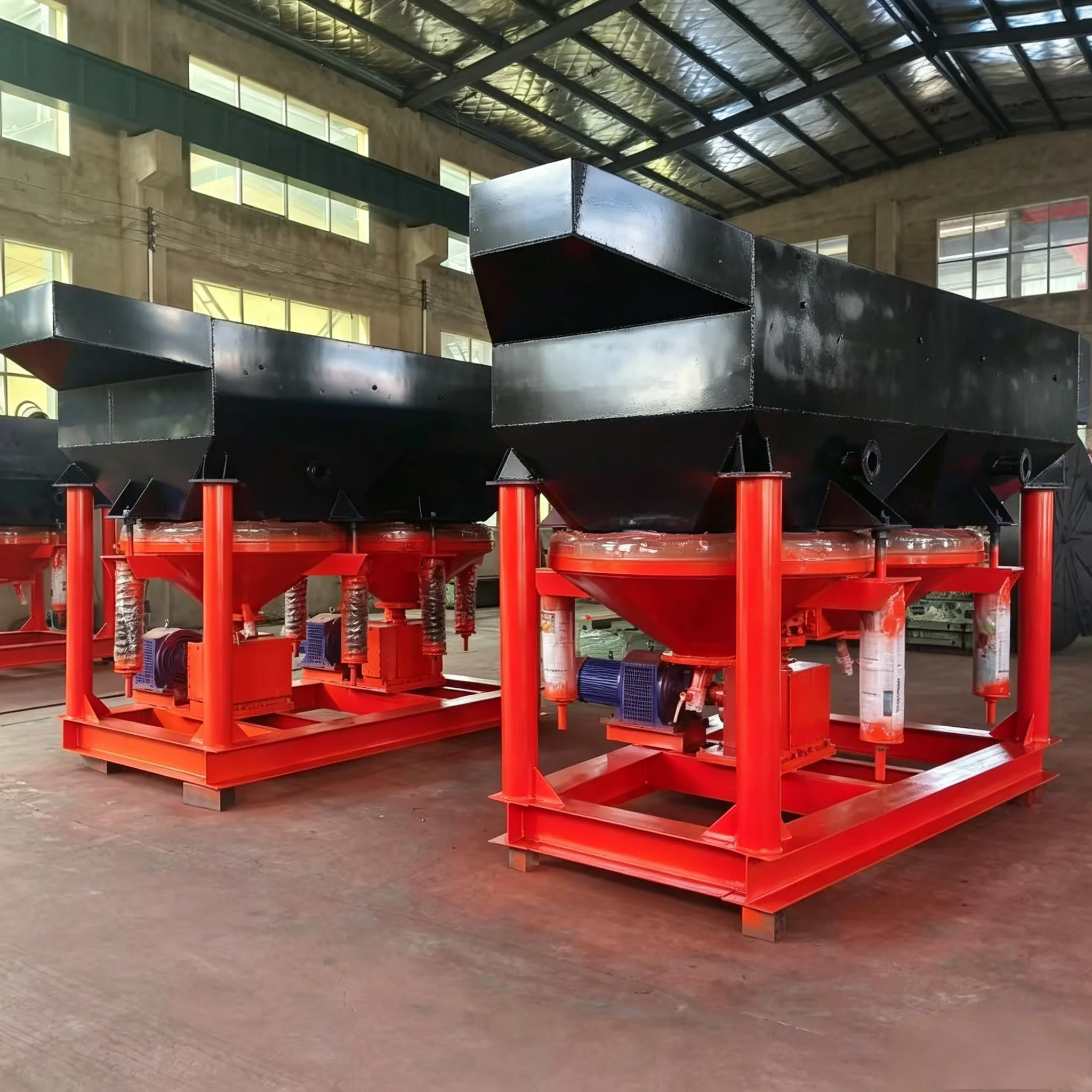
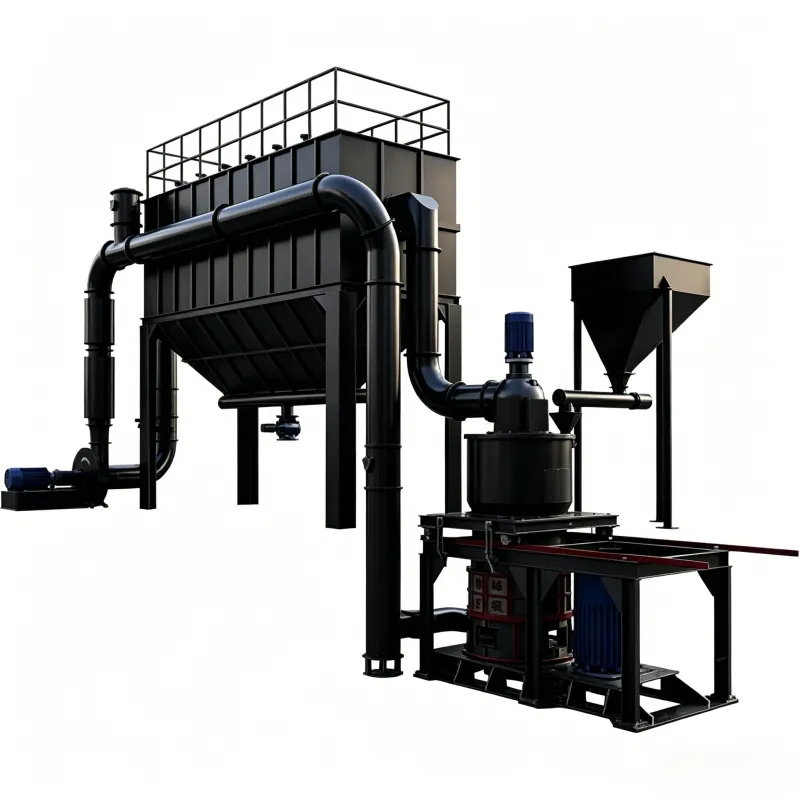
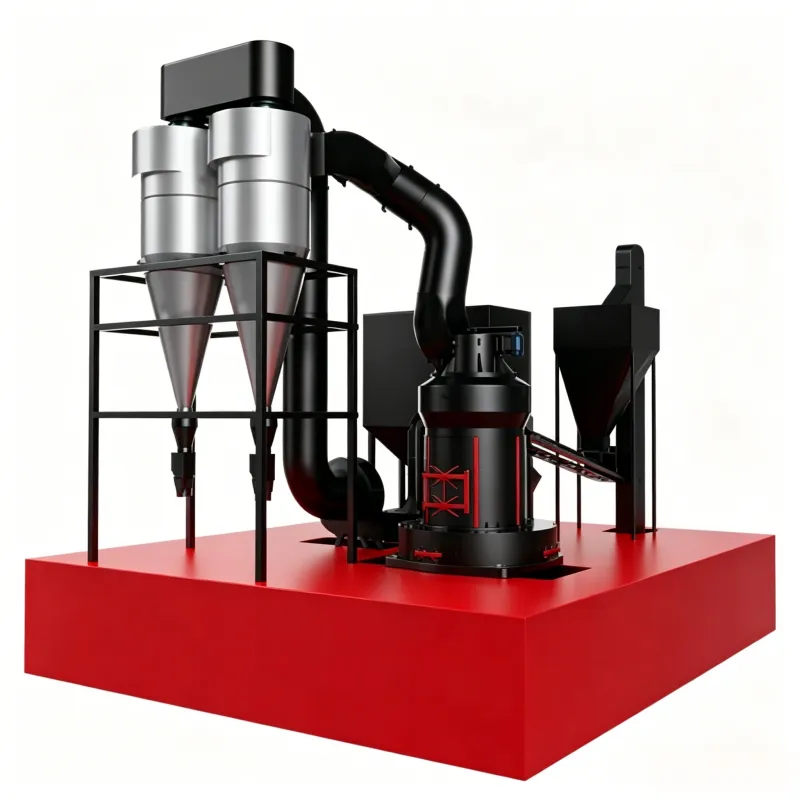
 English English
 Spanish
 Russian
 Arabic
 Swahili
 French
 Turkish
 Portuguese
 Korean
 Japanese
 German
 Italian