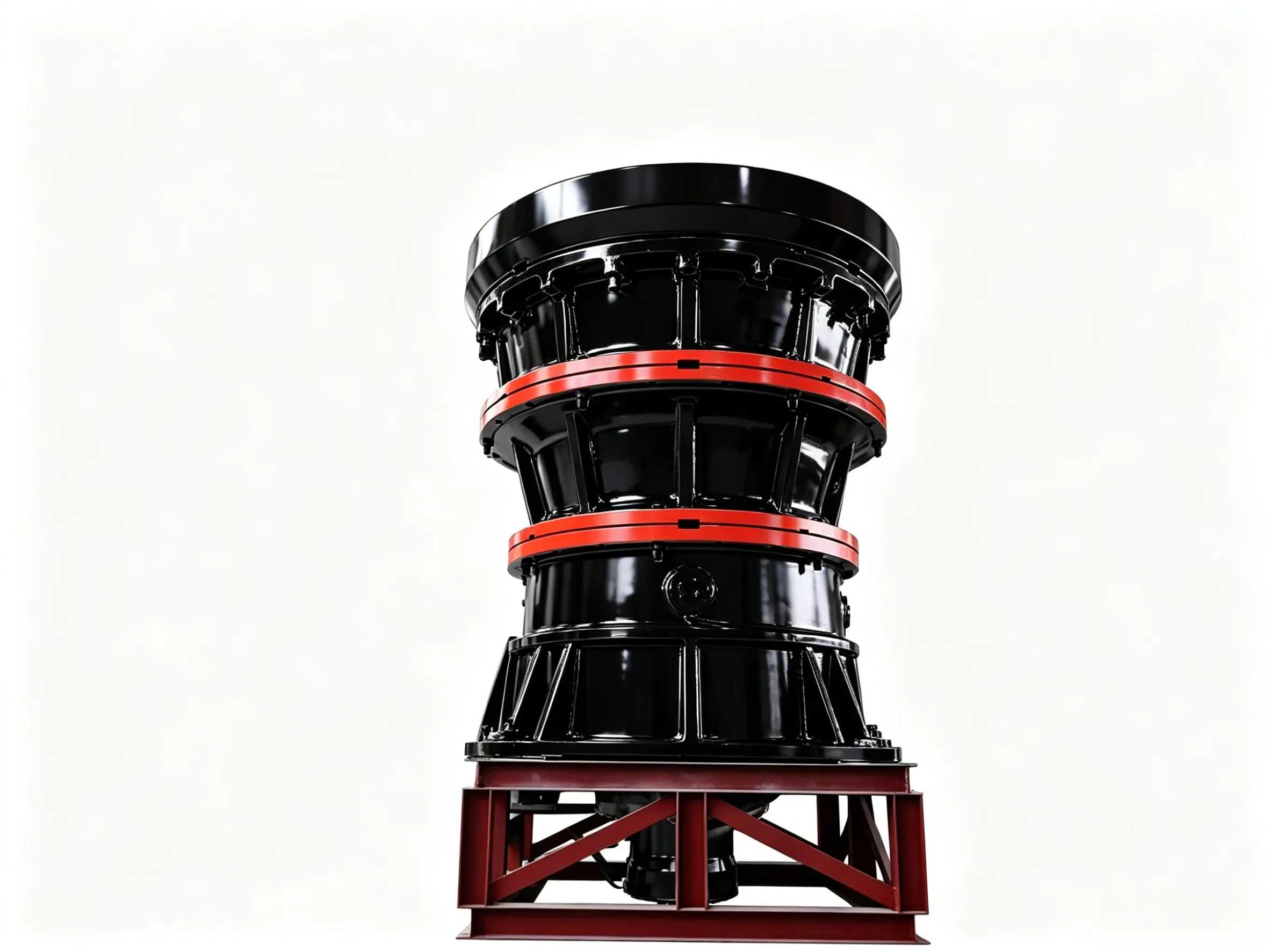
Frantoio giratorio
Tipi di frantoi giratori I frantoi giratori sono utilizzati nell'industria sin da…


Diatomite is a biogenic siliceous rock formed by the deposition of ancient unicellular diatom remains. Its main component is opal (SiO₂·H₂O) and its varieties, with SiO₂ content generally exceeding 80%, in addition to metal oxide impurities such as Al₂O₃, Fe₂O₃, CaO, and MgO. China’s diatomite reserves amount to 320 million tonnes, with prospective reserves exceeding 2 billion tonnes, mainly concentrated in East China, Southwest China, and Northeast China, with larger reserves in Jilin, Zhejiang, Yunnan, Shandong, Sichuan and other provinces.
Diatomite possesses unique properties including high porosity, strong absorbency, stable chemical properties, light weight, porous structure, loose texture, and good thermal insulation. After purification and grinding into powder, diatomite can be widely used in filter aids, industrial fillers, catalyst carriers, building insulation materials, and other fields.
This solution aims to provide a complete technical solution centred on Raymond mills for diatomite powder processing projects, covering the entire process from raw material handling, equipment selection, process flow, to environmental protection measures.
| Parametro | Valore |
|---|---|
| Mohs hardness | 1-2 |
| SiO₂ content | ≥80% |
| Moisture content | Typically <6% (drying required) |
| Bulk density | 0.3‑0.5 g/cm³ |
| Colour | White, light yellow or grey |
Depending on the application field, the fineness requirements for diatomite powder products are as follows:
| Applicazione | Recommended Fineness | Note |
|---|---|---|
| Filter aids | 200‑325 mesh | Low‑grade ore needs to be ground to 200 mesh before purification |
| Industrial fillers | 200‑400 mesh | Coatings, plastics, rubber, etc. |
| Catalyst carriers | 325‑600 mesh | Requires higher fineness and uniformity |
| Building insulation materials | 100‑325 mesh | Diatomite mud, insulating bricks, etc. |
Recommended product fineness in this solution: 80‑400 mesh (adjustable)
Diatomite has a low hardness (Mohs 1‑2), but requires a relatively high processing fineness (typically 200‑325 mesh or above) while maintaining a good crystal structure. Therefore, equipment selection should consider the following factors:
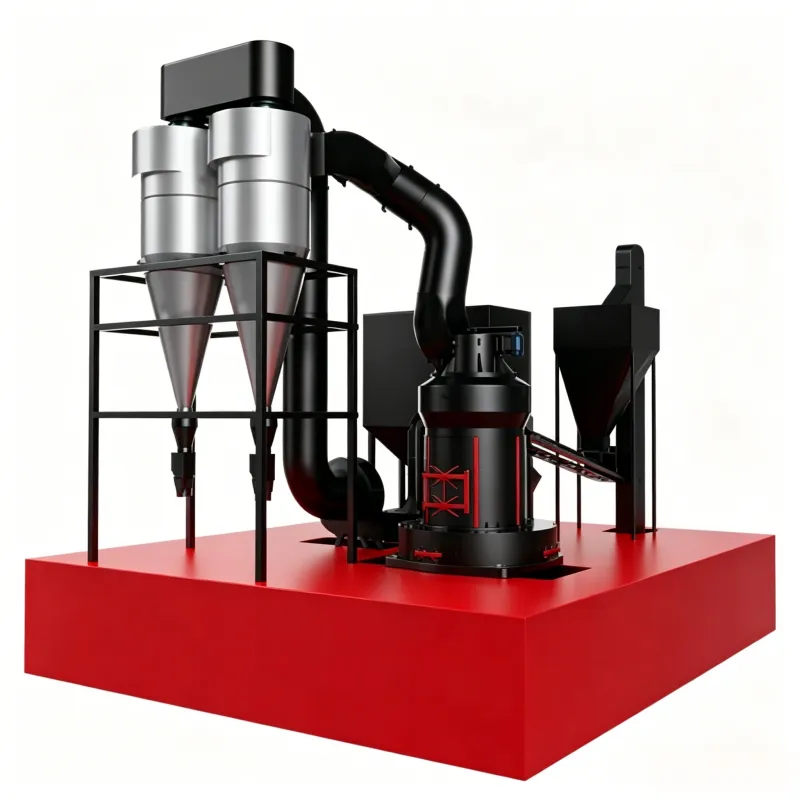
The European‑style mill (also known as the European Raymond mill) is a technically upgraded version of the traditional Raymond mill and has largely replaced conventional Raymond mills in diatomite and other non‑metallic mineral grinding projects.
MTW158 European‑Style Mill Main Technical Parameters:
| Parametro | Specifiche tecniche |
|---|---|
| Modello | MTW158 |
| Dimensione del mangime | 30‑50 mm |
| Product fineness | 1‑5 mm (approx. 325‑40 mesh, adjustable) |
| Capacità | 3‑60 t/h |
| Installed power | 120 kW |
| Specific energy consumption | 120 kW |
| Working principle | Roller pressure grinding |
| Reference price | Approx. RMB 197,000 |
Key Advantages of the MTW Series:
Suitable for small‑scale production, with a grinding fineness of 80‑400 mesh.
| Modello | Number of rollers | Roller diameter×height (mm) | Ring inner dia.×height (mm) | Dimensione massima del materiale da alimentare (mm) | Capacità (t/h) | Potenza del motore principale (kW) |
|---|---|---|---|---|---|---|
| 3R2115 | 3 | 210×150 | Φ630×150 | <15 | 0.6‑1.8 | 15 |
| 3R2615 | 3 | 260×150 | Φ780×150 | 15‑20 | 0,8–2,5 | 18.5 |
| 3R2715 | 3 | 270×150 | Φ830×150 | 15‑20 | 0,9–2,8 | 22 |
| 3R3016 | 3 | 300×160 | Φ880×160 | 15‑20 | 1.0‑4.0 | 30 |
| 4R3216 | 4 | 320×160 | Φ970×160 | 20‑25 | 1,8–4,5 | 37 |
Traditional Mulino Raymond Features: Processing fineness 10‑325 mesh, capacity 0.8‑9.5 t/h, price approx. RMB 100,000‑500,000, lower energy efficiency and automation, suitable for small processing plants.
Vertical mills offer high capacity and large overall investment, but are easy to maintain and have low operating costs, suitable for large enterprises with strong comprehensive strength.
| Parametro | Specifiche tecniche |
|---|---|
| Processing fineness | 0.037‑0.84 mm (approx. 400‑20 mesh) |
| Capacità | 10‑400 t/h |
| Price range | Approx. RMB 1‑5 million |
| Vantaggi principali | Integrates drying, grinding, classifying, and conveying |
| Production Scale | Attrezzatura consigliata | Fineness Range | Reference Price |
|---|---|---|---|
| Small (<2 t/h) | 3R/4R Series Raymond mill | 10‑325 mesh | RMB 100k‑500k |
| Medium (2‑15 t/h) | MTW Series European mill | 40‑325 mesh | RMB 500k‑1.5M |
| Large (>15 t/h) | LM Series Vertical mill | 20‑400 mesh | RMB 1‑5M |
The complete process flow for diatomite Raymond mill grinding includes the following main stages:
Raw material → Crushing → Feeding → Grinding → Classifying → Collecting → Finished product
Large diatomite raw materials must undergo strict screening and pre‑treatment. For low‑impurity diatomite, a crusher is used to reduce the material to the feed size acceptable to the mill (generally 30‑50 mm). For products with higher quality requirements, additional steps such as roasting to remove organics and acid leaching purification are needed.
The crushed material is evenly and continuously fed into the Raymond mill feed inlet by an electromagnetic vibrating feeder. Uniform feeding is critical to ensure grinding quality and stable equipment operation.
After the material enters the main unit, the roller assemblies suspended on the plum flower frame revolve around the vertical axis and rotate on their own axes. Under centrifugal force, the rollers swing outward and press tightly against the grinding ring. The plough blade scoops up the material and throws it between the rollers and the ring, where it is crushed by rolling compression.
The ground powder is carried by airflow into the classifier (analyzer) for classification. By adjusting the classifier speed according to the mill model and actual production requirements, finished powders of different fineness can be obtained. Oversized particles are returned to the grinding chamber for re‑grinding, while qualified fines proceed with the airflow to the next stage.
Qualified fine powder is carried by airflow into the cyclone separator and pulse dust collector for collection. The entire system operates under negative pressure, effectively controlling dust leakage.
The collected finished powder is discharged through the outlet, subjected to quality inspection, and packaged.
| Product Type | Process Requirements |
|---|---|
| Filter aid (200 mesh) | Grind to 200 mesh to separate impurities such as clay cemented on diatom shells, then purify and activate by acid leaching, scrubbing, roasting, etc. |
| Filter aid (325 mesh) | High‑grade diatomite is roasted and ground to 325 mesh |
| Filtration/filler use | Roast to remove organics, then grind and classify with Raymond mill |
| Coating use | Add sodium chloride or soda during roasting to obtain white diatomite |
| Processing Method | Applicable Scenarios | Equipment Choice | Caratteristiche |
|---|---|---|---|
| Wet processing | After calcination of raw ore | Mulino Raymond | After calcination, moisture evaporates, making the material fluffy and easier to grind |
| Dry processing | Clay minerals with inherent moisture absorption | Vertical mill with integrated drying system | Moisture content affects grinding efficiency; air‑drying steps should be minimised |
| No. | Equipment | Qty | Funzione |
|---|---|---|---|
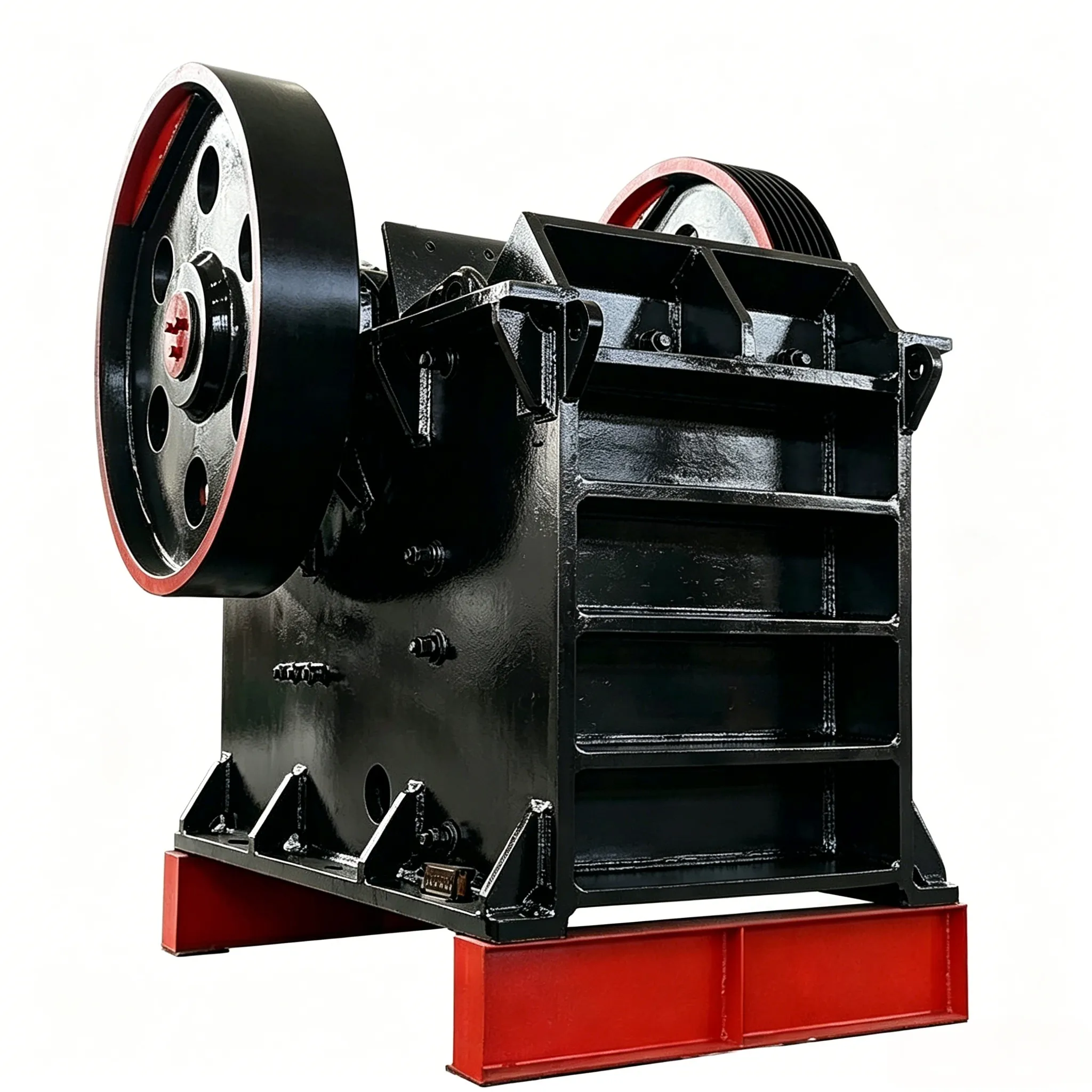
| 1 | Frantoio a mascelle | 1 | Primary crushing to acceptable feed size |
| 2 | Bucket elevator | 1 | Convey crushed material to surge bin |
| 3 | Surge bin | 1 | Buffer storage of material |
| 4 | Electromagnetic vibrating feeder | 1 | Uniform feeding to the mill |
| 5 | MTW158 European mill main unit | 1 | Grinding and pulverising |
| 6 | Classifier (analyzer) | 1 set | Powder classification |
| 7 | Cyclone separator | 1 set | Powder collection |
| 8 | Pulse dust collector | 1 set | Dust collection and purification |
| 9 | Blower fan | 1 | Air conveying |
| 10 | Control cabinet (PLC system) | 1 set | Fully automatic intelligent control |
| 11 | Piping and ducting | Several | Connecting all equipment |
The European‑style mill is equipped with a PLC fully automatic intelligent control system, capable of:
| Articolo | Estimated Amount (RMB 10,000) | Note |
|---|---|---|
| Main equipment (MTW158) | ~20 | |
| Auxiliary equipment (crusher, feeder, etc.) | 10-20 | |
| Dust collection system | 5-10 | |
| Installation and commissioning | 5-10 | |
| Civil works and infrastructure | 10-20 | |
| Totale | 50‑80 |
| Cost Item | Estimate |
|---|---|
| Power consumption | Approx. 120 kW·h/t |
| Maintenance costs | Oil‑bath lubrication, oil change every ~4 months; saves RMB 30,000‑50,000/year |
| Labour costs | 2‑3 persons/shift |
| Wear parts replacement | Depends on wear condition |
This solution, with the MTW series European‑style mill as the core equipment, provides a complete technical solution for diatomite powder processing. The European‑style mill offers advantages of high capacity (3‑55 t/h), adjustable fineness (40‑325 mesh), environmental compliance (emissions <20 mg/m³), and high intelligence (PLC control), making it the preferred equipment for diatomite processing.
For different production scales, traditional Raymond mills (small), European‑style mills (medium), or vertical mills (large) can be selected. Through rational equipment selection, scientifically designed process flows, and strict environmental protection measures, efficient comprehensive utilisation of diatomite resources can be achieved, creating good economic and social benefits for the enterprise.

 English English
 Spanish
 Russian
 Arabic
 Swahili
 French
 Turkish
 Portuguese
 Korean
 Japanese
 German
 Italian