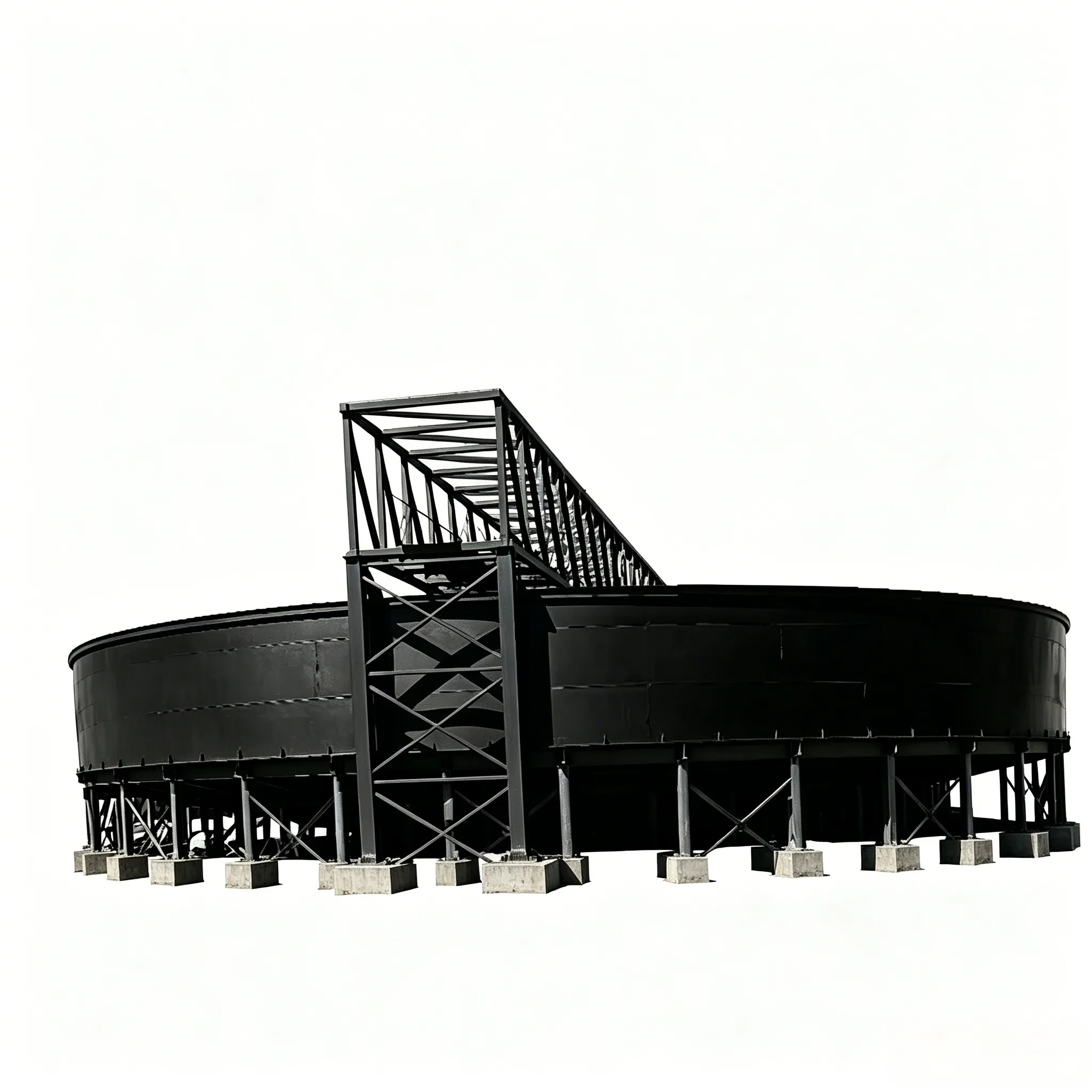
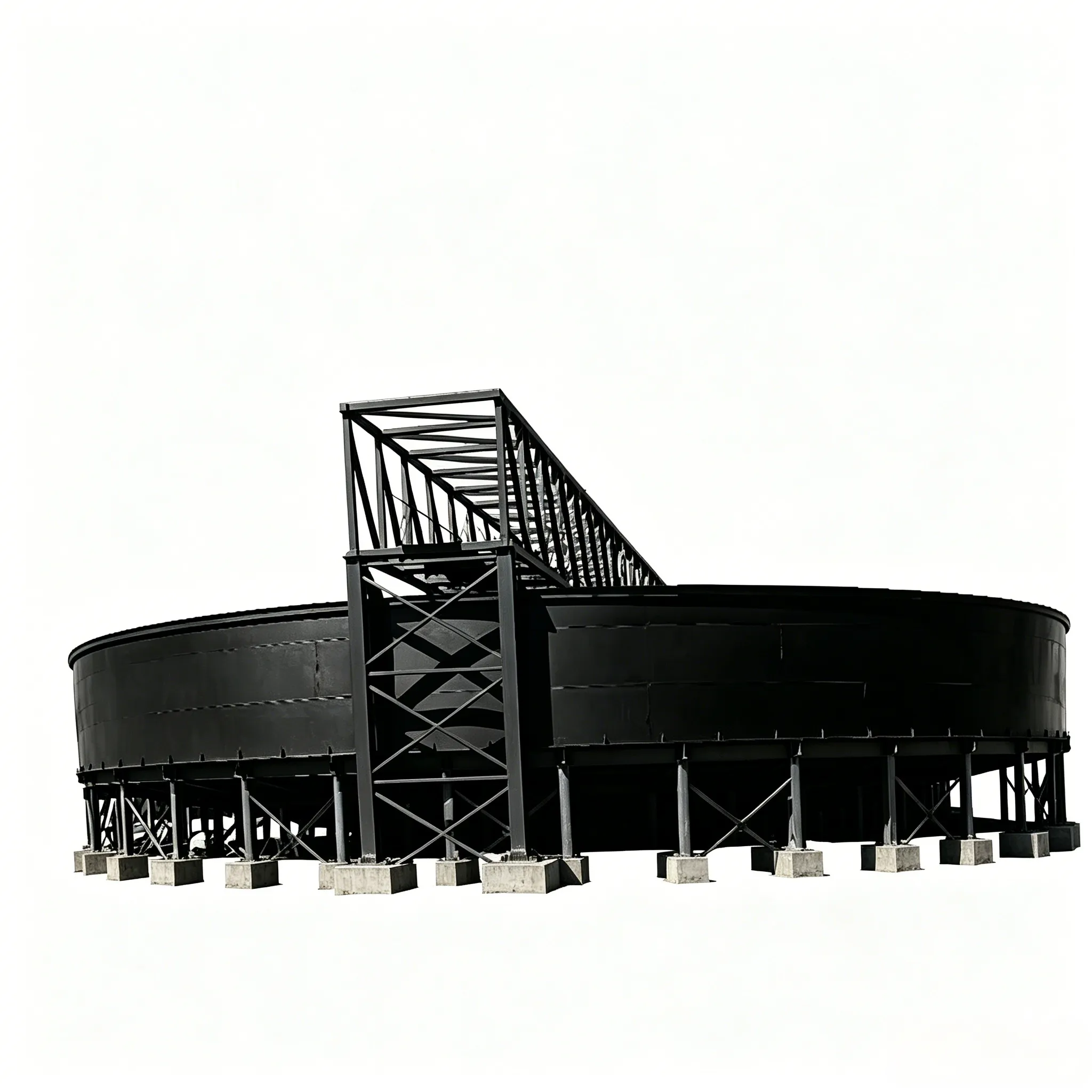
Addensatore a piastre inclinate di tipo a cassetta
Addensatore a piastre inclinate convenzionale L’addensatore (chiarificatore) a piastre inclinate della serie KMIZ(Y) è un nuovo…

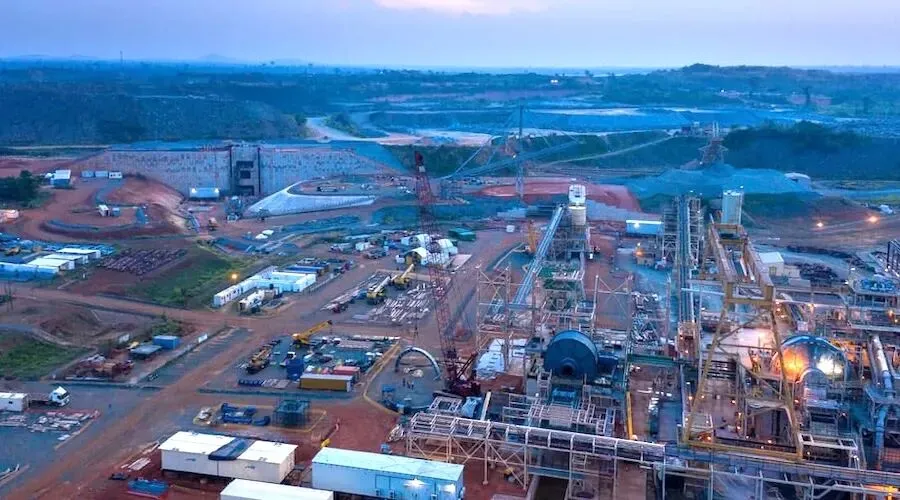
A senior official at Ghana’s mining regulator said on Thursday that the country is developing minimum wage standards and tender benchmarks for contract mining companies, aiming to curb cutthroat low-price bidding. Ghana is pushing mining companies to outsource more operations to local contractors. Ghana is Africa’s largest gold producer. In January 2025, the country issued a directive requiring mining companies to hand over open-pit operations such as blasting, loading, hauling, and waste dumping to Ghanaian-owned companies by December 31 of that year; underground mining operations must be carried out through joint ventures with at least 50% local shareholding, or companies will face penalties for missing the deadline. This is also a common trend among several resource-rich African countries, aimed at enabling them to retain more revenue from mineral resources.
But Ghanaian mine workers have opposed the policy, saying contractors will drive down wages and offer worse job security.
Ben Boakye-Mensah, head of local content at the Ghana Minerals Commission, said in an interview with Reuters on Thursday that regulators want to ensure workers’ pay and working conditions do not deteriorate. “The regulator does not want workers to be worse off under the contract mining model,” Boakye-Mensah said. “We are setting baselines to ensure that contract mining companies pay employees no less than the prescribed minimum.”
Regulators move to curb low-price bidding
Boakye-Mensah said the Minerals Commission is also drafting minimum tender thresholds to prevent contractors from bidding at prices too low to sustain operations.
He noted that in some projects, cutthroat low-price bidding has left contractors unable to cover operating costs. The regulator will set up a dedicated committee to finalize the policy details.
Even before Ghana introduced its mandatory outsourcing rules in January 2025, many companies had already voluntarily outsourced mining operations.
Boakye-Mensah said there is “no room for negotiation” on implementing the local contractor compliance requirement in December 2026, and noted that companies including Newmont (NYSE: NEM), Zijin Mining (SSE: 601899), and Ghana Manganese Company have not yet met the standards. The companies did not immediately respond to requests for comment.
Ghana’s Chamber of Mines has been critical of the mandatory policy, arguing that contract mining should be an optional model rather than a hard requirement.
However, the chamber supports cracking down on low-price bidding, warning that cutthroat competition among contractors undermines worker welfare and safety production.
“If companies keep underbidding, they may not have enough funds to carry out operations, pay wages in full, conduct personnel training, and safety safeguards will also be compromised,” said Chamber CEO Ken Ashigbey.
Ashigbey said the chamber is also studying a contractor grading system and minimum bid thresholds to curb low-price competition, and noted that a considerable share of mining accidents occur in contractor operations.


 English English
 Spanish
 Russian
 Arabic
 Swahili
 French
 Turkish
 Portuguese
 Korean
 Japanese
 German
 Italian