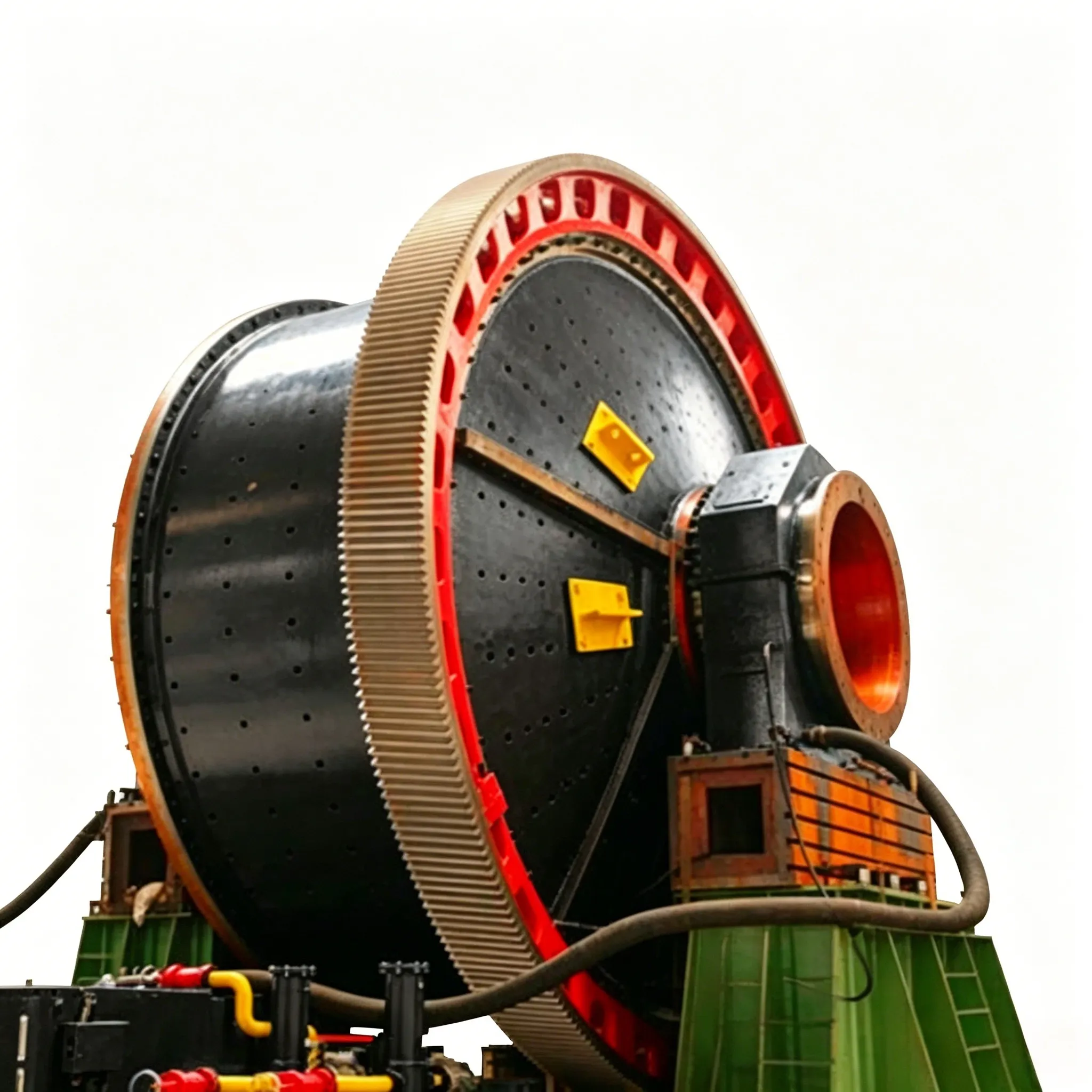
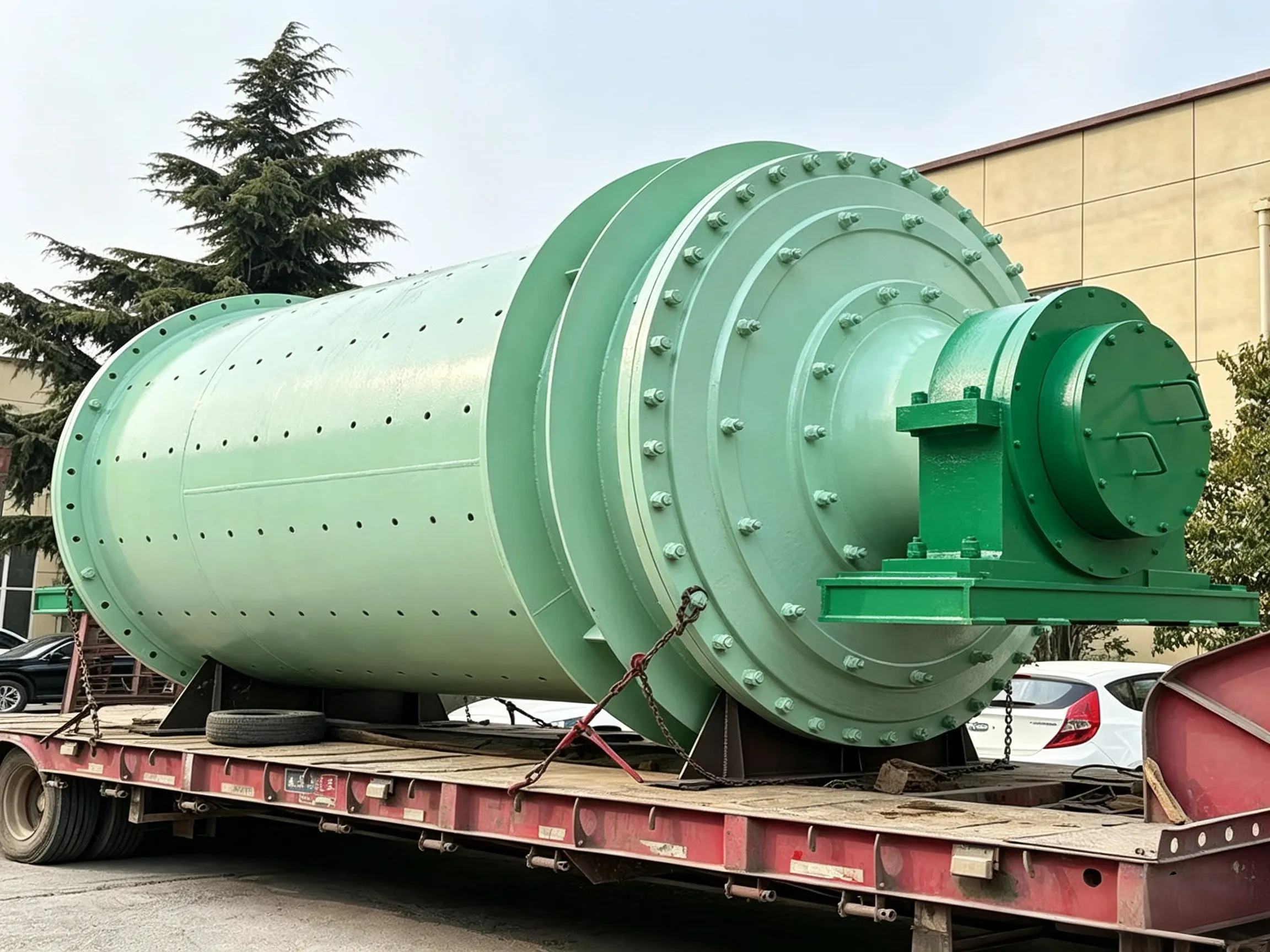
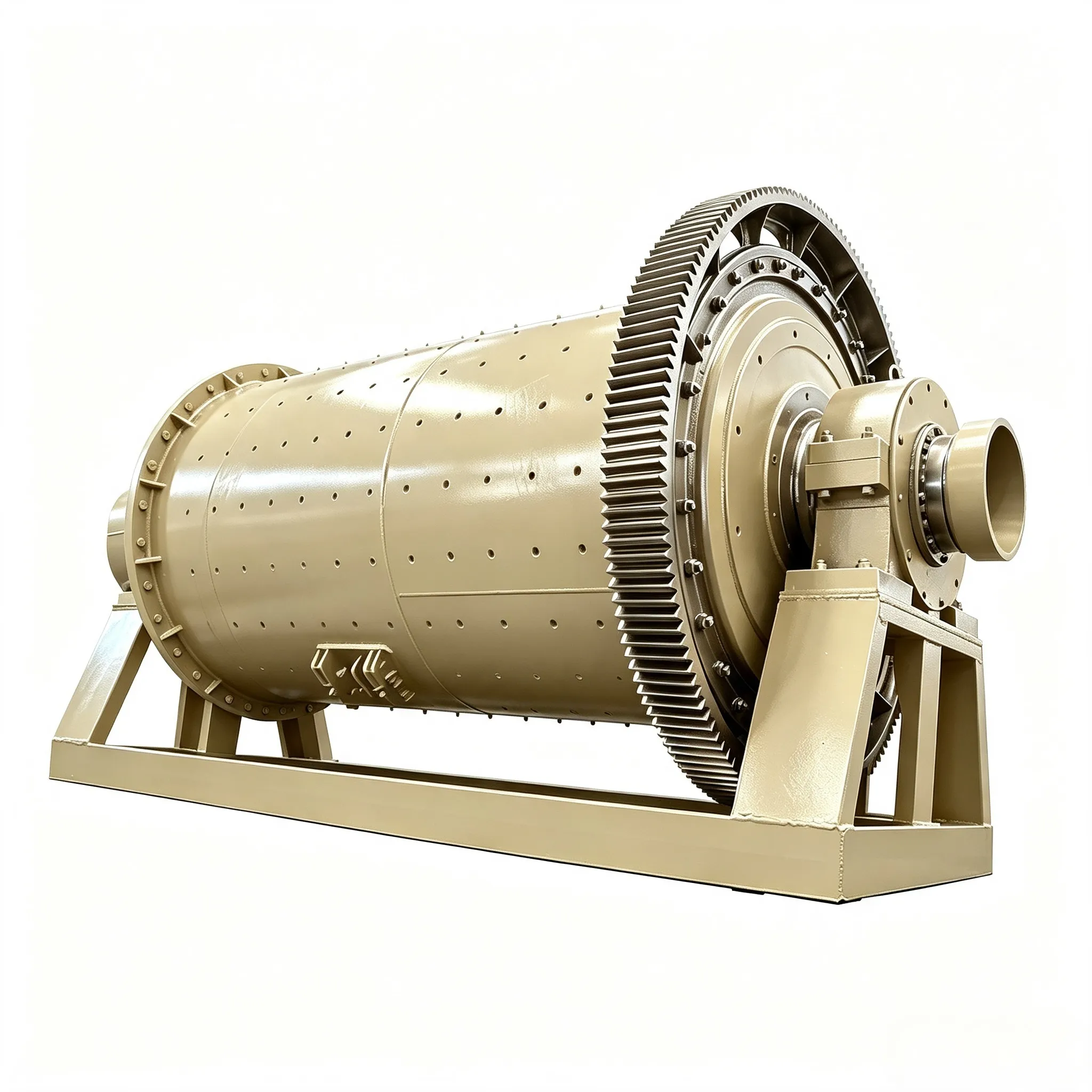
The collapse of brick‑laid liners is a common problem in ボールミル operation. The causes are complex and can generally be attributed to several aspects, including design, manufacturing, installation, operation, and maintenance.
⚙️ Main Causes of Collapse
- Design and Manufacturing Defects:
- Shell issues: Insufficient shell thickness can lead to deformation under alternating loads; an uneven inner surface (e.g., excessive ovality or weld protrusions) prevents the liners from fitting tightly.
- Liner issues: Large dimensional errors in the liners result in poor axial tightness after installation, weakening the interlocking (arching) effect. High‑manganese steel liners are prone to plastic flow under impact, causing dimensional growth and protrusion.
- Structural issues: For mills with large diameters (e.g., above Φ3 m), traditional brick‑laid structures are inherently less stable and more susceptible to collapse.
- Improper Installation and Operation:
- Installation problems: Liners are not properly fitted against each other or against the shell, or the clearance between liners is too small.
- Operational problems: Excessively high preheating air temperature during start‑up causes uneven thermal expansion and contraction within the mill.
- Neglect in Operation and Maintenance:
- Fastener failure: Fixing bolts break due to thermal expansion and compression, or loose bolts are not addressed in time.
- Liner damage: Chipped or broken liners are not replaced promptly, allowing defects to gradually worsen.
🛠️ Effective Preventive Measures
To address the above causes, the following measures can be taken:
- Optimise Structure and Design:
- Install support rings: Drill axial holes in the shell and install support rings to limit the number of brick‑laid liner rows per segment to 2–3 rows, thereby enhancing overall rigidity.
- Improve connection design: Design the support ring with a reverse taper and one side of the liner with a sloped surface, so that tightening generates axial force to compress the liners more tightly.
- Eliminate stress concentration: Add transition radii at the four corners of the liners to relieve relative displacement during operation.
- Adopt new liner types: Consider using combined self‑locking liners または high‑chromium cast iron liners as alternatives to traditional high‑manganese steel liners.
- Strictly Control Installation and Dimensions:
- Ensure dimensional accuracy: Strictly control liner dimensions so that the difference between the large and small ends is about 5 mm to meet installation requirements.
- Ensure tight fitting: During installation, ensure that liners are closely fitted to each other and to the shell, with appropriate expansion clearances reserved.
- Standardise Operation and Maintenance:
- Control process parameters: Maintain uniform feeding to prevent idle running; control the feed material temperature (e.g., clinker below 50°C) and particle size.
- Strengthen inspections: Regularly check and promptly tighten loose bolts, and replace broken or severely worn liners.
💎 Summary
In general, preventing the collapse of brick‑laid liners is a systematic effort that requires adequate attention at every stage – design, manufacturing, installation, operation, and maintenance – along with the implementation of corresponding preventive measures.

 English
 Spanish
 Russian
 Arabic
 Swahili
 French
 Turkish
 Portuguese
 Korean
 Japanese
 German
 Italian