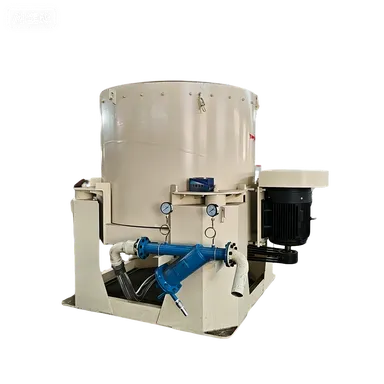
遠心濃縮機
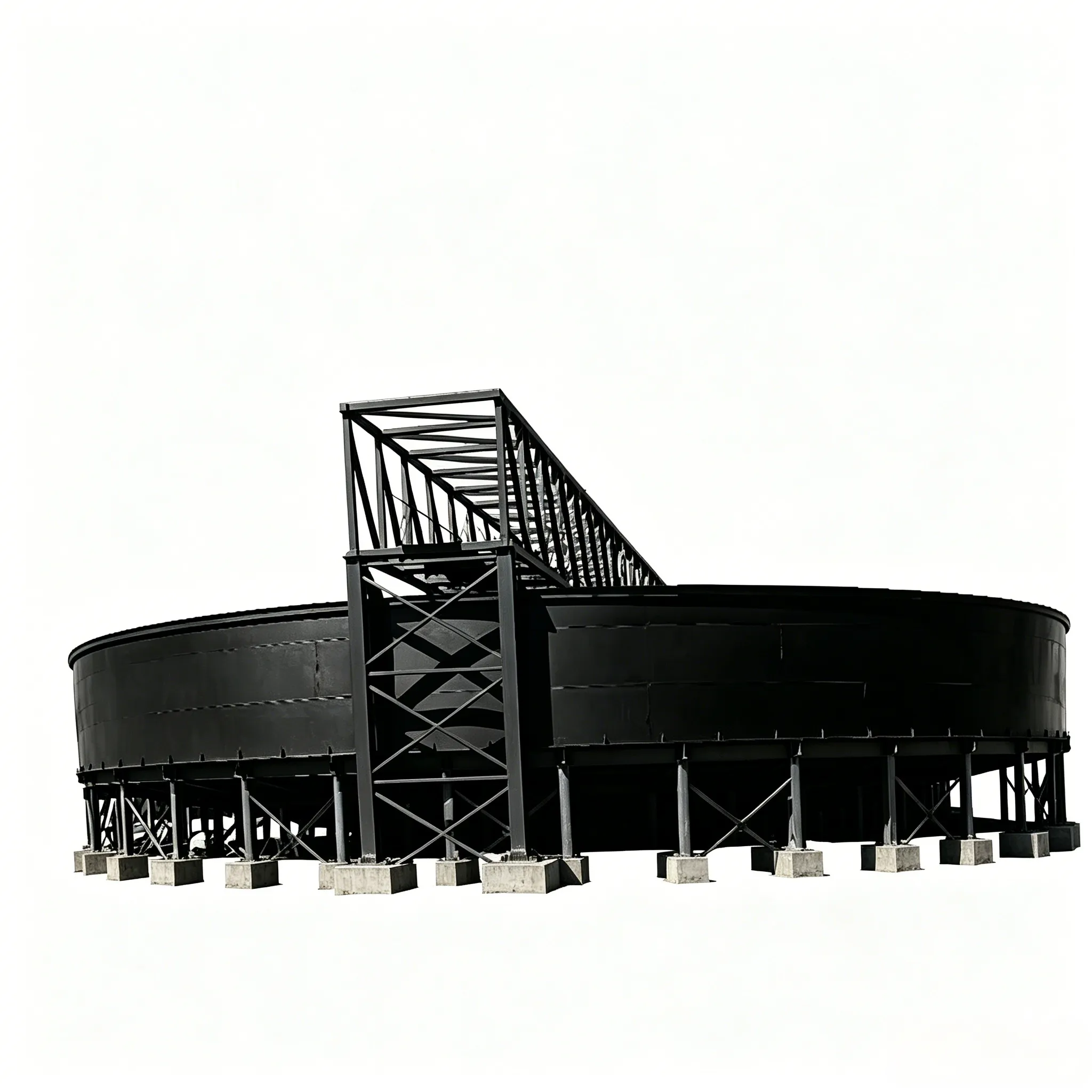
遠心濃縮機 – 高効率微粒子重力濃縮機 製品概要 遠心濃縮機…

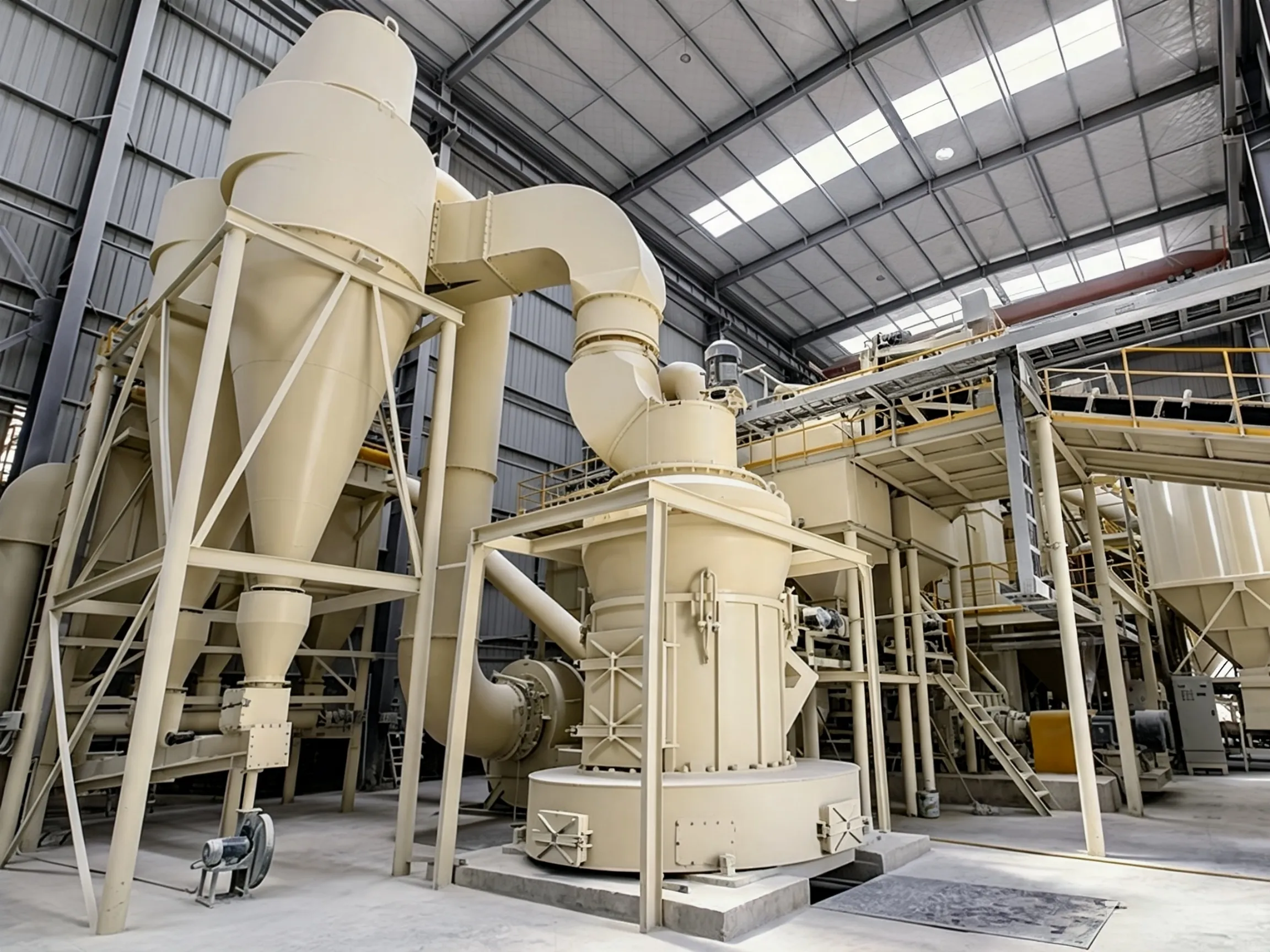
Gypsum is a vital industrial raw material and building material, and the quality of its powder processing directly affects the performance of final products. Among various gypsum powder processing equipment, the レイモンドミル (Raymond roller mill) has long been a classic choice, thanks to its mature technology, stable performance, and high cost‑effectiveness. This article provides a comprehensive overview of the advantages, working principle, selection criteria, and process flow of Raymond mills in gypsum grinding.
Gypsum has a Mohs hardness of about 2, placing it in the low‑hardness category. Raymond mills are designed to process non‑flammable and non‑explosive materials with a Mohs hardness below 7 and a moisture content of less than 6%. The low hardness and low moisture characteristics of gypsum perfectly match the processing conditions of Raymond mills – they are truly a “natural match”.
Whether it is natural gypsum ore or industrial by‑product gypsum such as desulfurization gypsum and phosphogypsum, Raymond mills can process them efficiently. In particular, calcined (stucco) gypsum has a loose structure and is easier to grind, resulting in lower grinding energy consumption – a perfect fit for the high‑efficiency performance of Raymond mills.
1. Flexibly Adjustable Finished Fineness
Raymond mills are equipped with high‑efficiency built‑in classifiers, allowing the finished fineness to be flexibly adjusted within a range of 80–600 mesh. By regulating the fan air volume and classifier rotor speed, the final powder fineness can be precisely controlled to meet the requirements of different fields such as construction, medicine, and chemicals. With upgraded models featuring high‑precision classification systems, fineness can reach over 1000 mesh.
2. High Efficiency and Remarkable Energy Savings
Raymond mills use a laminar crushing principle, where powder is produced by the relative rolling compression between grinding rollers and the grinding ring. Energy consumption is reduced by 20%–30% compared with traditional ball mills. The easy‑grind nature of calcined gypsum further improves output, delivering outstanding overall benefits.
3. Compact System with Environmental Compliance
The Raymond mill has a compact structure and small footprint. From crushing to grinding, classifying, and collecting, the system operates in a closed loop, effectively minimizing dust leakage. Equipped with pulse baghouse dust collectors and cyclone collectors, the dust emission concentration can be controlled below 30 mg/m³, meeting current environmental standards. Powder recovery rates can reach over 99%.
4. Reliable Operation and Easy Maintenance
Raymond mills have a simple structure, making them easy to operate and maintain. Leading manufacturers such as Guilin Mining Machinery have introduced maintenance‑free roller assembly designs that can run continuously for up to 30 days without lubrication. The electrical system features centralized control with a high degree of automation.
The gypsum grinding process in a Raymond mill can be summarized as a closed‑loop cycle of grinding → classifying → collecting:
A complete gypsum powder production line using a Raymond mill typically includes the following steps:
Raw Material Pre‑treatment → Large gypsum blocks are crushed by a jaw crusher to below 30 mm.
Elevating & Conveying → A bucket elevator transports the material to a storage bin.
Uniform Feeding → An electromagnetic vibrating feeder evenly feeds the material into the Raymond mill.
Grinding → The Raymond mill grinds the gypsum under roller‑ring compression.
Air Classifying → The air stream carries the powder to the classifier for separation.
Product Collecting → A cyclone collector and a pulse baghouse dust collector capture the qualified fine powder.
Air Recirculation → Purified air returns to the blower, completing the closed loop.
When purchasing a Raymond mill for gypsum, focus on the following key factors:
1. Raw Material Type and Condition
2. Required Finished Fineness
Different application areas require different fineness levels:
| 用途 | Recommended Fineness |
|---|---|
| Building gypsum powder (plaster, putty, gypsum cornices) | ~200 mesh |
| Gypsum boards, gypsum blocks | ~200 mesh |
| Ceramic molds, sculpture models | ~200 mesh |
| Power plant desulfurization | 250 mesh or 325 mesh |
| Moulding plaster | 400–600 mesh |
| Food additives, pharmaceutical‑grade gypsum powder | 600 mesh and above |
The conventional fineness range (80–400 mesh) is the “economic operating zone” of Raymond mills. For ultra‑fine powder (above 600 mesh), consider upgrading to a model with a high‑precision classifier system or a high‑pressure suspension roller mill.
3. Production Capacity
Choose the appropriate equipment size based on your output requirements:
Gypsum powder produced by Raymond mills is widely used in:
Regardless of the Raymond mill model chosen for gypsum processing, the following points should be observed:
With its mature technology, high cost‑effectiveness, flexible fineness adjustment, and compact, environmentally friendly system, the Raymond mill has become the preferred equipment for gypsum powder processing. Whether you need 200‑mesh powder for building gypsum or 325‑mesh powder for desulfurization, a Raymond mill can deliver stable and efficient performance.
When selecting equipment, consider your raw material properties, target fineness, and capacity requirements. Also, choosing a reliable manufacturer with strong technical support and after‑sales service is crucial to ensure long‑term, trouble‑free operation.
 English English
 Spanish
 Russian
 Arabic
 Swahili
 French
 Turkish
 Portuguese
 Korean
 Japanese
 German
 Italian