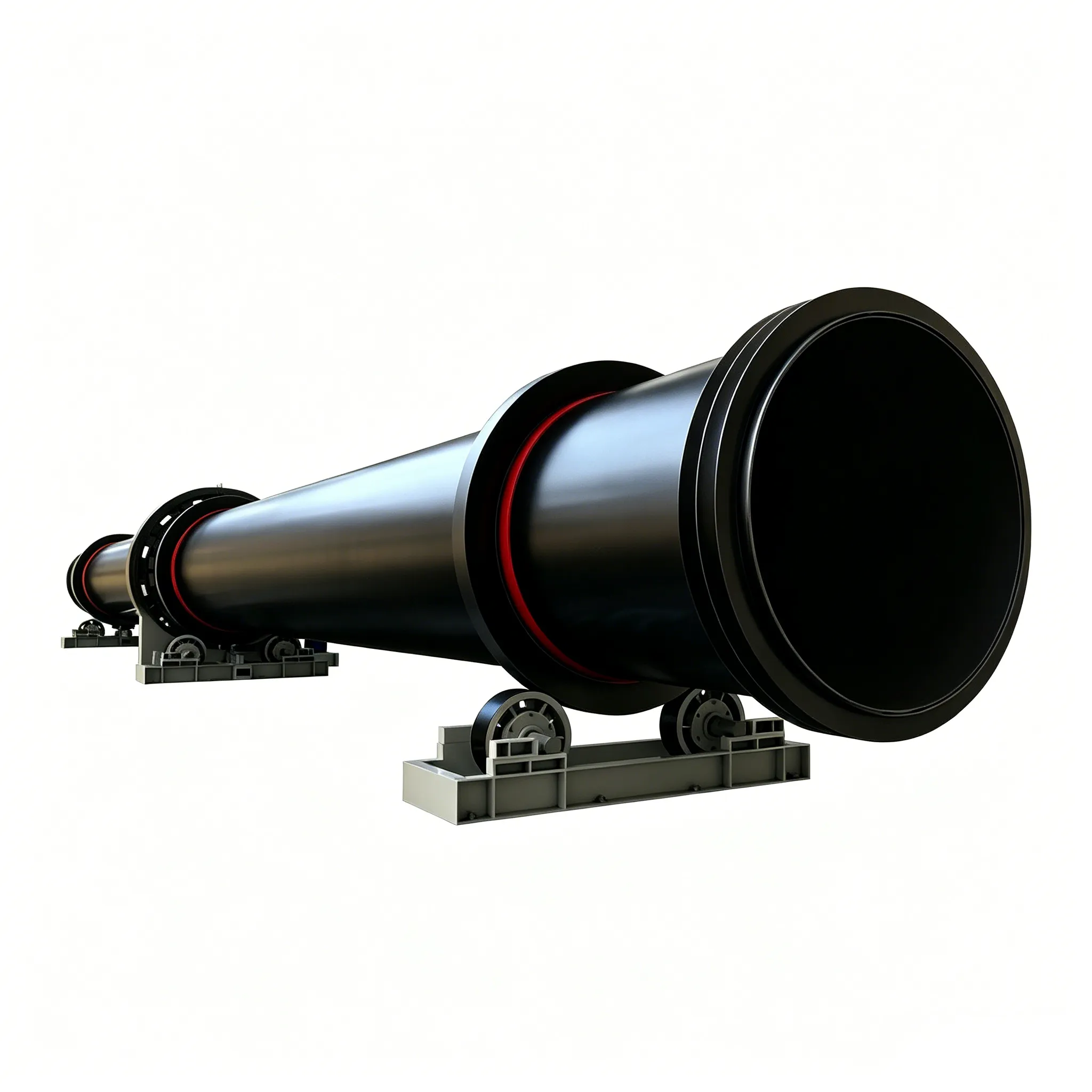
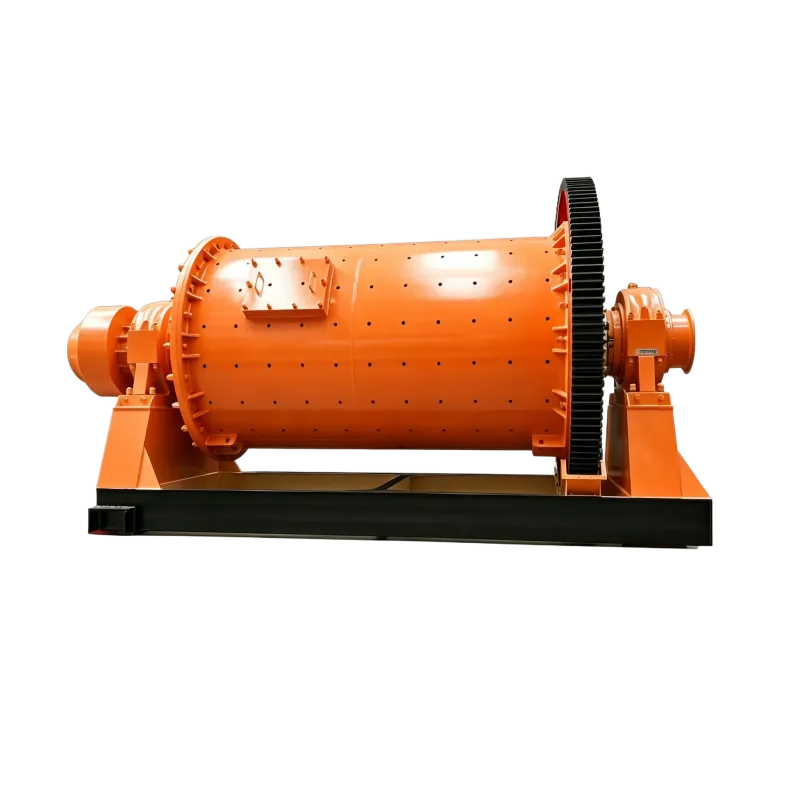
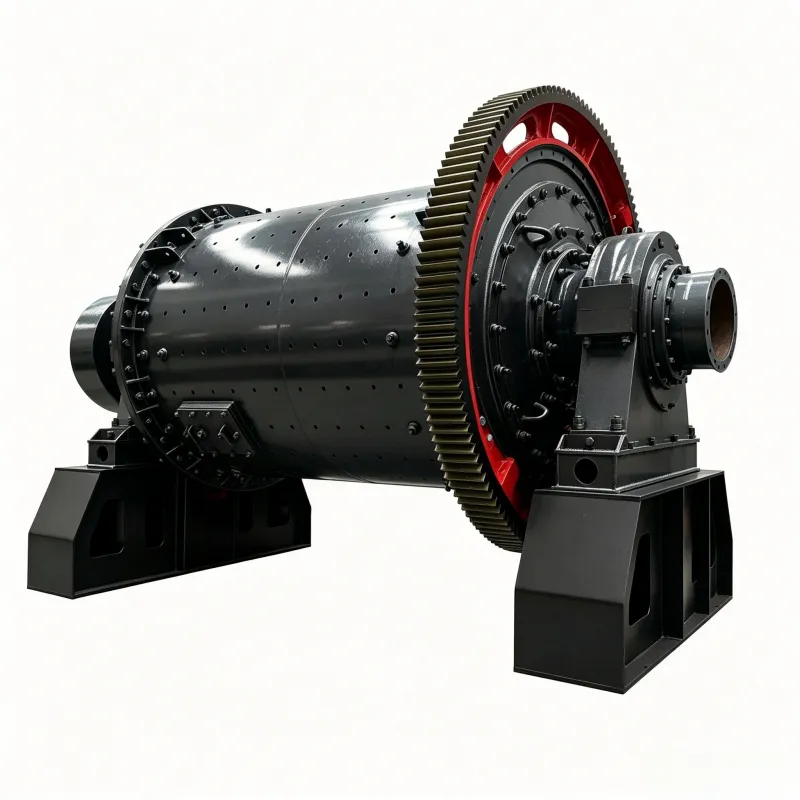
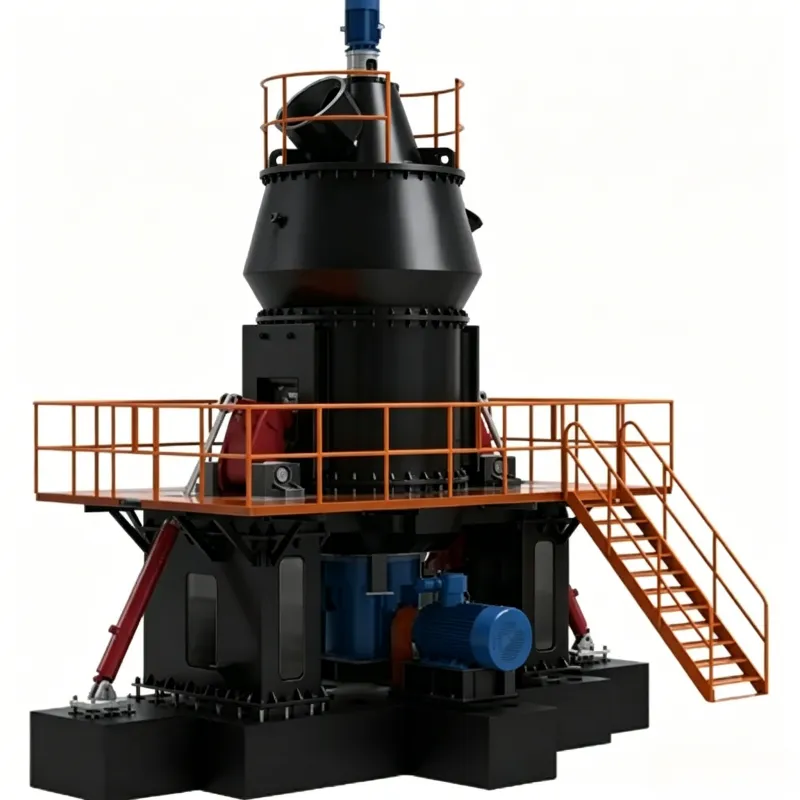
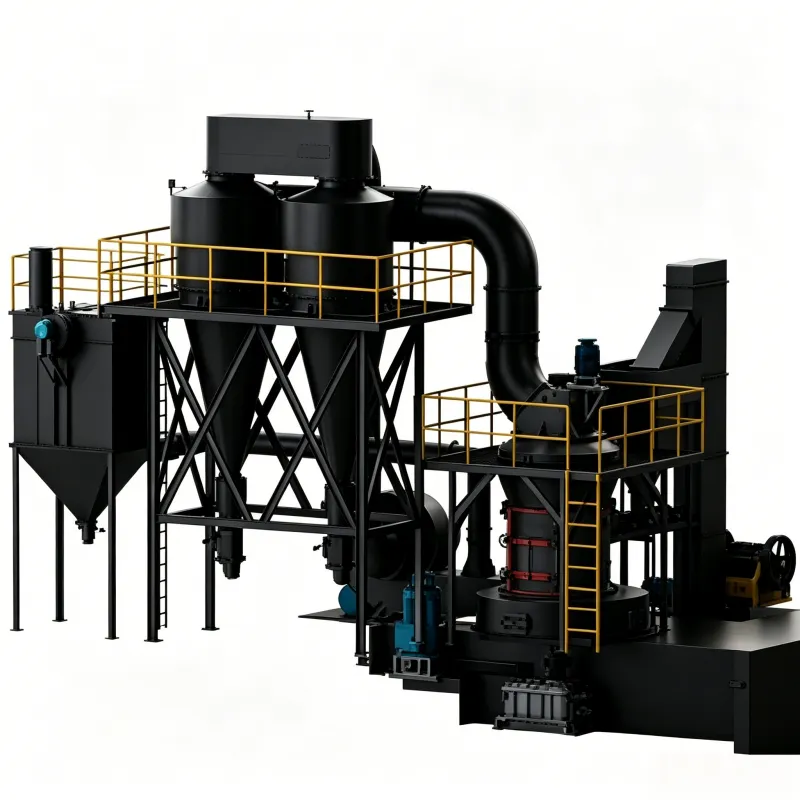
The rotary kiln is a core thermal processing equipment widely used in building materials, metallurgy, chemical engineering, and environmental protection industries. It is primarily employed for mechanical, physical, and chemical treatment of solid materials. The working principle involves the slow
Product Overview: Core Equipment for Industrial Calcination
The rotary kiln is a core thermal processing equipment widely used in building materials, metallurgy, chemical engineering, and environmental protection industries. It is primarily employed for mechanical, physical, and chemical treatment of solid materials. The working principle involves the slow rotation of an inclined cylindrical shell, causing the material to tumble circumferentially and move axially from the higher end (kiln inlet) to the lower end (kiln outlet), where it undergoes drying, decomposition, and sintering at high temperatures. Compared with conventional models of the same specification, this series generally achieves a 30% increase in production capacity and a 40% reduction in heat consumption, delivering significant energy-saving benefits. It is particularly suitable for calcining laterite nickel ore, active lime, oxidized pellets, titanium dioxide, and cement clinker.
Equipment Structure Breakdown
This equipment consists of nine core systems with precision engineering, ensuring long-term stable operation under high-temperature and slight negative-pressure conditions:
1. Shell and Kiln Lining
The kiln shell is fabricated by roll-welding Q245R heat-resistant steel plates, offering excellent thermal fatigue resistance. The inner wall is lined with high-performance refractory bricks, and the kiln outlet is protected by wear-resistant castings bolted to the shell ends.
2. Supporting Device and Tire (Riding Ring)
Tire (Riding Ring): Manufactured as an integrally cast rectangular ring, subjected to normalizing and tempering treatments with strict surface hardness control. The tire is connected to the shell via a loose-fit design with floating backing plates, allowing automatic adjustment with running clearances to avoid excessive shell wear.
Roller Assembly: Equipped with self-aligning spherical roller bearings featuring internal circulating cooling water systems, ensuring high load capacity and smooth operation.
3. Drive System
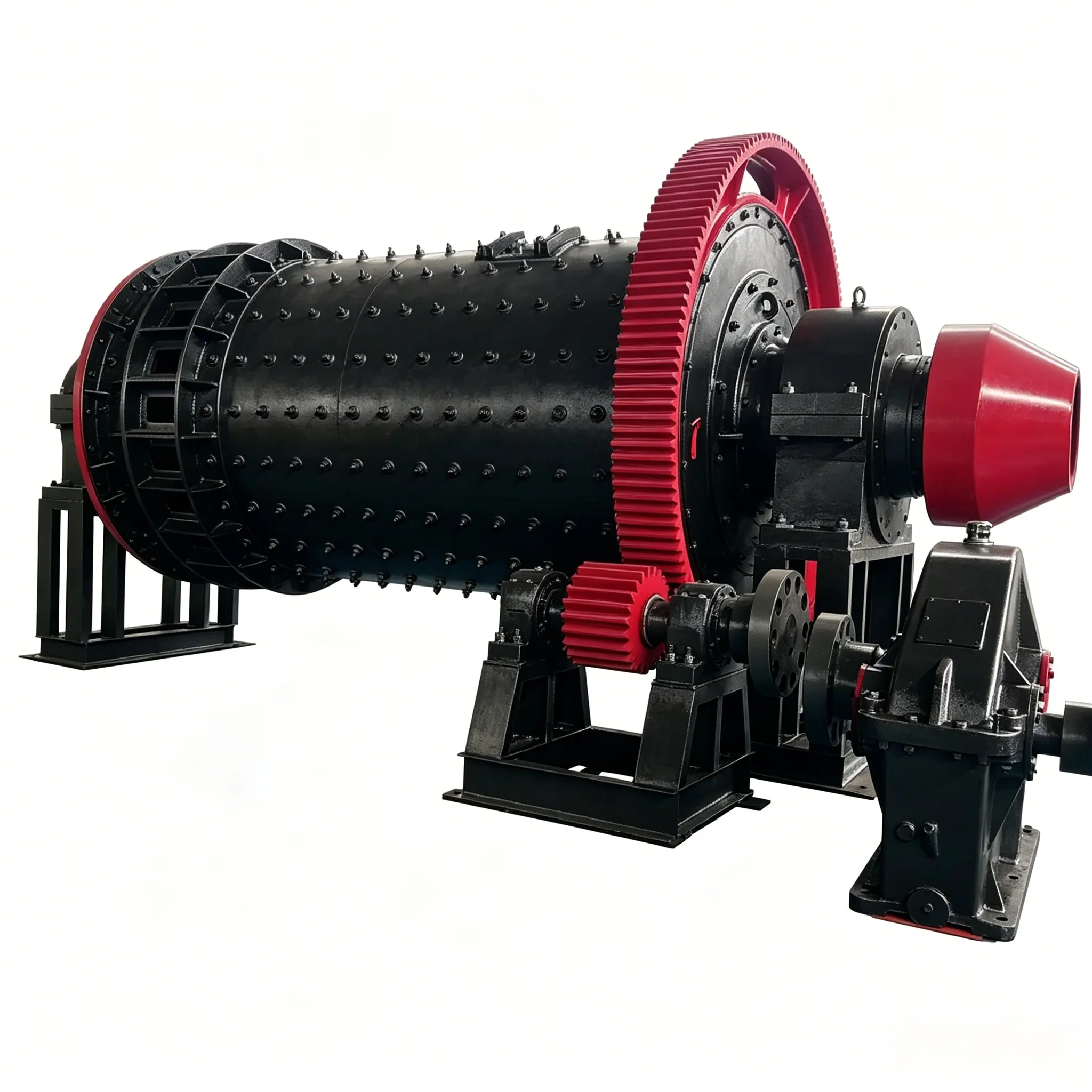
Main Drive: Utilizes a variable-frequency speed-regulated motor + hardened-gear reducer + diaphragm coupling to drive the pinion gear. Stepless speed adjustment is achieved by varying the motor frequency, accommodating different material residence times during calcination.
Auxiliary Drive: Features an independent auxiliary motor with a clutch. In the event of a main power failure or during maintenance, the auxiliary drive rotates the kiln slowly (typically 6–10 revolutions per hour) to prevent shell bending due to uneven thermal expansion during unscheduled shutdowns.
4. Sealing Devices (Patented Technology)
Kiln Inlet Seal (Feed End): Utilizes a composite lamella-type or graphite-block radial contact structure, combined with forced-air cooling of the nose ring to effectively reduce sealing surface temperatures and prevent shell burnout.
Kiln Outlet Seal (Discharge End): Employs a spring-leaf stacked flexible seal or a cylinder-pressed end-face contact type, which automatically compensates for shell deflection, ovality, and axial migration during operation. This ensures excellent sealing performance, significantly reducing air infiltration and material leakage.
5. Hydraulic Thrust Roller System
A hydraulic station drives the thrust roller, forcing uniform contact between the tire and support rollers. This system not only compensates for axial displacement caused by thermal expansion but also ensures even wear across the full width of both tires and rollers, extending the overhaul cycle. All piping is made of stainless steel to prevent corrosion and clogging.
6. Tertiary Air Device (Special Configuration for Metallurgical Kilns)
Equipped with evenly distributed air pipes and variable-frequency fans on the shell, with power supplied via slip rings. This device forces air into the kiln to optimize the combustion atmosphere by adjusting air volume, and incorporates anti-material-backflow protection.
Product Advantages & Features
High Output & Low Energy Consumption: Optimized shell deflection design combined with large-diameter roller bearings and advanced thermal process control ensures guaranteed production output while significantly reducing coal consumption.
High Reliability: The lubrication system employs PLC intelligent control, monitoring lubrication points in real time with fault alarms. The main motor uses ZSN4 series DC or variable-frequency dedicated motors, providing high starting torque suitable for heavy-load starts.
Extended Seal Service Life: Flexible sealing structures effectively accommodate thermal deformation of the shell, reducing cold air ingress and dust-laden flue gas escape, thereby prolonging the life of refractory bricks and castables.
The following data are based on industry-standard models. Actual selection can be customized according to production requirements.
Технические характеристики (м)
Φ2.8/2.5×44
Φ3.2×50
Φ4.0×60
Φ4.8×74
Φ5.5×115
Production Capacity (t/d)
300
1,000
2,500
5,000
80–100 (nickel ore)
Kiln Slope (%)
3.5
3.5
4.0
4.0
3.0
Number of Supports
3
3
3
3
4
Thrust Roller Type
Механический
Hydraulic
Hydraulic
Hydraulic
Hydraulic
Main Drive Speed (r/min)
0.445–2.22
0.36–3.57
0.41–4.07
0.35–4.0
0.2–1.2
Auxiliary Drive Speed (r/h)
4.75
6.5
8.2
8.52
6.7
Main Motor Power (kW)
55
160
315
630
315×2
Total Weight (excluding bricks, t)
177
256.5
434
854
1,675
Frequently Asked Questions (FAQ)
Q1: What should be done if the kiln shell bends during operation?
A: This is usually caused by failure to rotate the kiln at prescribed intervals (generally no longer than 15 minutes) after shutdown, or by uneven heating during baking under rain or snow. For minor bending, rotate the convex side to the top and use self-weight or localized heating for correction. If bending is severe and prevents starting, a major overhaul for alignment correction is required.
Q2: How to handle “ring formation” (coating build-up) inside the kiln?
A: Ring formation is mainly caused by high impurities in raw materials (e.g., SiO₂, dust) or improper operation (localized overheating). Treatment methods include:
Thermal cycling method: Raise the temperature at the ring location then cool rapidly, causing it to crack and fall off due to thermal stress.
Cold burning method: Create a low-temperature atmosphere during normal production to promote natural detachment.
Manual removal: Use pneumatic tools after shutdown, but care must be taken to protect the kiln coating.
Q3: What causes overheating of the roller bearing pads?
A: Common causes include: ① Misalignment of the kiln centerline causing overload on rollers; ② Excessive roller adjustment angle generating high thrust loads; ③ Blocked or leaking cooling water pipes; ④ Contaminated or degraded lubricating oil. Regular alignment checks and cleaning of the lubrication/cooling system are recommended.
Q4: How can I evaluate the sealing performance of the rotary kiln?
A: If the kiln inlet frequently operates under positive pressure with dust emission, or if flue gas leaks from the outlet seal with noticeable odors, the seal has likely failed. Inspect the wear condition of lamellas or graphite blocks at the outlet seal and adjust the compression device accordingly. Advanced flexible seals maintain good airtightness even with ±15 mm axial movement of the shell.
Q5: What causes severe vibration in the engagement between the girth gear and pinion?
A: Possible causes: ① Shell bending altering the gear backlash; ② Loose or broken spring-plate connecting bolts; ③ Formation of a step (shoulder) on the pinion. Promptly tighten bolts, grind off the shoulder, and adjust roller positions to correct the shell centerline.