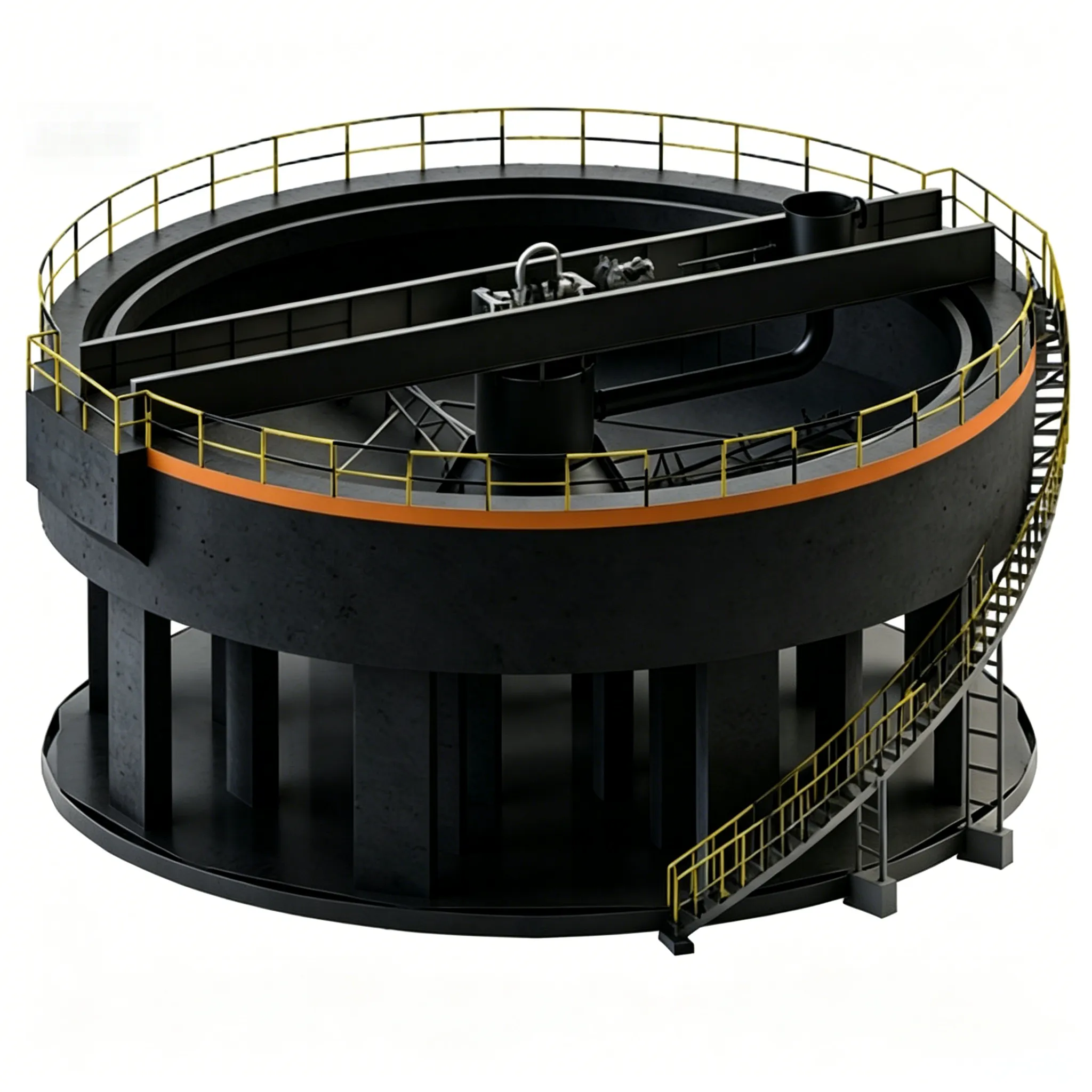
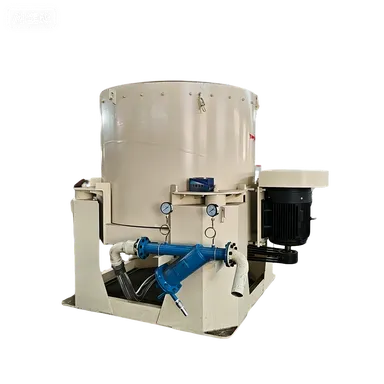
Zentralangetriebener Eindicker
Zentralangetriebene Eindicker Derzeit sind die in China hergestellten zentralangetriebenen Eindicker relativ klein…


In the field of material crushing and grinding, the Kugelmühle stands as a key piece of equipment, widely used in building materials, ceramics, chemical engineering, mining, and many other industries. Among them, the batch dry ball mill has become an ideal choice for fine grinding in many production enterprises, thanks to its unique operating mode and excellent grinding performance. This article provides a comprehensive analysis of the working principle, structural characteristics, core advantages, and selection considerations of the batch dry ball mill.
1. What is a Trockenmühle für Chargenbetrieb?
A batch dry ball mill, also known as an intermittent ball mill or ceramic ball mill, is a grinding device that operates in a dry, batch-wise mode. The term “batch” means that the equipment uses a non‑continuous production method with batch feeding and batch discharging. Material is loaded into the mill cylinder at one time, ground for a set period until the required fineness is reached, and then completely discharged all at once. The term “dry” indicates that no liquid medium (such as water) is added during grinding; the material is pulverised in a dry state.
This equipment features a simple structure, reliable operation, easy maintenance, and convenient management, ensuring long‑term stable performance. It can also be easily combined with coarse crushing equipment such as jaw crushers, hammer crushers, and edge runners to form a complete crushing and grinding system.
2. Equipment Structure and Components
The batch dry ball mill mainly consists of the following parts:
The hollow shaft is made of cast steel with replaceable liners; the large rotary gear is cast and gear‑cut; the cylinder is lined with wear‑resistant liners. Depending on the material properties and production needs, users can choose from ceramic liners, silica liners, rubber liners, or metal liners.
3. Working Principle in Detail

The batch dry ball mill is a horizontal cylindrical rotating device driven by an external gear. Its working process is as follows:
The fineness of the ground product is controlled by the grinding time – the longer the grinding, the finer the output.
4. Core Advantages of Dry Operation
Compared with wet ball milling, the batch dry ball mill offers distinct advantages in specific applications:
1. Uniform and controllable product fineness
Dry grinding yields a product with a relatively narrow particle size distribution. Users can freely control the output fineness based on material density, hardness, and throughput requirements.
2. Clean discharge with no residue
Material is carried out by flowing air, ensuring rapid and complete discharge without dead zones.
3. Temperature‑controlled grinding to preserve quality
Thanks to an air‑cooling design, the mill maintains a constant temperature during operation, preventing material property changes caused by temperature rise.
4. Energy‑saving and environmentally friendly
This equipment reduces energy consumption and benefits environmental protection. Compared with conventional ball mills of the same size, energy consumption can be lowered by 15‑20%.
5. Low investment and easy operation
The batch ball mill features low capital investment, an innovative structure, simple and safe operation, reliable performance, and stable operation.
5. Wide Application Fields
The batch dry ball mill is widely used in the following industries and materials:
This equipment is particularly suitable for small‑scale production lines with special fineness requirements or special materials.
6. Selection Guidelines and Technical Parameters
When selecting a batch dry ball mill, users should consider the following factors:
The following table provides technical parameters for common models:
| Modell | Charge Capacity (tons/batch) | Cylinder Speed (rpm) | Reference Power (kW) |
|---|---|---|---|
| 600×700 | 0.05 | 50 | 2.2 |
| 800×600 | 0.075 | 42 | 3 |
| 900×1200 | 0.2 | 38.5 | 5.5 |
| 1300×1500 | 0.5 | 33 | 7.5 |
| 1500×1800 | 1.2 | 28.5 | 11 |
| 1800×2000 | 1.5 | 24 | 15 |
| 2600×2800 | 5 | 16.5 | 37 |
| 3000×3800 | 10 | 14.5 | 57.2 |
| 3200×4600 | 15 | 13.5 | 75 |
Note: The supporting power may vary depending on the liner material and the material being ground.
7. Maintenance and Care Recommendations
To ensure long‑term stable operation of the batch dry ball mill, users are advised to follow these maintenance tips:
With its simple structure, easy operation, controllable fineness, energy efficiency, and environmental benefits, the batch dry ball mill plays a vital role in fine grinding applications across ceramics, building materials, chemicals, mining, and more. Whether it is the fine grinding of feldspar and quartz or the pulverisation of ores and refractory materials, this equipment provides reliable and stable grinding solutions. Proper selection, standardised operation, and regular maintenance will maximise grinding efficiency and service life, creating greater economic value for production enterprises.
 English English
 Spanish
 Russian
 Arabic
 Swahili
 French
 Turkish
 Portuguese
 Korean
 Japanese
 German
 Italian