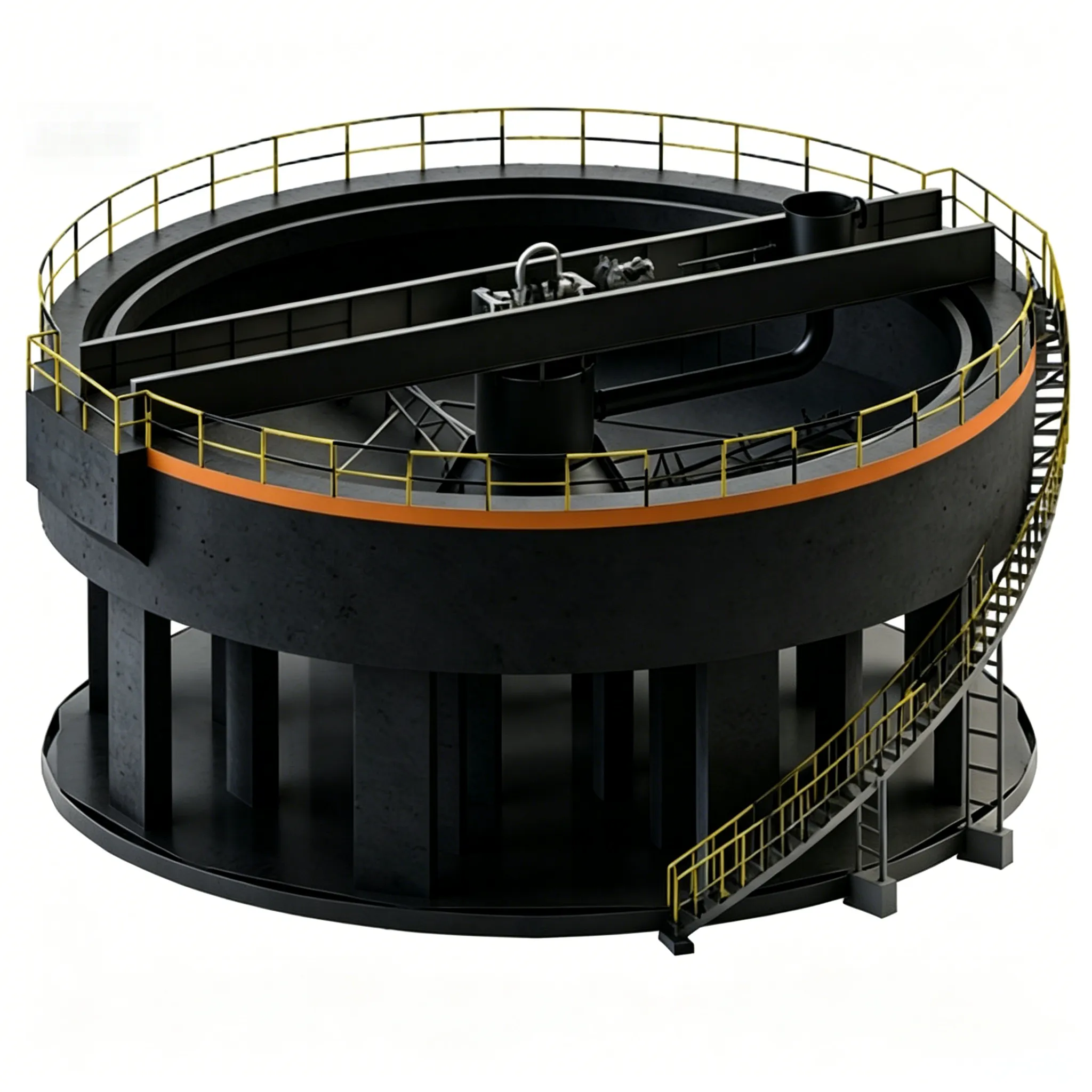
Zentralangetriebener Eindicker
Zentralangetriebene Eindicker Derzeit sind die in China hergestellten zentralangetriebenen Eindicker relativ klein…

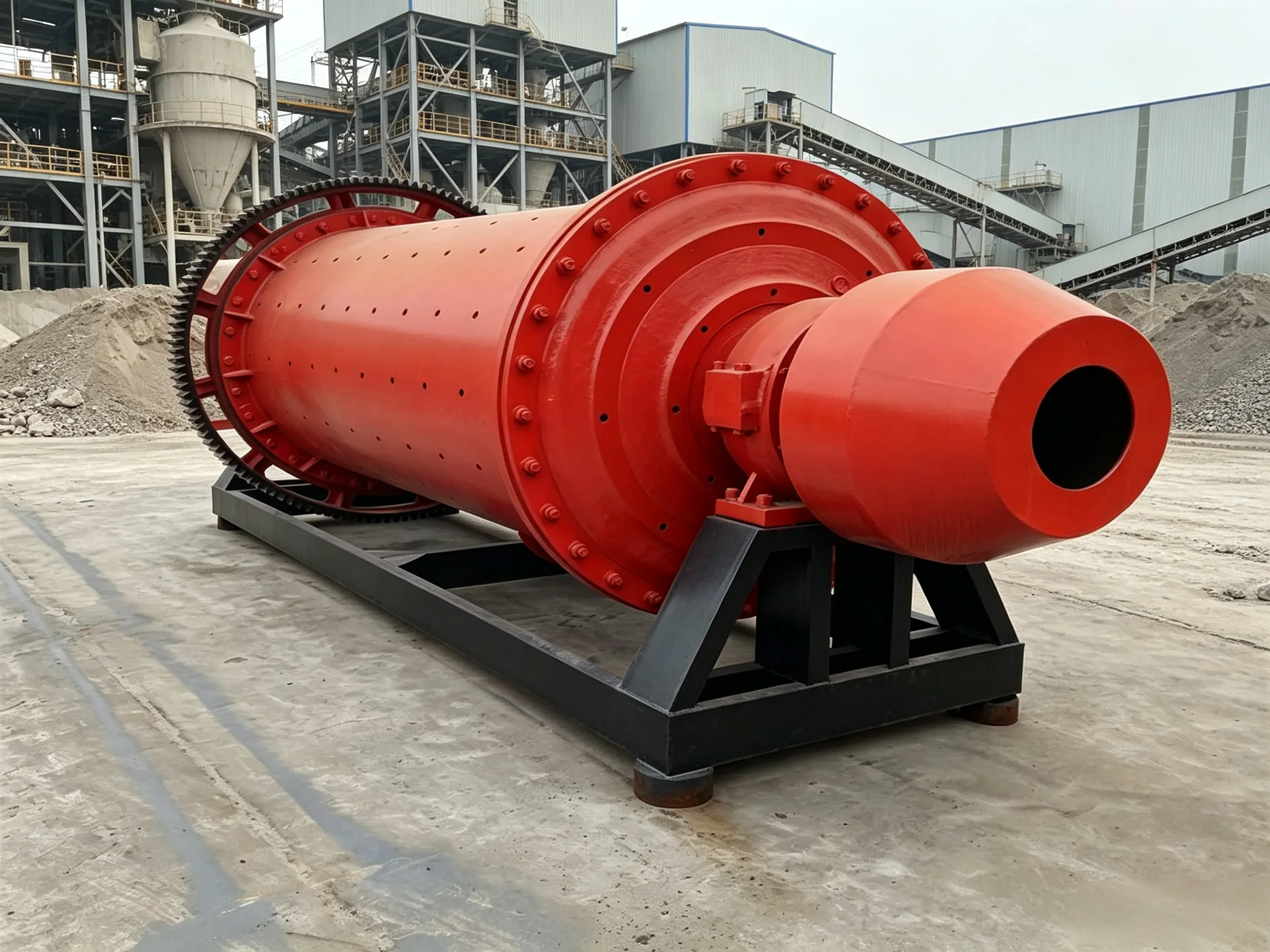
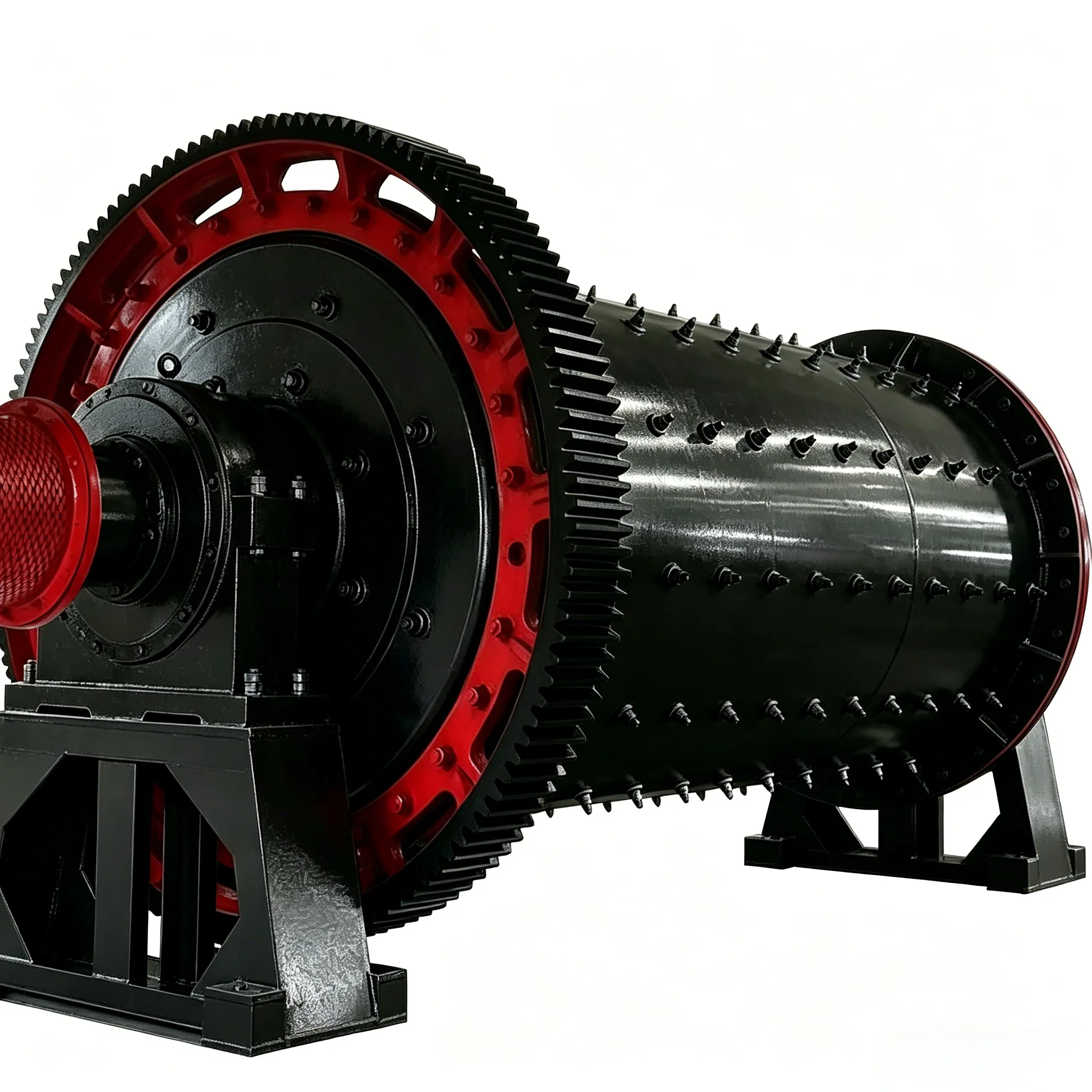
There are seven classification methods, each dividing the mill into several types.
① Conical Kugelmühle: the shell is conical in the length direction, with a length‑to‑diameter ratio less than 1; this large‑diameter mill is generally not used in the cement industry.
② Short mill, also called ball mill, with a length‑to‑diameter ratio of 1–2. The whole mill has only one compartment and is used for coarse grinding, or 2–3 units can be used in series. Short mills are usually named after the grinding media; for example, mills charged with steel balls, steel rods or pebbles are called ball mills, rod mills, or pebble mills respectively.
③ Medium‑long mill: a tube mill with a length‑to‑diameter ratio of 2–3.5, such as Φ3m×9m, Φ2.2m×6.5m, Φ1.8m×7m, Φ1.5m×5.7m and Φ1.2m×4.5m tube mills – all belong to this category. This type usually has two compartments.
④ Long mill: length‑to‑diameter ratio above 3.5, such as Φ2.2m×13m and Φ2.4m×14m mills. Such mills are generally divided into three or four compartments. The tube mills used in cement plants are mostly medium‑long and long mills.
① Dry mill: feeds dry materials and discharges dry powder.
② Wet mill: adds an appropriate amount of water during feeding and discharges slurry. It is used in wet‑process cement plants for grinding raw material slurry.
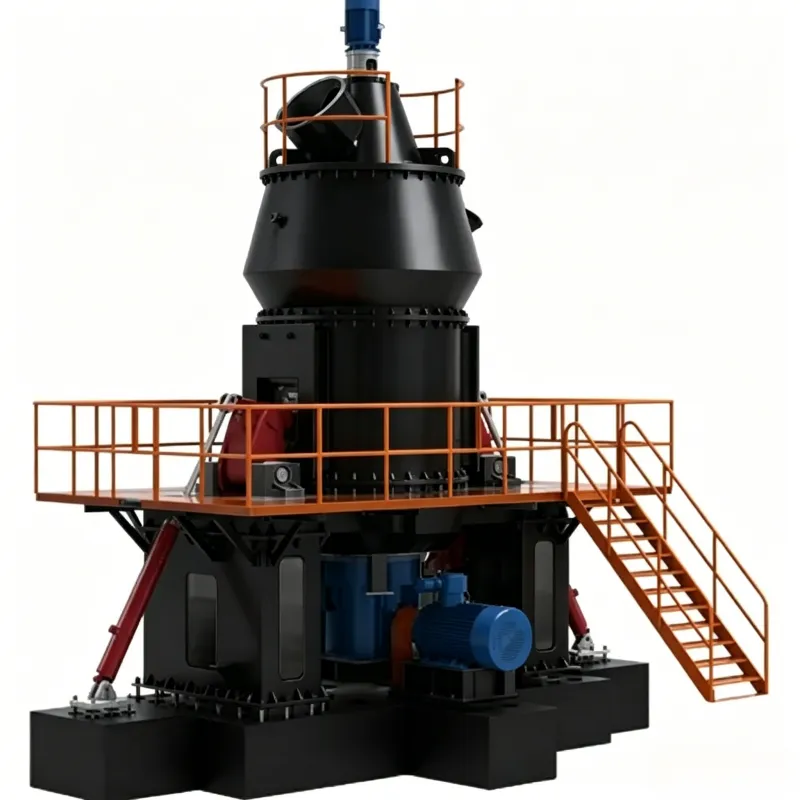
③ Drying mill: feeds moist materials and dries them with external hot air during grinding. This type includes tail‑discharge drying mills, central‑discharge drying mills, air‑swept mills and vertical mills. The drying mill combines drying and grinding, simplifies the process, utilises waste heat from exhaust gases, has low energy consumption and offers good development prospects.
① Batch mill: a mill that is emptied after each batch before grinding the next. In cement plants, this type is only used as a laboratory test mill.
② Continuous mill: continuously fed and discharged. Continuous mills can be further divided into open‑circuit mills (also called open‑flow mills) and closed‑circuit mills (also called circulating‑flow mills). Closed‑circuit mills can be further divided into single‑stage closed‑circuit and two‑stage closed‑circuit.
First approach – divides into tail‑discharge mills und central‑discharge mills.
In a tail‑discharge mill, material is fed from the head end and discharged from the tail end; in a central‑discharge mill, material is fed from both ends and discharged from the middle. The central‑discharge mill is equivalent to two mills operating in parallel, with the advantages of compact equipment and a simplified process.
Second approach – divides into central‑discharge type und peripheral‑discharge type. The former can be further divided into those with a discharge grate and those without.
① Central drive mill: the motor (via a reducer) drives the hollow shaft at the discharge end to rotate the mill body. The output shaft centreline of the reducer coincides with the centreline of the mill. This type includes central single‑drive and central double‑drive. Double drive is used when the mill requires larger power.
② Peripheral drive mill: the motor, through a reducer, drives a large gear fixed on the discharge end of the shell to rotate the shell. In small cement plants, the Φ2.2m×6.5m and Φ1.8m×7m mills belong to this type. This type can be further divided into V‑belt peripheral drive, low‑speed motor peripheral drive (without reducer) and high‑speed motor peripheral drive (with reducer). The latter two can also be divided into single peripheral drive and double peripheral drive.
③ Gearless mill: a mill with a new development in transmission. The rotor of a large low‑frequency motor is directly connected to the mill shell, with no reducer between motor and shell.
④ Friction drive mill.
① Kugelmühle: only one compartment, charged with steel balls. Although a closed‑circuit mill may have several compartments, all are filled with steel balls.
② Stabmühle: only one compartment, charged with steel rods.
③ Ball‑cylpebs mill: a two‑compartment mill with steel cylpebs in the last compartment and steel balls in the front compartment.
④ Rod‑ball mill: first compartment charged with steel rods, the remaining compartments with steel balls (some also have steel cylpebs in the last compartment).
⑤ Rod‑cylpebs mill: a two‑compartment mill with steel rods in the first compartment and steel cylpebs in the second.
⑥ Small‑media mill: a mill charged with small‑sized grinding media. The Combidan mill developed by F.L. Smidth of Denmark is of this type, containing steel cylpebs of φ4–φ16 mm. This mill is used as a secondary mill and can produce cement with a high specific surface area, offering significant economic benefits. The high‑fineness mill developed by Hefei Cement Research and Design Institute in China also belongs to this category.
⑦ Kieselmühle: uses pebbles, cobblestones, porcelain balls, etc. as grinding media, and granite or porcelain as liners.
⑧ Autogene Mühle: also called a media‑less mill, uses the material itself as grinding media for grinding.
⑨ Semi‑autogenous mill: a mill charged with only a small amount of ball media.
 English English
 Spanish
 Russian
 Arabic
 Swahili
 French
 Turkish
 Portuguese
 Korean
 Japanese
 German
 Italian