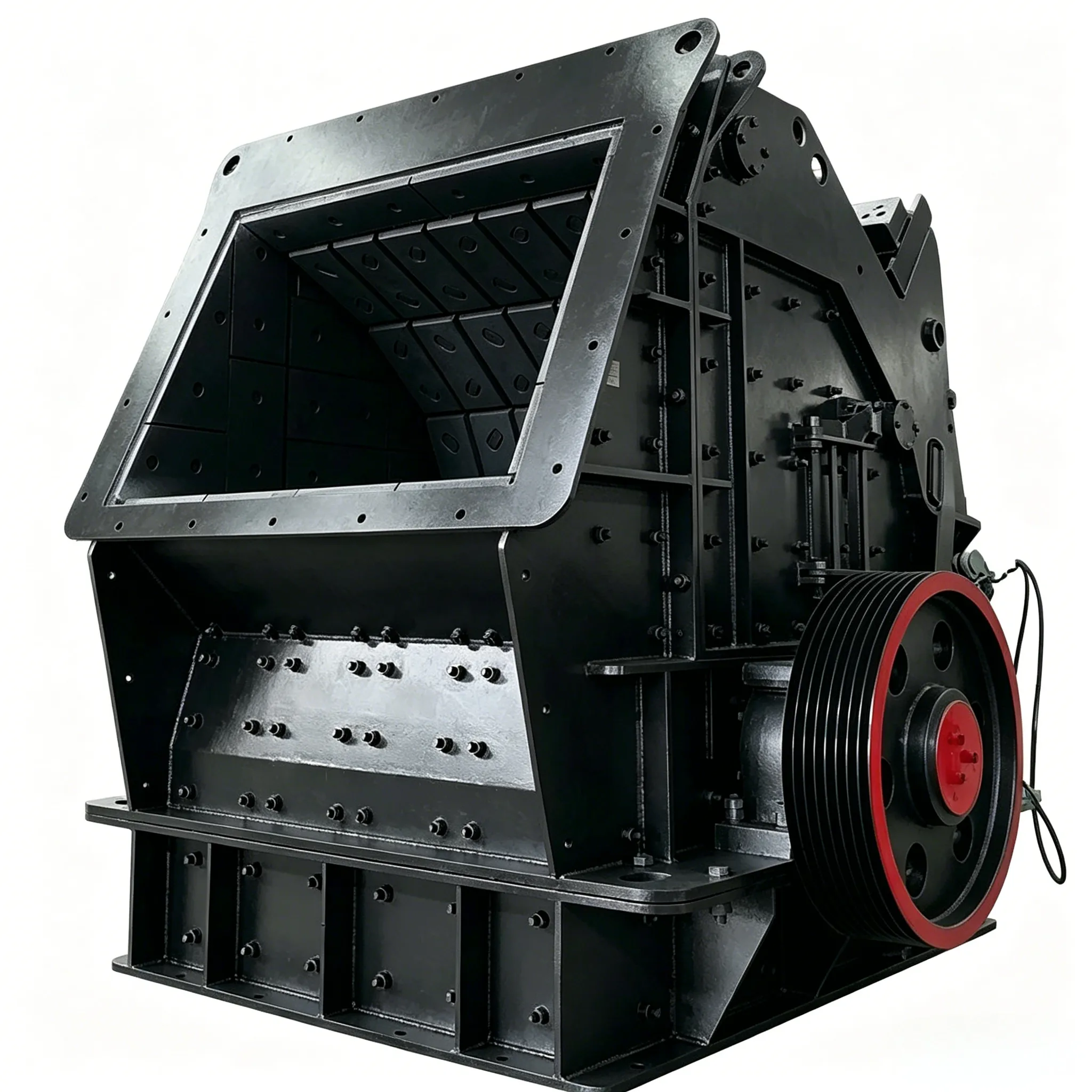
Trituradora de impacto
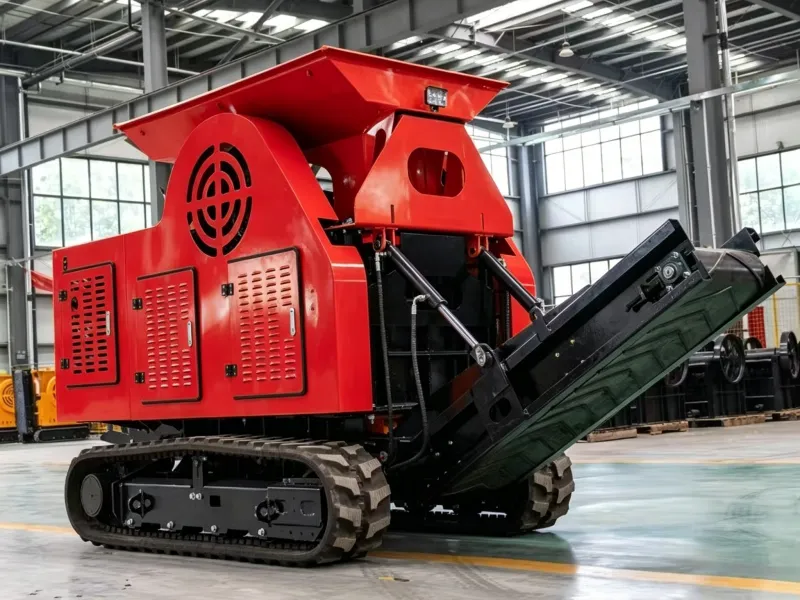
Types of impact crushers Impact crusher is a device that uses impact…


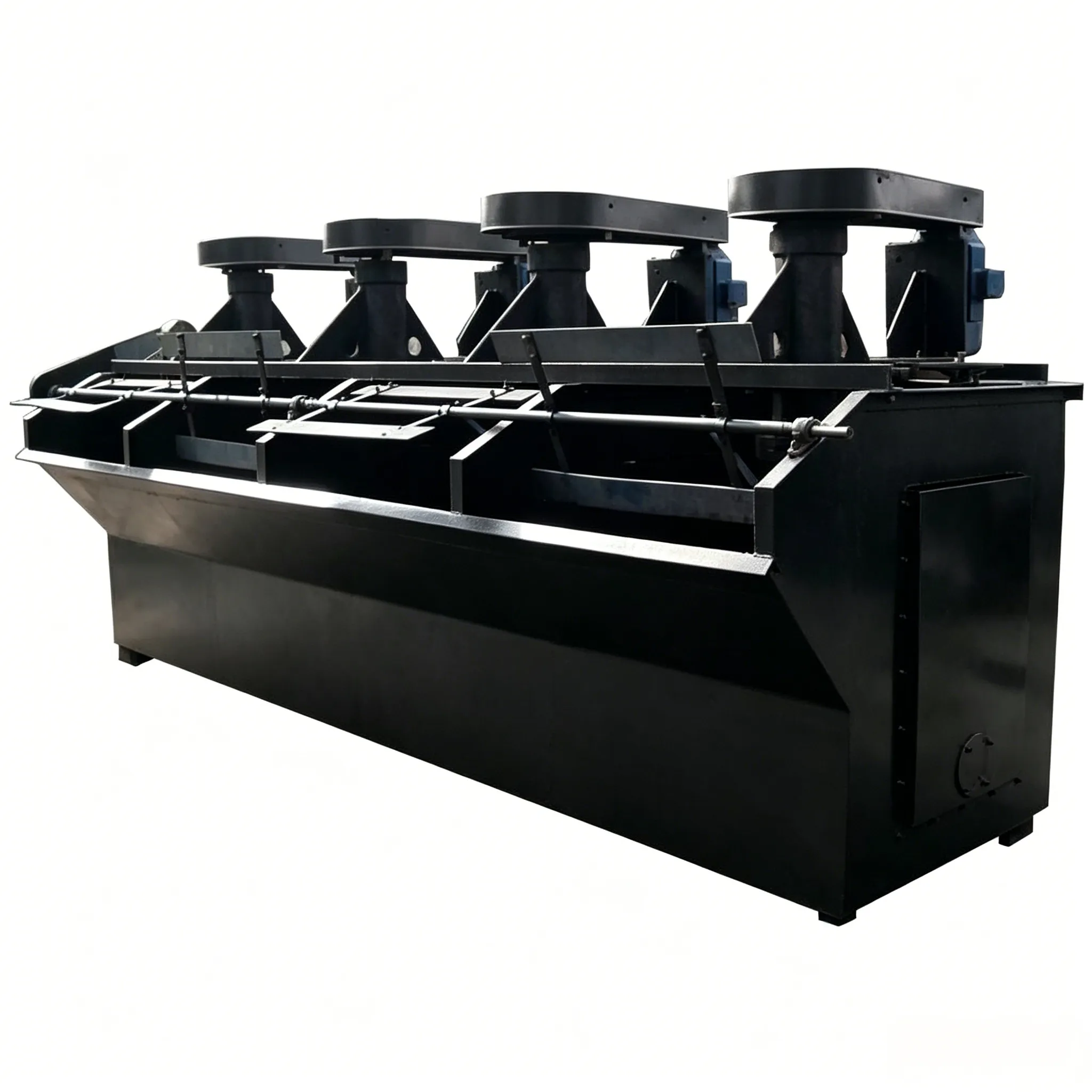
A flotation cycle generally includes roughing, cleaning, and scavenging. Roughing is usually done once, but in some cases more than twice. The number of cleaning and scavenging operations depends mainly on factors such as ore grade, the floatability of valuable minerals and gangue minerals, the requirements for concentrate, and the value of the concentrate.
When the ore grade is low, the floatability of valuable minerals is good, and the requirements for concentrate quality are high, the number of cleaning operations should be increased. For example, when processing low-grade molybdenite, the number of cleaning operations can be as high as 6-8 times.
When the ore grade is high, the floatability of minerals is poor, and the requirements for concentrate quality are not very high, scavenging should be strengthened to ensure sufficient recovery; cleaning operations should be reduced, or even eliminated.
If the floatability of valuable minerals and gangue minerals differs greatly, and the gangue minerals are practically non-floatable, the number of cleaning operations can be reduced. The flotation recovery of malachite at pH 6.3 also showed this correlation with the mass fraction of hydroxyl complexes on the mineral surface.