
Tamaño del pienso: ≤30 mm
Salida del producto: 3–16 t/h
Finura del polvo: 400–2500 mesh
Materiales aplicables: limestone, calcite, marble, dolomite, pyrophyllite, barite, wollastonite, phosphate rock, gypsum, manganese ore, talc, fluorite, mica, graphite, slag, granulated blast furnace slag, steel slag, pulverized coal, silica fume, bentonite, kaolin, barium sulfate, heavy calcium carbonate, etc.
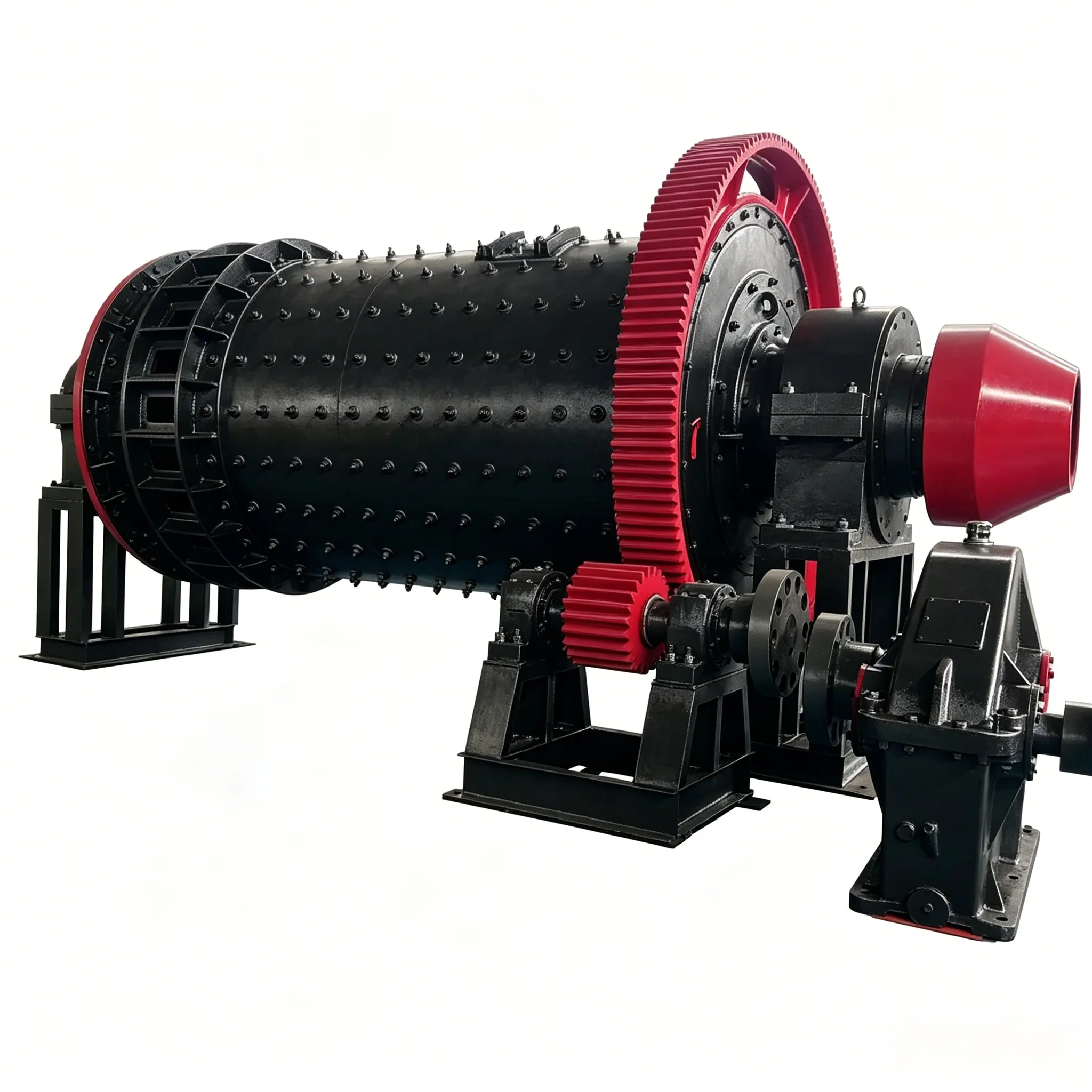
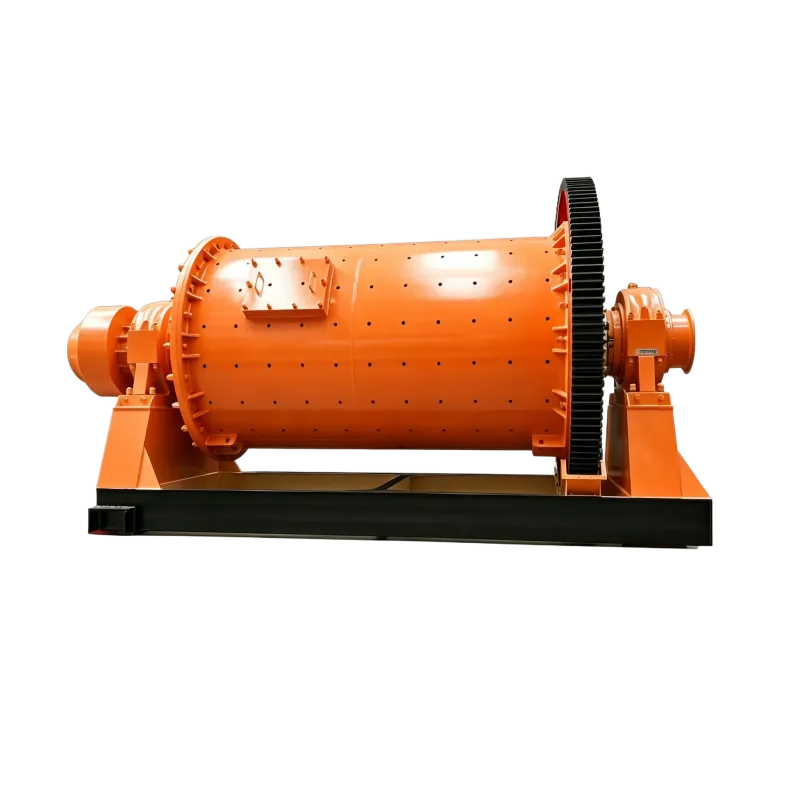
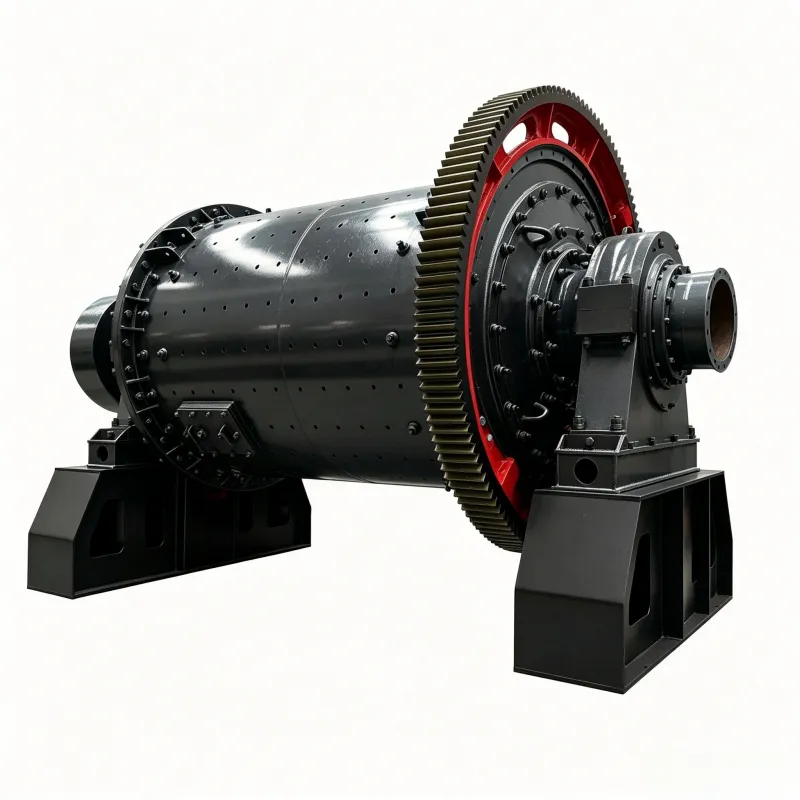
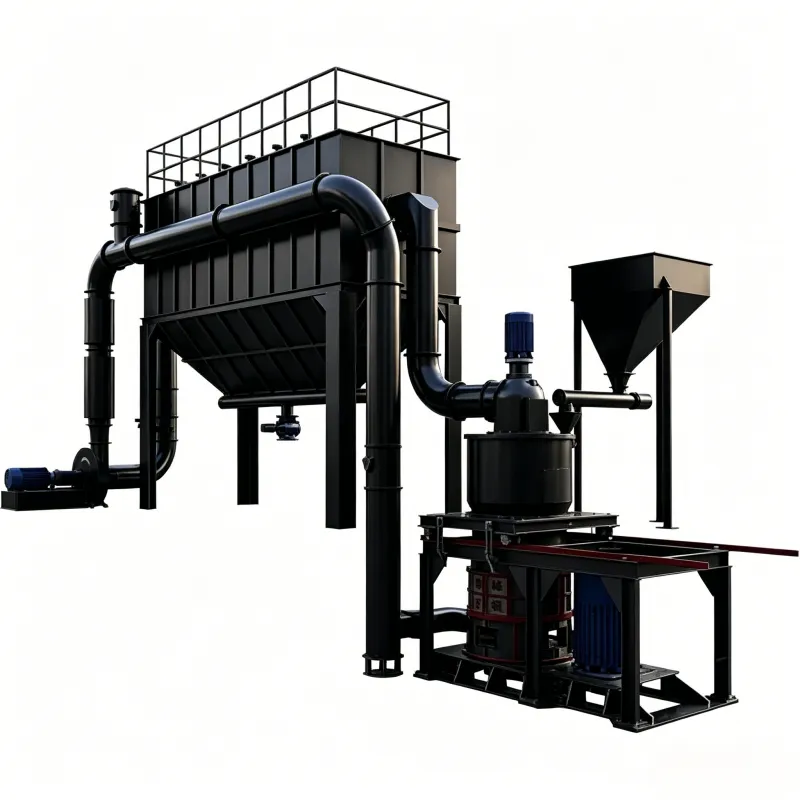
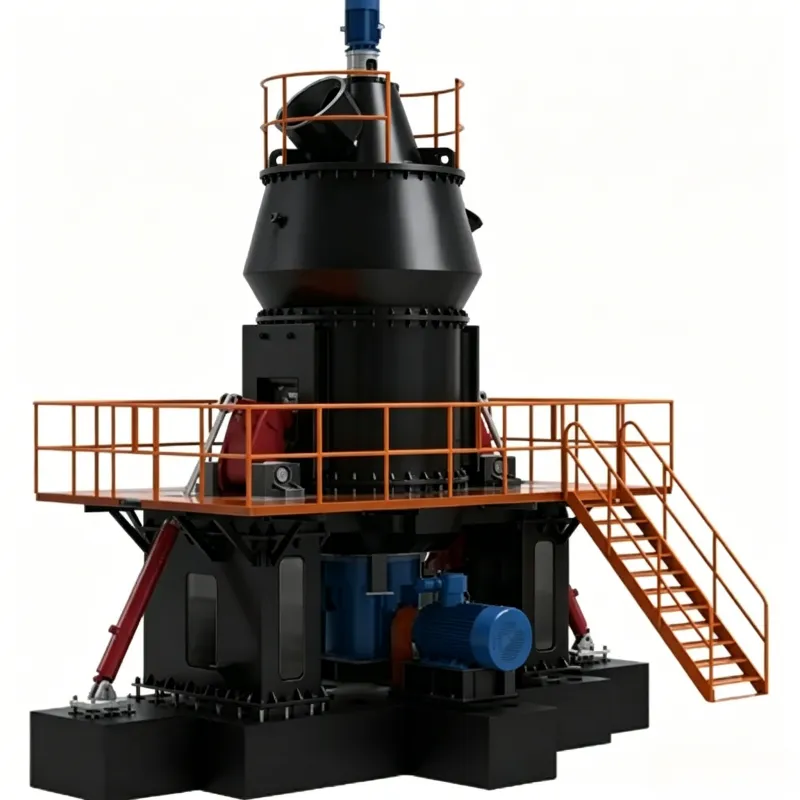
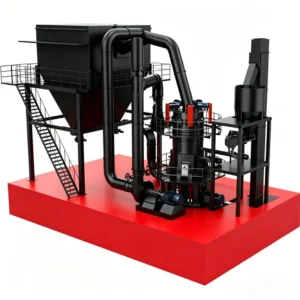
The KXLM Ultrafine Vertical Roller Mill is a high-precision equipment developed by KENEX Mining Machinery based on the traditional vertical mill, upgraded for the high-end powder processing field. It solves the problems of high energy consumption in ball mills and jet mills, low output in ring roller mills, and insufficient fineness in Raymond mills, providing a solution for large-scale industrial production of ultrafine powder. Equipped with a high-precision turbo classifier and an even higher-precision secondary classification system, the equipment achieves precise control of particle size, stably producing ultrafine powder with a narrow particle size distribution and high purity in the range of 400–2500 mesh (D97 < 2500 mesh, content of particles < 2 μm > 70%). It is widely used in high-end industries such as coatings, plastics, papermaking, inks, and new electronic materials.
| Parámetro | Ultrafine VRM | Molino de rodillos de anillo ultrafino | Molino de chorro | Molino de bolas | Molino Raymond |
|---|---|---|---|---|---|
| Fineness | D97 < 2500 mesh Particles < 2 μm, content > 70% | D97 < 2500 mesh Particles < 2 μm, content ≤ 30% | D97 < 2500 mesh Particles < 2 μm, content < 50% | D97 < 325 mesh Particles < 2 μm, content < 10% | D97 < 325 mesh Particles < 2 μm, content < 10% |
| Characteristics | Roller mill design; rollers do not contact the grinding table; low vibration; no contamination of the finished product; high whiteness; saves ~30% energy compared to other mills; suitable for large-scale, high-output ultrafine powder processing | High-speed rotating disk drives rollers; <2 μm content ≤30%, difficult to achieve higher content; suitable for small to medium-scale ultrafine powder processing | Can produce products with specific surface area <30,000 cm² at different size fractions; electricity consumption several times higher than other mills; suitable for high-value-added, low-throughput ultrafine powder processing | High noise; energy consumption ~60% higher than other mills; high iron content in product; when producing ultrafine powder ≥325 mesh, process complexity and investment cost increase significantly | Preferred equipment for medium-fine powder processing; can be equipped with ultrafine classifier to reach 600 mesh; low investment cost; but cannot meet higher fineness requirements |
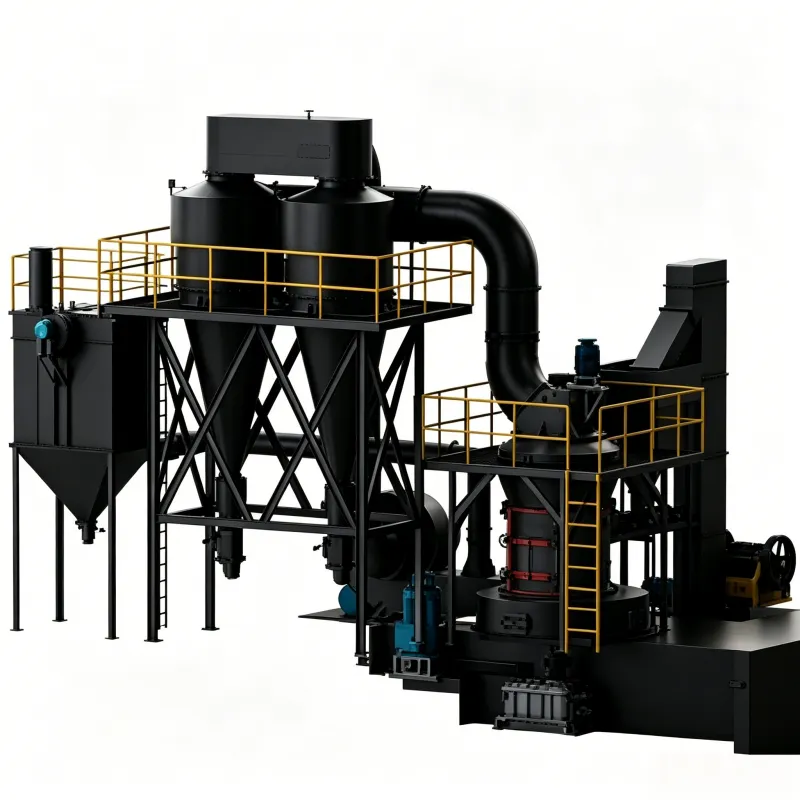
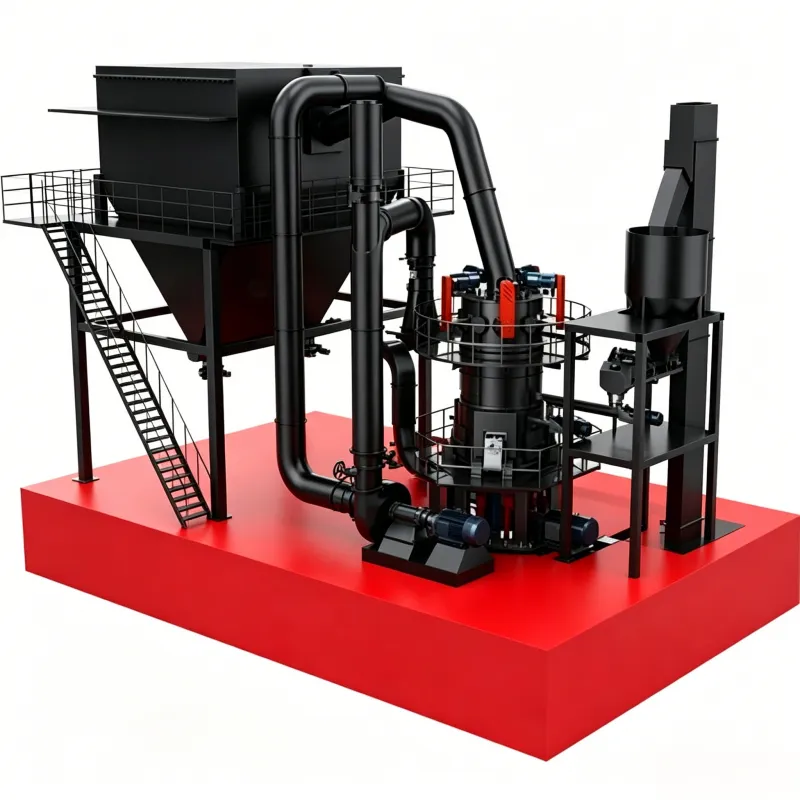
Raw Material → Ultrafine Vertical Mill → Material Bed Grinding → Simultaneous Drying → Precision Classification (Dynamic + Static) → Dust Collector → Finished Product Packaging
Raw material meeting the feed requirements (particle size ≤30 mm, moisture ≤15%) is continuously and evenly fed into the ultrafine vertical mill by an airlock feeder. The material is then driven by the high-speed rotating grinding table toward the edge of the table. Large pieces are first broken up by the scraper blade before entering the grinding zone between the grinding rollers and the grinding table. Under the stable pressure provided by the hydraulic system, the material layer (material bed) undergoes repeated compression and shearing, achieving uniform grinding and ultrafine comminution.
As the material is crushed, its specific surface area increases dramatically. Hot air introduced from the bottom of the mill passes through the material layer, allowing thorough and efficient heat exchange between the material and the hot air. Moisture is instantly evaporated, enabling simultaneous grinding and drying.
The dried ultrafine powder is then carried by the rising airflow to the turbo classifier at the top. The turbo classification system features a combined dynamic and static design: fixed guide vanes (stator) create a stable flow field, while the impeller (rotor) generates a precisely controllable centrifugal force field through stepless speed adjustment, achieving high-precision classification of the powder.
Qualified ultrafine powder that meets the fineness requirement passes through the impeller gaps with the airflow and is collected. Unqualified coarse particles fall back onto the grinding table by gravity for regrinding, forming an internal circulation cycle.
(When processing ultrafine powder exceeding 1500 mesh, a secondary classification system is required.)
A multi-stage dust collection system is used: a cyclone collector serves as the primary collection stage, and an electrostatic precipitator or bag filter serves as the secondary collection stage. The finished powder is collected, and the purified gas is discharged by the induced draft fan.
| Fineness (mesh) | Output (t/h) | Particle Size Distribution D97 (μm) | Specific Surface Area (cm²/g) | System Power (kW) |
|---|---|---|---|---|
| 400 | 10–12 | 45±1 | 6500 ±1000 | 560–600 (main unit + fan + classifier + auxiliary equipment) |
| 600 | 7.5–8.0 | 25±1 | 10000 ±1000 | |
| 800 | 6.5–7.0 | 20±1 | 12500 ±1000 | |
| 1000 | 5.0–5.5 | 13±1 | 14000 ±1000 | |
| 1250 | 3.8–4.3 | 10±1 | 16000 ±1000 |
Raw material requirements: Calcite or marble, Mohs hardness ≤3, feed size ≤10 mm
Nota: The above data are for reference only. Actual parameters vary depending on the material. Please contact us for a professional customized solution.
| Fineness (mesh) | Output (t/h) | Particle Size Distribution D97 (μm) | Specific Surface Area (cm²/g) | System Power (kW) |
|---|---|---|---|---|
| 400 | 15–16 | 45±1 | 6500 ±1000 | 700–750 (main unit + fan + classifier + auxiliary equipment) |
| 600 | 11–12 | 25±1 | 10000 ±1000 | |
| 800 | 9.0–10 | 20±1 | 12500 ±1000 | |
| 1000 | 7.5–8.0 | 13±1 | 14000 ±1000 | |
| 1250 | 6.0–6.5 | 10±1 | 16000 ±1000 |
Raw material requirements: Calcite or marble, Mohs hardness ≤3, feed size ≤10 mm
Nota: The above data are for reference only. Actual parameters vary depending on the material. Please contact us for a professional customized solution.
Optimize grinding pressure and system airflow to maintain a stable material bed for crushing, and use a high-purity heat source to prevent thermal contamination. For system configuration, install a powder iron remover and a membrane filter bag dust collector to remove metallic impurities and prevent secondary contamination, thereby ensuring high purity of the final powder. When necessary, a secondary classification system can be added for ultimate purification.