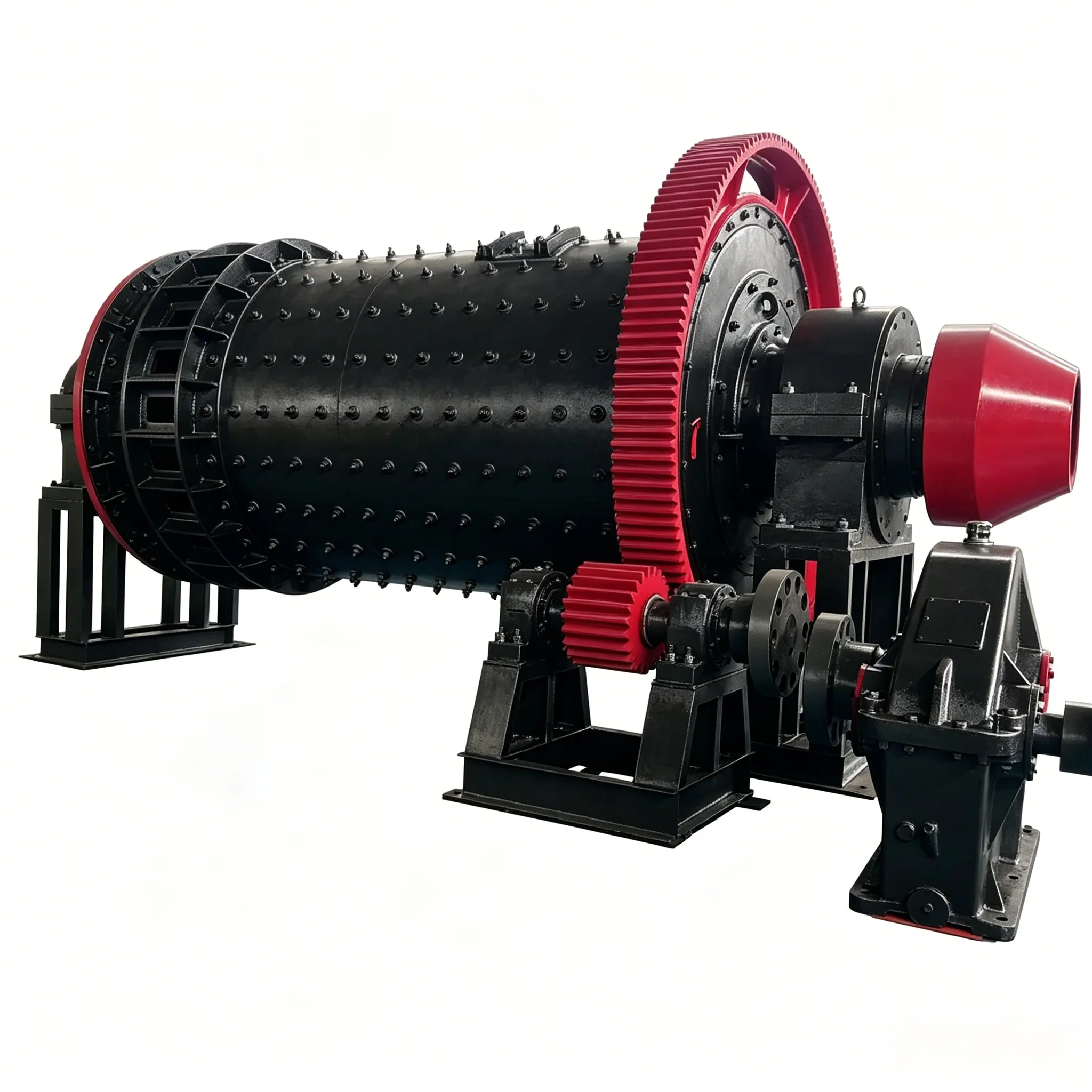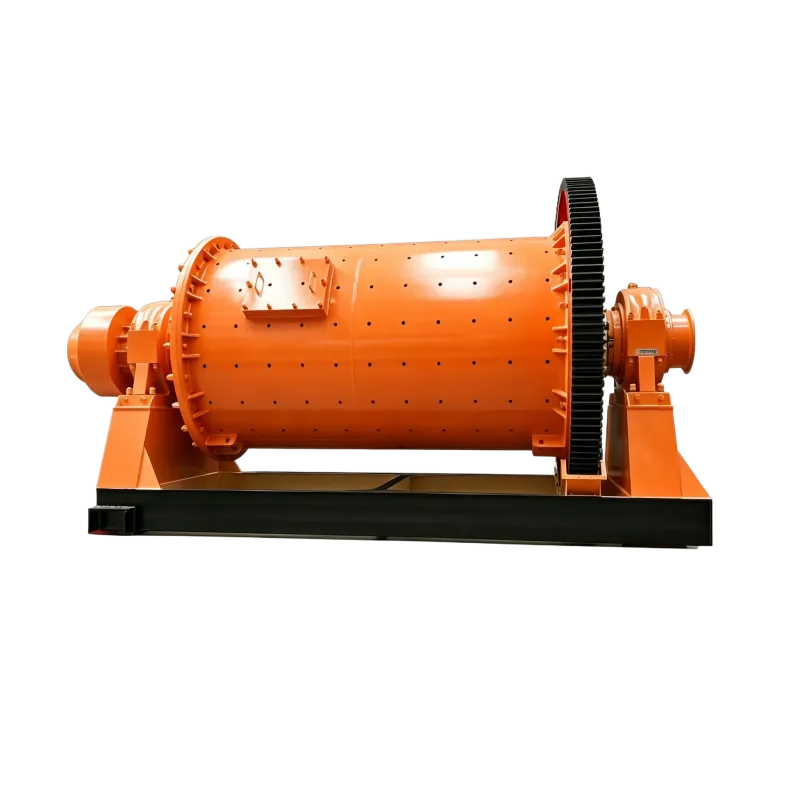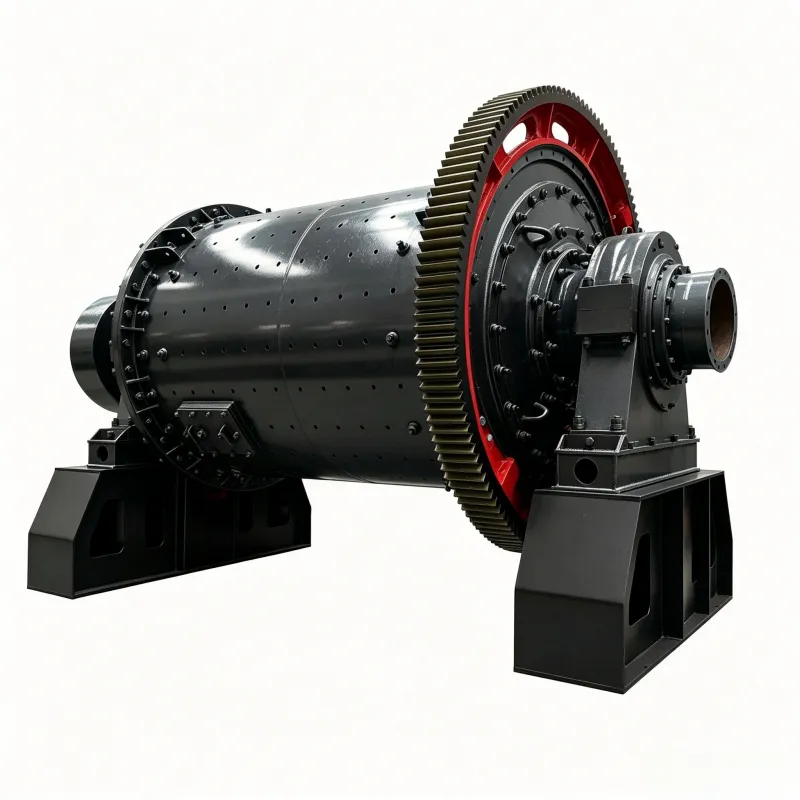

Tamaño del pienso: ≤30 mm
Salida del producto: 1–20 t/h
Finura del polvo: 80-400 malla
Material aplicable: silicon carbide (SiC)
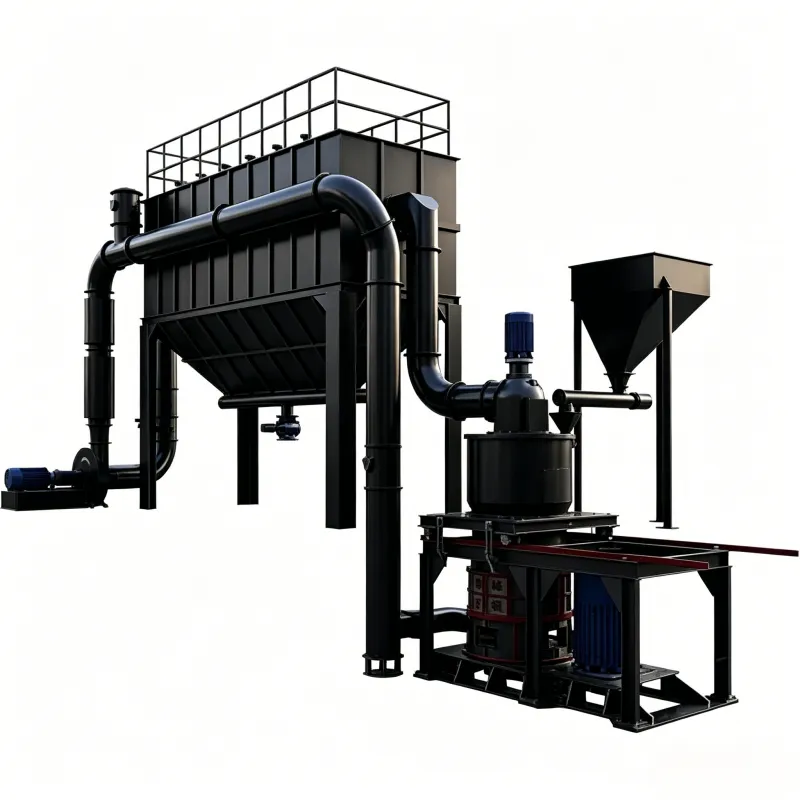
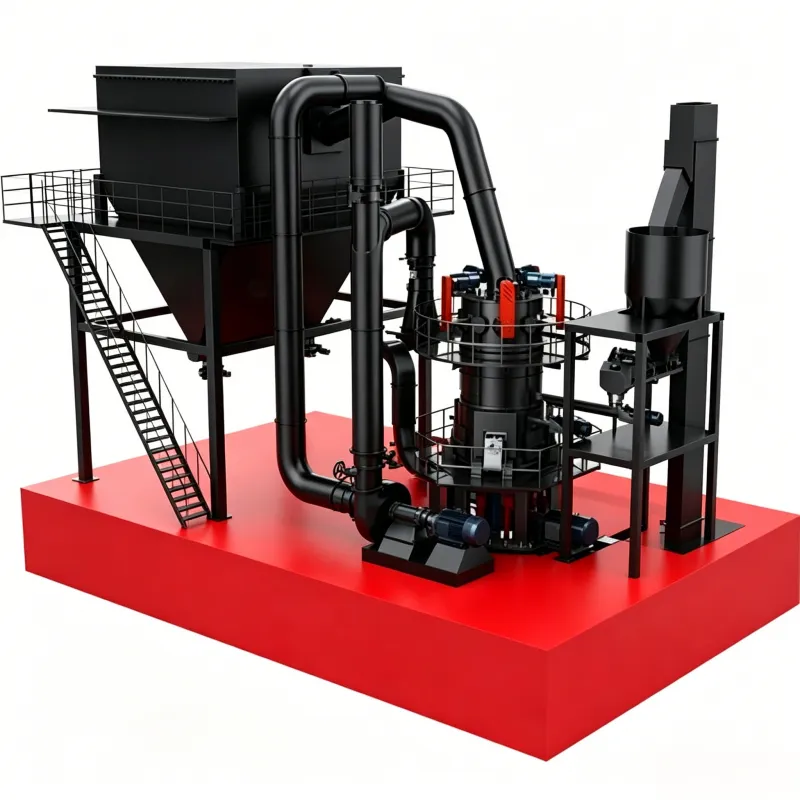
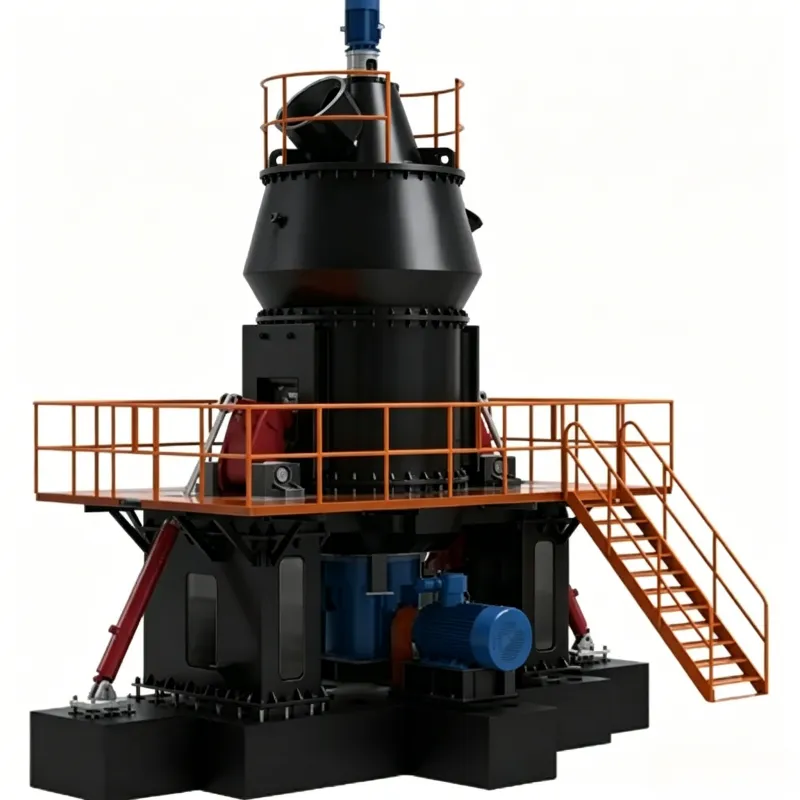
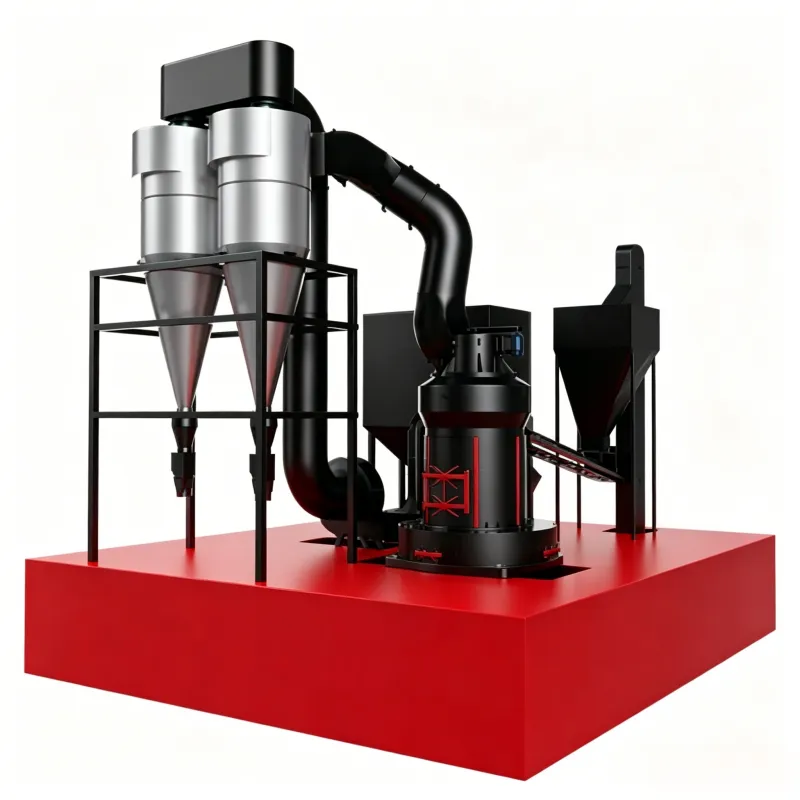
Silicon carbide has extremely high hardness (Mohs hardness 9.2–9.5) and strong wear resistance, and the finished silicon carbide powder has strict purity requirements. Ordinary grinding rollers and rings lack sufficient wear resistance, leading to high wear rates and metal contamination that affects purity. To overcome the challenges of silicon carbide processing, Kenex Mining Machinery, drawing on over 40 years of powder processing experience, has developed the KX Silicon Carbide Grinding Mill based on the Raymond mill. The core grinding components are made of specially selected high-wear-resistant materials such as high-chromium alloy, wear-resistant ceramic, and cemented carbide, breaking through the hardness limit (≤7) of traditional Raymond mills. Combined with a high-intensity magnetic iron remover, it enables large-scale production of high-purity silicon carbide powder.
| Attribute | High-Chromium Alloy | Wear-Resistant Ceramic | Cemented Carbide |
|---|---|---|---|
| Core Advantage | Excellent wear resistance, good toughness, impact-resistant | Extremely high wear resistance, no metal contamination | Highly wear-resistant, strong high-pressure resistance |
| Wear Life | 5–8 times that of ordinary steel | 3–5 times that of high-chromium alloy | 5–10 times that of high-chromium alloy |
| Maintenance & Processing | Easy to process, repairable | Non-repairable, must be replaced if damaged | Extremely difficult to repair, usually replaced directly |
| Main Applications | Core grinding components such as rollers and rings | Duct liners, classifier blades, etc. | Blades such as shovel blades and scrapers |
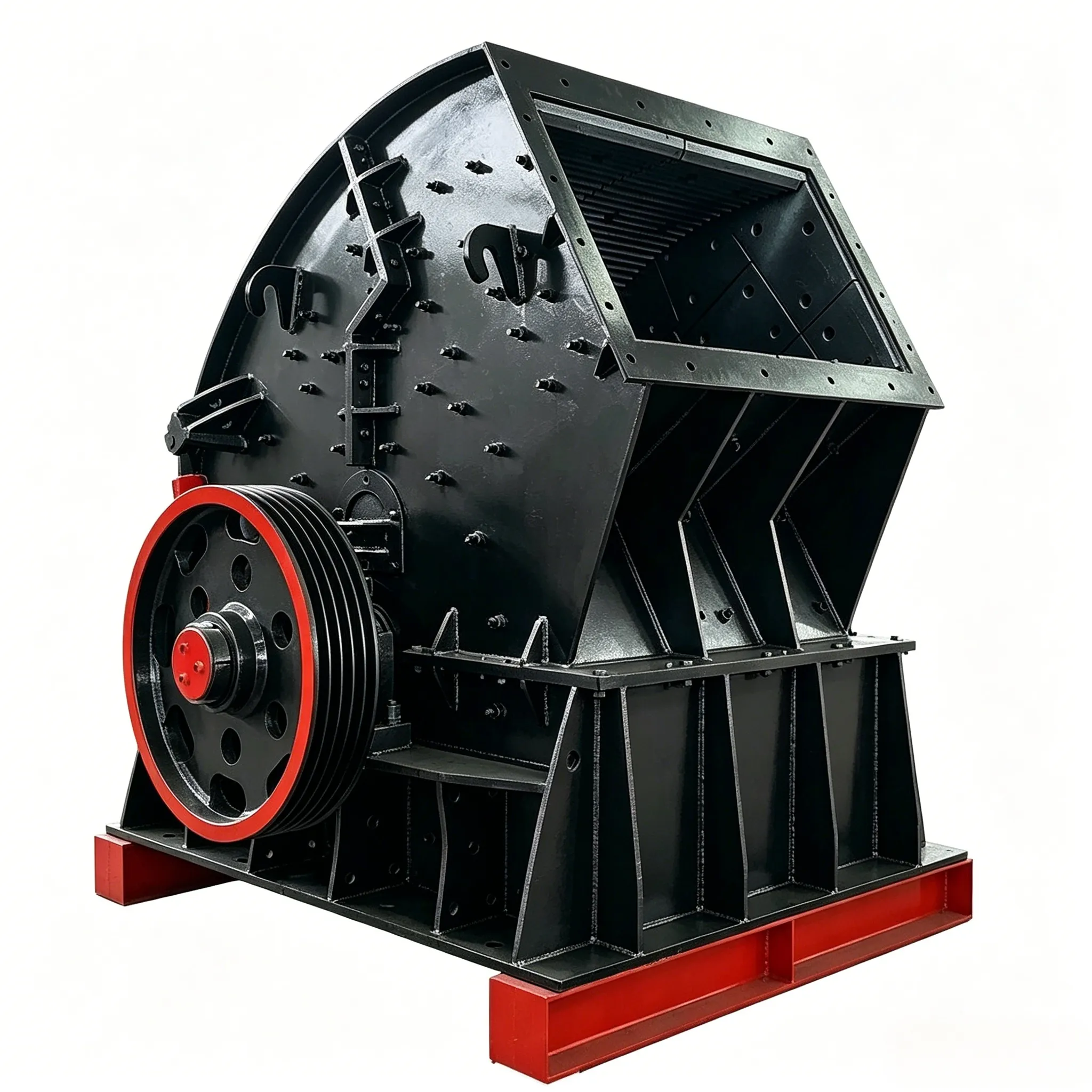
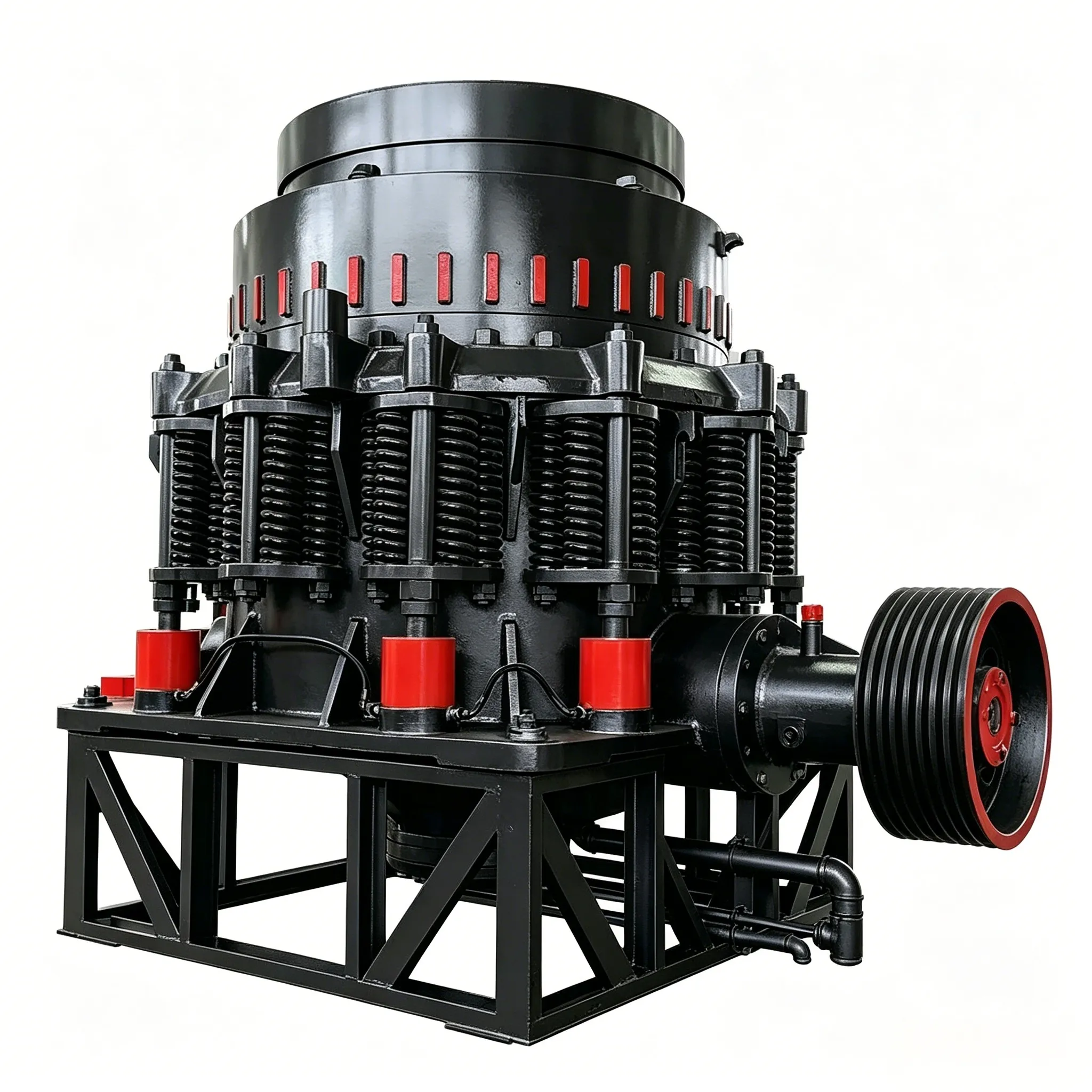
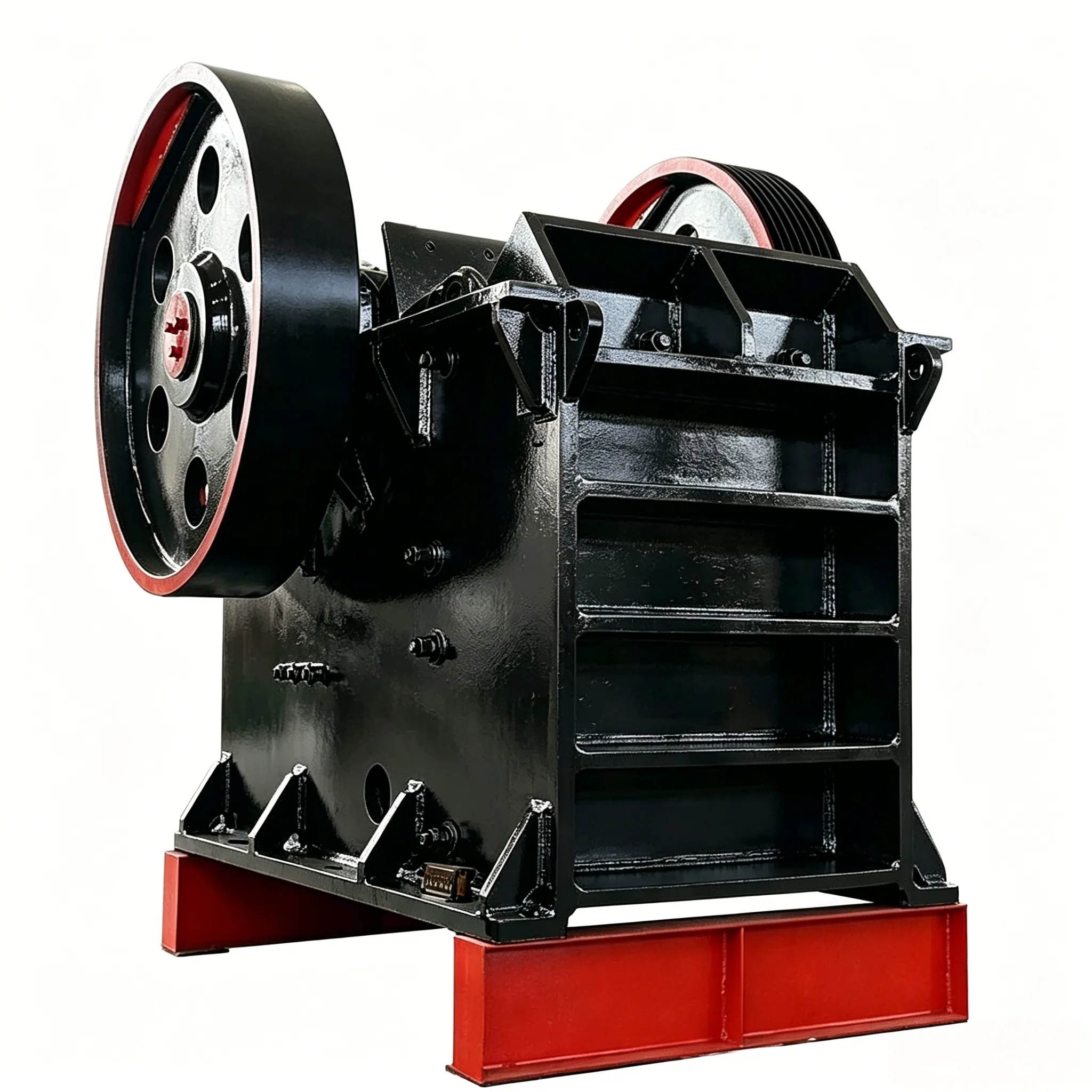
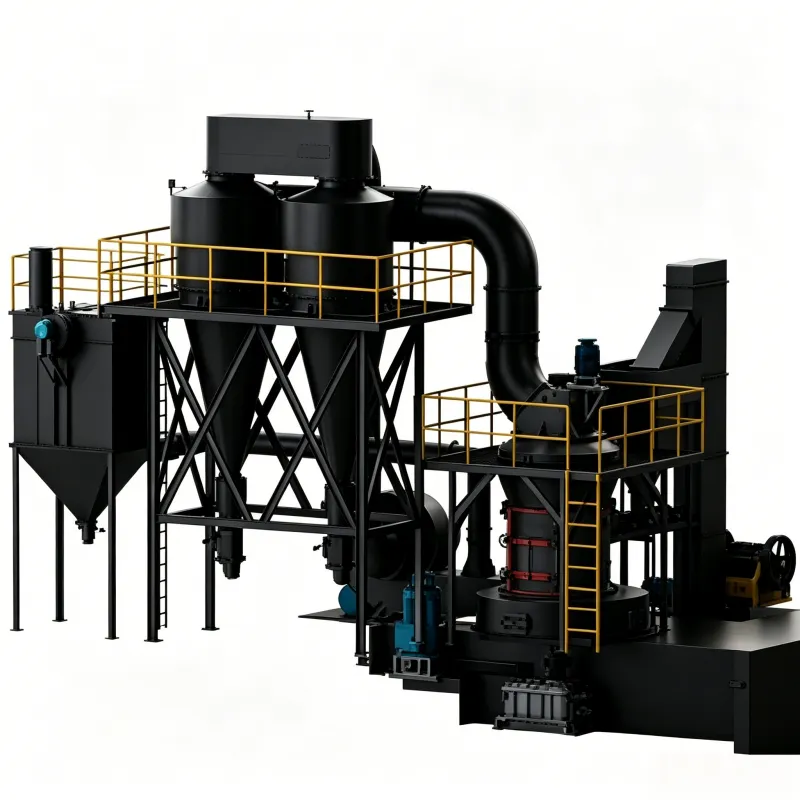
Silicon Carbide → Crusher → Vibrating Screen → High-Intensity Magnetic Iron Remover → SiC Grinding Mill → Cyclone Collector → Pulse Jet Bag Filter → Finished Product Packaging
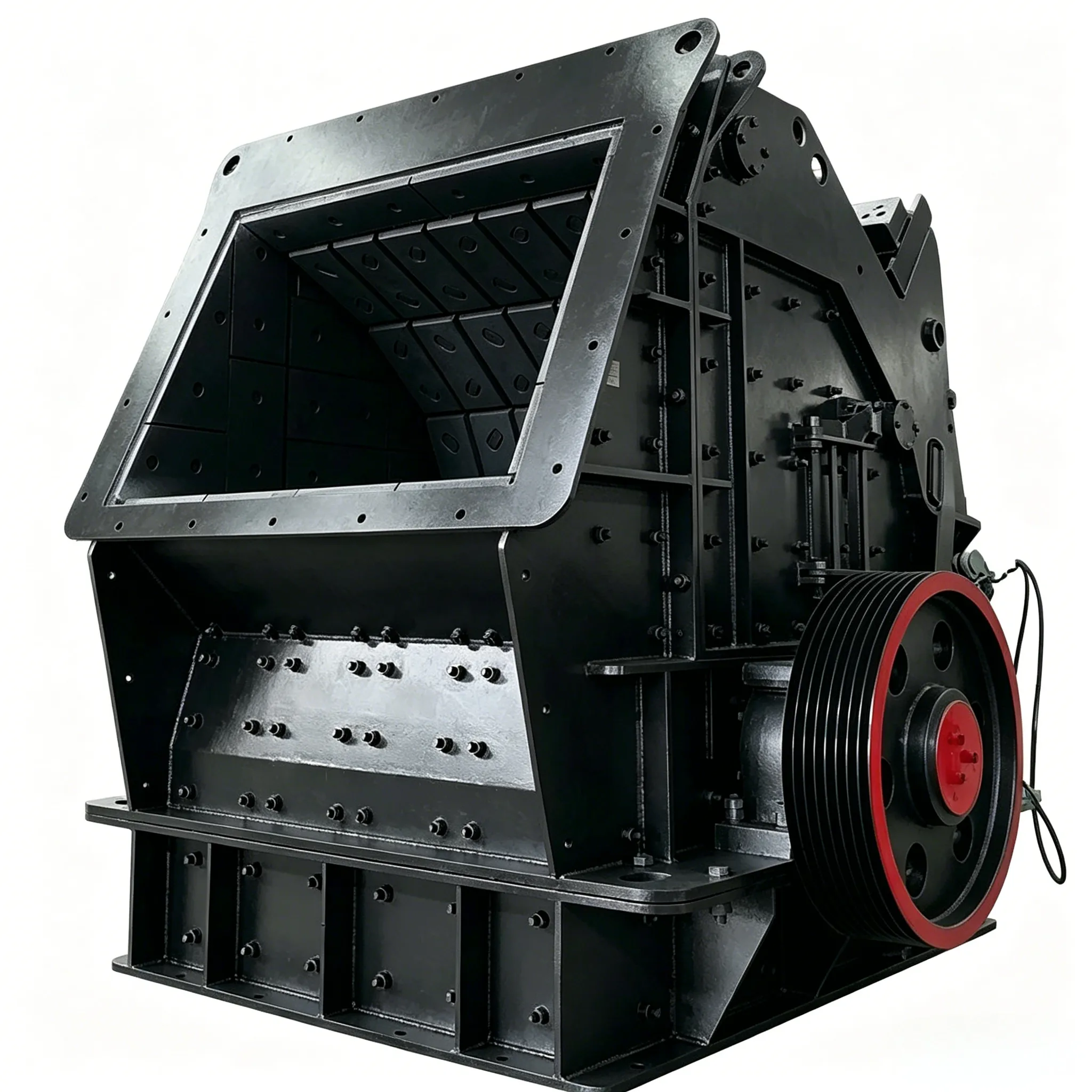
The silicon carbide raw material is first crushed by a crusher to ≤30 mm, then screened by a vibrating screen. After screening, it passes through a high-intensity magnetic iron remover for magnetic separation to remove impurities, protecting downstream equipment and grinding components, and ensuring that the finished silicon carbide powder meets purity requirements.
The silicon carbide material after iron removal is fed by a bucket elevator into a storage hopper, and then sent by an electromagnetic vibrating feeder into the GK Silicon Carbide Grinding Mill for grinding and crushing. By adjusting the classifier speed, the finished product fineness is precisely controlled. Unqualified coarse silicon carbide powder is returned for regrinding, while qualified fine silicon carbide powder enters the collection system, forming a closed‑circuit cycle, achieving efficient processing of high‑purity silicon carbide powder from 80 to 400 mesh.
A double‑cyclone collector and a pulse jet bag filter are used. The cyclone collector separates and collects the majority of fine silicon carbide powder, while the pulse jet bag filter recovers ultrafine silicon carbide powder and simultaneously treats the dust. The total recovery rate of finished powder is ≥99.9%, and exhaust emission is ≤10 mg/m³.
| Parámetro | Valor |
|---|---|
| Tamaño del pienso | ≤30 mm |
| Finura del producto | 80-400 malla |
| Capacidad de producción | 1–20 t/h |
| Main unit power | 70–550 kW |
| Classifier power | 20–100 kW |
| Grinding components | High-chromium alloy |
| Duct liners | Wear-resistant ceramic |
| Blade components | Cemented carbide |
Nota: Los datos anteriores son sólo de referencia. Los parámetros reales varían en función de la materia prima. Póngase en contacto con nosotros para obtener una solución profesional personalizada.
Silicon carbide has extremely high hardness. The highest configuration of wear-resistant materials — especially wear-resistant ceramic — is recommended. Although the initial investment is higher, it significantly extends the service life of wear parts, ensures stable production of high‑quality silicon carbide powder, and provides a high long‑term return on investment.
The silicon carbide grinding mill is a specialized equipment designed specifically for the characteristics of silicon carbide. The wear-resistant materials and iron removal equipment used are relatively expensive. Using it for other materials would not be cost‑effective.
Silicon carbide has high hardness. Even though the silicon carbide grinding mill uses high‑wear‑resistant materials, the frequency of replacing grinding components is still higher than when a Raymond mill processes ordinary materials. However, silicon carbide is a third‑generation semiconductor material with high market value, wide application areas, and a value tens or even hundreds of times that of ordinary quartz. The economic value generated by the silicon carbide powder far exceeds the operating and maintenance costs of the grinding components.