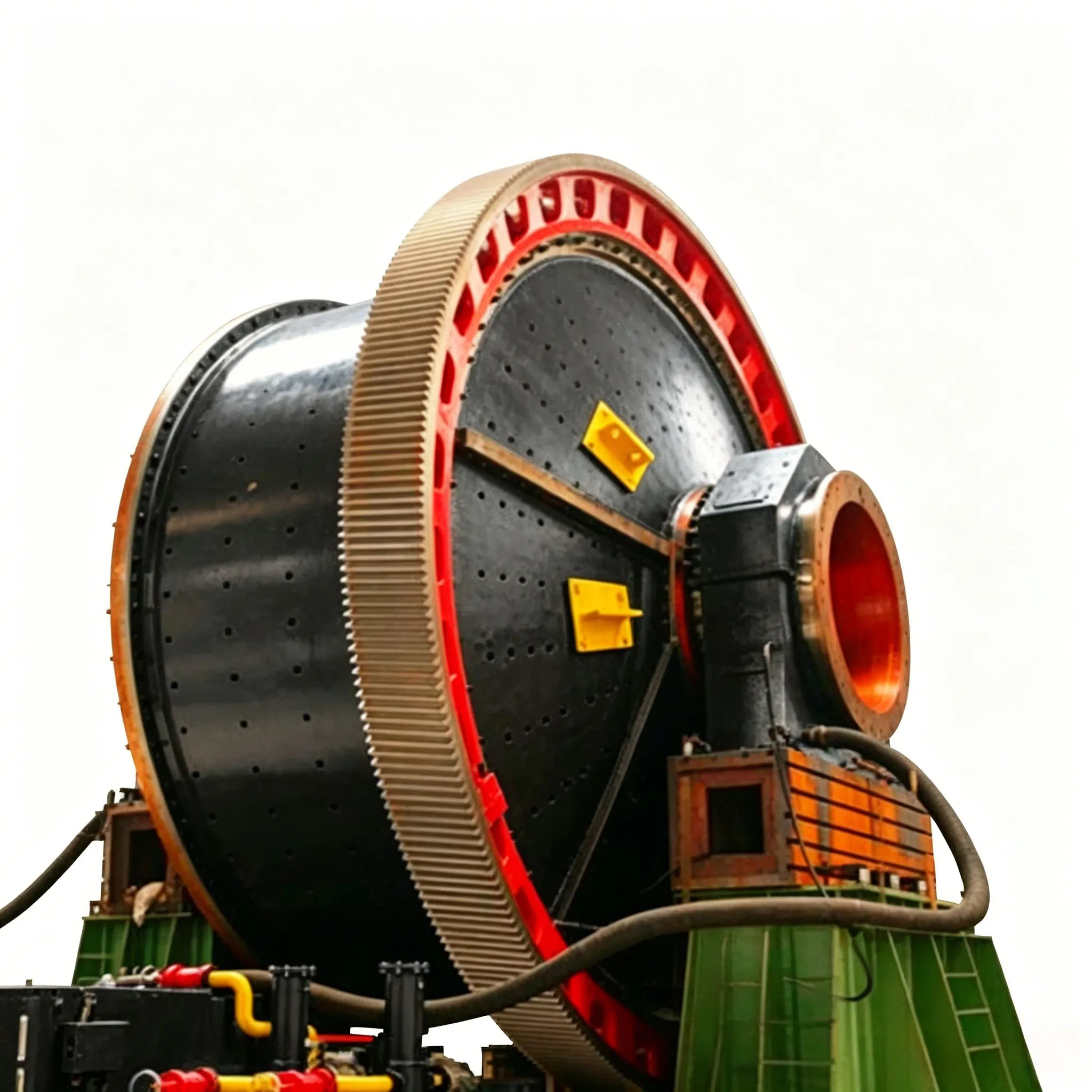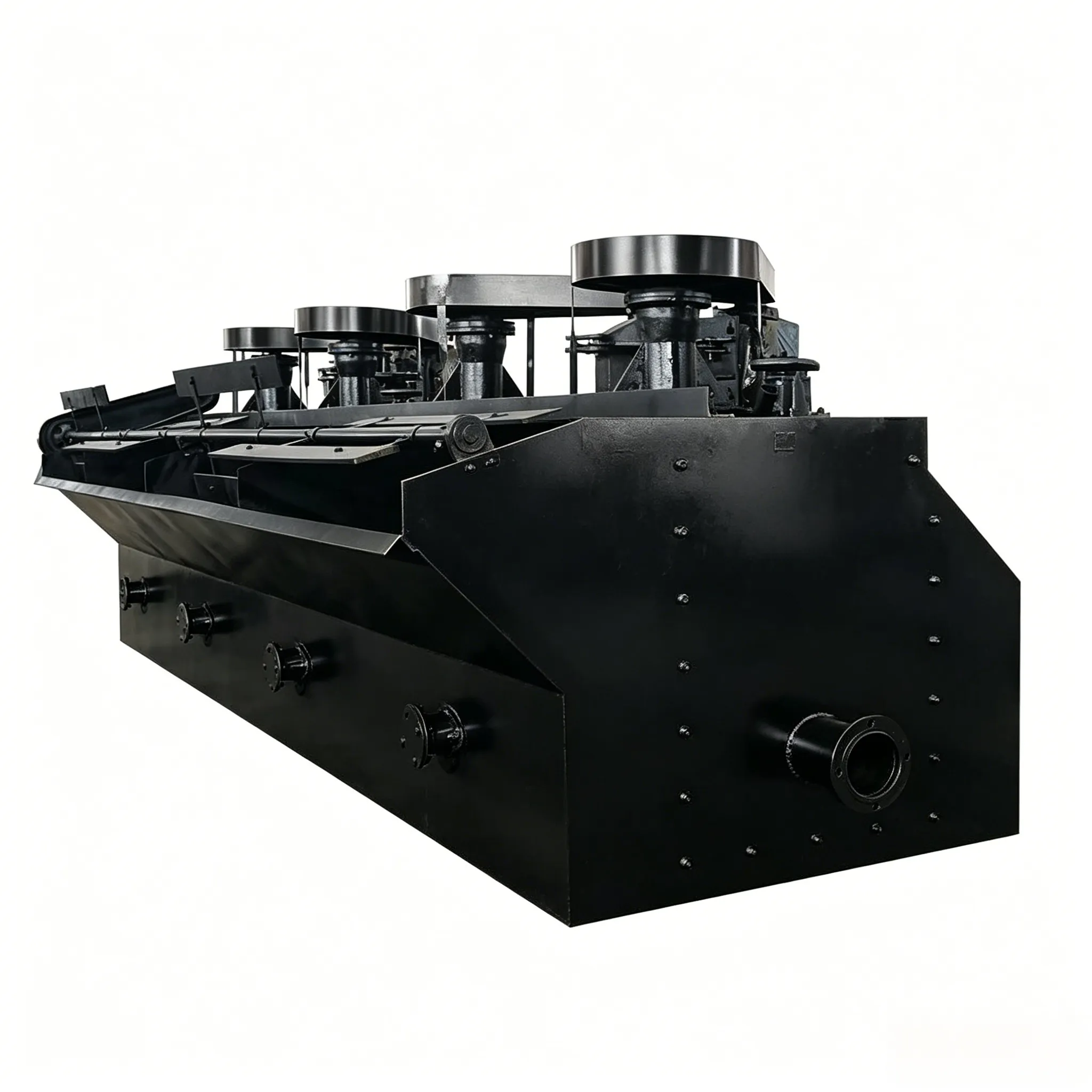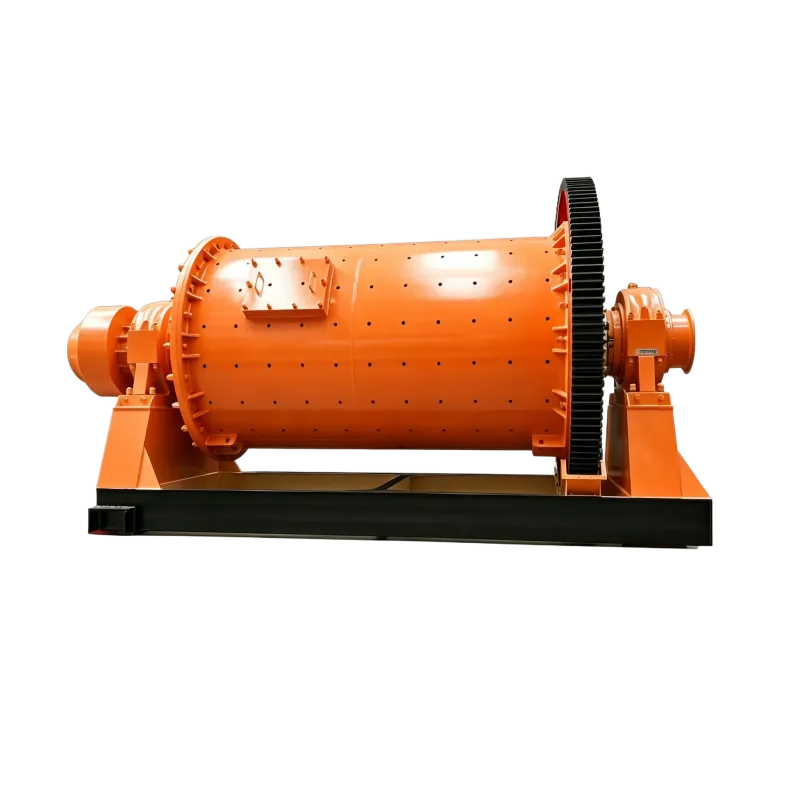
Molino de bolas de descarga de parrilla
Construction of a Grate Discharge Ball Mill The difference between a grate…

I. Cost Overview:
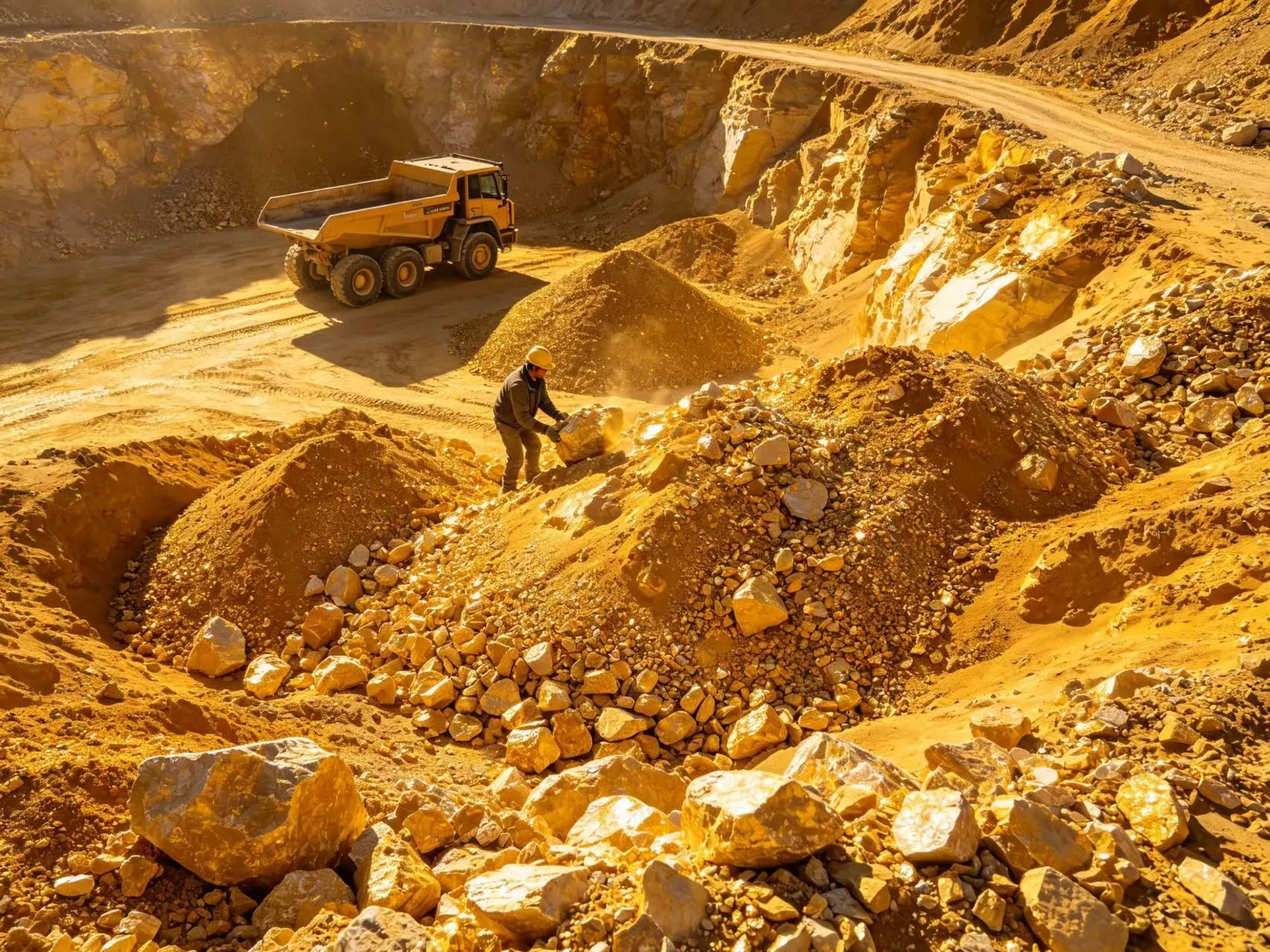
Gold ore beneficiation costs vary greatly, with processing fees ranging from 80 yuan to over 600 yuan per ton. This wide price range is not accidental, but precisely determined by the type of ore and the processing technology.
Easy-to-Process Oxide Ore (Cost: 80-150 RMB/ton)
Characteristics: Gold exists in a free state and can be directly dissolved by cyanide.
Process: Conventional “crushing-grinding-leaching” process, lowest cost benchmark.
Conventional Sulfide Ore (Cost: 150-300 RMB/ton)
Characteristics: Gold is encapsulated in sulfides and requires prior enrichment.
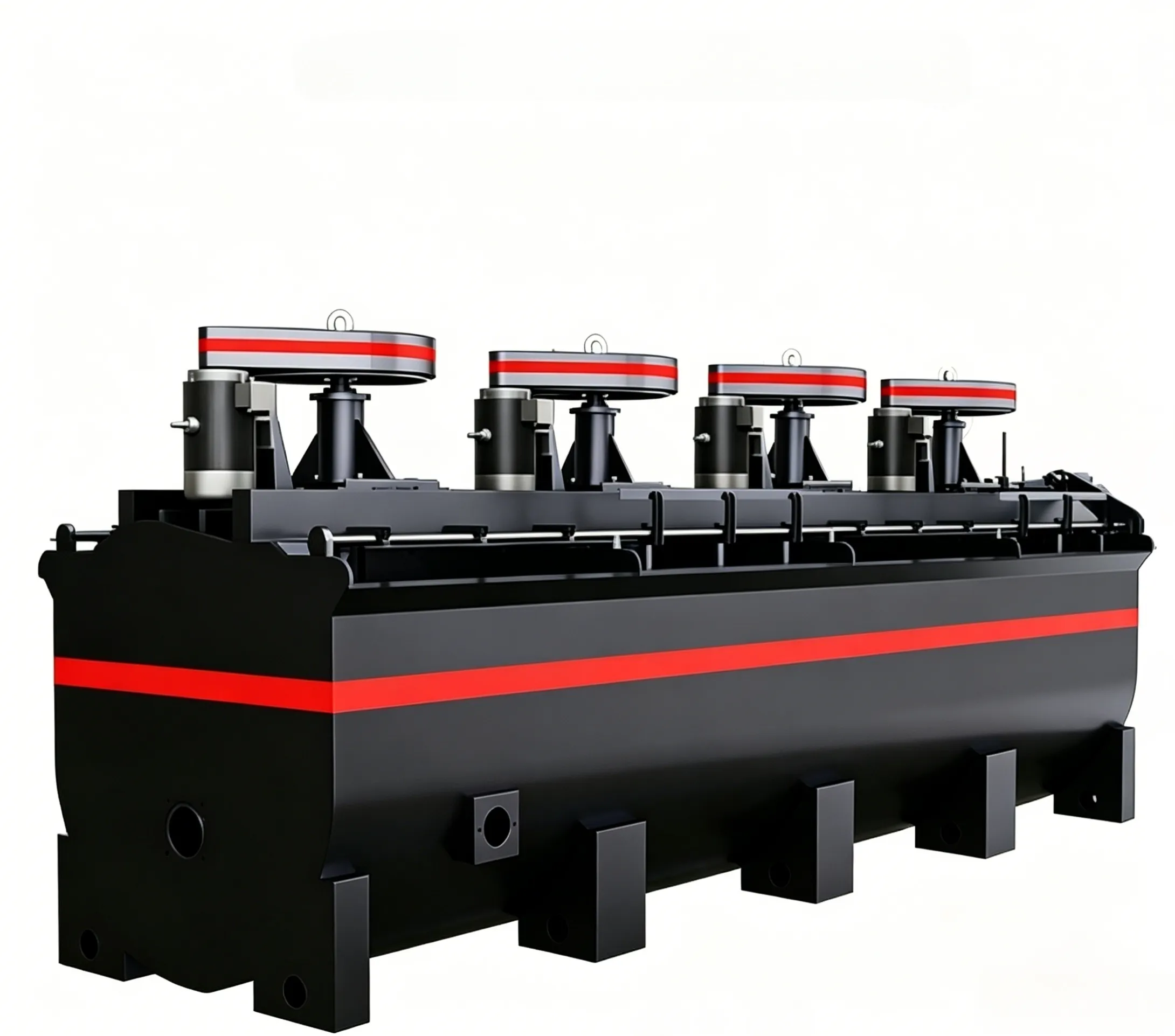
Process: Primarily uses “flotation” to obtain gold concentrate before smelting; cost covers both enrichment and deep processing stages.
Difficult-to-Process Ore (Cost: 300-600+ RMB/ton)
Characteristics: Contains carbon, arsenic, or fine particles, resulting in extremely low direct extraction rates.
Process: Requires expensive pretreatments such as roasting and bio-oxidation to “break the shell,” leading to a sharp increase in cost.
Cyanide-In-Purpose (CIL/CIP): Direct process; costs are concentrated in fine grinding and reagents.
Flotation + Concentrate Processing: Cost structure is “low at the beginning and high at the end,” shifting a large portion of costs to concentrate processing.
Pre-selection Waste Disposal (e.g., Gravity Separation): As an auxiliary method, discarding waste rock in advance significantly reduces the tonnage processed later, a key cost-reduction lever.
II. Cost Composition:
Taking a CIL beneficiation plant processing conventional oxidized ores as an example, the processing cost per ton of ore can be broken down as follows:
🔴 1. Grinding Power Consumption (Main Force): 20-40 RMB/ton. Grinding to an extremely fine consistency is required to expose gold particles, making it the largest energy consumer.
Auxiliary Power Consumption (Crushing, Agitation, etc.): 8-15 RMB/ton.
Steel Ball Liners: 8-18 RMB/ton. Continuous losses during the grinding process.
Activated Carbon, Lime, etc.: 5-10 RMB/ton.
Key Insight: Gold Mine Costs are Driven by Two Highs – High Energy Consumption (Physical Crushing and Grinding) and… High chemical extraction costs. For difficult-to-process ores, the “third extreme” is the enormous investment and energy consumption in the pre-treatment stage.
III. Cost Reduction Methods:
True cost reduction and efficiency improvement stem from systematic optimization and precise control.
Core Objective: To minimize the particle size of the ore entering the mill, thus reducing the burden on subsequent high-energy-consuming grinding. For every 1 mm reduction in the particle size entering the mill, grinding efficiency can increase by approximately 2%-3%.
Process and Equipment Recommendations:
Adopt a “three-stage closed-circuit” crushing process (coarse crushing, medium crushing, fine crushing + screening closed-circuit) to stably control the particle size entering the mill below 12-15 mm.
Selection of Primary Crushing Equipment:
Preferred Option: Large gyratory crusher or jaw crusher. High processing capacity, stable operation, uniform product particle size, and low total life-cycle operating cost.
Alternative Option: Mobile crushing station. Suitable for dispersed mining sites or early development stages, offering high flexibility.
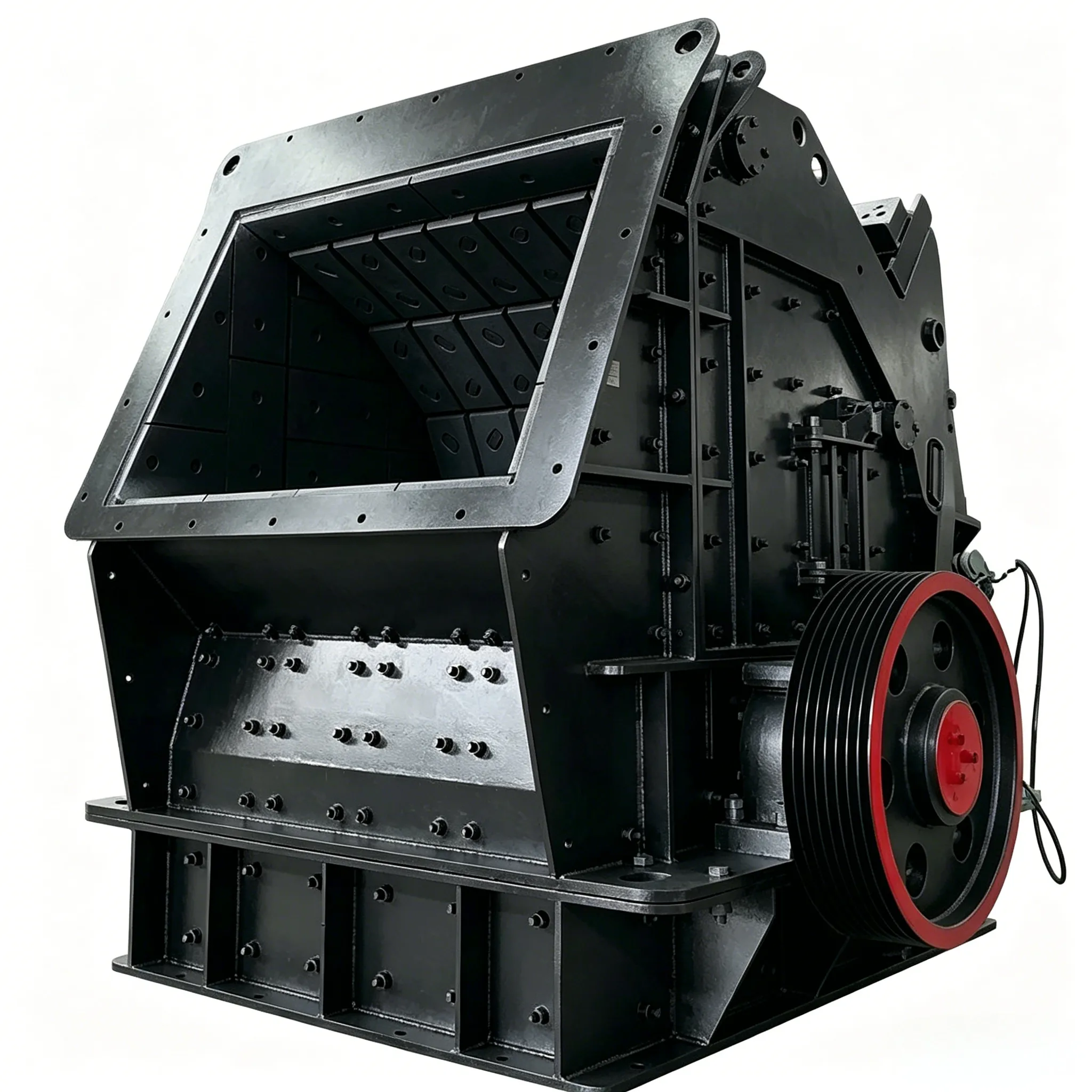
Selection of Secondary and Fine Crushing Equipment: High-performance hydraulic cone crusher. Its layered crushing principle ensures high efficiency, good product particle shape, and effectively reduces subsequent grinding energy consumption.
Actively apply high-efficiency equipment such as high-pressure roller mills at the front end to further reduce the particle size entering the mill.
Introduce pre-selection technologies such as gravity separation and X-ray intelligent separation (XRT) after crushing and before grinding to remove more than 30% of waste rock in advance, reducing the amount of waste rock entering the mill from the source and achieving a direct cost reduction.
Grinding Stage: Utilizing advanced liners and media, optimizing filling rate and steel ball ratio to improve energy conversion efficiency.
Leaching/Flotation Stage: Applying online analyzers and automatic reagent dosing systems to achieve precise, on-demand reagent delivery, eliminating waste.