Forme strutturali dei dispositivi di alimentazione dei laminatoi per tubi

mulino a sfere a tubi

Forme strutturali dei dispositivi di alimentazione dei laminatoi per tubi

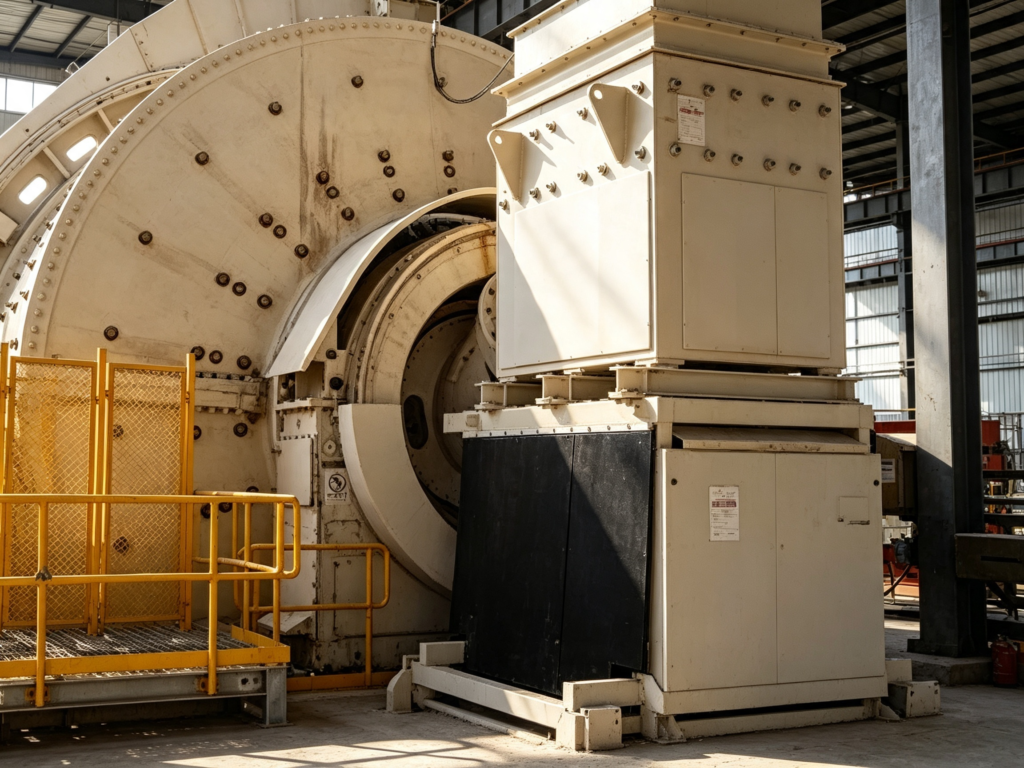
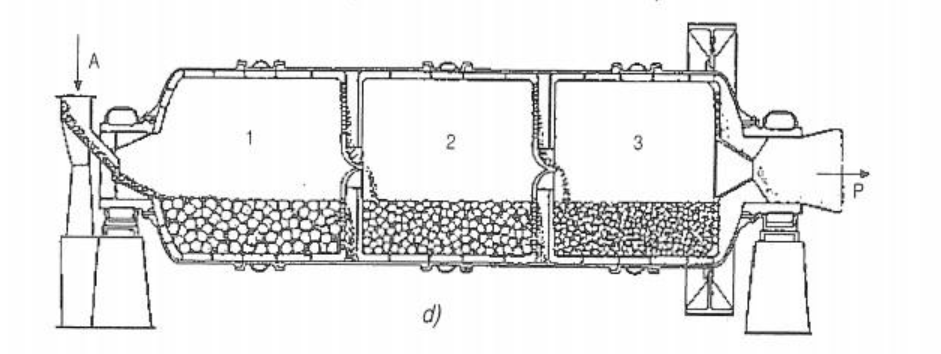
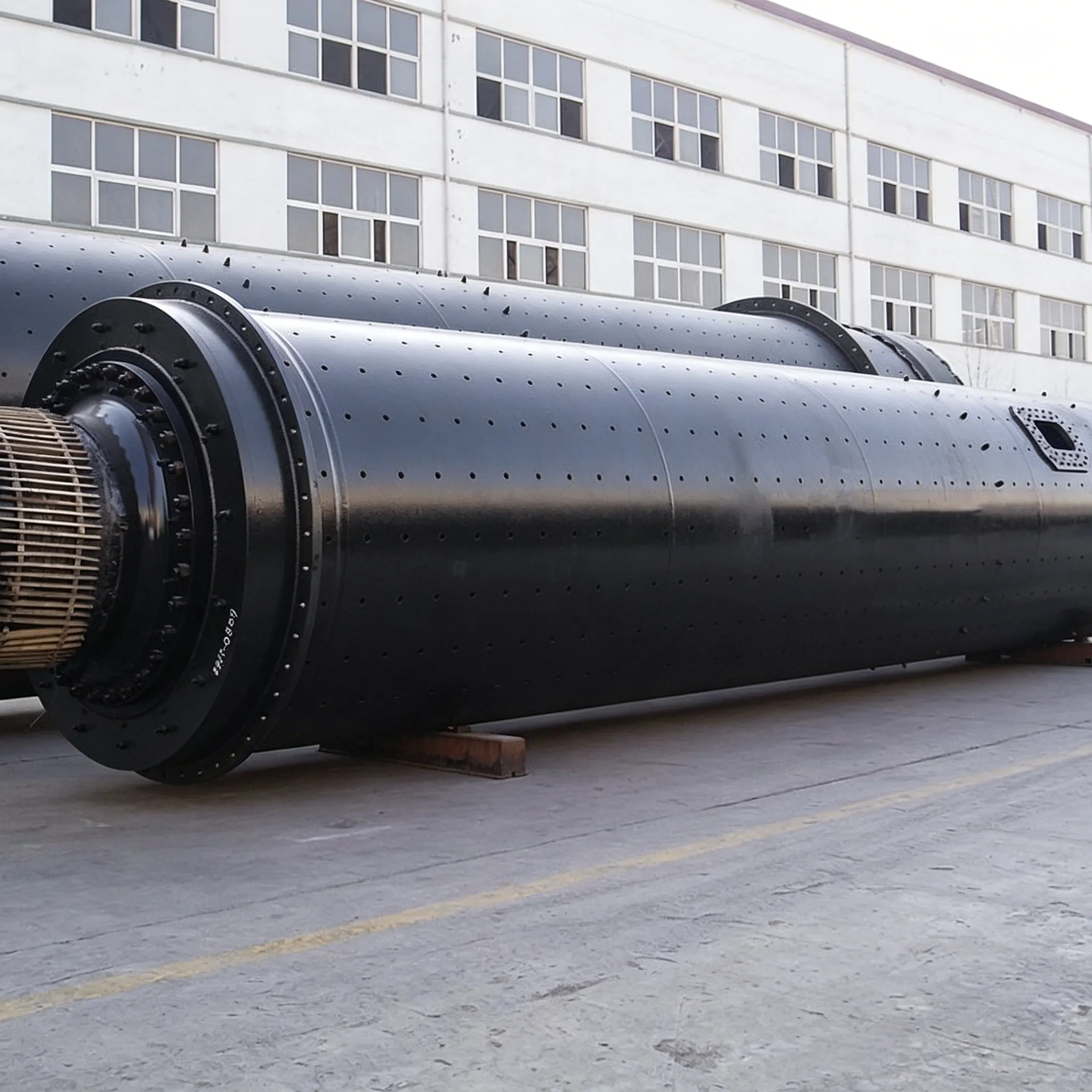
A tube mill is a type of long, horizontal grinding mill widely used in the cement industry, mining, metallurgy, and chemical industries. Because a tube mill has a large length-to-diameter ratio and operates continuously for long periods, the feeding device structure has a significant influence on mill capacity, energy consumption, liner wear, and operational stability.

The main functions of a tube mill feeding device are:

  • Feeding materials into the mill continuously and evenly
  • Preventing material leakage and dust escape
  • Reducing blockage during feeding
  • Adapting to the rotation of the mill
  • Reducing wear on feeding components

1. Main Components of a Tube Mill Feeding Device

A typical feeding system consists of:

Feeding Equipment
        ↓
Feed Chute
        ↓
Feed Pipe
        ↓
Feed Screw
        ↓
Mill Chamber

Main components include:

1. Feed Chute

Function:

  • Receives material from belt conveyors, bucket elevators, or screw conveyors
  • Guides material into the mill

Structure:

  • Welded steel construction
  • Lined with wear-resistant steel plates or ceramic liners

2. Feed Pipe

The feed pipe connects the external feeding system with the inside of the mill.

Common materials:

  • Carbon steel plate
  • Wear-resistant steel
  • Cast steel

Requirements:

  • Elevata resistenza all'usura
  • Anti-blocking design
  • Easy replacement and maintenance

3. Feed Screw

A screw conveyor is installed inside the feeding section of the mill.

Functions:

  • Pushes material into the mill
  • Prevents material backflow

Types:

  • Single-start screw
  • Double-start screw

2. Main Structural Types of Tube Mill Feeding Devices

1. Trumpet-Type Feed Device (Chute Feeding)

This is one of the simplest and most traditional feeding structures.

Structure:

The feed inlet has a trumpet or funnel shape:

        Material
            ↓
        \       /
         \     /
          \   /
          Feed Pipe
              |
          Mill Shell

Working Principle:

Material enters the mill by gravity.

Vantaggi:

✅ Simple structure
✅ Low manufacturing cost
✅ Easy maintenance

Svantaggi:

❌ Poor sealing performance
❌ More dust leakage
❌ Limited application for large mills

Application:

  • Small tube mills
  • Open-circuit grinding systems

2. Screw-Type Feeding Device

This is one of the most commonly used feeding systems in industrial tube mills.

Structure:

A screw conveyor is installed inside the feed pipe.

Feed inlet
    ↓
=================
  Screw blades
=================
    ↓
Mill chamber

Working Principle:

During operation:

  1. Material enters the screw section
  2. The rotating screw pushes the material forward
  3. Material enters the first grinding chamber

Vantaggi:

✅ Continuous and stable feeding
✅ Prevents material backflow
✅ Suitable for high-capacity mills

Svantaggi:

❌ Screw blades wear quickly
❌ Replacement can be difficult

Applicazioni:

  • Cement tube mills
  • Mining ball mills

3. Combined Feed Device (Chute + Screw)

This is a common design for large tube mills.

Structure:

It consists of:

  1. External feed chute
  2. Internal screw cylinder
  3. Feed cone

Flow:

Material
    ↓
Feed Chute
    ↓
Feed Cone
    ↓
Screw Conveyor
    ↓
First Grinding Chamber

Caratteristiche:

  • Combines gravity feeding and screw conveying
  • Better sealing performance
  • Suitable for large production capacity

Applicazioni:

  • Large cement mills
  • Slag grinding mills

4. Central Feeding Device

Material enters through the center axis of the mill.

Structural Features:

  • Feed opening located at the center of the hollow shaft
  • Material enters along the mill centerline

Vantaggi:

✅ Uniform material distribution
✅ Reduces uneven feeding
✅ Suitable for large mills

Svantaggi:

❌ More complicated structure
❌ Higher manufacturing precision required


5. Composite Feeding Device

Used for large-capacity and heavy-duty tube mills.

Structure includes:

  • Scivolo di alimentazione
  • Screw feeder
  • Guide cone
  • Wear-resistant liners
  • Sealing system

Caratteristiche:

  • High reliability
  • Large feeding capacity
  • Long service life

Applicazioni:

  • Cement production lines
  • Large mining grinding systems

3. Comparison of Different Feeding Structures

TipoStructureAdvantagesDisadvantagesApplicazione
Trumpet typeGravity feedingSimple, low costPoor sealingSmall mills
Screw typeScrew conveyingStable feedingHigh wearMedium & large mills
Combined typeChute + screwHigh efficiencyMore complexCement mills
Central typeCenter feedingUniform distributionHigh manufacturing requirementLarge mills
Composite typeMultiple componentsBest performanceHigher costLarge industrial mills

4. Design Requirements for Tube Mill Feeding Devices

1. Wear Resistance

Because the incoming materials often contain:

  • Quartz
  • Iron ore
  • Cement clinker
  • Slag

The feeding parts experience severe abrasion.

Common materials:

  • NM400 wear-resistant steel
  • Acciaio ad alto tenore di manganese
  • Cast stone liners
  • Ceramic liners

2. Good Sealing Performance

The feeding system should prevent:

  • Dust leakage
  • Air leakage
  • Material overflow

Common sealing methods:

  • Graphite seals
  • Rubber seals
  • Labyrinth seals

3. Uniform Feeding

Stable feeding affects:

  • Mill capacity
  • Product fineness
  • Power consumption

5. Typical Feeding Arrangement in Mining/Cement Tube Mill Systems

Esempio: Φ2.4 × 8 m tube mill

Belt Conveyor
       ↓
Feed Hopper
       ↓
Feed Chute
       ↓
Screw Feeder
       ↓
First Chamber
       ↓
Grinding by Impact and Attrition
       ↓
Second Chamber
       ↓
Discharge

Potrebbero interessarti anche questi prodotti

Idrociclone

Idrociclone

Idrociclone L'idrociclone è un dispositivo che sfrutta la forza centrifuga per classificare…
Frantoio a urto

Frantoio a urto

Tipi di frantoi a urto Il frantoio a urto è un dispositivo che utilizza l'urto…
Mulino a sfere per cemento

Mulino a sfere per cemento

Panoramica sul mulino a sfere per cemento Il mulino a sfere per cemento è un’attrezzatura fondamentale…
Tavolo vibrante

Tavolo vibrante

Shaking Table – High-Precision Gravity Concentrator Product Overview The shaking table (also…
Mulino per calce idrata

Mulino per calce idrata

Introduzione al mulino per calce idrata (mulino per idrossido di calcio) Il mulino KX per calce idrata…
Copyright © 2026 Oreprocessings. Tutti i diritti riservati.