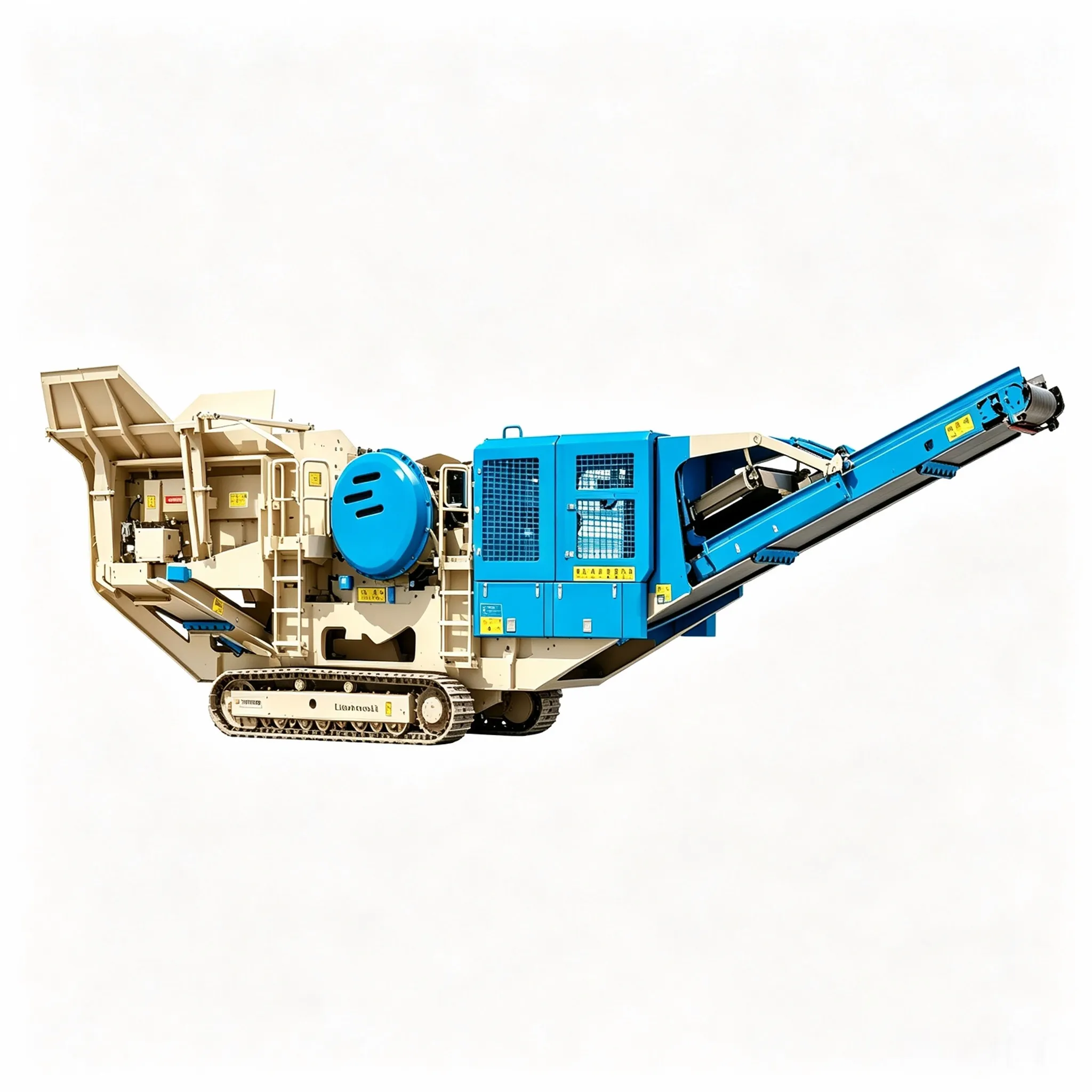
Crawler mobile stone crusher
Mobile jaw crusher station Series StandardModel On Board Equipment On BoardEquipment ProcessingCapacity(t/h) Transportdimensions(mm)…


A tube mill is a type of long, horizontal grinding mill widely used in the cement industry, mining, metallurgy, and chemical industries. Because a tube mill has a large length-to-diameter ratio and operates continuously for long periods, the feeding device structure has a significant influence on mill capacity, energy consumption, liner wear, and operational stability.
The main functions of a tube mill feeding device are:
A typical feeding system consists of:
Feeding Equipment
        ↓
Feed Chute
        ↓
Feed Pipe
        ↓
Feed Screw
        ↓
Mill Chamber
Main components include:
The feed pipe connects the external feeding system with the inside of the mill.
A screw conveyor is installed inside the feeding section of the mill.
This is one of the simplest and most traditional feeding structures.
The feed inlet has a trumpet or funnel shape:
        Material
            ↓
        \       /
         \     /
          \   /
          Feed Pipe
              |
Mill ShellMaterial enters the mill by gravity.
✅ Simple structure
✅ Low manufacturing cost
✅ Easy maintenance
❌ Poor sealing performance
❌ More dust leakage
❌ Limited application for large mills

This is one of the most commonly used feeding systems in industrial tube mills.
A screw conveyor is installed inside the feed pipe.
Feed inlet
    ↓
=================
  Screw blades
=================
    ↓
Mill chamberDuring operation:
✅ Continuous and stable feeding
✅ Prevents material backflow
✅ Suitable for high-capacity mills
❌ Screw blades wear quickly
❌ Replacement can be difficult
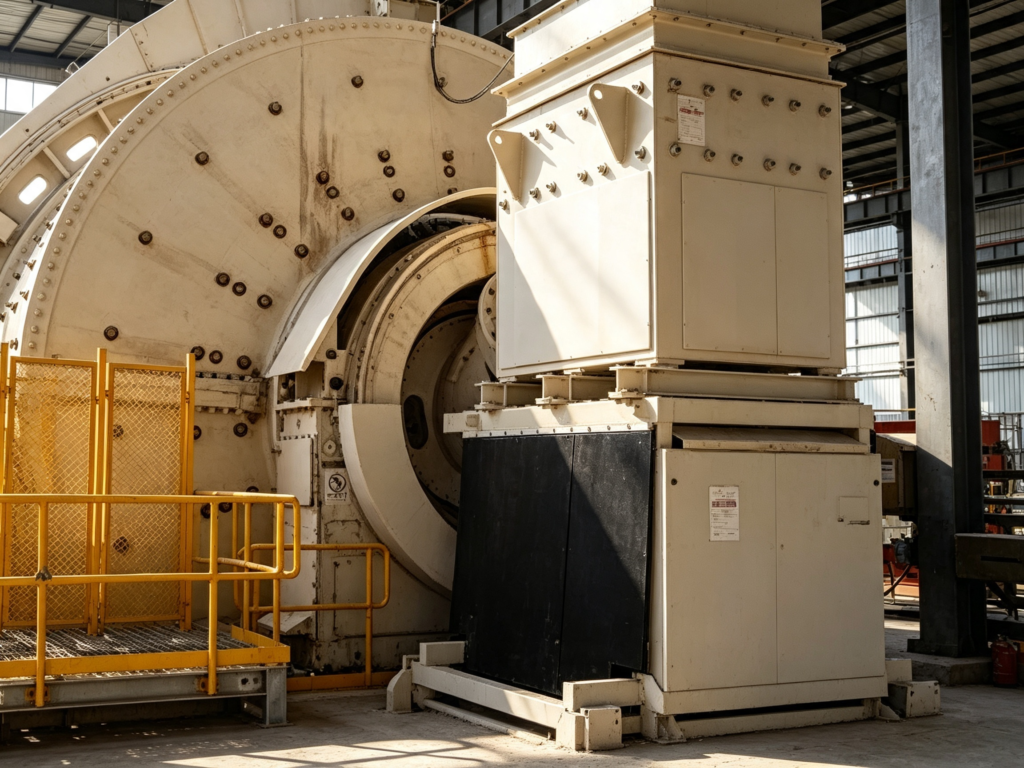
This is a common design for large tube mills.
It consists of:
Material
    ↓
Feed Chute
    ↓
Feed Cone
    ↓
Screw Conveyor
    ↓
First Grinding Chamber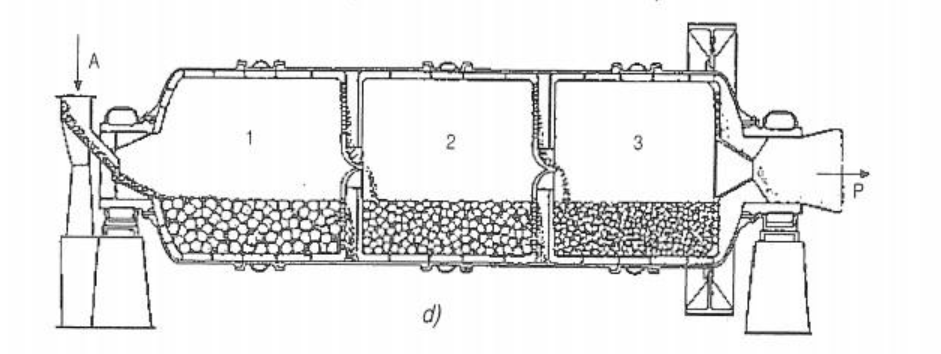
Material enters through the center axis of the mill.
✅ Uniform material distribution
✅ Reduces uneven feeding
✅ Suitable for large mills
❌ More complicated structure
❌ Higher manufacturing precision required
Used for large-capacity and heavy-duty tube mills.
| Type | Structure | Advantages | Disadvantages | Application |
|---|---|---|---|---|
| Trumpet type | Gravity feeding | Simple, low cost | Poor sealing | Small mills |
| Screw type | Screw conveying | Stable feeding | High wear | Medium & large mills |
| Combined type | Chute + screw | High efficiency | More complex | Cement mills |
| Central type | Center feeding | Uniform distribution | High manufacturing requirement | Large mills |
| Composite type | Multiple components | Best performance | Higher cost | Large industrial mills |
Because the incoming materials often contain:
The feeding parts experience severe abrasion.
Common materials:
The feeding system should prevent:
Common sealing methods:
Stable feeding affects:
Example: Φ2.4 × 8 m tube mill
Belt Conveyor
       ↓
Feed Hopper
       ↓
Feed Chute
       ↓
Screw Feeder
       ↓
First Chamber
       ↓
Grinding by Impact and Attrition
       ↓
Second Chamber
       ↓
Discharge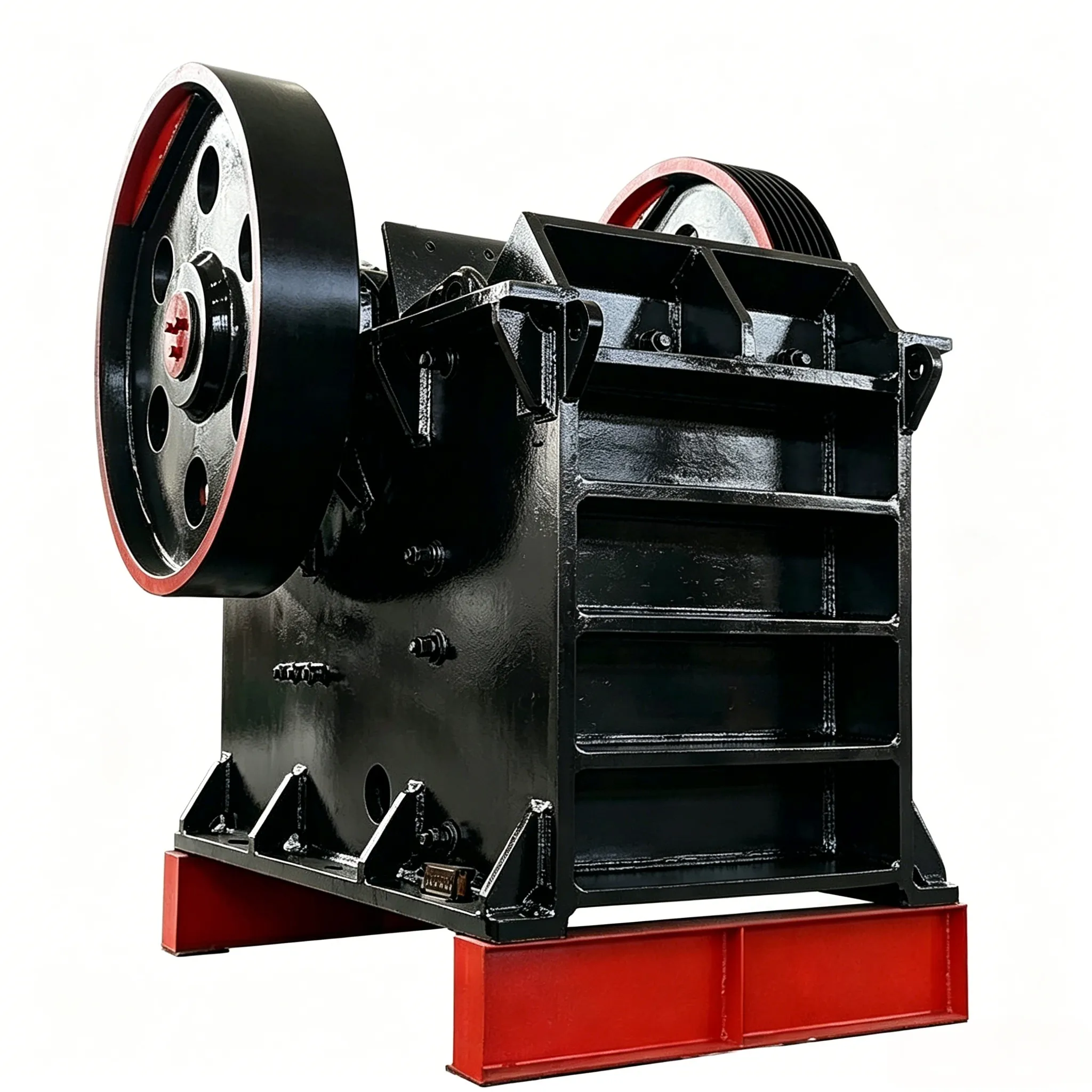

 English English
 Spanish
 Russian
 Arabic
 Swahili
 French
 Turkish
 Portuguese
 Korean
 Japanese
 German
 Italian