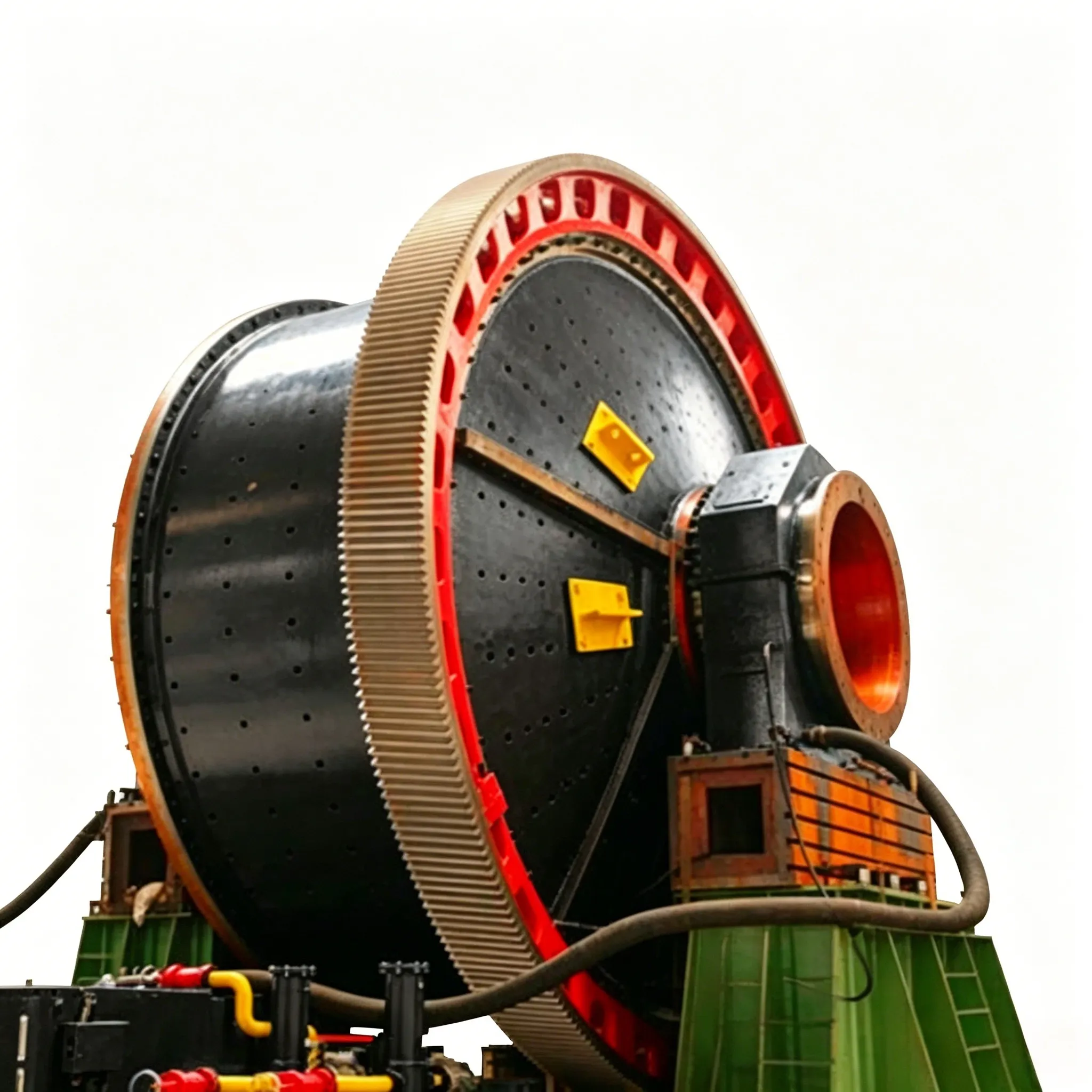
Mulino autogeno
Principio di funzionamento di un mulino autogeno Il processo di macinazione di un mulino autogeno…

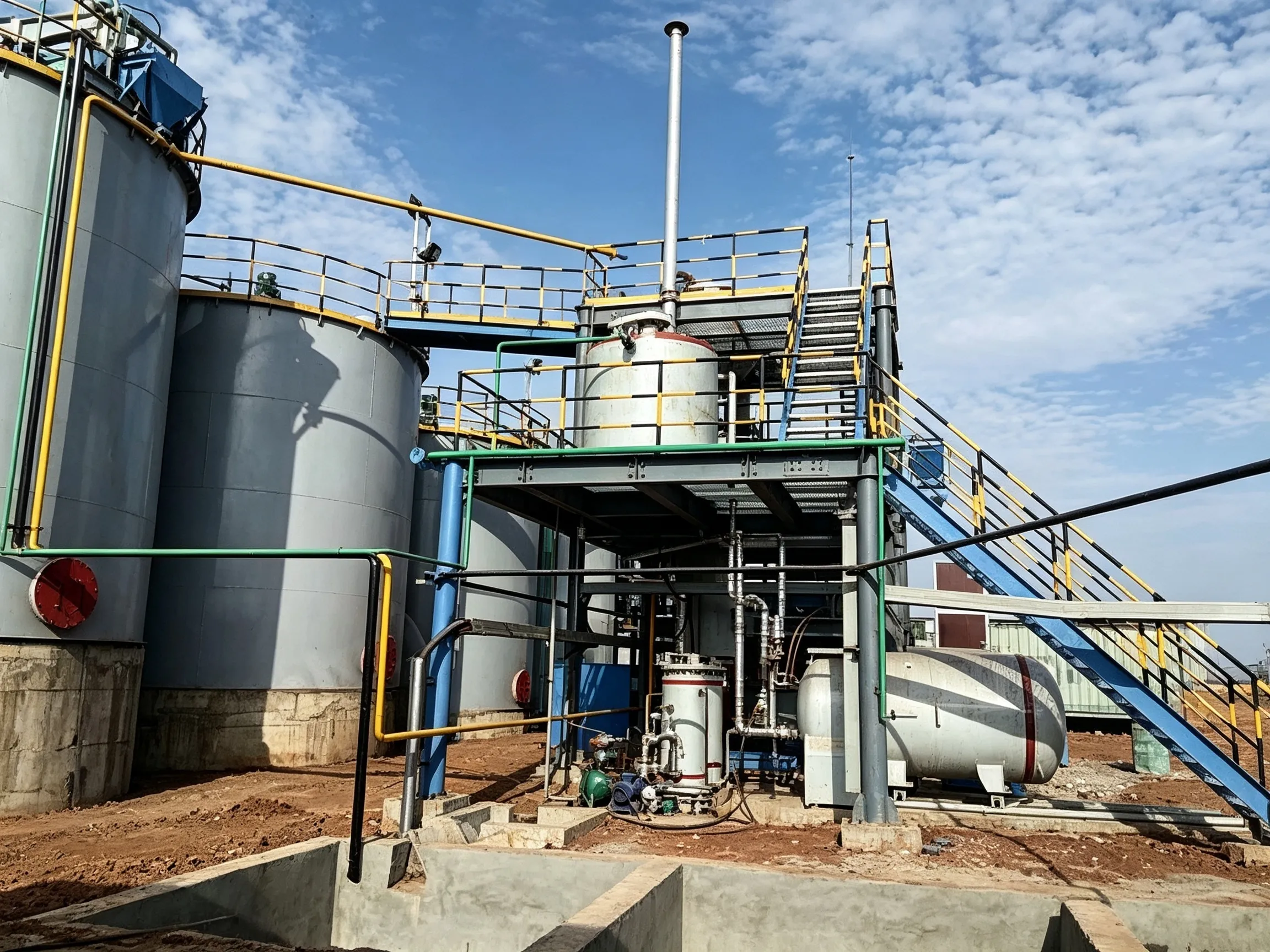
CIP (Carbon-in-Pulp) is a widely used gold extraction process in which gold is first dissolved from ore using cyanide leaching, and then recovered from the slurry using activated carbon.
È uno dei metodi più diffusi per il recupero dell'oro da free-milling gold ores.
The basic idea is:
Dissolve gold into cyanide solution → adsorb gold onto activated carbon → remove gold from carbon → produce gold bullion
A typical gold CIP plant flow is:
Gold Ore
    ↓
Crushing
    ↓
Grinding
    ↓
Classification
    ↓
Leaching Tanks
    ↓
CIP Adsorption Tanks
    ↓
Loaded Carbon
    ↓
Elution
    ↓
Electrowinning
    ↓
Smelting
    ↓
Gold Doré BarThe CIP process mainly includes five stages:
The mined gold ore is first reduced in size.
Typical equipment:
Scopo:
To expose gold particles trapped inside the rock.
Esempio:
Large rock:
500 mm
 ↓
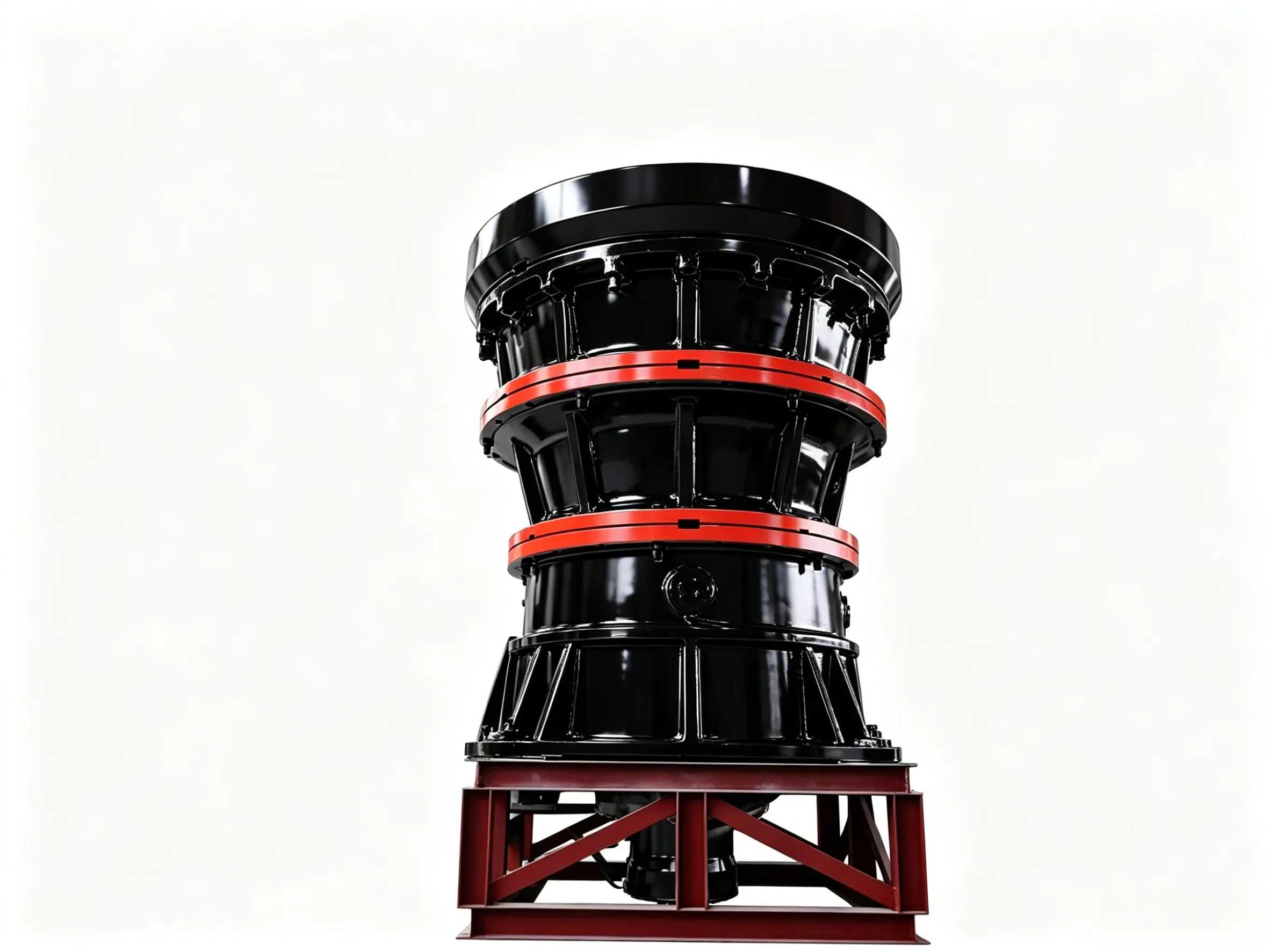
Crusher
 ↓
20 mm
 ↓
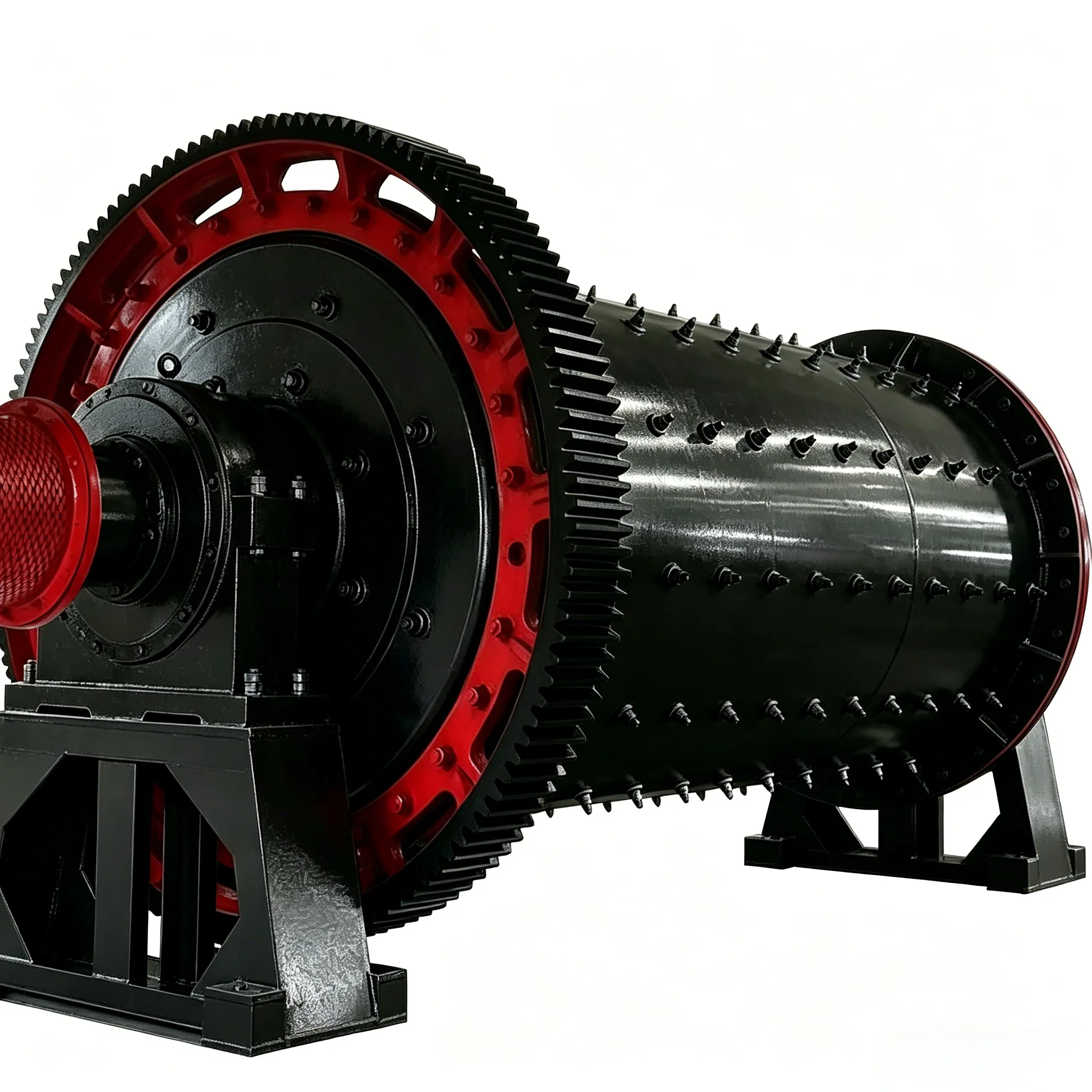
Ball mill
 ↓
75 μm
Fine grinding increases gold liberation.
After grinding, the ore becomes a slurry (mixture of water and fine ore particles).
The slurry enters leaching tanks.
Sostanze chimiche aggiunte:
The cyanide dissolves gold:4Au+8CN−+O2+2H2O→4Au(CN)2−+4OH−
The solid gold becomes a dissolved gold-cyanide complex:
Solid gold particles
        ↓
Gold-cyanide solution
Typical leaching time:
12–48 hours
After leaching, the slurry enters a series of CIP adsorption tanks.
Activated carbon is added into these tanks.
The activated carbon attracts and holds dissolved gold.
Process:
Gold dissolved in solution
            ↓
     Activated carbon
            ↓
     Gold-loaded carbon
Carbon moves counter-currently:
Fresh carbon
     ↓
Tank 5
     ↓
Tank 4
     ↓
Tank 3
     ↓
Tank 2
     ↓
Tank 1
     ↓
Loaded carbon
The carbon becomes richer in gold as it moves toward the first tank.
Carbon is separated from the slurry using:
The waste slurry continues to tailings.
The gold-loaded carbon goes to the recovery section.
Gold is washed off the carbon using:
The result is a concentrated gold solution.
The gold solution passes through an electrowinning cell.
Electric current deposits gold onto cathodes.
Gold solution
       ↓
Electrowinning
       ↓
Gold sludge
       ↓
Smelting
       ↓
Gold bar| Caratteristica | CIP | CIL |
|---|---|---|
| Nome completo | Carbon-in-Pulp | Carbon-in-Leach |
| Carbon addition | After leaching | During leaching |
| Leaching stage | Separate | Combined with adsorption |
| Equipment | More tanks | Fewer tanks |
| Costo di capitale | Slightly higher | Di solito inferiore |
| Recupero dell'oro | Very high | Very high |
| Uso comune | Mature technology | Modern large plants |
The difference can be shown simply:
Leaching
    ↓
Gold solution
    ↓
Carbon adsorptionLeaching
+
Carbon adsorption
↓
Gold-loaded carbon✅ High gold recovery (commonly 90–95%+)
✅ Proven technology for decades
✅ Suitable for medium and large gold plants
✅ Good recovery of fine gold
✅ Flexible operation
❌ Requires cyanide management
❌ Larger number of tanks than CIL
❌ Longer processing time
❌ Higher water and energy consumption compared with some alternatives
Approximate capital cost:
| Capacità | Estimated CIP Plant Cost |
|---|---|
| 1 TPH | da $200.000 a $500.000 |
| 5 TPH | $600,000 – $1.2 million |
| 10 TPH | $1.2 – $2.5 million |
| 50 TPH | $5 – $10 milioni |
| 100 TPH | $10 – $20+ milioni |
A typical 5 TPH hard-rock gold CIP plant usually costs around:
(depending on equipment quality, location, civil works, and automation)
ROM Ore
   ↓
Vibrating Feeder
   ↓
Jaw Crusher
   ↓
Cone Crusher
   ↓
Fine Ore Bin
   ↓
Ball Mill
   ↓
Hydrocyclone
   ↓
Leaching Tanks
   ↓
CIP Tanks
   ↓
Loaded Carbon
   ↓
Elution
   ↓
Electrowinning
   ↓
Gold BarCIP is preferred when:
For example:
 English English
 Spanish
 Russian
 Arabic
 Swahili
 French
 Turkish
 Portuguese
 Korean
 Japanese
 German
 Italian