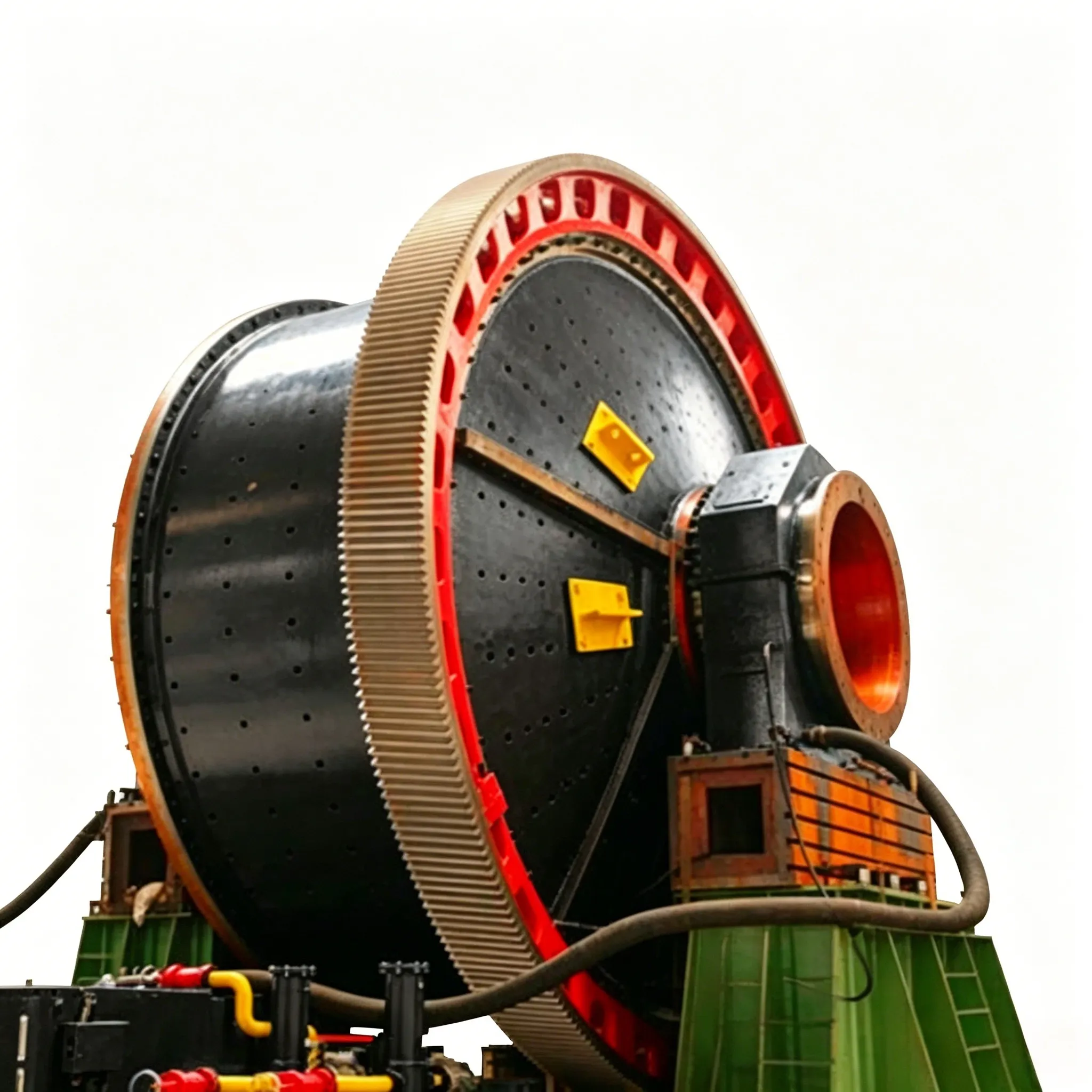
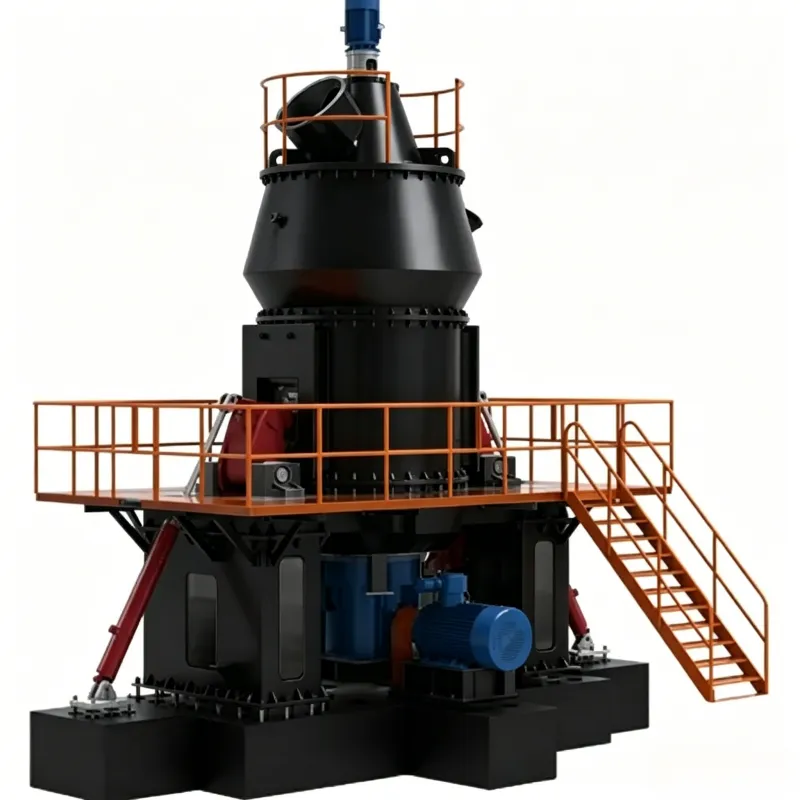
Autogene Mühle
Funktionsweise einer Autogenmühle Der Mahlprozess einer Autogenmühle…

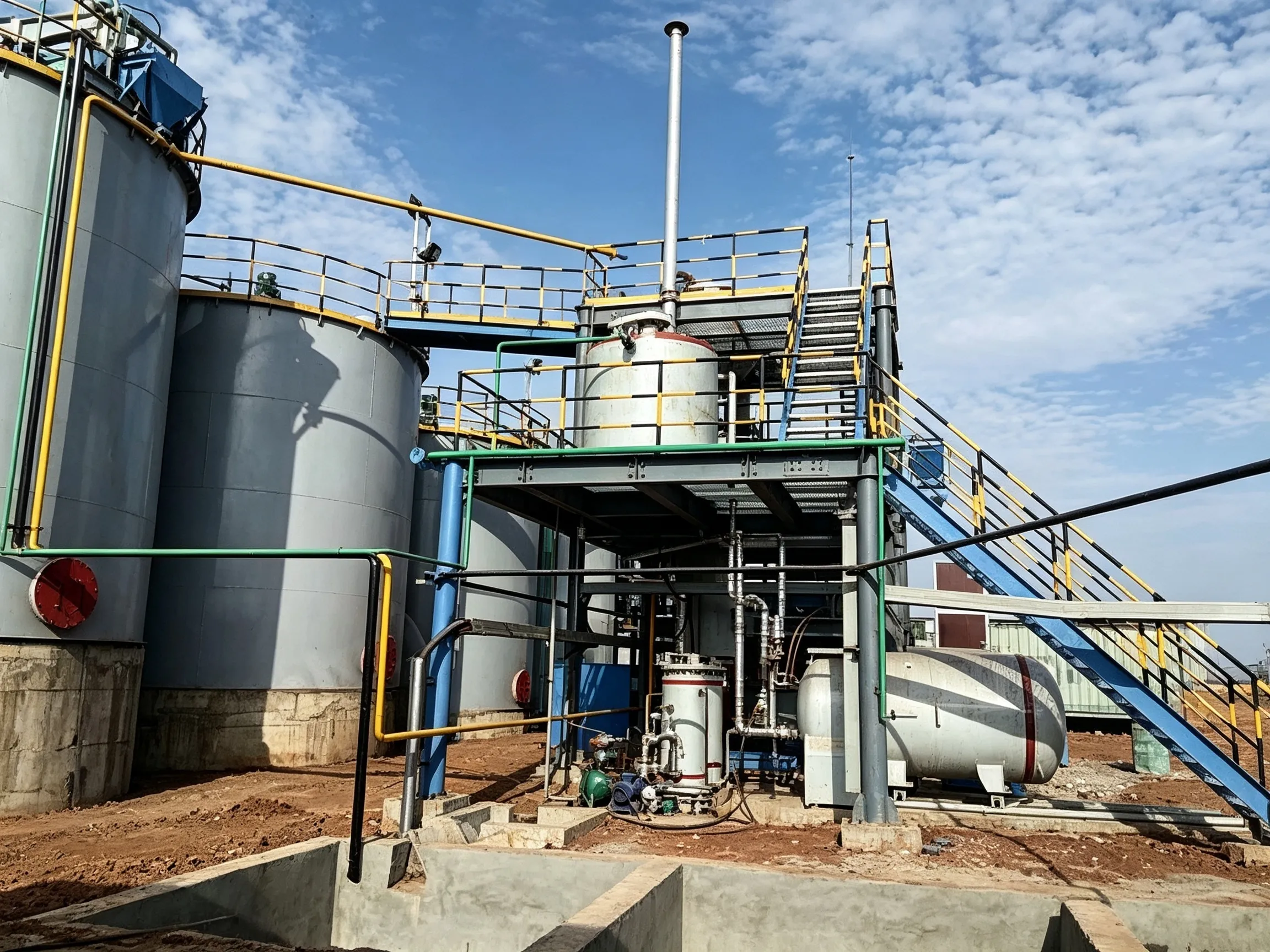
CIP (Carbon-in-Pulp) is a widely used gold extraction process in which gold is first dissolved from ore using cyanide leaching, and then recovered from the slurry using activated carbon.
It is one of the most common methods for recovering gold from free-milling gold ores.
The basic idea is:
Dissolve gold into cyanide solution → adsorb gold onto activated carbon → remove gold from carbon → produce gold bullion
A typical gold CIP plant flow is:
Gold Ore
    ↓
Crushing
    ↓
Grinding
    ↓
Classification
    ↓
Leaching Tanks
    ↓
CIP Adsorption Tanks
    ↓
Loaded Carbon
    ↓
Elution
    ↓
Electrowinning
    ↓
Smelting
    ↓
Gold Doré BarThe CIP process mainly includes five stages:
The mined gold ore is first reduced in size.
Typical equipment:
Purpose:
To expose gold particles trapped inside the rock.
Example:
Large rock:
500 mm
 ↓
Crusher
 ↓
20 mm
 ↓
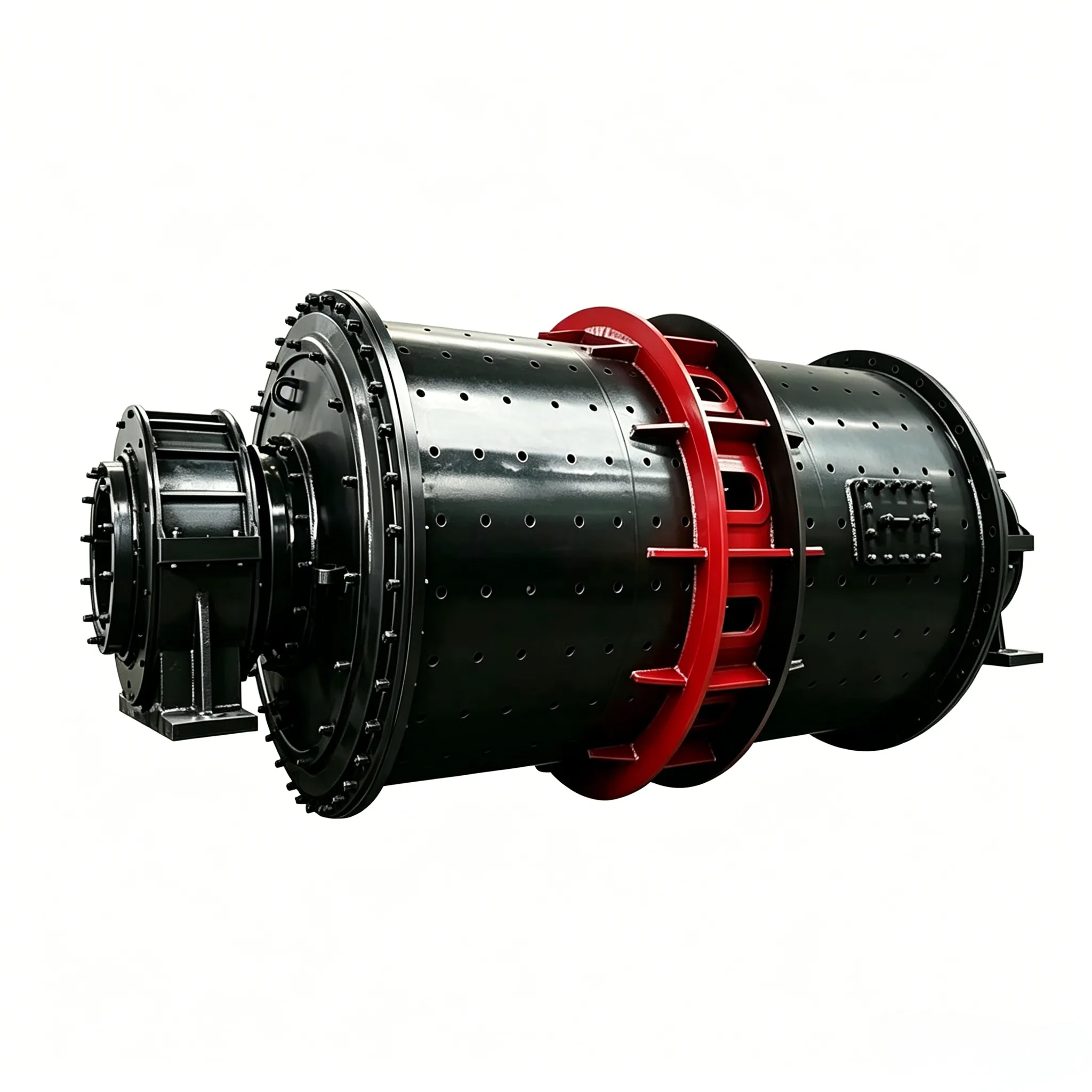
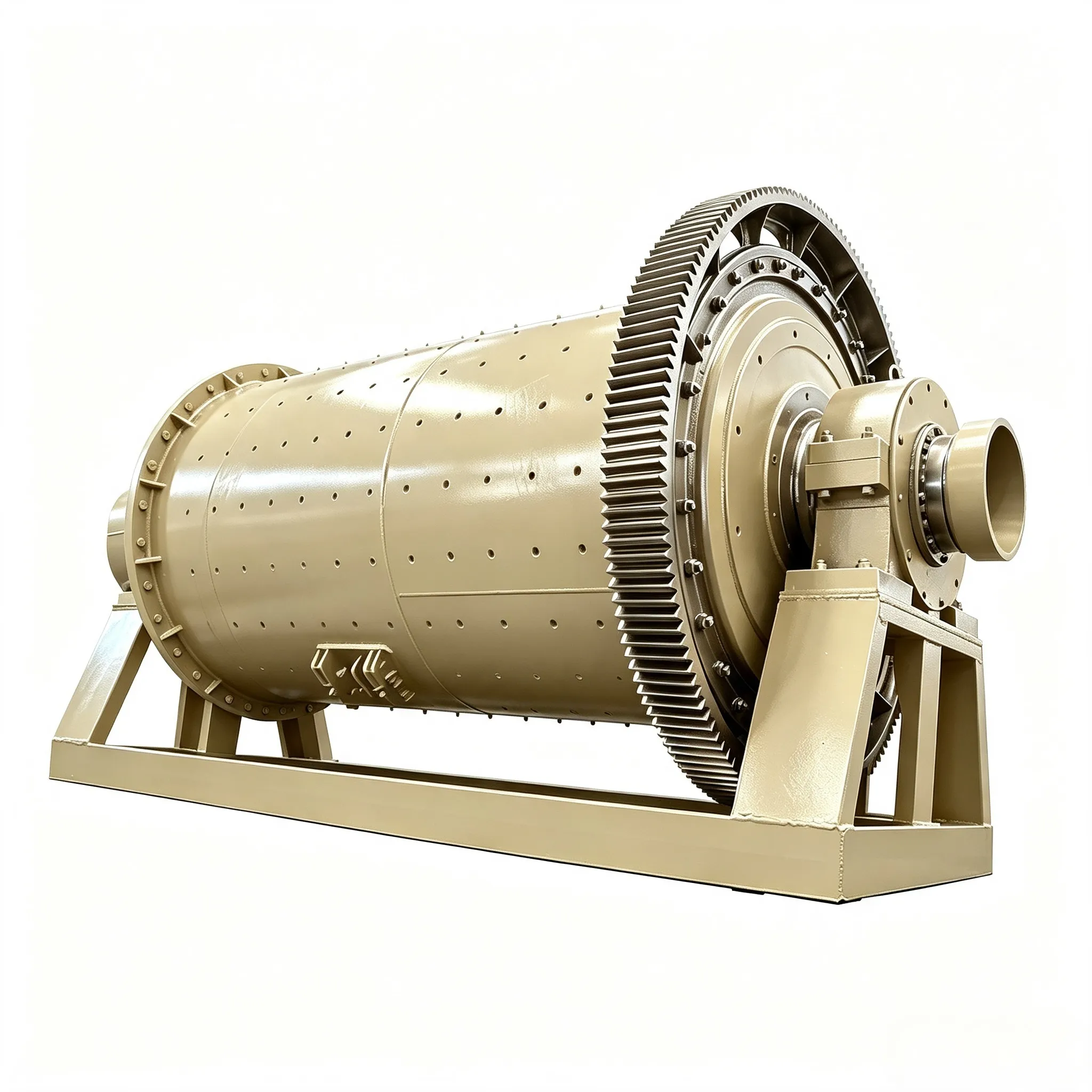
Ball mill
 ↓
75 μm
Fine grinding increases gold liberation.
After grinding, the ore becomes a slurry (mixture of water and fine ore particles).
The slurry enters leaching tanks.
Chemicals added:
The cyanide dissolves gold:4Au+8CN−+O2+2H2O→4Au(CN)2−+4OH−
The solid gold becomes a dissolved gold-cyanide complex:
Solid gold particles
        ↓
Gold-cyanide solution
Typical leaching time:
12–48 hours
After leaching, the slurry enters a series of CIP adsorption tanks.
Activated carbon is added into these tanks.
The activated carbon attracts and holds dissolved gold.
Process:
Gold dissolved in solution
            ↓
     Activated carbon
            ↓
     Gold-loaded carbon
Carbon moves counter-currently:
Fresh carbon
     ↓
Tank 5
     ↓
Tank 4
     ↓
Tank 3
     ↓
Tank 2
     ↓
Tank 1
     ↓
Loaded carbon
The carbon becomes richer in gold as it moves toward the first tank.
Carbon is separated from the slurry using:
The waste slurry continues to tailings.
The gold-loaded carbon goes to the recovery section.
Gold is washed off the carbon using:
The result is a concentrated gold solution.
The gold solution passes through an electrowinning cell.
Electric current deposits gold onto cathodes.
Gold solution
       ↓
Electrowinning
       ↓
Gold sludge
       ↓
Smelting
       ↓
Gold bar| Feature | CIP | CIL |
|---|---|---|
| Full name | Carbon-in-Pulp | Carbon-in-Leach |
| Carbon addition | After leaching | During leaching |
| Leaching stage | Separate | Combined with adsorption |
| Ausstattung | More tanks | Fewer tanks |
| Capital cost | Slightly higher | Usually lower |
| Gold recovery | Very high | Very high |
| Common use | Mature technology | Modern large plants |
The difference can be shown simply:
Leaching
    ↓
Gold solution
    ↓
Carbon adsorptionLeaching
+
Carbon adsorption
↓
Gold-loaded carbon✅ High gold recovery (commonly 90–95%+)
✅ Proven technology for decades
✅ Suitable for medium and large gold plants
✅ Good recovery of fine gold
✅ Flexible operation
❌ Requires cyanide management
❌ Larger number of tanks than CIL
❌ Longer processing time
❌ Higher water and energy consumption compared with some alternatives
Approximate capital cost:
| Kapazität | Estimated CIP Plant Cost |
|---|---|
| 1 TPH | $200,000 – $500,000 |
| 5 TPH | $600,000 – $1.2 million |
| 10 TPH | $1.2 – $2.5 million |
| 50 TPH | $5 – $10 million |
| 100 TPH | $10 – $20+ million |
A typical 5 TPH hard-rock gold CIP plant usually costs around:
(depending on equipment quality, location, civil works, and automation)
ROM Ore
   ↓
Vibrating Feeder
   ↓
Jaw Crusher
   ↓
Cone Crusher
   ↓
Fine Ore Bin
   ↓
Ball Mill
   ↓
Hydrocyclone
   ↓
Leaching Tanks
   ↓
CIP Tanks
   ↓
Loaded Carbon
   ↓
Elution
   ↓
Electrowinning
   ↓
Gold BarCIP is preferred when:
For example:


 English English
 Spanish
 Russian
 Arabic
 Swahili
 French
 Turkish
 Portuguese
 Korean
 Japanese
 German
 Italian