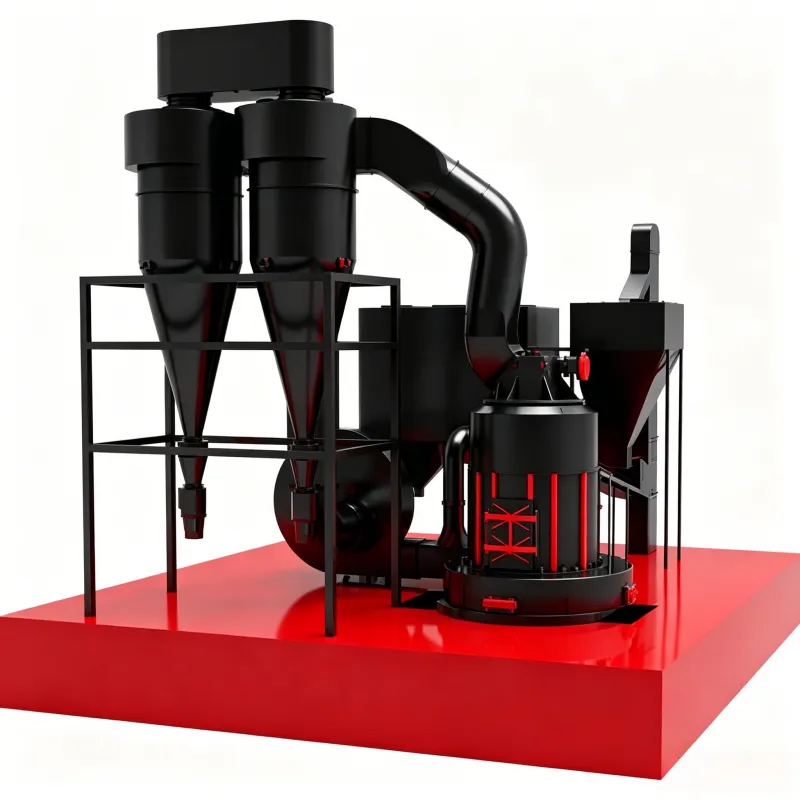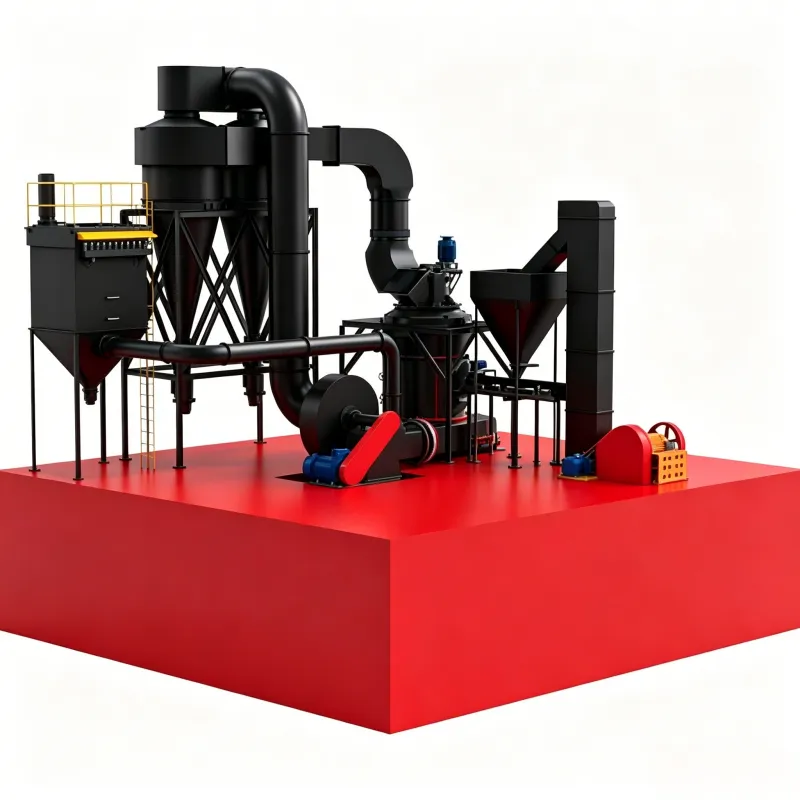
1. Definition of Impact Crusher
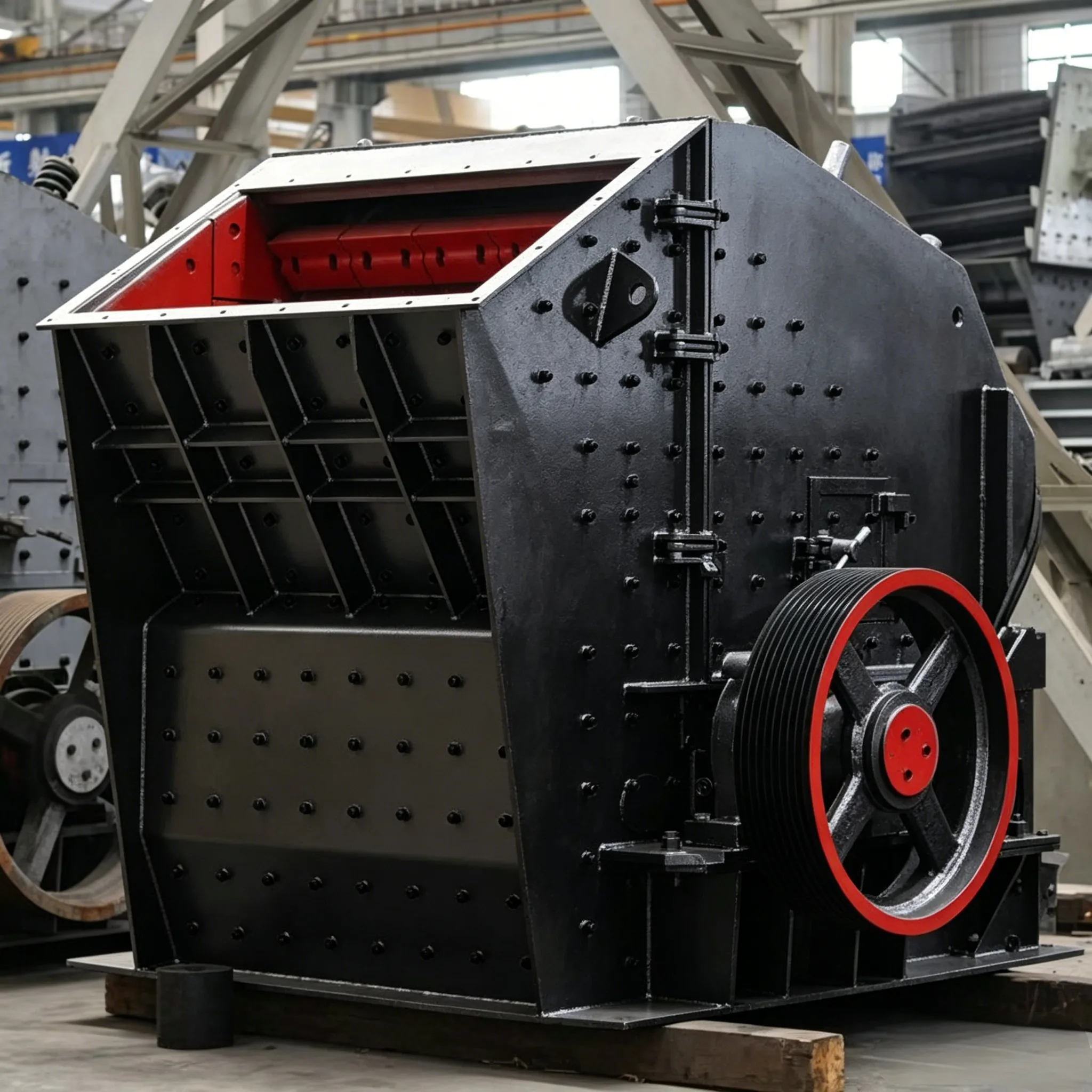
impact crusher, it is a piece of secondary medium & fine crushing and aggregate shaping equipment. It is widely applied in the processing of sand and gravel aggregates, construction waste, limestone, bluestone and other medium-soft brittle materials, and is generally arranged after the jaw crusher for secondary crushing.
Driven by a high-speed rotor, blow bars strike stones violently, and the crushed materials repeatedly collide with impact plates for further fragmentation. Its most prominent advantage is that the finished aggregates feature regular cubic shape with extremely few flaky particles, which fully meets the material standards for high-grade infrastructure projects such as expressways, commercial concrete and bridges.
1.1 Applicable Materials
It is suitable for brittle materials with medium hardness or below (compressive strength ≤ 150 MPa), including limestone, dolomite, coal gangue, construction waste, concrete blocks, bricks, gypsum, etc.
⚠️ It is not recommended for high-hardness ores such as granite, basalt and iron ore, as these materials will cause severe rapid wear to blow bars and lead to extremely high operation and maintenance costs.
1.2 Main Classifications
- PF Series Standard Impact Crusher: General-purpose model with excellent finished aggregate shape, widely used for sand aggregate production and construction waste recycling.
- PFW European Version Impact Crusher: Adopts hydraulic opening design, which greatly facilitates blow bar replacement and internal chamber maintenance with a higher automation level.
- Mobile Impact Crushing Station: Integrated compact structure, which can be directly transported to construction sites for on-site crushing of road aggregates and demolished construction waste.
1.3 Core Application Purposes
- Crush coarse stones processed by jaw crushers into finished construction aggregates ranging from 0–31.5 mm.
- Realize resource recycling of construction waste by crushing waste concrete and bricks into reusable recycled aggregates.
- Process limestone as raw materials for power plant flue gas desulfurization, building materials and lime plants.
2. Main Structure of Impact Crusher
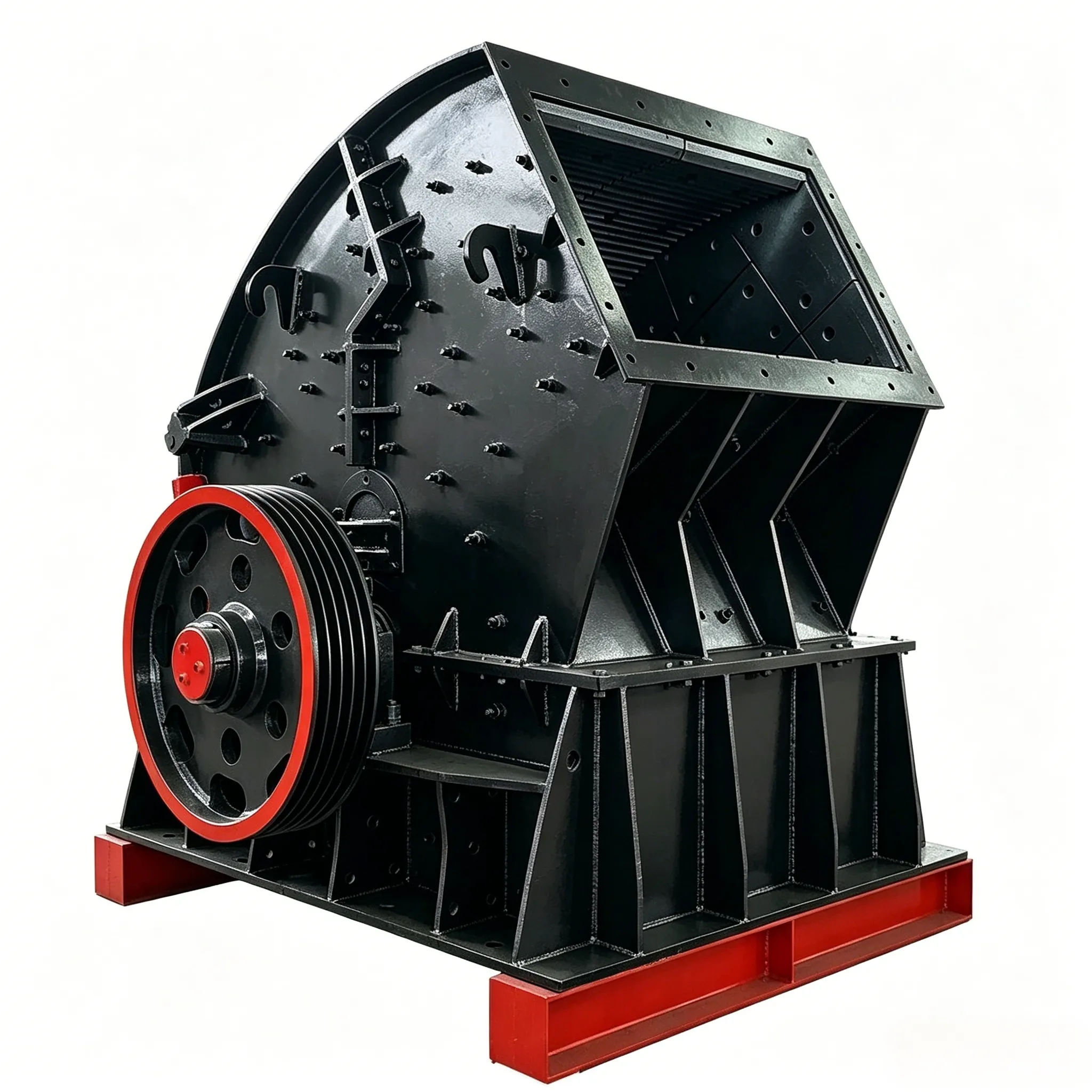
- Feed Inlet: The channel where coarsely crushed stones enter the crushing chamber.
- High-speed Rotor & Blow Bars: The core moving assembly. The motor drives the rotor to rotate at high speed, and blow bars deliver impact force to crush raw stones.
- Primary & Secondary Impact Plates: Curved wear-resistant steel plates that rebound flying stones to achieve multiple impact crushing.
- Adjusting Tie Rod / Hydraulic Adjustment Device: Used to adjust the gap between impact plates and blow bars to control the final discharge particle size.
- Welded Main Frame: Sealed heavy-duty housing that prevents dust leakage and bears strong impact loads during operation.
3. Detailed Working Principle of Impact Crusher
Impact crusher adopts impact crushing technology, and materials go through three stages of repeated fragmentation:
Step 1: Primary High-speed Impact Crushing
Stones pre-crushed by jaw crushers fall into the crushing chamber through the feed inlet. High-speed rotating blow bars fixed on the rotor deliver instantaneous violent impact on materials. The stones crack along their natural fissures under strong impact force and are thrown at high velocity toward the curved impact plates.
Step 2: Secondary Crushing by Colliding with Impact Plates
The high-speed flying stones strike the impact plates fiercely. Most kinetic energy is consumed during the collision, and the stones are fractured once again. After fragmentation, materials slide back along the inner surface of impact plates and return to the striking range of blow bars for repeated crushing.
Step 3: Tertiary Inter-particle Collision Crushing
Inside the sealed crushing chamber, newly fed materials continuously collide and rub against rebounded fragments to realize tertiary crushing. Small particles smaller than the preset gap between blow bars and impact plates are discharged from the bottom outlet of the machine.
Oversized materials will stay in the crushing chamber for repeated striking and collision until their particle size meets the required standard for discharge.
Principle of Discharge Size Adjustment
By operating the tie rod or hydraulic system to change the gap between impact plates and blow bars:
- Smaller gap: Finer finished aggregate size
- Larger gap: Coarser finished aggregate size
4. Advantages & Disadvantages
4.1 Advantages
- Cubic aggregate proportion exceeds 95% with very few flaky particles, no extra shaping equipment is required.
- Large crushing reduction ratio, which can turn large raw stones into qualified finished aggregates in one pass to simplify the whole production process.
- Compact overall structure with sealed crushing chamber, achieving low dust emission when equipped with supporting dust removal devices.
- Excellent performance in construction waste recycling with high resource utilization rate.
4.2 Disadvantages
- High-hardness rocks cause rapid wear of blow bars and impact plates, leading to frequent replacement of vulnerable parts.
- Wet and clay-rich materials tend to adhere to impact plates, resulting in chamber blockage and unplanned production shutdowns.
- High noise and vibration are generated during continuous high-speed impact operation.
5. Common Production Line Configuration Schemes
- Limestone & Construction Waste Sand Aggregate Production LineVibrating Feeder + Jaw Crusher + Impact Crusher + Vibrating Screen
- For high-hardness rocks such as granite and basalt: Impact crushers are not suitable for secondary crushing; hydraulic cone crushers shall be adopted instead.