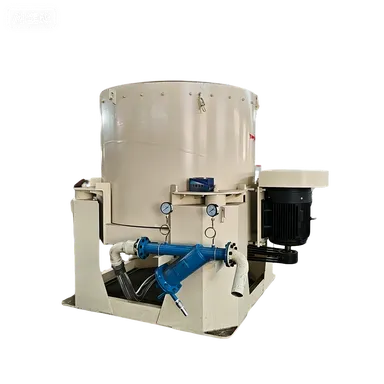
Центробежный концентратор
Центробежный концентратор — высокоэффективный гравитационный концентратор мелких частиц. Обзор продукта. Центробежный концентратор…

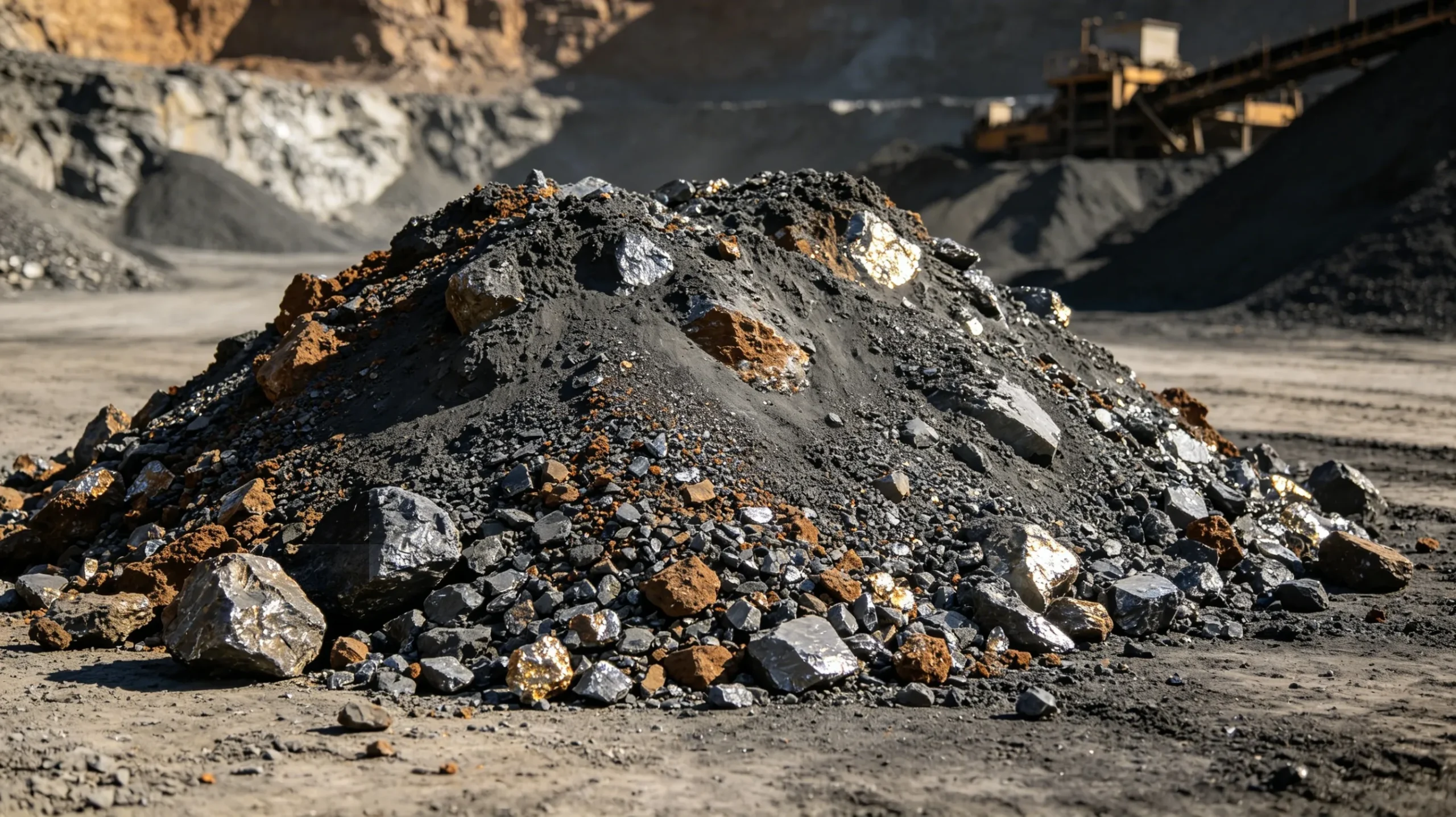
Баошанский свинцово-цинково-серебряный рудник представляет собой сложное месторождение. Руда, перерабатываемая на обогатительной фабрике, поступает как из первичных, так и из выветренных рудных тел. Основными ценными минералами в руде являются халькопирит, молибденит, галенит, сфалерит, висмутинит, пирит, шеелит и вольфрамит. Основными минералами пустой породы являются гроссуляр, андрадит, кварц, кальцит, пироксен, роговая обманка, каолинит и др. Флотационные хвосты сульфидных руд на обогатительной фабрике содержат низкосортные вольфрамовые минералы, главным образом шеелит. В хвостах первичной руды после флотации свинца и цинка содержится 0,127% WO₃, из которых на долю шеелита приходится около 81%, вольфрамита — 16%, а тунгстатита — 3%. Размер частиц шеелита составляет 80%, с концентрацией в диапазоне -0,074 мм +0,037 мм; размер частиц вольфрамита составляет 65% и сосредоточен в диапазоне от -0,037 мм до +0,019 мм. Основное минеральное содержание и гранулометрический состав хвостов первичной флотации руды приведены в таблицах 4‑53 и 4‑54 соответственно.
Таблица 4‑53. Содержание основных минералов в хвостах первичной флотации руды (%)
| Минерал | Гроссуляр | Андрадит | Геденбергит | Кальцит | москвич | Кварц | Лимонит | Марказит | Гематит | Прочее |
|---|---|---|---|---|---|---|---|---|---|---|
| Массовая доля | 39.2 | 7.1 | 13.1 | 12.5 | 11.4 | 8.2 | 3.2 | 0.06 | 0.3 | 4.98 |
Таблица 4‑54. Фракционный состав и распределение металлов в хвостах первичной флотации руды
| Размер частиц / мм | Доходность / % | Марка WO₃ / % | Распределение WO₃ / % |
|---|---|---|---|
| +0.074 | 31.74 | 0.12 | 30.23 |
| -0.074+0.037 | 22.61 | 0.13 | 23.32 |
| -0.037+0.019 | 8.34 | 0.13 | 8.60 |
| -0.019+0.010 | 12.97 | 0.12 | 12.35 |
| -0.010 | 24.34 | 0.13 | 25.50 |
| Всего | 100.00 | 0.126 | 100.00 |
Характеристики хвостов флотации выветренной руды схожи с характеристиками первичной руды: массовая доля WO₃ составляет 0,134%, однако массовая доля вольфрамита несколько выше, чем в первичной руде, и составляет около 25%. Размер частиц шеелита относительно мелкий, причём большая часть сосредоточена в диапазоне от -0,074 мм до +0,019 мм. Попутные минералы представлены в основном геденбергитом, а также значительными количествами полевого шпата и железосодержащих минералов.
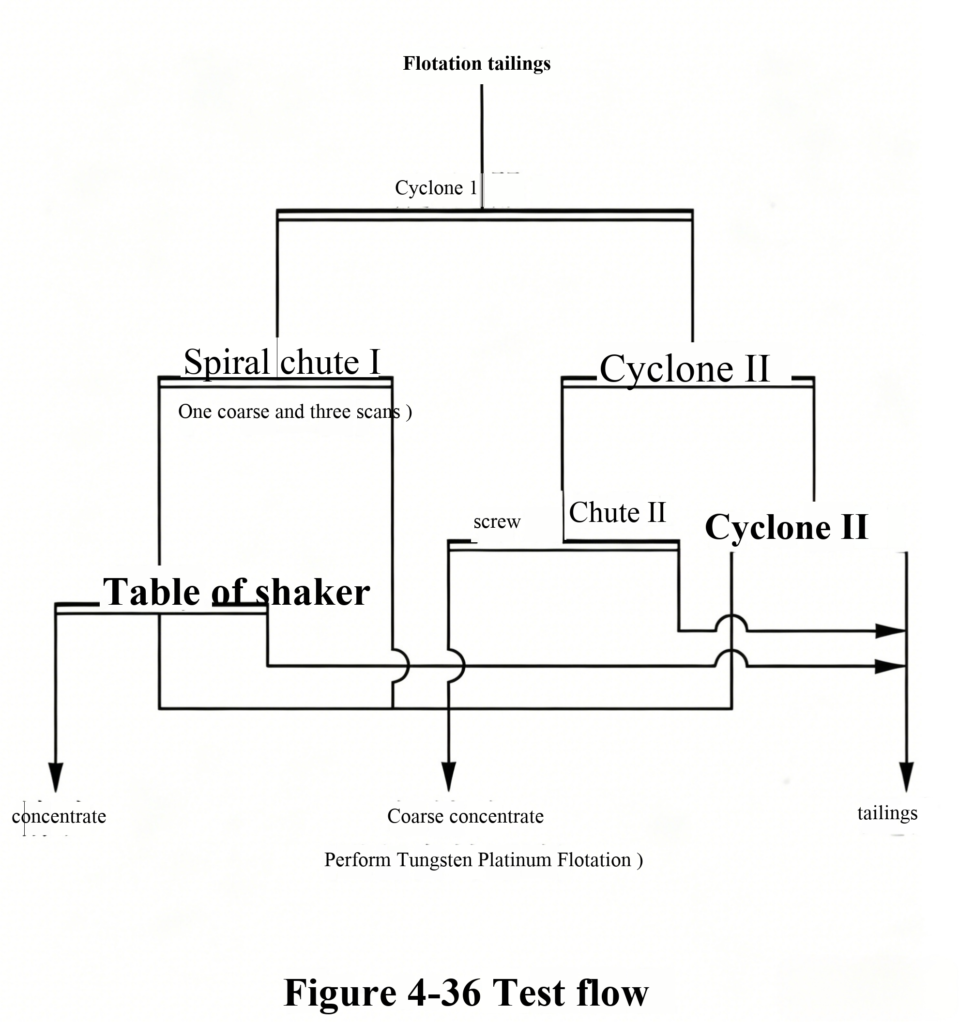
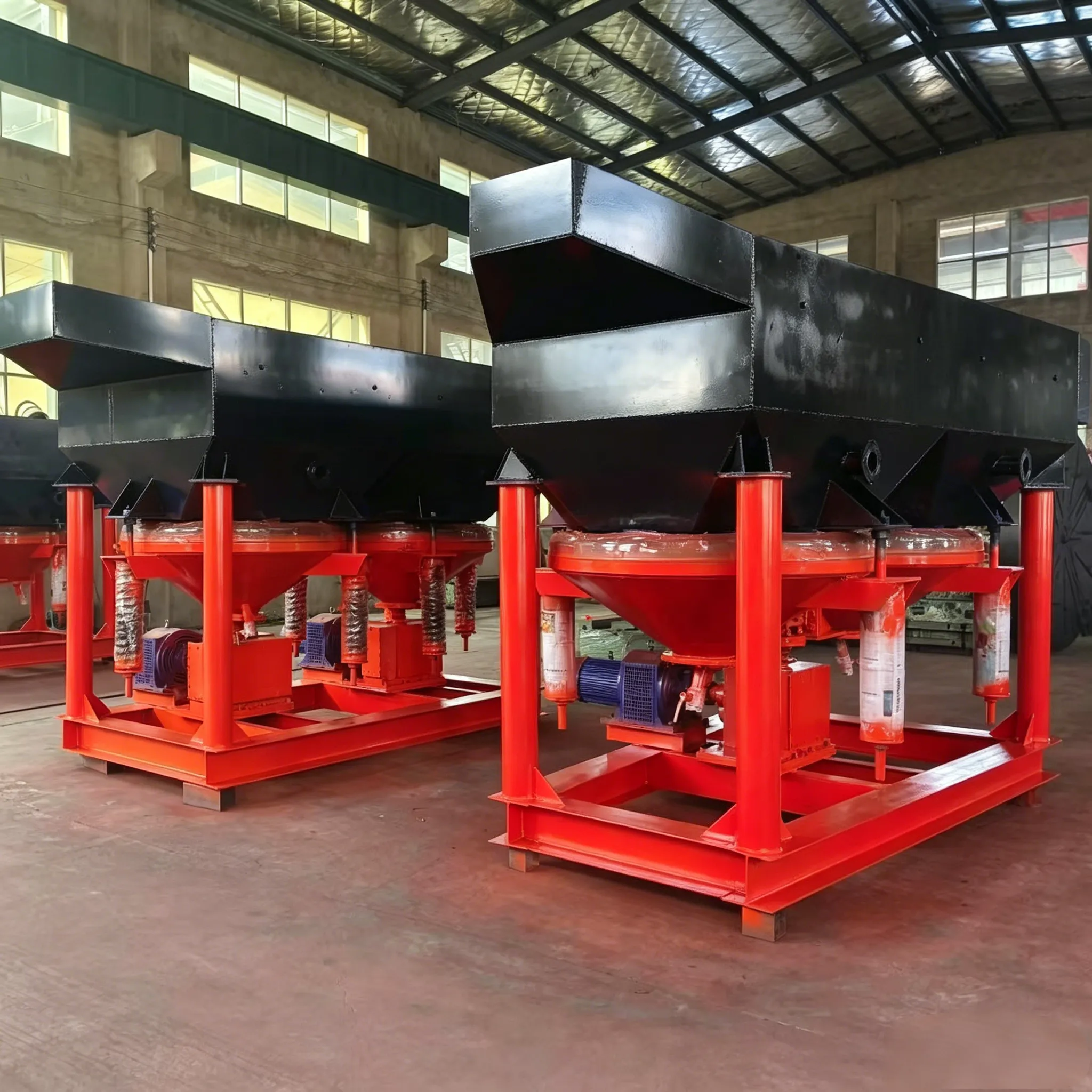
Экспериментальные исследования показывают, что использование гидроциклона, спирального желоба и вибрационного стола для предварительной концентрации вольфрамовых минералов в хвостах флотации позволяет снизить расход реагентов при флотации шеелита и обеспечить раннее извлечение вольфрамита. В частности, хвосты сначала классифицируются с помощью гидроциклона с коротким конусом, затем отсортированный материал проходит через спиральный желоб для получения грубого концентрата. Затем грубый концентрат обрабатывается на вибрационном столе для извлечения вольфрамита, после чего проводится флотация шеелита (см. рис. 4-36). В результате этого процесса получается концентрат с содержанием WO₃ 47,29%–50,56% и коэффициентом извлечения 18,62%–20,18%. Одновременно образуется грубый концентрат (выход 26,95%–34,02%), требующий дальнейшей флотации шеелита. По сравнению с одноступенчатой флотацией количество материала, требующего флотации шеелита, сокращается на 73,05%–65,97%, что позволяет значительно сократить расход реагентов и снизить затраты на обогащение.
 English English
  Spanish
 Russian
 Arabic
 Swahili
 French
 Turkish
 Portuguese
 Korean
 Japanese
 German
 Italian