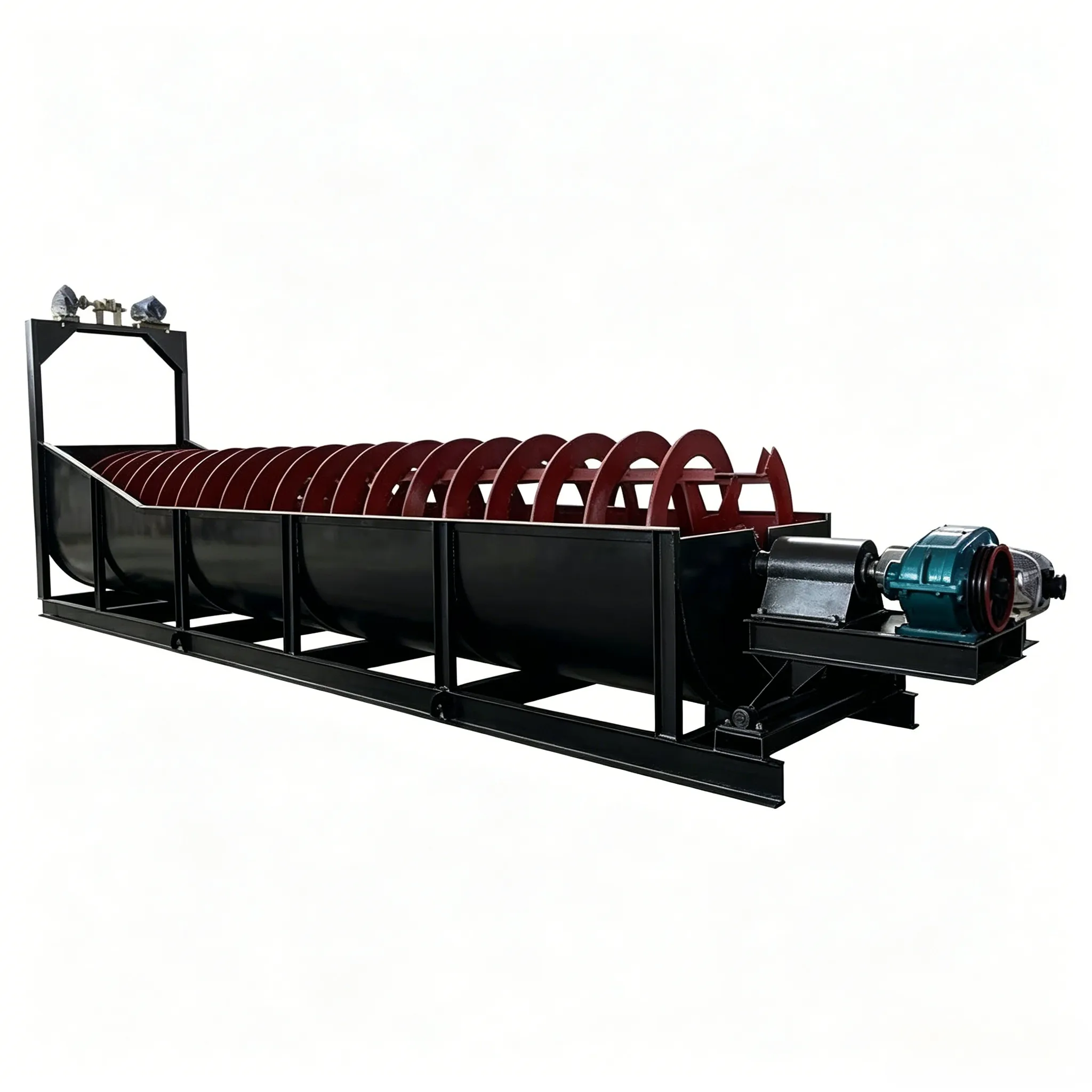
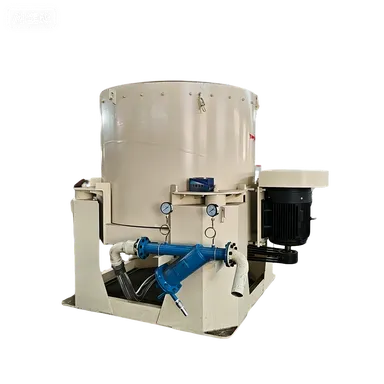
Spiral Ayırıcı
Spiral Sınıflandırıcının Çalışma Prensibi Öğütme değirmeninden boşaltılan hamur…

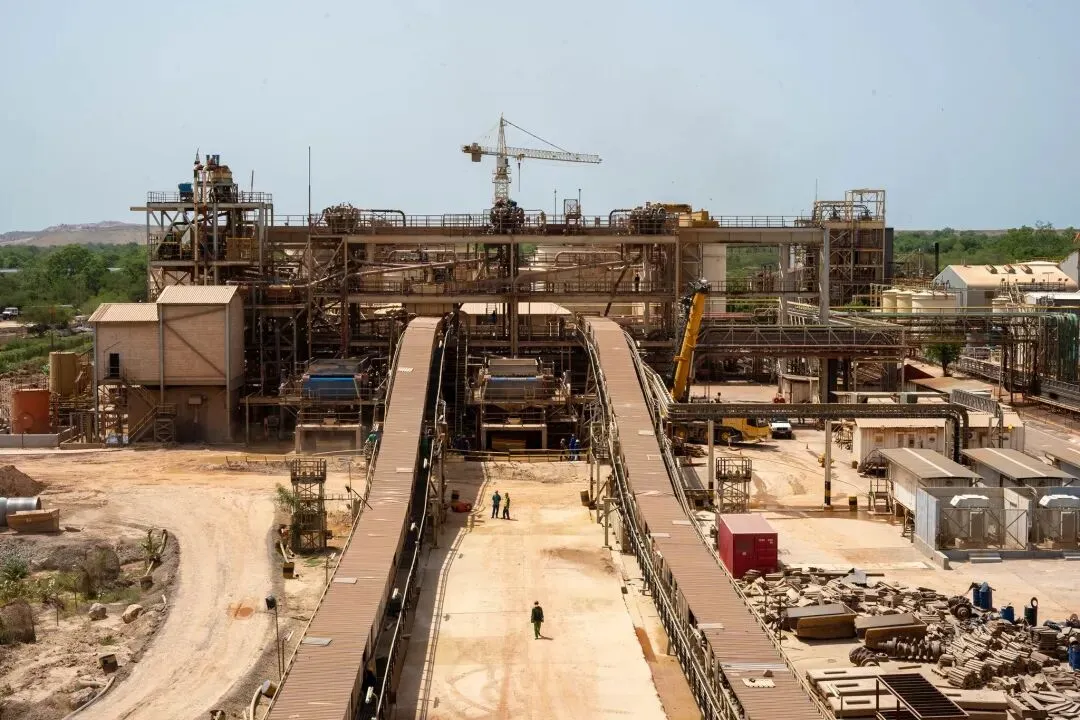
Zijin Gold International plans to acquire Allied Gold (TSX/NYSE: AAUC) for USD 4 billion, but the deal is facing delays due to internal doubts over valuation and risk.
I. Transaction Background
Timing: December 2025 (shortly after Zijin Gold was spun off from Zijin Mining and listed in Hong Kong)
Consideration: CAD 5.5 billion (about USD 4 billion) in cash, CAD 44 per Allied Gold share
Core assets (3 gold mines in Africa):
Sadiola gold mine in Mali (accounting for about 50% of Allied Gold’s output)
A large gold mine complex in Côte d’Ivoire
The Kurmuk project in Ethiopia (to start production in 2026)
2025 capacity: the first two mines produced nearly 380,000 ounces of gold, exceeding expectations
II. Core Concerns of Chinese Regulators (National Development and Reform Commission)
Valuation premium dispute: the transaction premium is about 5%, and its reasonableness is questionable
Jurisdictional/geopolitical risk: Mali’s political situation is unstable, and mining risk is high (contributing half of output)
III. Latest Developments (2026-05-29)
Shareholder approval: Allied Gold’s shareholders’ meeting approved the deal in April 2026
Regulatory approvals:
✅ Antitrust approvals from Canada, ECOWAS, and COMESA
❌ China’s NDRC has not yet given the green light (main reason)
Deadline extension: extended from May 29 to July 29 (further extension requires mutual consent)
Market reaction: the Toronto-listed stock fell about 6.5%, with a market capitalization of CAD 4.4 billion
Official statement (Allied Gold): the transaction has strong industrial and commercial logic, and both sides are still pushing forward with full effort
IV. Key Data at a Glance
Ürün
Ayrıntılar
Acquirer
Zijin Gold International (Zijin Mining holds 85%, 02259.HK) Zijin Mining
Target
Allied Gold (AAUC)
Transaction amount
CAD 5.5 billion ≈ USD 4 billion
Core risk
Mali geopolitical/operational risk
Current status
Non-Chinese regulatory approvals obtained; deadline extended to 7/29
Location: about 67–80 km southwest of Kayes in western Mali, about 400 km northwest of the capital Bamako.
Equity: Allied Gold 80%, Malian government 20%.
Production start/history: production began in 1996, with 29 years of continuous production; cumulative gold output of about 8.8 million ounces (274 tonnes).
Mine type: large open-pit mine, including the main pit (primary ore) and the Korali-Sud pit (oxide ore).
Proven + probable reserves: 7 million ounces (218 tonnes), grade 1.45 g/t.
Measured + indicated resources: 10 million ounces (310 tonnes), grade 1.46 g/t.
Oxide ore: about 30%, easy to process and low cost; primary ore (sulfide ore): about 70%, high arsenic and high processing cost.

 English English
 Spanish
 Russian
 Arabic
 Swahili
 French
 Turkish
 Portuguese
 Korean
 Japanese
 German
 Italian