Trituradoras de martillos
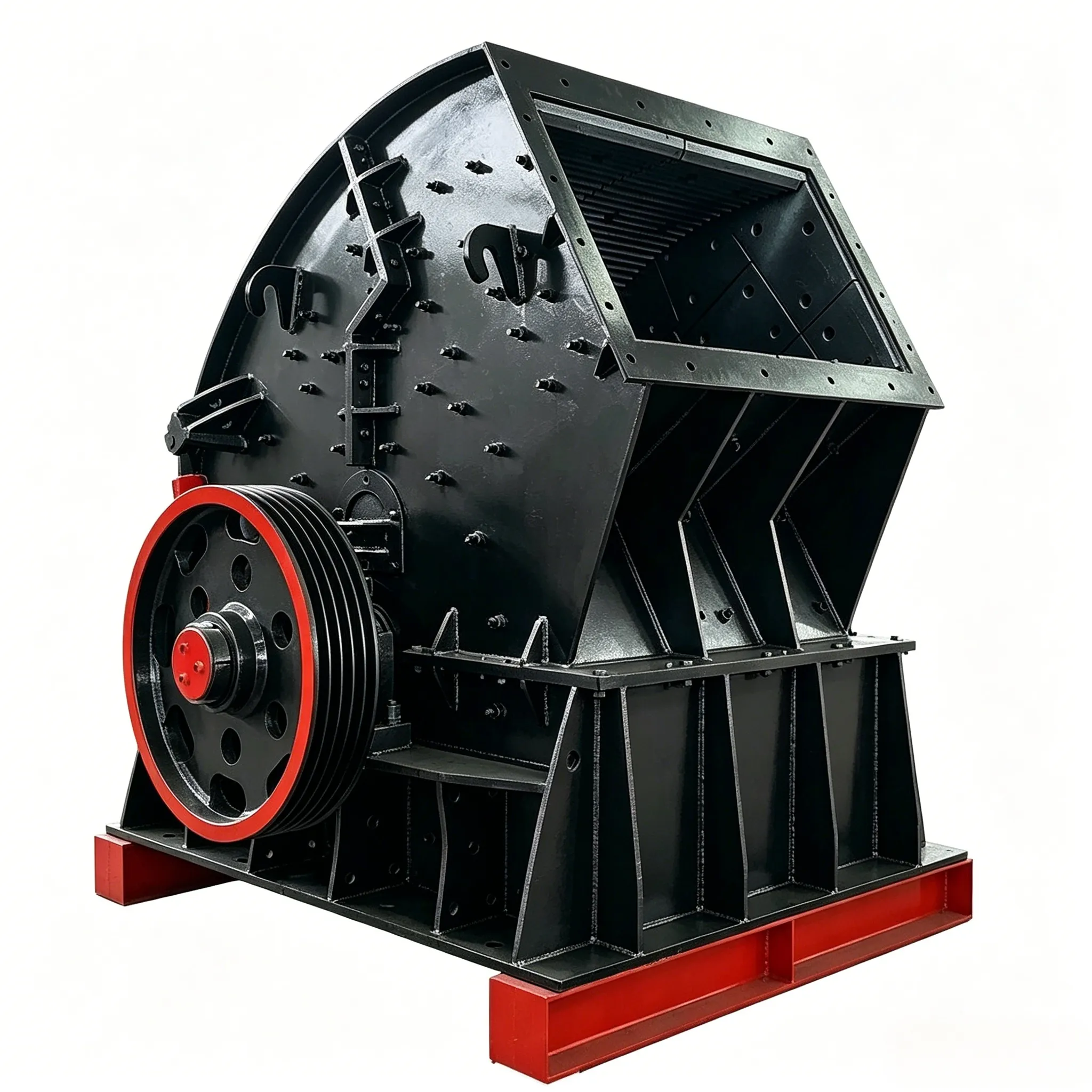
Types of Hammer Crushers Since its introduction in 1924, the hammer crusher…

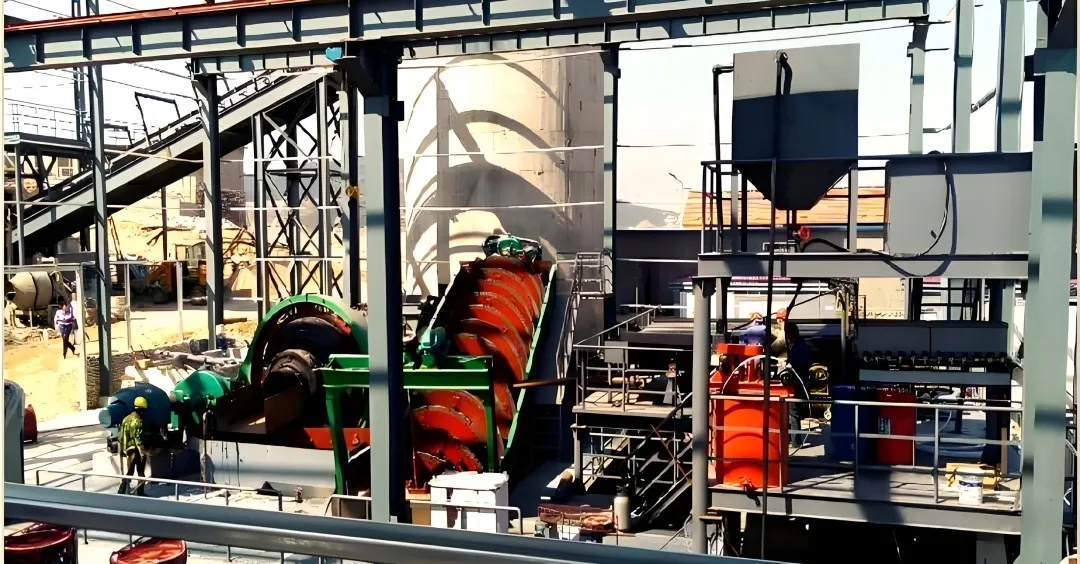
For the same 1000-ton capacity, three different process routes require vastly different equipment configurations, potentially resulting in a difference of several million yuan in total investment. How should the process be selected? What equipment should be chosen? What is the specific investment amount?
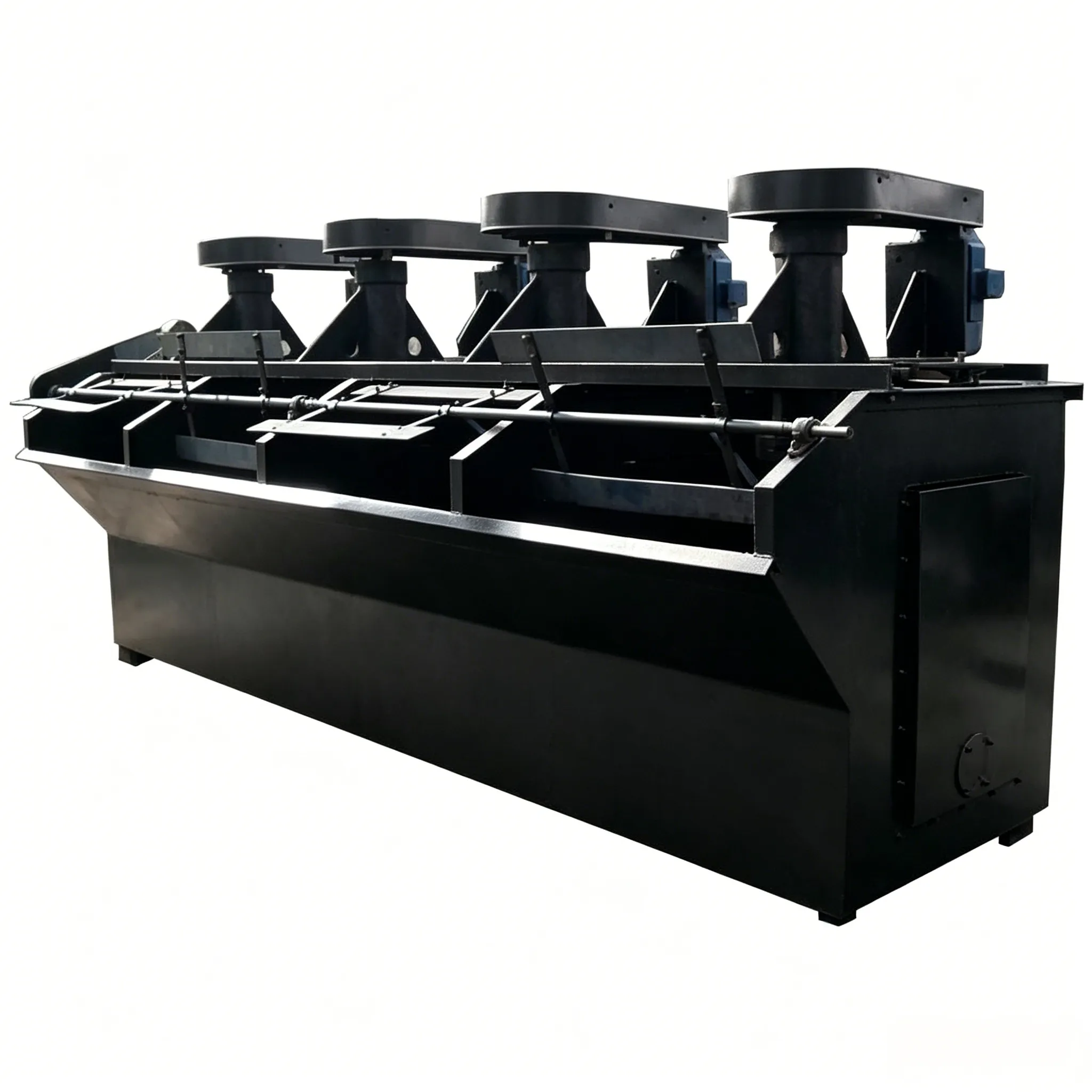
I. How to Choose the Process? The beneficiation process determines the equipment configuration and total investment of the entire production line. The core indicators are: gold grade, grain size, and associated minerals. Chemical-In-Pulp (CIL) Cyanide Process: Suitable for oxide ores or quartz vein-type ores with a gold grade of 1-5 g/t, achieving a recovery rate of 90%-95%. With moderate investment, it is the preferred process for 1000-ton scale operations. Flotation: Suitable for ores where gold is associated with sulfide ores (pyrite, arsenopyrite), or ores requiring comprehensive recovery of valuable elements such as copper and lead. Recovery rate is 85%-92%, with the concentrate sold to smelters. Combined Gravity Separation and Flotation: Suitable for ores containing coarse gold particles (>0.5 mm). Gravity separation recovers the coarse gold particles in advance, avoiding over-grinding losses. The overall recovery rate can reach over 90%. In short: Oxide ores without coarse gold particles → prioritize whole-sludge cyanide processing; ores containing coarse gold particles or associated sulfides → prioritize flotation or a combined process. II. Complete Equipment List: This list outlines the core equipment for each system in the mainstream whole-sludge cyanide carbon-in-pulp process (1000 tons/day).
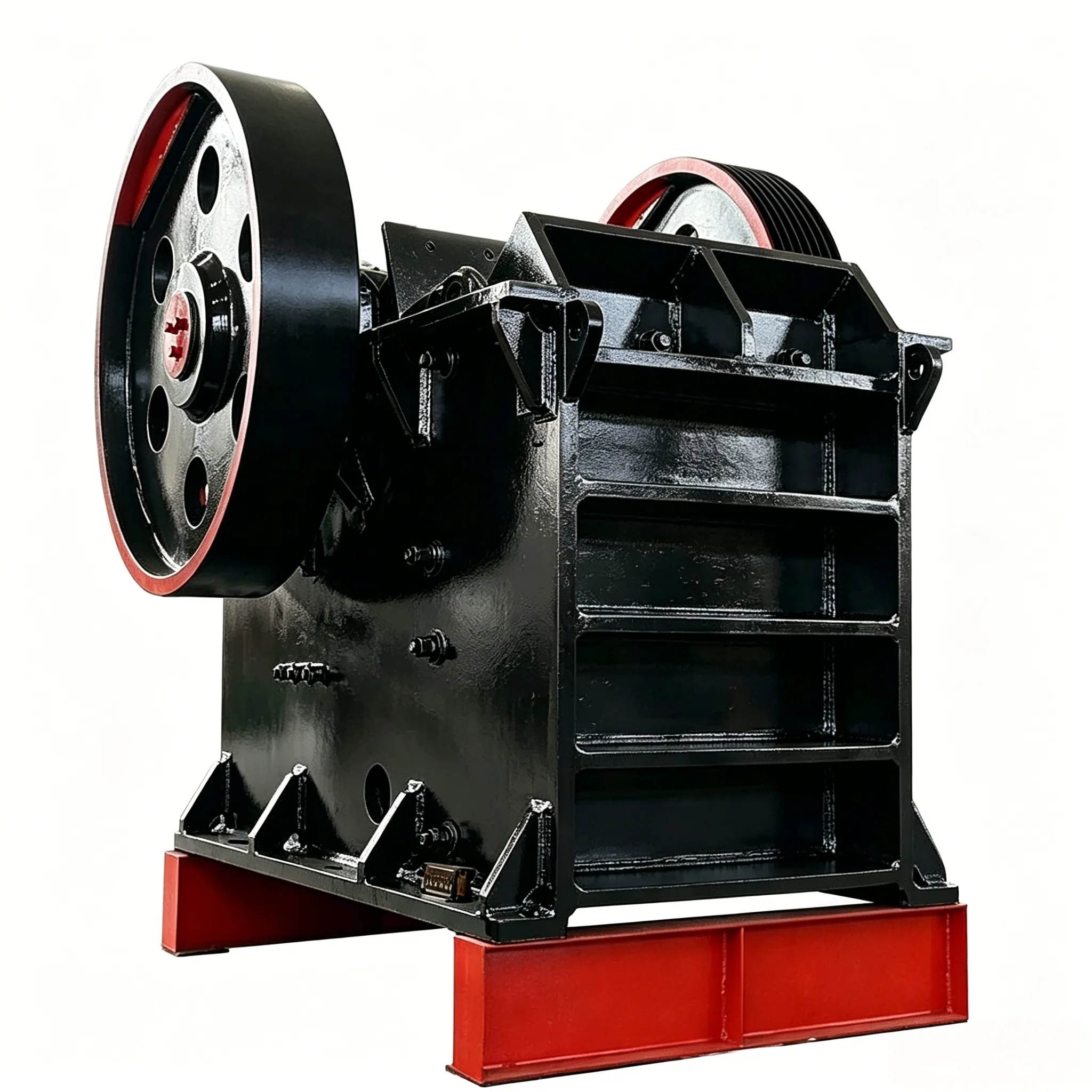
2.1 Crushing System: Jaw Crusher: PE-600×900, processing capacity 50-120t/h, feed ≤500mm, discharge ≤150mm, used for initial coarse crushing. Cone Crusher: HST160, processing capacity 50-100t/h, discharge particle size ≤20-50mm, responsible for medium and fine crushing. Vibrating Screen: 2YKJ-1848 type double-layer screen, processing capacity 80-200t/h.
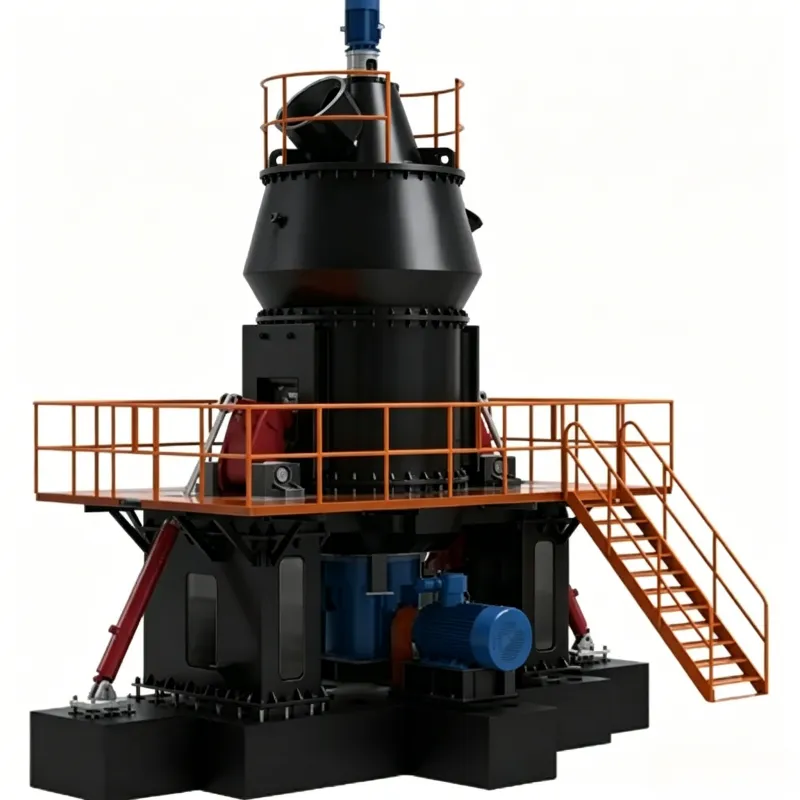
2.2 Grinding System: Molino de bolas: MQG-2736 type (Φ2700×3600), motor power 380kW, processing capacity 80-150t/h. Hydrocyclone Group: Classifies the grinding products; coarse particles are returned to the ball mill for regrinding, while fine particles enter the next process. The whole mud cyanidation process requires grinding fineness to reach 85%-95% of the material at a mesh size of 200 mesh. If the fineness is insufficient, the leaching rate will decrease directly.
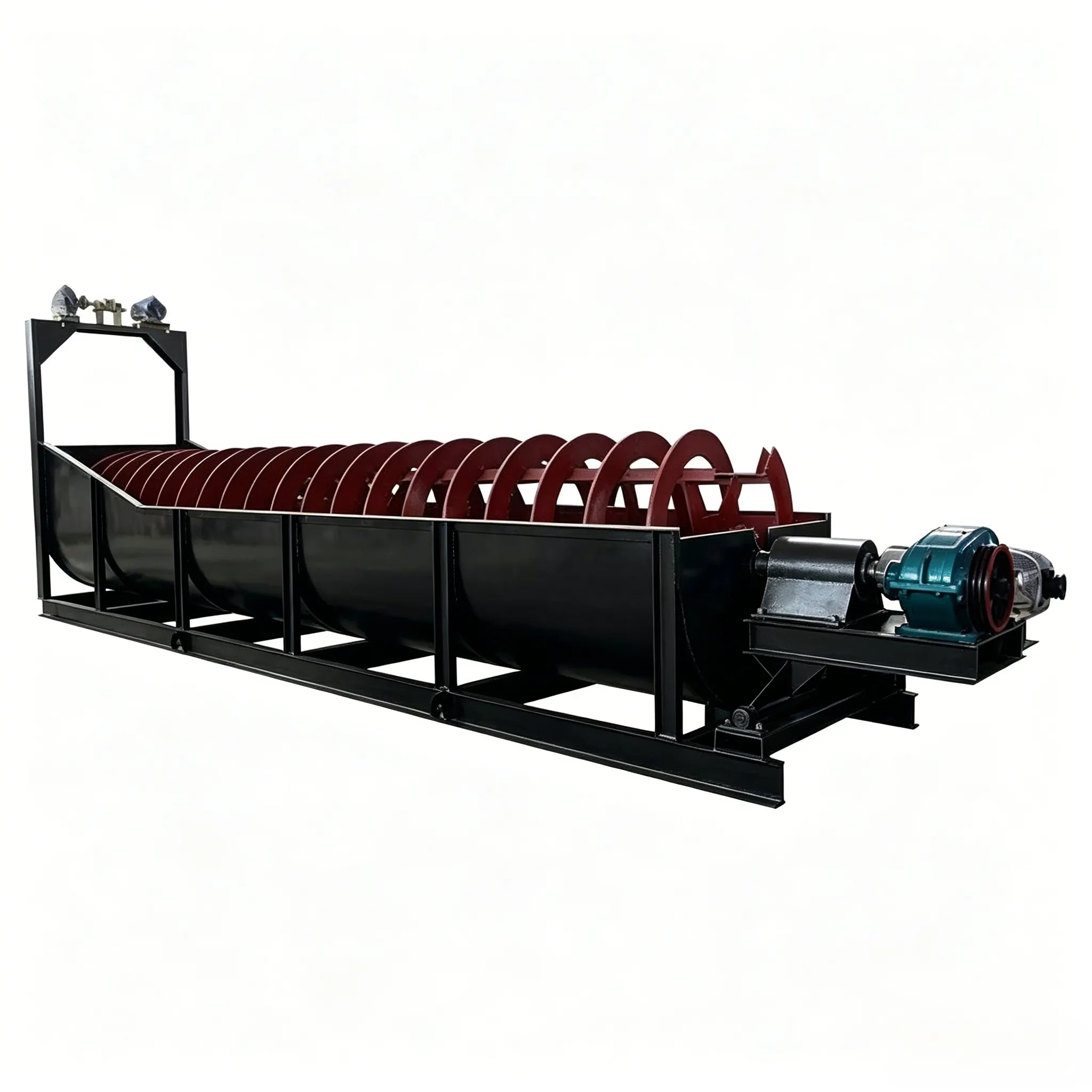
2.3 Leaching Stage of the Separation System: Leaching Stirring Tanks: 6-10 large stirring tanks (Φ3500×3500) connected in series, equipped with air distributors and low-speed agitators, ensuring full contact between the cyanide solution and the ore slurry, allowing gold to dissolve and form gold-cyanide complexes. High-efficiency Thickener (Pre-leaching): NZ-12 type, adjusting the ore slurry concentration to 40%-45% to create optimal conditions for leaching. Adsorption and Gold Extraction Stage: Activated Carbon Adsorption Tanks: 4-6 connected in series, with activated carbon continuously moving within the tank to adsorb gold-cyanide complexes. After saturation, the adsorption enters the desorption electrolysis system. High-Temperature and High-Pressure Desorption Electrolysis Equipment: Desorption column temperature 135℃, pressure 0.3MPa, washing gold off the activated carbon, then depositing gold on the cathode through electrodeposition. Smelting Furnace: Adding flux (borax, saltpeter, etc.) to the electrodeposited gold mud, smelting at high temperature to cast gold ingots.
2.4 Auxiliary System: Feeder: Plate or vibrating feeder, uniformly and stably feeding the ore into the crusher. Reagent Preparation System: Includes lime slurry preparation, automatic sodium cyanide dosing, and online pH monitoring to ensure stable chemical conditions during the leaching process. Thickener (Post-Leaching): NT-15 model, concentrates the leached slurry to recover gold-containing solutions. Tailings Filter Press: Chamber filter press reduces tailings moisture content to below 20%, enabling dry stacking and eliminating the need for a large tailings dam. Power Distribution and Automation System: PLC control cabinet, low-voltage power distribution, and field instruments enable fully automated plant operation.
III. How Much Investment? This is the most pressing question.
Total investment for the complete set of equipment: 4 million – 6.8 million RMB (including civil engineering)
Total investment for the entire plant: 8 million – 15 million RMB
Specific items:
Crushing system: 500,000 – 900,000 RMB
Grinding system: 500,000 – 900,000 RMB
Benefiting system (leaching + adsorption + desorption electrolysis + smelting): 1.8 million – 3.1 million RMB
Auxiliary system: 800,000 – 1.3 million RMB
Power distribution and automation: 300,000 – 600,000 RMB
Note: The above prices are for equipment delivered to the site and do not include installation, commissioning, civil engineering, tailings dam, and unforeseen expenses.
Three key variables affecting investment: