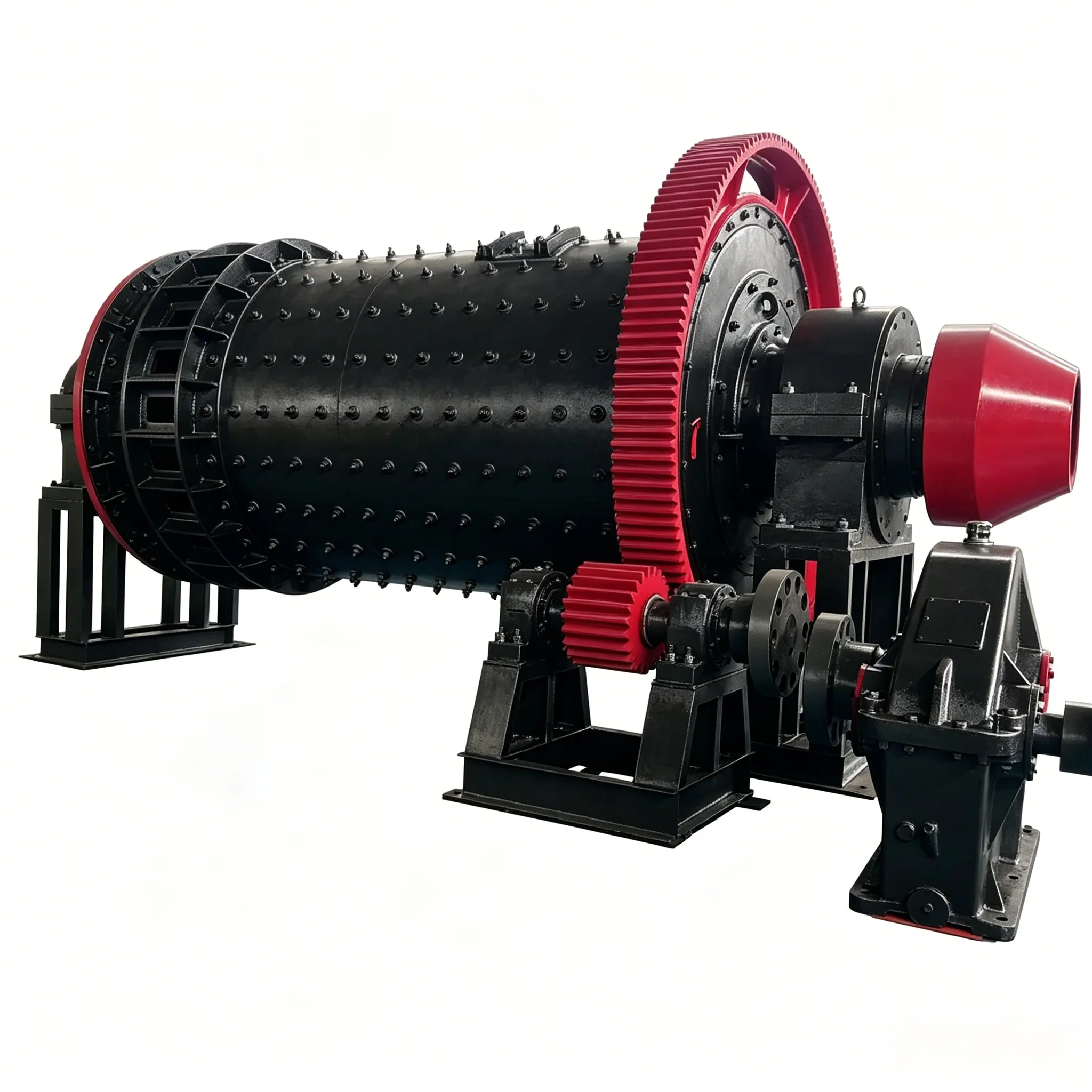
Molino de barras
Construction of a Rod Mill Wet rod mills can be classified into…


Inhibitors play a decisive role in the preferential flotation of polymetallic ores and some refractory ores. One method is to keep other conditions constant and only change the type and dosage of inhibitor, conducting flotation tests separately to find the most effective type and the most suitable dosage.
Inhibitors sometimes interact with collectors, pH adjusters, and other factors. A small collector dosage may require a small inhibitor dosage, while a large collector dosage may require a large inhibitor dosage. The addition of inhibitors such as zinc sulfate, water glass, cyanide, and sodium sulfide will change the pH of the pulp. Furthermore, mixed inhibitors are often used, and interactions also exist between the different inhibitor types. In such cases, the research task becomes more complex, requiring grouped experiments to determine the composition ratio of different inhibitor types. For example, two inhibitors, A and B, can be divided into several groups such as 1:1, 1:2, and 1:4. Alternatively, the dosage of inhibitor A can be fixed at several values, and a series of experiments can be conducted by changing the dosage of inhibitor B to determine the most suitable composition ratio of the mixed inhibitors.