
Tamaño del pienso: ≤35 mm
Salida del producto: 10–80 t/h
Fineness: 80-400 malla
Materiales aplicables: calcite, limestone, marble, barite, kaolin, bentonite, talc, gypsum, graphite, fluorite, etc.
Introduction to Large Raymond Mill
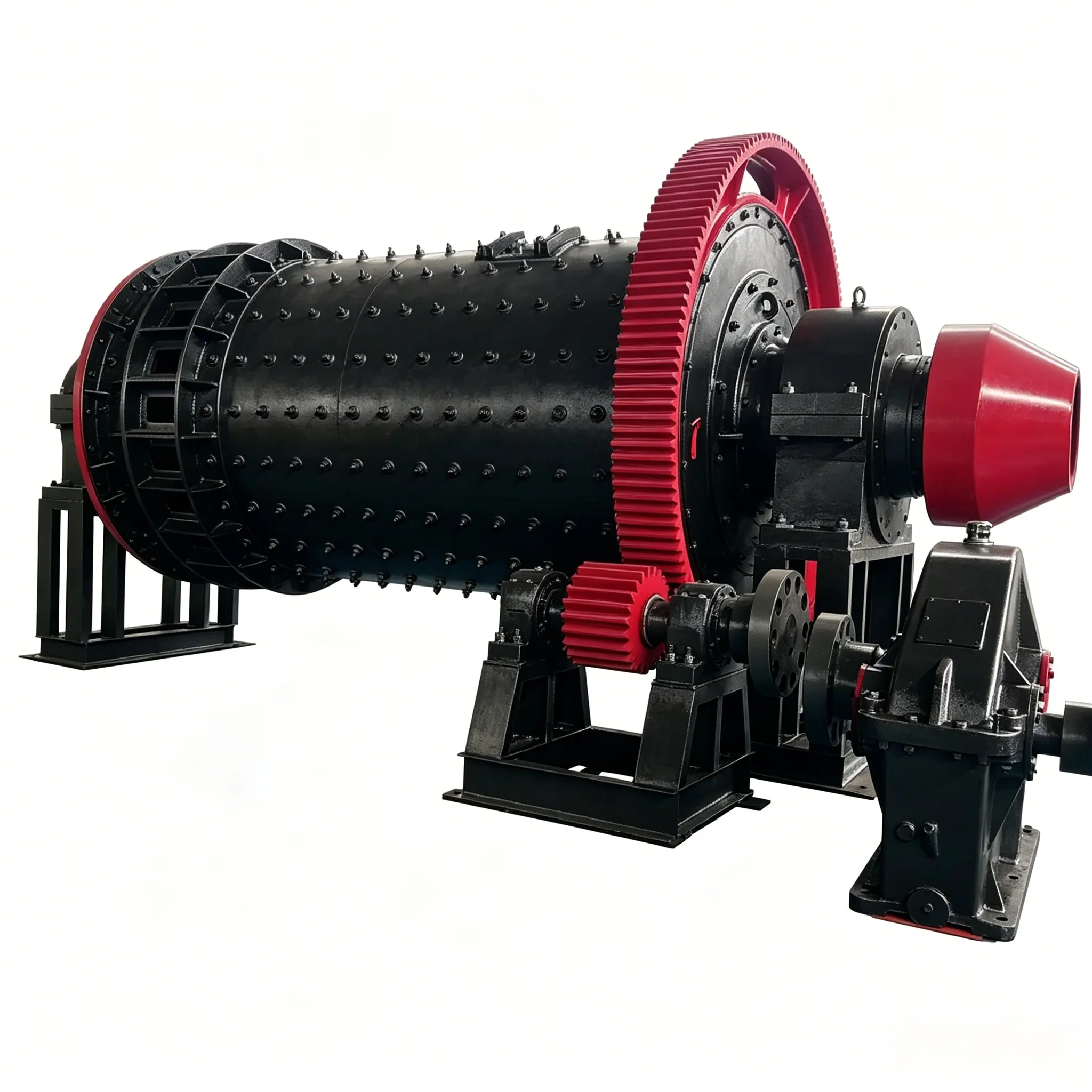
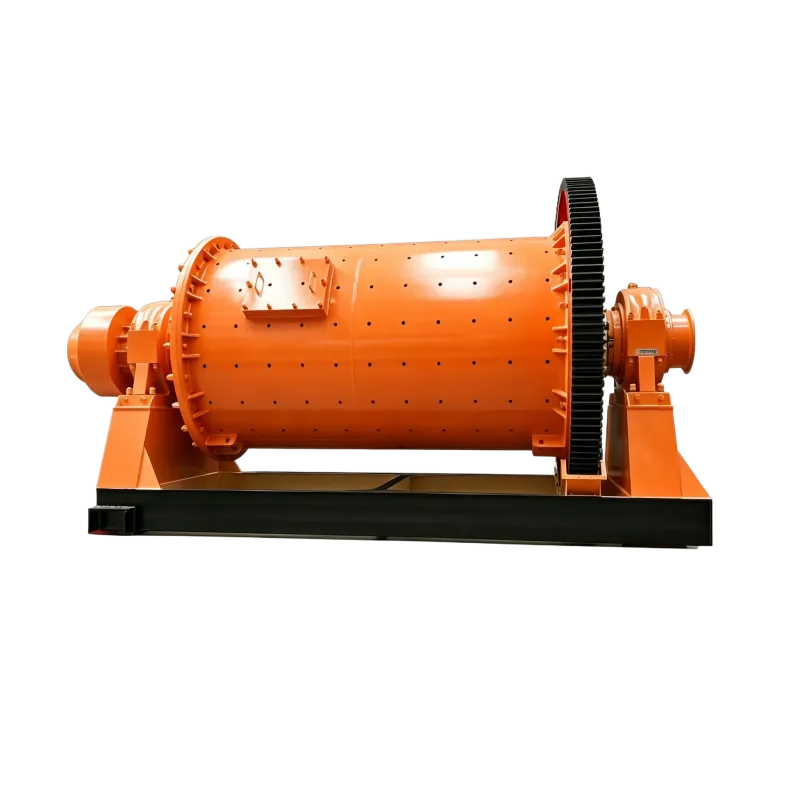
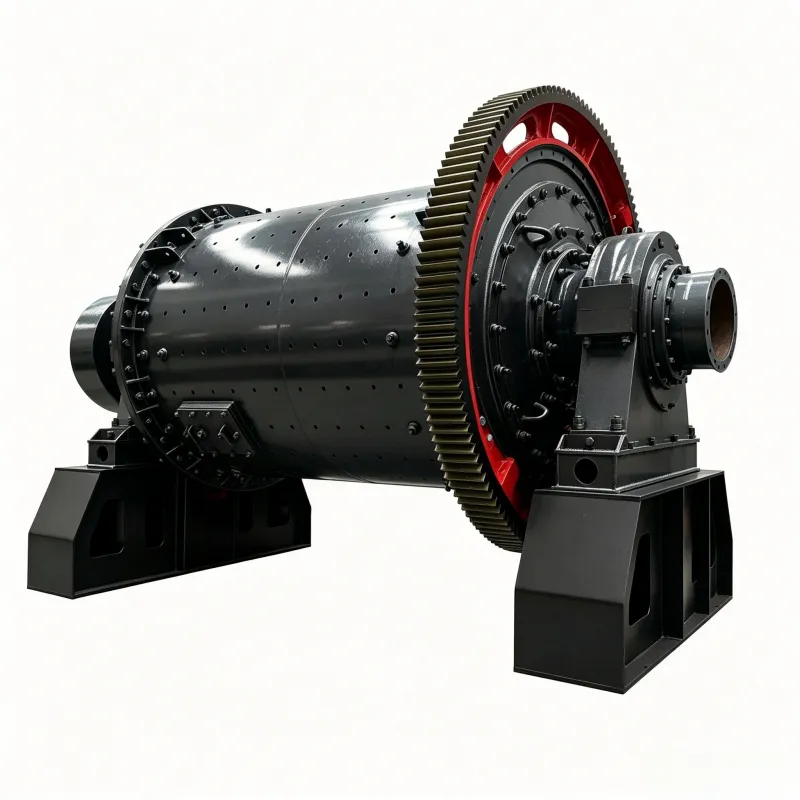
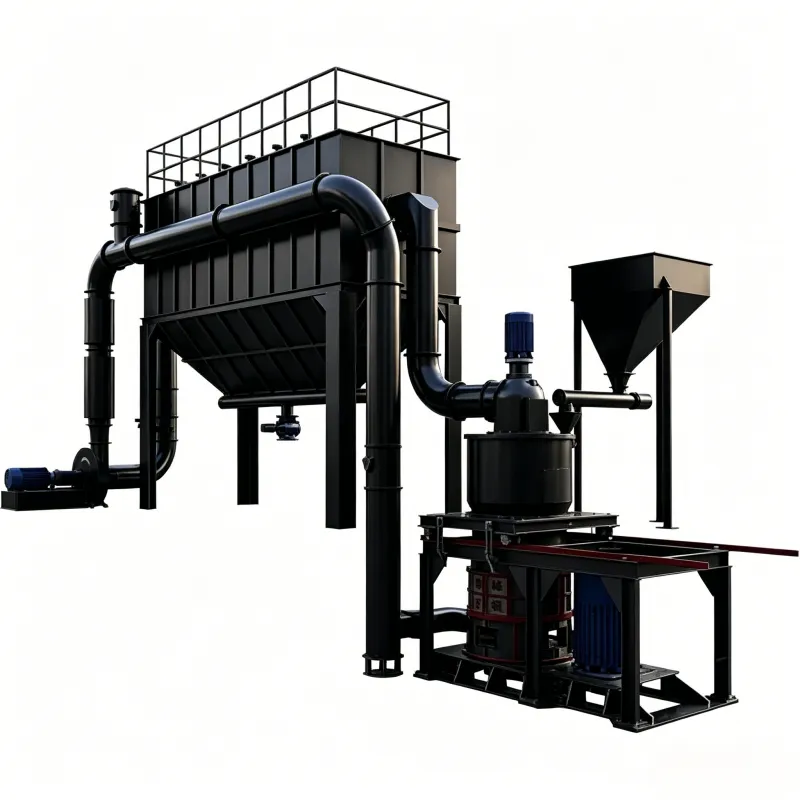
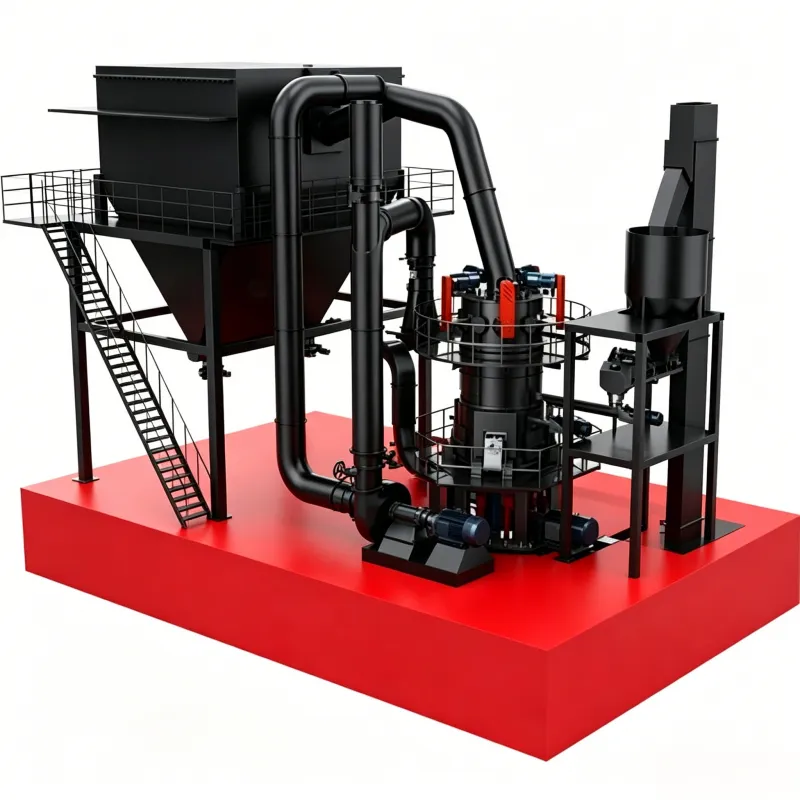
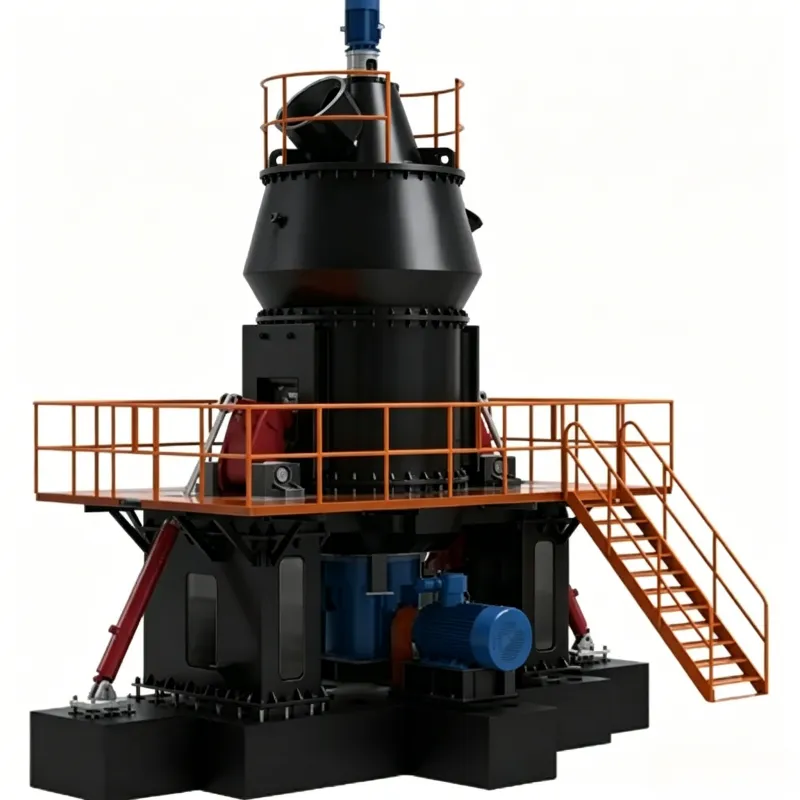
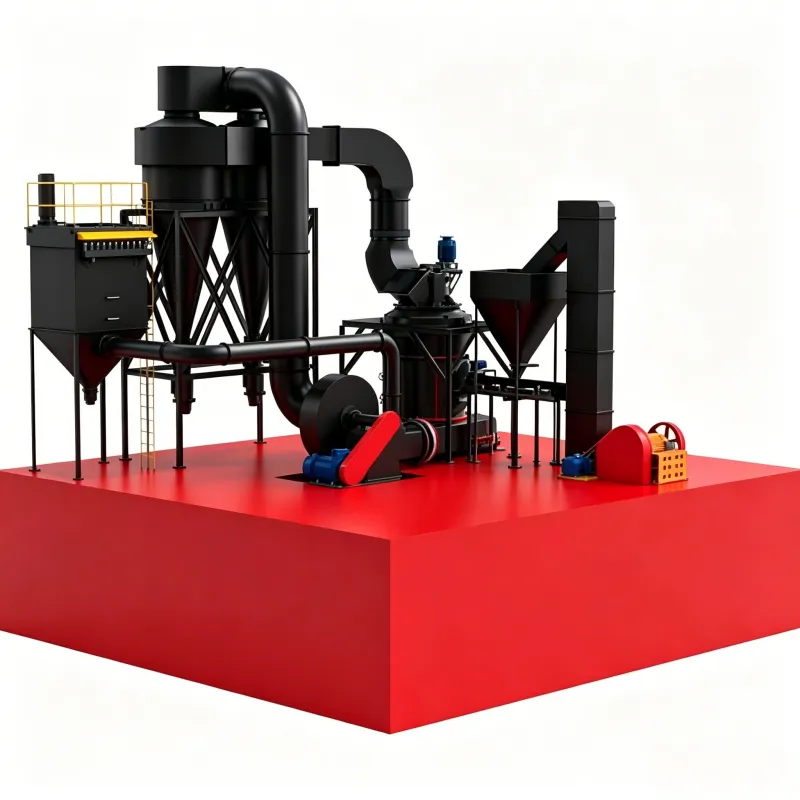
The KX large Raymond mill is a large-scale grinding equipment designed by KENEX Mining Machinery for industrial mass production needs. It features 4 or more grinding rollers. The base is manufactured using an integral casting process with high precision. By eliminating(assembly gaps), the equipment achieves uniform load distribution across the entire contact surface with the ground, effectively protecting core grinding components such as the grinding rollers and grinding ring. This provides a strong guarantee for the smooth operation of the large Raymond mill. Compared to traditional split-type designs, the structural rigidity of the equipment is increased by 40%, and operating vibration amplitude is reduced by 60%. It is mainly used in large-scale powder production projects with a capacity of over 10 tons per hour.
Features and Advantages of Large Molino Raymond
Process Flow of Large Raymond Mill
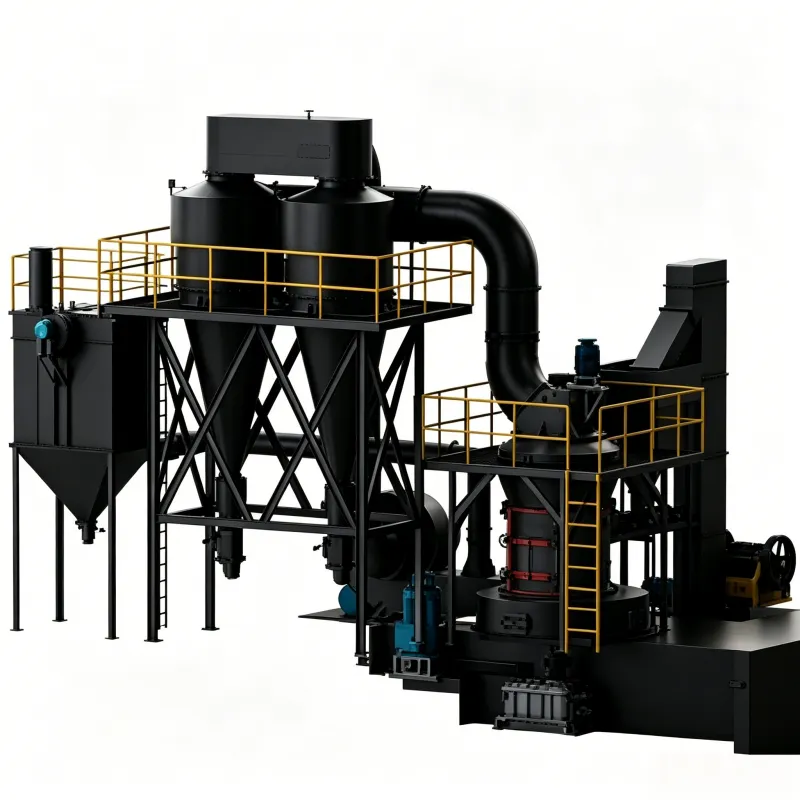
Raw Material → Crusher → Bucket Elevator → Vibrating Feeder → Large Raymond Mill → Double Cyclone Collector → Pulse Bag Filter → Finished Product
1. Raw Material Processing
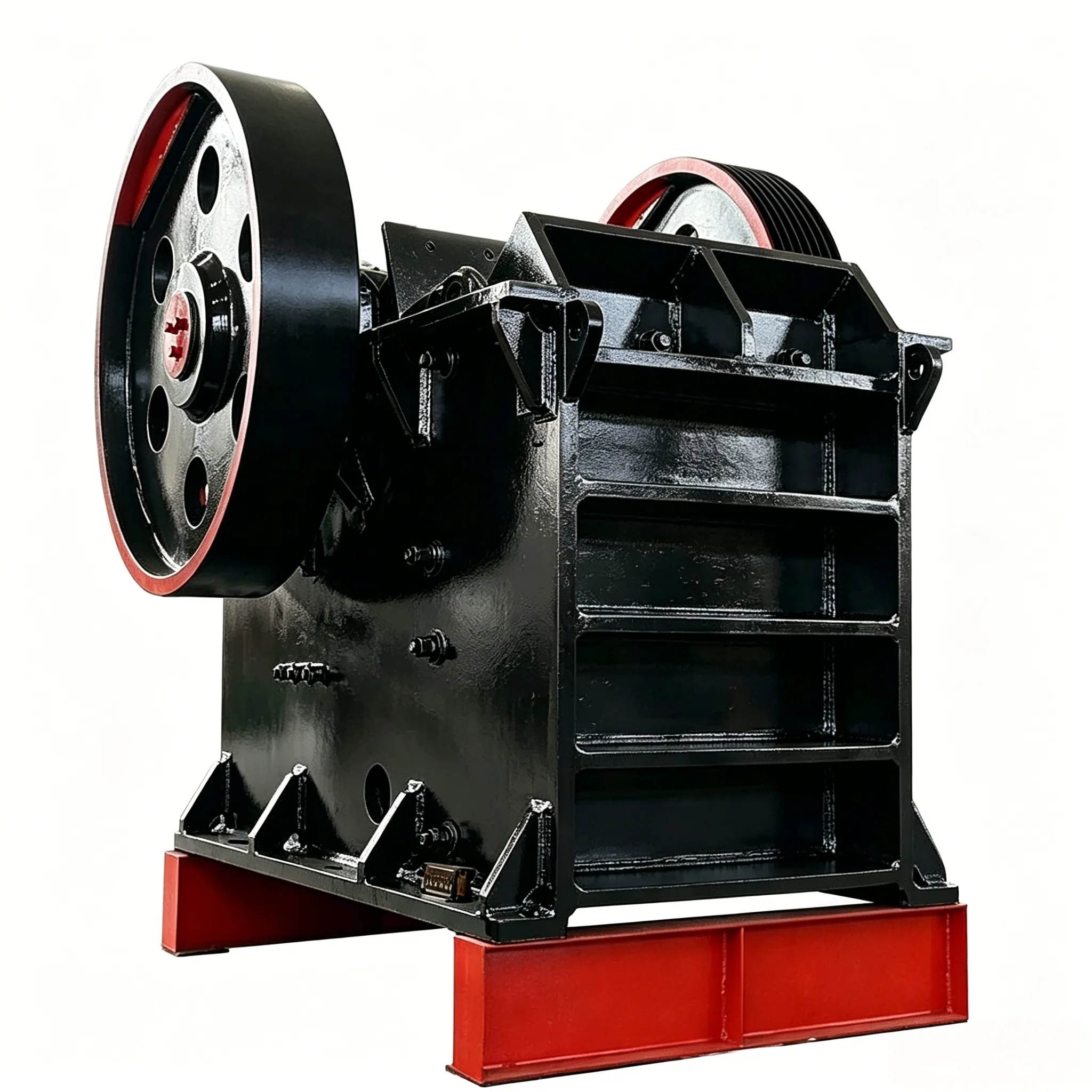
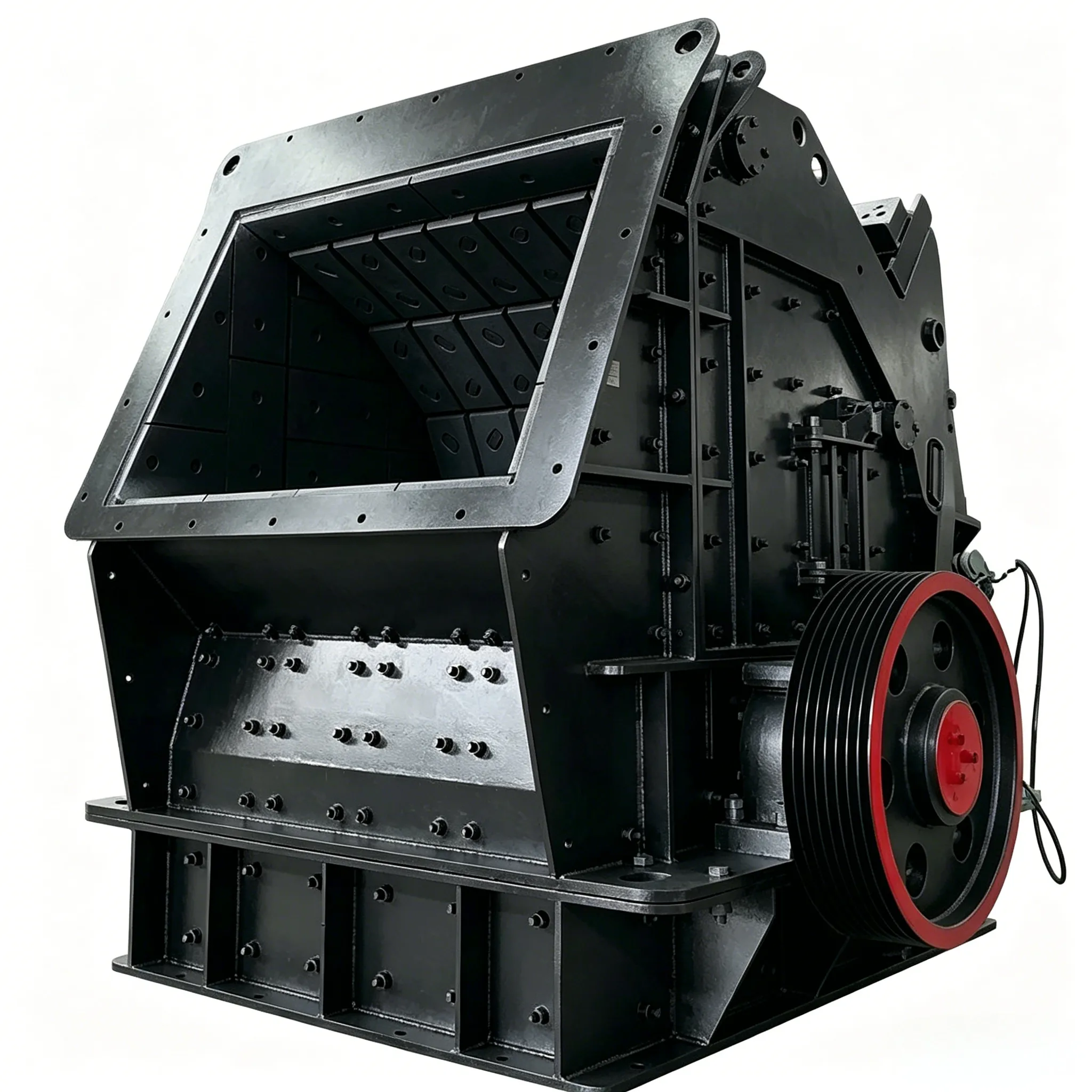
Large pieces of material are crushed by a jaw crusher to a particle size suitable for grinding (≤35 mm). The crushed material is then vertically lifted by a bucket elevator and fed continuously, uniformly, and quantitatively into the mill by a vibrating feeder.
2. Grinding and Classification
After entering the large Molino Raymond, the material is scooped up by the shovel blade and thrown between the grinding rollers and the grinding ring. Inside the main unit, multiple grinding rollers (≥4) supported on a plummer frame rotate around the central shaft. Under centrifugal force, the rollers press tightly against the grinding ring, achieving grinding and pulverization. The ground powder is then classified by a classifier. Coarse powder is returned for re-grinding, while qualified fine powder follows the airflow into the collection system.
3. Collection and Dust Removal
The collection system consists of parallel double cyclone collectors and a pulse bag filter. The qualified fine powder enters the cyclone collectors for separation and is then discharged through the powder outlet pipe and collected as finished product, with fineness up to 400 mesh. The purified air is discharged into the atmosphere by the induced draft fan located at the top of the pulse bag filter, with an emission concentration ≤10 mg/m³. Except for the positive pressure section from the blower to the grinding chamber, the airflow in all other pipelines operates under negative pressure.
| KX Large Raymond Mill Parameter Comparison Table | ||||||
| Modelo | feed size (mm) | tamaño de salida (malla) | capacidad (t/h) | main machine(kW) | fan(kW) | classifier(kW) |
| KX2150 | ≤30 | 80~400 | 10~40 | 250 | 280 | 45 |
| KX2500 | ≤35 | 11.5~50 | 280 | 280 | 45 | |
| KX2750 | ≤35 | 15~80 | 450 | 450 | 75 | |
Large Raymond Mill – Frequently Asked Questions
Q: What should be paid attention to when constructing the foundation for a large Raymond mill?
A: The foundation for a large Raymond mill must be constructed strictly according to the drawings, using a reinforced concrete structure. Special attention should be given to the main unit area, ensuring a foundation thickness of ≥300 mm. High-grade cement should be used for dense pouring. After pouring, natural curing for at least 15 days is required; the use of hardening accelerators is strictly prohibited. After curing, the reserved holes and dimensions must be rechecked to ensure equipment installation accuracy, providing a guarantee for long-term operation of the equipment.
Q: What is the difference between the integral base of a large Raymond mill and a traditional split-type base?
A:
Q: Why does a large Molino Raymond use a parallel double-cyclone design?
A: The parallel double-cyclone collector design is adopted because the ton-level capacity of a large Raymond mill requires an efficient collection system to handle the large volume of finished powder. A double-cyclone collector improves collection efficiency by 10–15% compared to a single cyclone, effectively reducing the load on the downstream dust collector and improving overall production efficiency.