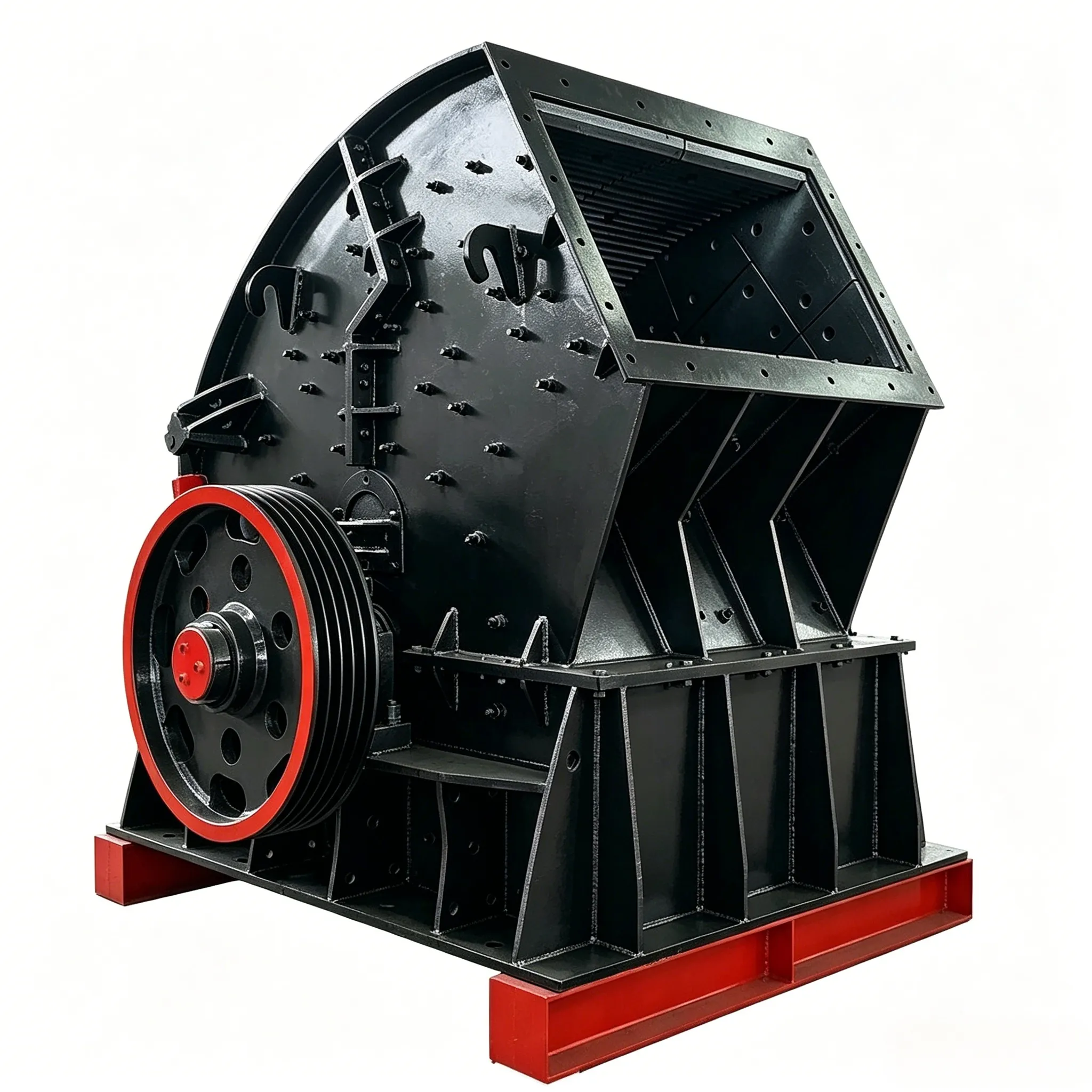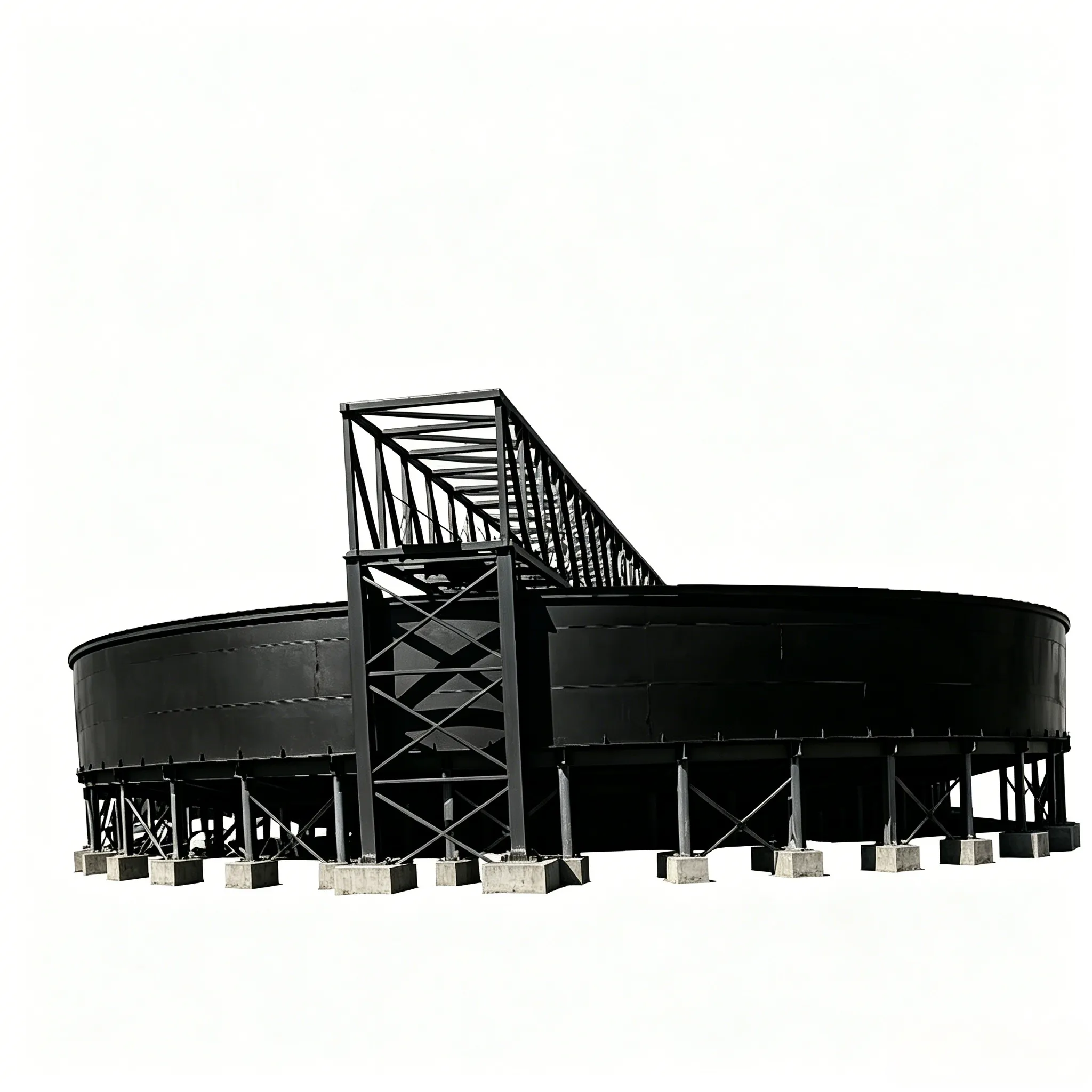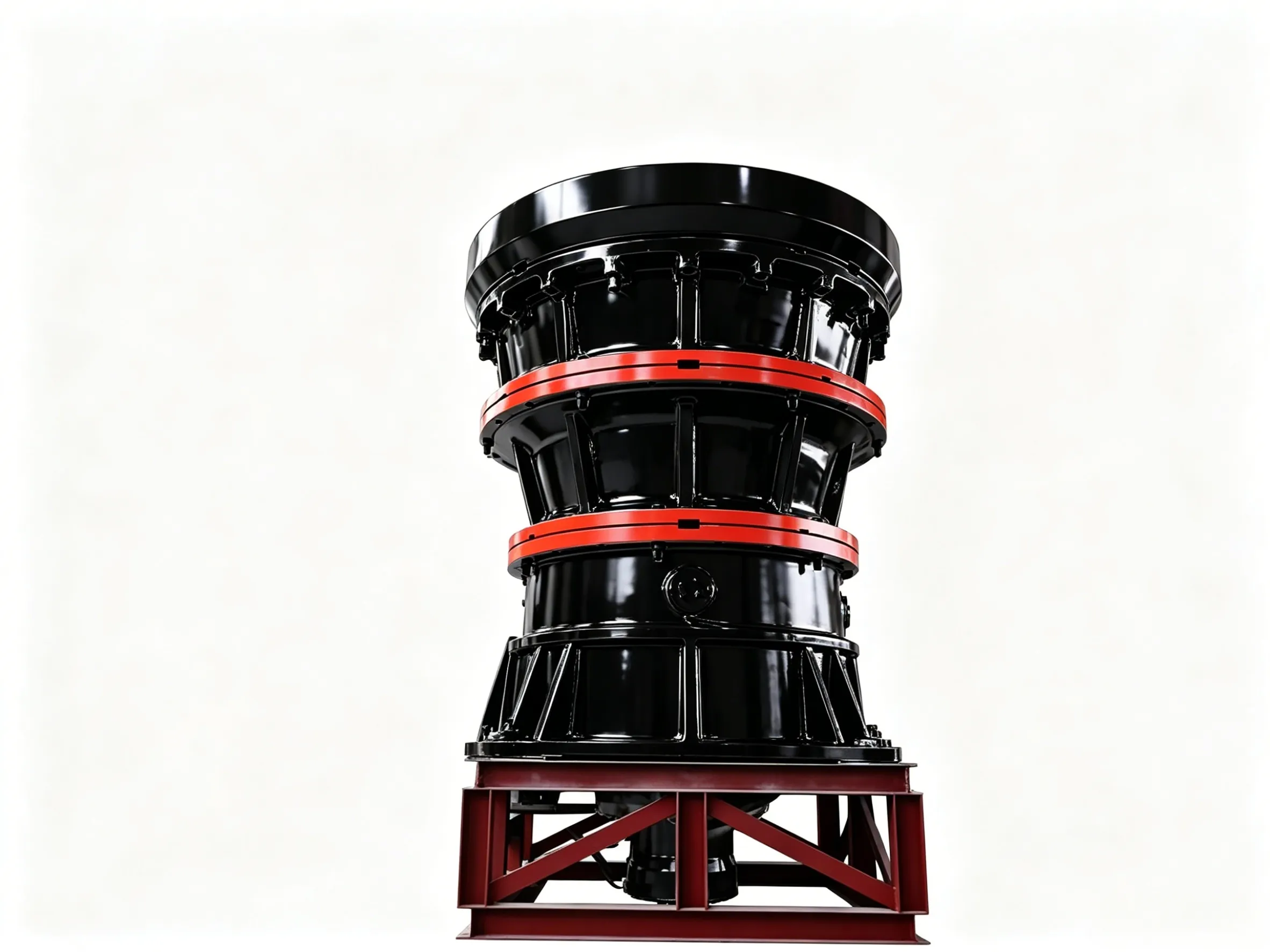
Trituradora giratoria
Types of Gyratory Crushers Gyratory crushers have been used in industry since…
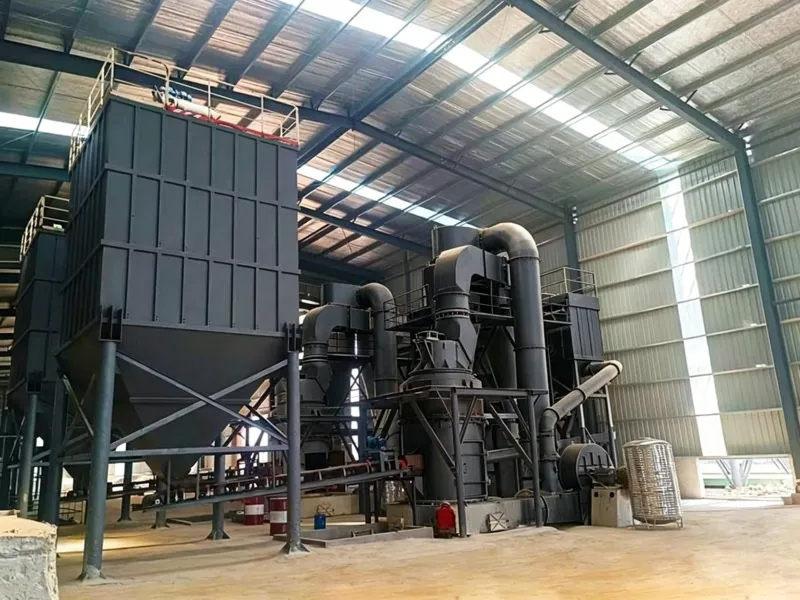
In the world of industrial powder processing, two grinding machines are widely used for producing fine powders from non‑metallic minerals, cement raw materials, and other bulk solids: the Molino Raymond (also called Raymond roller mill) and the vertical roller mill (VRM). Although both are vertical mills that use rollers to crush materials, they differ significantly in design, operating principle, capacity, and application range.
This comprehensive guide explains the difference between Raymond mill and vertical roller mill across 12 key aspects. Whether you are a plant engineer, a project manager, or an investor in a powder grinding plant, this article will help you make an informed decision.
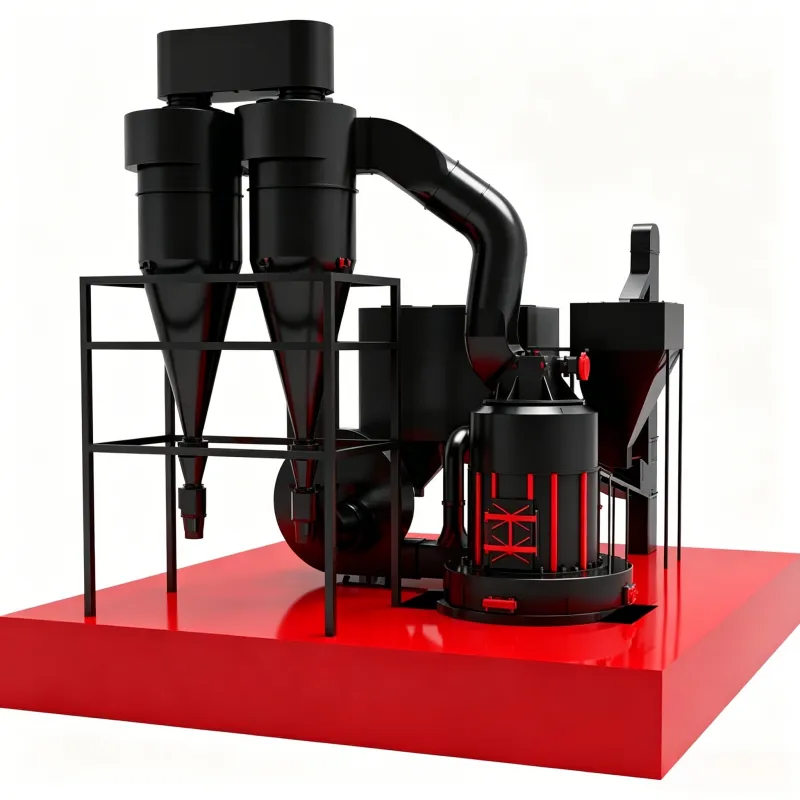
A Molino Raymond (or pendulum roller mill) is a time‑tested grinding machine that has been used for over a century. It consists of a vertical grinding ring (fixed) and several rollers that swing outward by centrifugal force to press against the ring. Material fed into the mill is ground between the rollers and the ring. A built‑in air classifier separates fine powder from coarse particles, which are returned for regrinding.
Typical feed materials: Limestone, calcite, barite, talc, gypsum, dolomite, marble, kaolin, phosphate rock – Mohs hardness <7, moisture <6%.
A vertical roller mill is a more advanced grinding system that uses a rotating grinding table and a set of stationary or slightly movable rollers. Material is fed onto the center of the rotating table and moves outward under centrifugal force. The rollers crush the material by applying hydraulic pressure. Hot air can be introduced to dry high‑moisture materials. Fine powder is carried upward by an air stream to a dynamic classifier, which ensures a sharp particle size distribution.
Typical feed materials: Cement clinker, granulated blast furnace slag, limestone, coal, petcoke, raw meal for cement kilns – can handle up to 15‑20% moisture and materials with Mohs hardness up to 5‑6 (some models up to 7).
| Característica | Molino Raymond | Vertical Roller Mill (VRM) |
|---|---|---|
| Mecanismo de rectificado | Centrifugal force pushes rollers against a stationary ring | Hydraulic pressure pushes rollers against a rotating grinding table |
| Movimiento | Rollers swing outward; grinding ring is fixed | Grinding table rotates; rollers are fixed but can move vertically |
| Material bed | Not formed – material is ground by single‑layer compression | Forms a stable material bed – more energy efficient |
| Drying capability | None (only low‑moisture materials) | Integrated hot gas inlet – can dry and grind in one step |
| Parámetro | Molino Raymond | Vertical Roller Mill |
|---|---|---|
| Tamaño máximo de alimentación | ≤35 mm (mejor <15 mm) | ≤50‑100 mm (depending on mill size) |
| Finura del producto | 80‑600 mesh (177‑23 µm) – typically 100‑400 mesh | 200‑1250 mesh (74‑10 µm) – can reach 3‑5 µm with special configuration |
| Particle shape | More irregular (needle‑like for some materials) | More rounded, narrower particle size distribution |
| Drying capability | No | Yes (up to 15‑20% moisture in feed) |
SEO note: Si necesita ultra‑fine powder (>600 mesh) or strict particle size uniformity, a vertical roller mill with a dynamic classifier is superior.
| Tipo de molino | Capacidad típica | Maximum Capacity |
|---|---|---|
| Molino Raymond | 0.5 – 12 t/h (for 200‑mesh limestone) | Up to 20 t/h for very large models (e.g., HC‑series) |
| Vertical roller mill | 10 – 200 t/h (for cement raw meal) | Over 500 t/h for large cement plants |
Conclusión: For small‑to‑medium production (<10 t/h), Raymond mill is cost‑effective. For industrial‑scale production (>15 t/h), VRM is the only practical choice.
| Aspecto | Molino Raymond | Vertical Roller Mill |
|---|---|---|
| Main wear parts | Rollers, grinding ring, shovel blade | Rollers (tires/segments), grinding table (liner), nozzle ring |
| Service life (soft material) | 6‑12 months (rollers) | 12‑24 months (rollers/tires) |
| Service life (abrasive material) | 2‑4 months | 6‑12 months (wear‑resistant hardfacing) |
| Complejidad del mantenimiento | Moderate – roller replacement is manual and can take 8‑24 hours | Higher – requires hydraulic system maintenance and hardfacing equipment |
| Access for repair | Easier – smaller mill, open housing | More difficult – large mill requires lifting tools and specialized crews |
| Cost Element | Molino Raymond | Vertical Roller Mill |
|---|---|---|
| Inversión inicial (CapEx) | Low – US$ 50k‑300k (small to medium capacity) | High – US$ 500k‑5 million+ |
| Installation cost | Low – simple foundation, no special tools | High – reinforced foundation, heavy lifting equipment |
| Operating cost (OpEx) – energy | Más alto | Lower (30‑40% less energy) |
| Operating cost – wear parts | Lower per kilogram of material (small parts, easy replacement) | Higher absolute cost but longer life; hardfacing can reduce cost |
| Maintenance labor | Less specialized | Requires trained mechanical and hydraulic technicians |
| Material Type | Molino Raymond | Vertical Roller Mill |
|---|---|---|
| Limestone (soft) | Excellent (80‑400 mesh) | Excellent (200‑1000 mesh) |
| Barite, talc, gypsum | Very good | Good (often oversized) |
| Quartz, granite (hard) | Not recommended – rapid wear | Limited – special abrasion‑resistant rollers needed |
| Cement clinker | Not suitable – too hard and abrasive | Industry standard for finish grinding |
| Slag (granulated) | Not suitable – requires drying + grinding | Perfect – integrated drying and grinding |
| Coal / petcoke | Acceptable for soft coal | Preferred for large coal injection systems |
| High‑moisture feed (>10%) | Not possible | Fully possible |
Molino Raymond dominates:
Vertical Roller Mill dominates:
Below is a quick reference for the Raymond mill vs vertical roller mill debate:
| Parámetro | Molino Raymond | Vertical Roller Mill (VRM) |
|---|---|---|
| Grinding principle | Centrifugal pendulum | Hydraulic pressure + material bed |
| Grinding ring/table | Fixed ring | Rotating table |
| Roller movement | Swinging outward | Fixed with hydraulic loading |
| Drying capability | No | Yes (hot gas up to 350°C) |
| Max feed moisture | <6% | Up to 20% |
| Finura de salida | 80‑400 mesh (typical) | 200‑1250 mesh (typical) |
| Typical capacity (t/h) | 0.5‑12 | 10‑200 |
| Energy consumption (kWh/t) | 25‑40 | 18‑28 |
| Wear life (soft material) | 6‑12 months | 12‑24 months |
| Coste inicial | Bajo | Alta |
| Complejidad del mantenimiento | Moderate | High (requires hydraulics and hardfacing) |
| Footprint | Small (low height) | Large (tall building) |
| Nivel de ruido | 80‑95 dB | 75‑85 dB |
Q1: Can a vertical roller mill replace a Raymond mill for limestone?
A: Yes, but only if capacity is high (>10 t/h). For small plants (1‑5 t/h), a Raymond mill is more economical despite higher energy consumption.
Q2: Which mill is better for grinding quartz or feldspar (Mohs 7)?
A: Neither is ideal. Raymond mill wears very fast; VRM can be used with specially hardened rollers but still has high wear. A ball mill or a jet mill may be better for hard materials.
Q3: What is the main advantage of VRM over Raymond mill?
A: Energy efficiency and the ability to dry high‑moisture materials in one step. VRM also produces a narrower particle size distribution.
Q4: Which mill is easier to maintain?
A: Raymond mill is simpler and can be maintained by general mechanics. VRM requires hydraulic knowledge and specialized welding for hardfacing.
Q5: Is it true that Raymond mill is obsolete?
A: No. For small‑scale mineral powder production (especially 200‑400 mesh limestone, barite, gypsum), Raymond mill remains cost‑effective and widely used. VRM dominates large‑scale, industrial applications.
En Molino Raymond y el vertical roller mill serve different segments of the powder processing industry.
Understanding these differences between Raymond mill and vertical roller mill allows you to select the optimal technology for your specific material, capacity, budget, and product quality requirements. When in doubt, consult with an experienced grinding mill manufacturer to run a material test and calculate the return on investment.