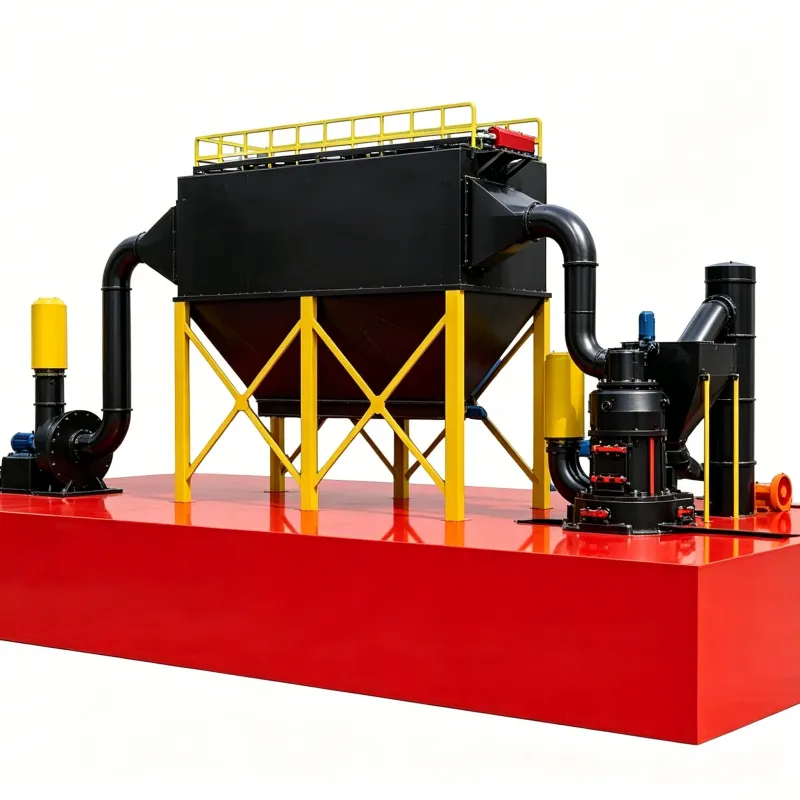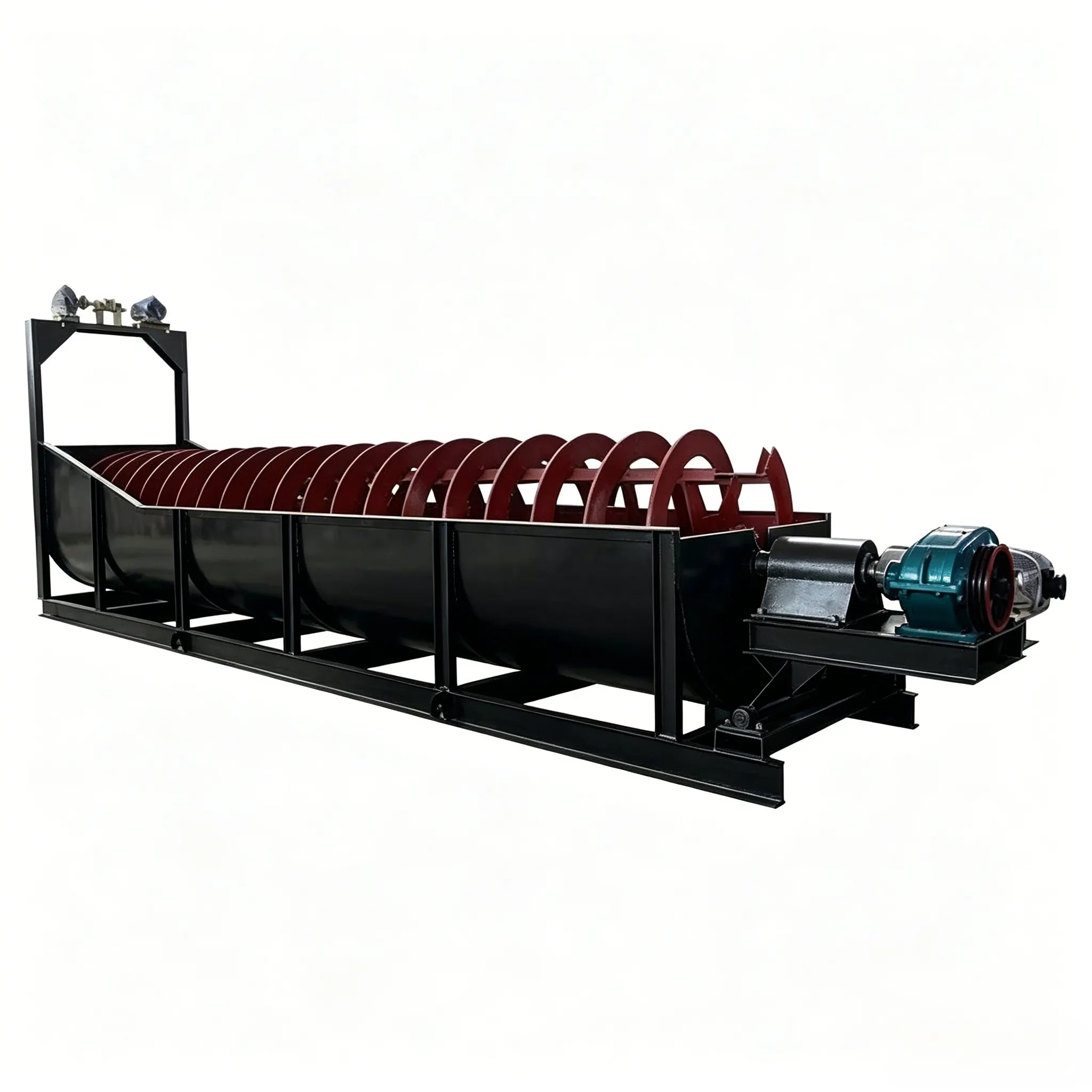
Clasificador espiral
Working Principle of Spiral Classifier The pulp discharged from the grinding mill…

I. Overall Cost Range
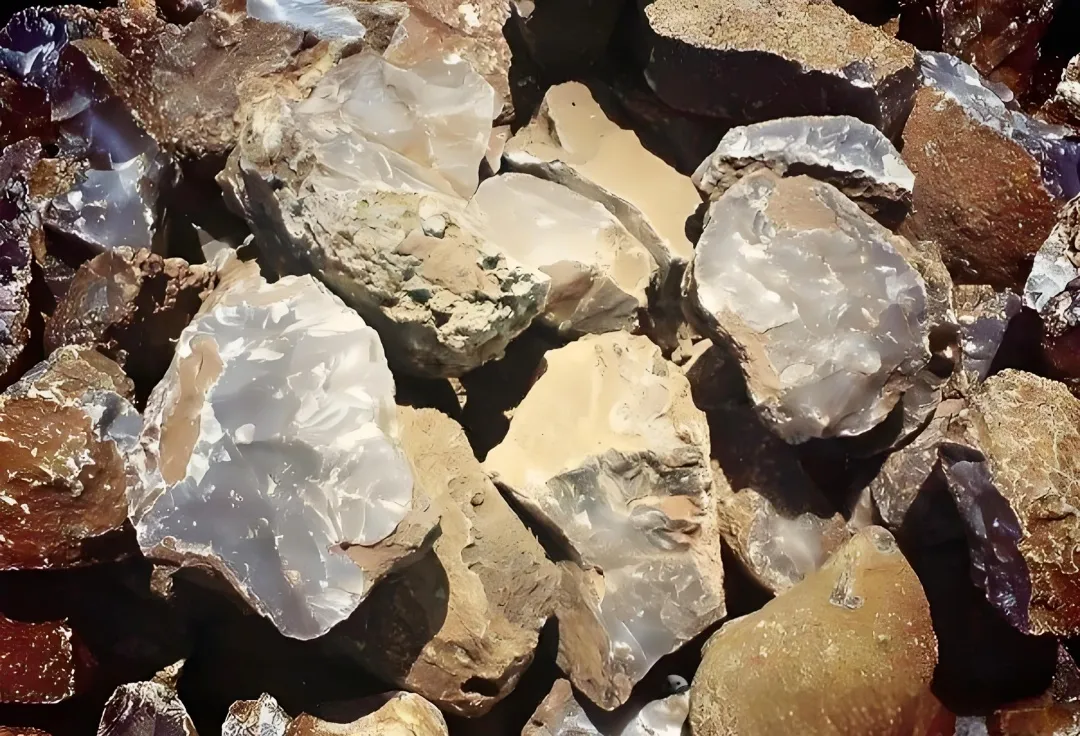
The cost of lead-zinc ore beneficiation (excluding mining costs) is significantly affected by ore properties and processing procedures. Industry data shows that the processing cost per ton of raw ore is generally above 60-150 yuan, specifically divided into three ranges:
First Range: Economic (60-85 yuan/ton)
Suitable Ore: Easily processed sulfide lead-zinc ore with coarse mineral crystals, relatively easy to separate.
Process Characteristics: Uses conventional flotation processes; technology is mature.
Common Regions: Areas with low energy costs, such as electricity.
Second Range: Conventional (85-120 yuan/ton)
Suitable Ore: Most common sulfide lead-zinc ores, or mixed ores containing some oxidized ores.
Process Characteristics: Requires the use of preferential flotation and other processes to separate lead and zinc; the process is relatively complex.
Cost Benchmark: For general projects, it can be estimated at 90-110 yuan/ton.
Tier 3: High-Cost (120-150+ RMB/ton)
Suitable Ores: Difficult-to-process oxide ores, complex ores containing multiple metals, or ores with extremely fine mineral particles.
Process Characteristics: May require a combination of methods such as flotation, gravity separation, and even leaching, resulting in high reagent and energy consumption.
Cost Characteristics: Environmental protection and refined management costs account for a significantly higher proportion of total costs.
II. Detailed Cost Breakdown
Taking a mainstream ore processing plant as an example, the approximately 100 RMB cost of processing one ton of ore mainly goes into the following four categories:
Crushing Electricity: 0.8-1.5 RMB/ton
Grinding Electricity (largest single expenditure): 18-30 RMB/ton
Flotation and Auxiliary System Electricity: 5-8 RMB/ton
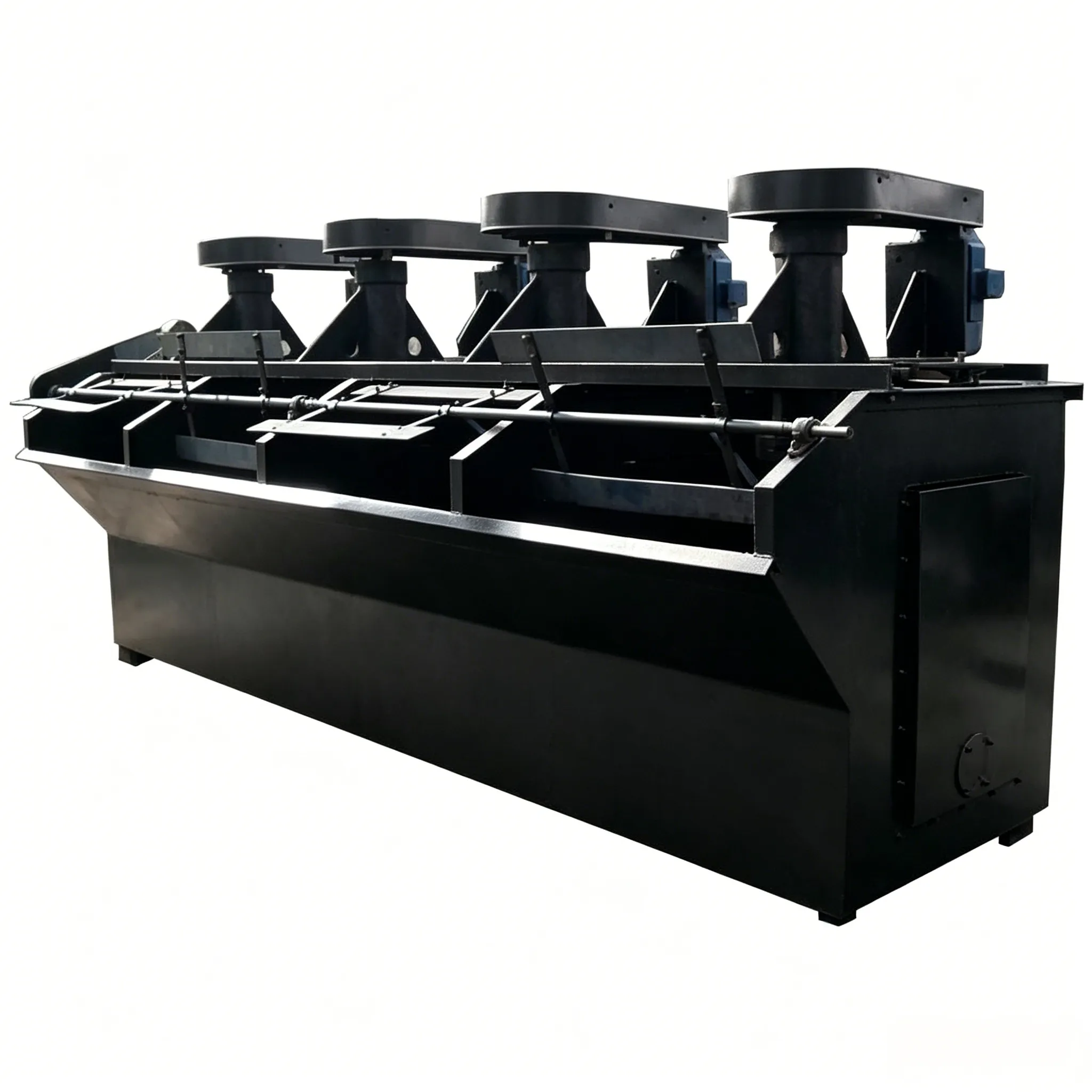
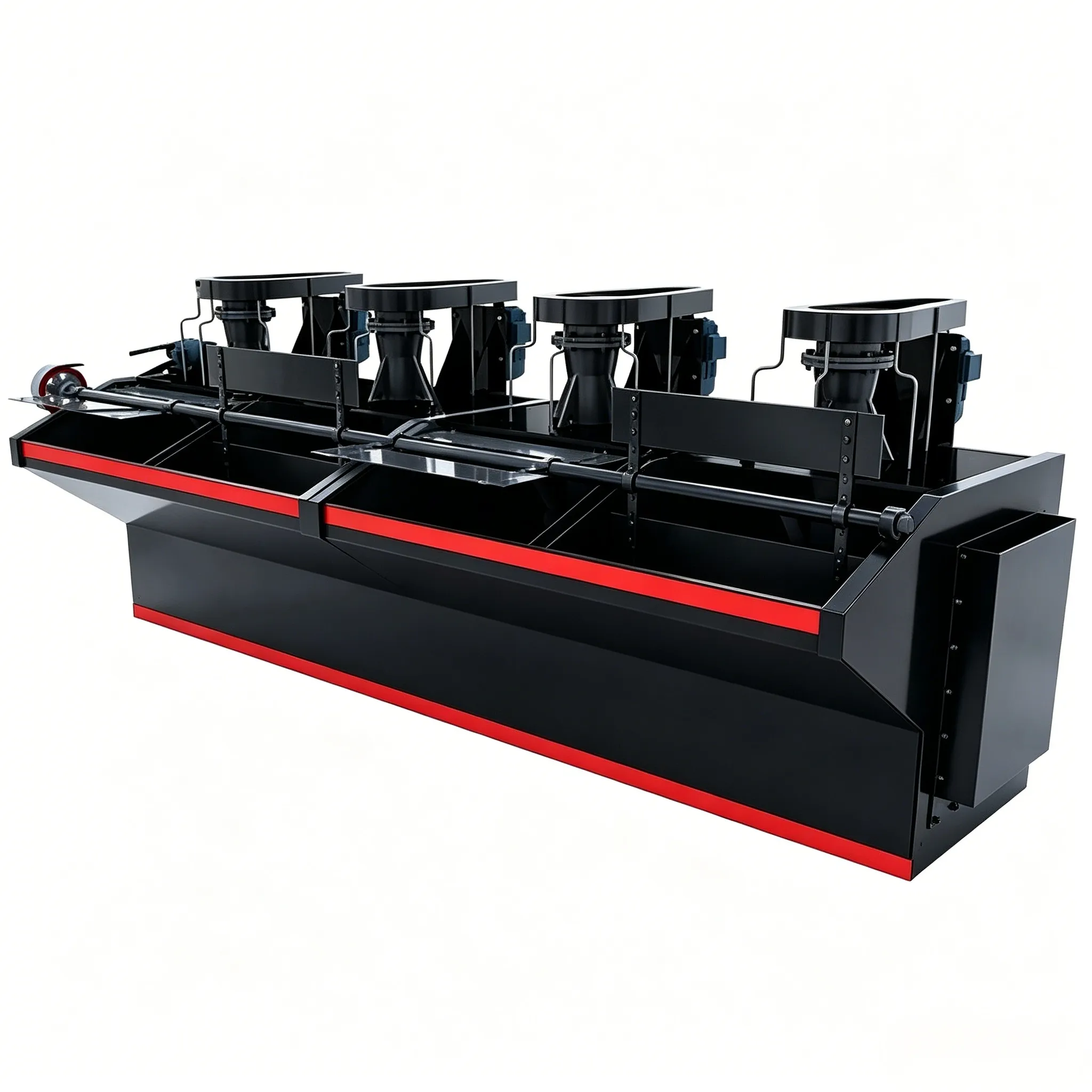
Flotation reagents are crucial: approximately 10-30 RMB/ton. Lead-zinc separation requires a combination of reagents, and this cost cannot be reduced.
Steel ball liner wear cost: approximately 8-12 RMB/ton; the harder the ore, the faster the wear.
Other consumables: such as screens, filter cloths, etc., approximately 2-3 RMB/ton.
Worker wages: approximately 4-8 RMB/ton.
Equipment repair and maintenance: approximately 5-10 RMB/ton.
Management and environmental protection expenses: approximately 3-4 RMB/ton.
Equipment and plant depreciation: approximately 6-12 RMB/ton.
Loan interest and other financial expenses: approximately 2-3 RMB/ton.
Key Finding: In lead-zinc ore beneficiation, reagent costs and grinding electricity costs are the absolute main costs, often accounting for 60-70% of the total cost. The more complex the ore processed, the higher the proportion of reagent costs.
III. Key Strategies for Cost Reduction
The focus of cost reduction in lead-zinc ore beneficiation should be on the synergistic optimization of grinding-flotation, aiming to reduce energy consumption while improving separation efficiency and conserving reagents.
Objective: To stably control the feed particle size below 10–15 mm, reducing grinding load.
Suggested Process: Three-stage closed-circuit crushing (jaw crusher + cone crusher + cone crusher/impact crusher + screening). For medium and fine crushing, a hydraulic cone crusher is recommended to ensure uniform particle size.
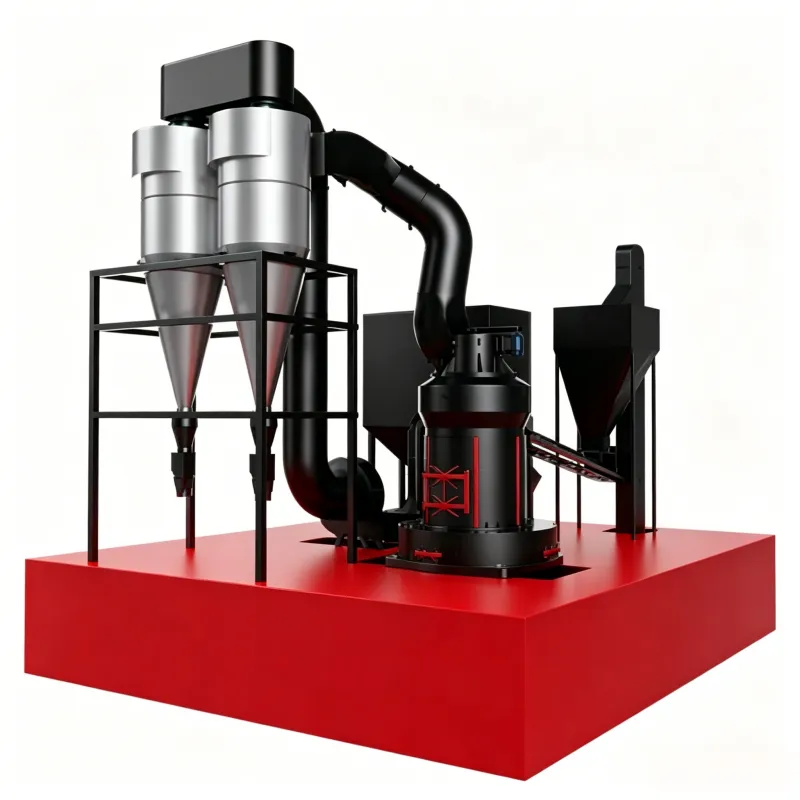
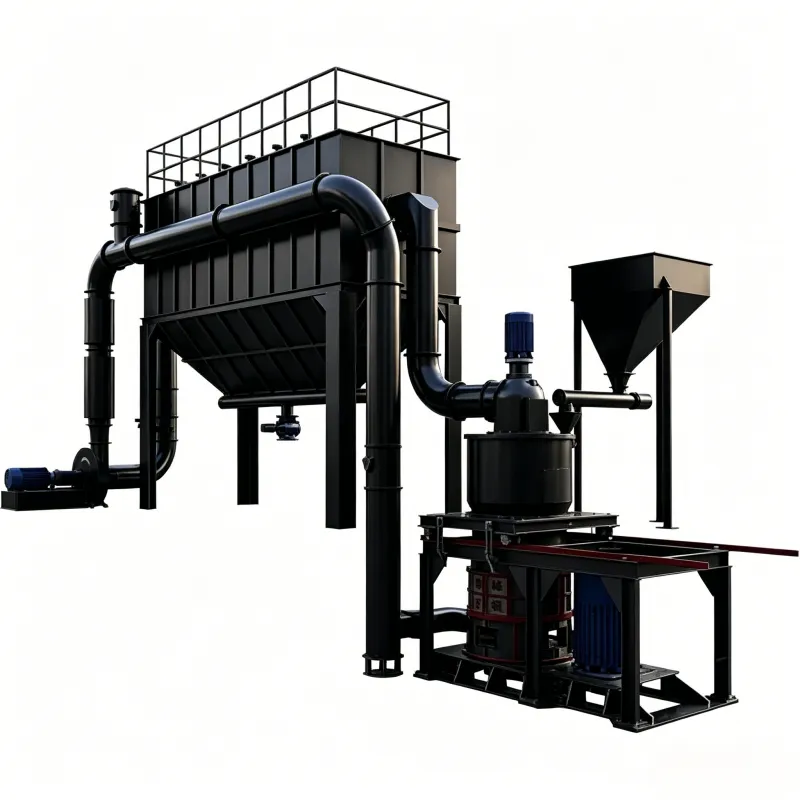
Use a molino de bolas + spiral classifier/hydraulic hydrocyclone for closed-circuit grinding, strictly controlling the classification particle size to avoid over-grinding.
For ores with complex disseminated structures, staged grinding and staged separation can be considered to reduce unnecessary energy consumption.