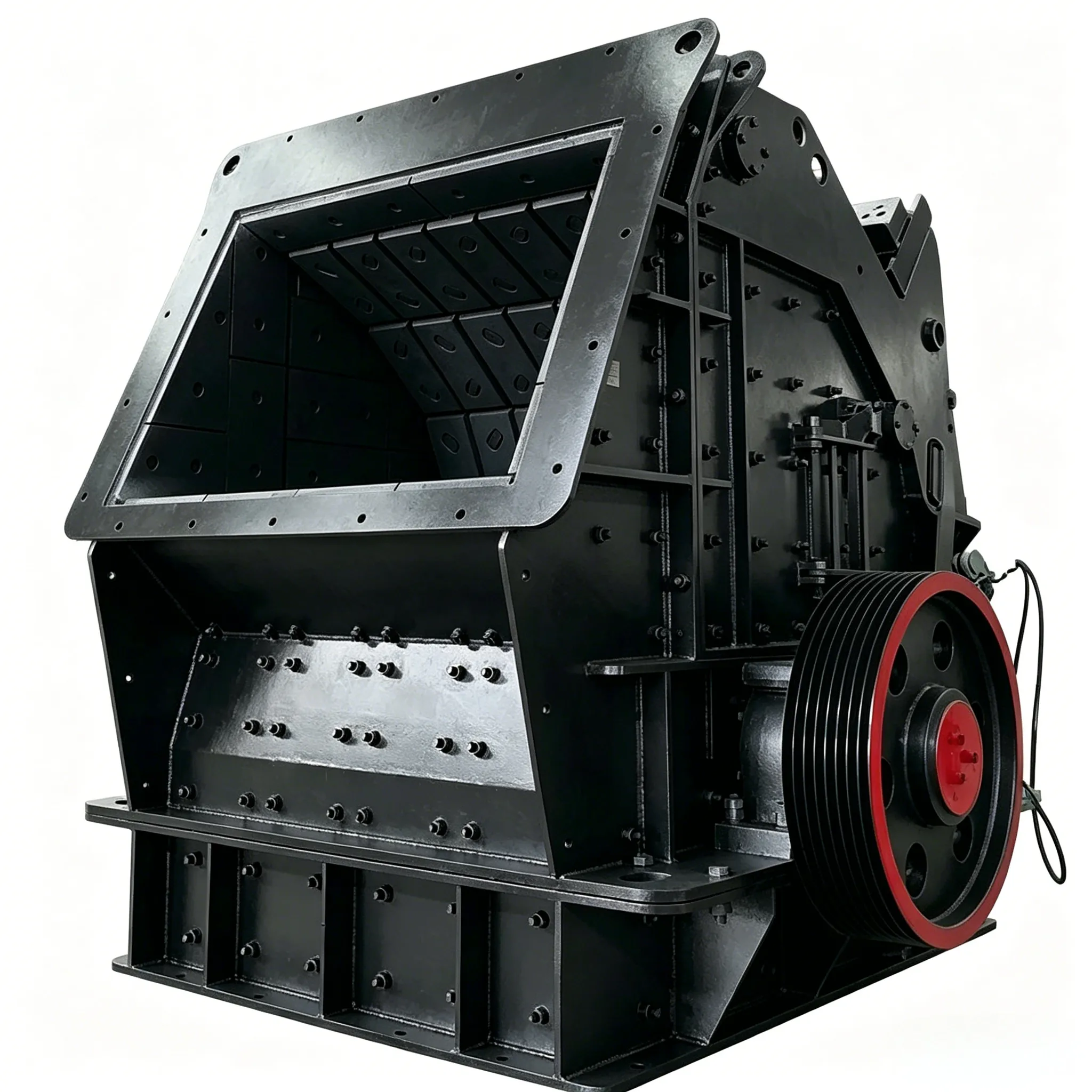
Frantoio a urto
Tipi di frantoi a urto Il frantoio a urto è un dispositivo che utilizza l'urto…


To process waste glass (scrap glass, glass offcuts, glass cullet, etc.) into glass powder of specified fineness using a ball mill, for wide applications in building materials, coatings, ceramics, chemicals, electronic pastes, and other fields.
This plan covers both laboratory‑scale small‑batch production (using planetary ball mills) and industrial‑scale large‑volume production (using industrial ball mills).
The complete process for grinding glass powder consists of five stages: Pre‑treatment → Primary Crushing → Fine Grinding → Classification → Packaging.
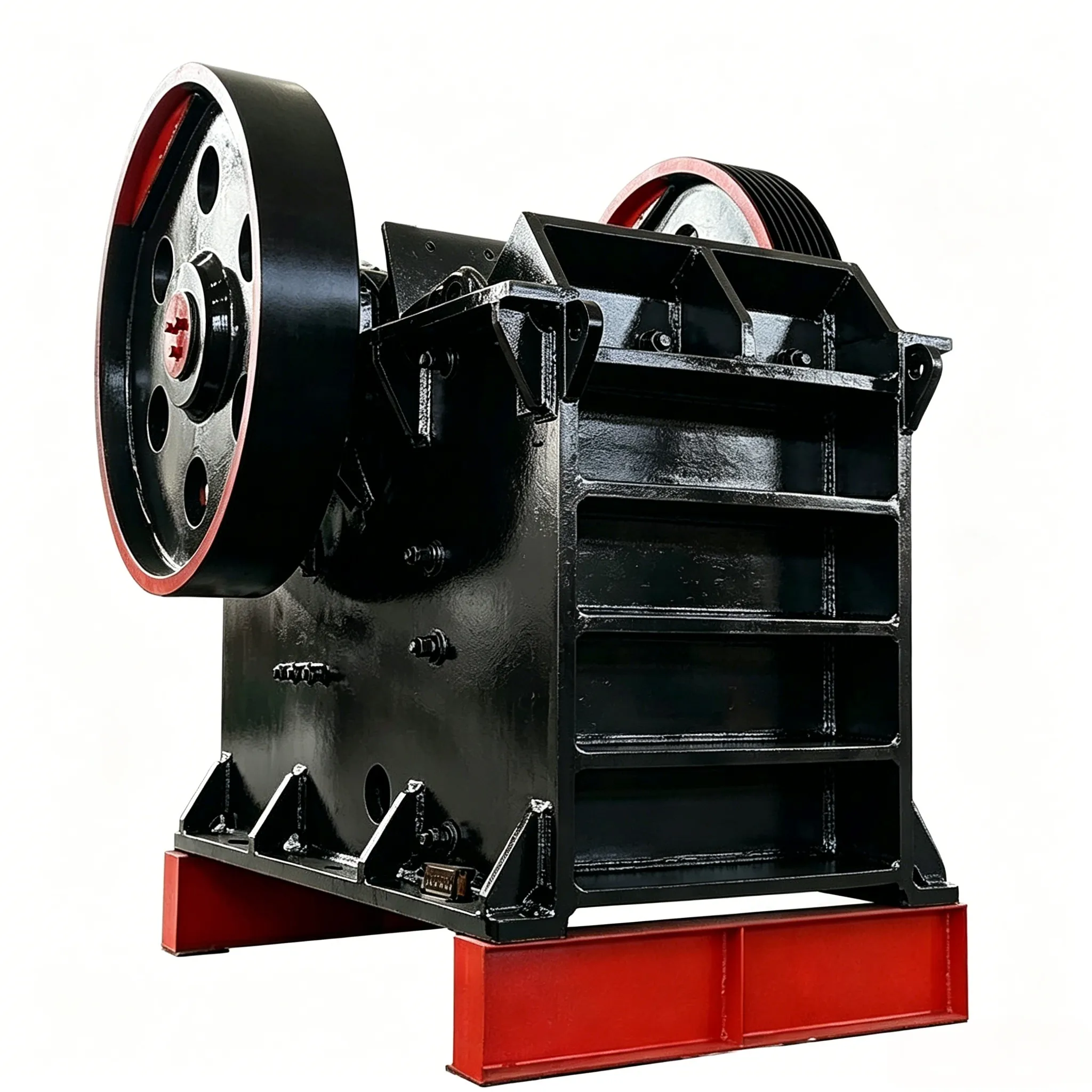
Raw glass → Sorting & impurity removal → Washing & drying → Primary crushing (frantoio a mascelle)
    → Secondary crushing (hammer crusher) → Screening (≤15 mm) → Magnetic separation (iron removal)
    → Ball mill fine grinding → Screening/classification
    → Qualified (≤ target fineness) → Packaging & warehousing
    → Unqualified → Return to ball mill for re‑grinding
Sort waste glass by colour (colourless, brown, green, etc.), and remove impurities such as ceramics, stones, plastics, metal caps, etc. Wash thoroughly with clean water to remove surface dirt and label residues, then dry for later use.
Use a magnetic separator or electromagnetic iron remover to remove metallic impurities (nails, caps, etc.), preventing metal contamination of the finished glass powder and protecting the ball mill equipment.
Feed the screened glass (≤15 mm) into the ball mill for fine grinding to obtain glass powder.
| No. | Equipment | Funzione | Note |
|---|---|---|---|
| 1 | Feeder | Uniform feeding | Vibrating feeder or belt conveyor |
| 2 | Frantoio a mascelle | Primary crushing | Reduces large glass to 10‑30 mm |
| 3 | Frantoio a martelli | Secondary crushing | Reduces to ≤15 mm |
| 4 | Vaglio vibrante | Size control | Controls feed size to the mill |
| 5 | Magnetic separator / iron remover | Iron removal | Removes metallic impurities |
| 6 | Mulino a sfere | Fine grinding | Core equipment |
| 7 | Classificatore | Particle size classification | Screening or air classification |
| 8 | Dust collection system | Environmental protection | Bag filter, etc. |
| Tipo | Applicazione | Advantages | Disadvantages |
|---|---|---|---|
| Planetary ball mill | Laboratory, small batches | High fineness, low contamination | Low throughput |
| Industrial ball mill | Large‑scale production | High throughput, continuous operation | Higher energy consumption |
| Vibration mill | Ultra‑fine grinding | High efficiency, uniform particle size | Suitable for feed <2 mm |
Recommended options:
| Parametro | Recommended Value | Note |
|---|---|---|
| Dimensione del mangime | ≤15 mm | Oversize reduces efficiency |
| Charge : balls : water | — | Dry process, no liquid medium |
| Filling volume | ≤3/4 of jar volume | Leave space for ball movement |
| Rotational speed | 60‑100 r/min (horizontal) | Industrial ball mill |
| 200‑500 r/min (planetary) | Planetary ball mill | |
| Milling time | 4‑12 hours | Adjust based on target fineness |
| Parametro | Recommended Value | Note |
|---|---|---|
| Dimensione del mangime | ≤15 mm | Same as dry |
| Charge : balls : water (volumetric ratio) | 1:1:2 | Typical wet‑milling ratio |
| Solid‑to‑liquid ratio (by mass) | 1:0.8 | Alternative ratio |
| Charge‑to‑ball ratio (by mass) | 1:2.5 | or balls : charge = 3:1 |
| Filling volume | ≤3/4 of jar volume | Leave space for ball movement |
| Milling time | 10‑12 hours | For high‑fineness requirements |
| Ball Diameter Class | Mass Proportion |
|---|---|
| Large balls (e.g., Φ20 mm) | 3 parts |
| Medium balls (e.g., Φ10 mm) | 2 parts |
| Small balls (e.g., Φ5 mm) | 1 part |
Gradation principle: Large balls provide impact for coarse breakage, medium balls perform intermediate crushing, small balls carry out fine grinding.
Example 1: Glass powder for solar cell silver paste
Example 2: Glass powder for aluminium back‑surface field of silicon solar cells
Example 3: Powder from waste glass tubes for ceramic bond grinding wheels
For newly installed or overhauled ball mills, a no‑load continuous trial run of no less than 12‑24 hours is required. Any problems found must be resolved promptly.
| Problema | Possibile causa | Soluzione |
|---|---|---|
| Coarse particle size | Insufficient time / low speed | Increase milling time or speed |
| Excessive over‑grinding | Too long time / balls too small | Reduce time or adjust gradation |
| Low throughput | Improper filling / poor gradation | Optimise filling and ball size distribution |
| Metal contamination | Wear of grinding media | Replace with non‑metallic media (zirconia, etc.) |
| Equipment | Estimated Cost (10,000 CNY) |
|---|---|
| Frantoio a mascelle | 3‑8 |
| Frantoio a martelli | 2–5 |
| Vaglio vibrante | 1-3 |
| Mulino a sfere (industrial) | 10-30 |
| Classificatore | 2–5 |
| Dust collection system | 3‑8 |
| Conveying equipment | 2–5 |
| Totale | approx. 23‑64 |
Note: Laboratory planetary ball mills cost about 10‑25 (10,000 CNY).
This plan adopts a complete process flow of “Crushing pre‑treatment → Screening & iron removal → Ball mill fine grinding → Classification & packaging”. By selecting the appropriate ball mill and optimising grinding parameters (time, speed, ball‑to‑charge ratio, ball size gradation, etc.), waste glass can be processed into glass powder meeting the required specifications.
Key success factors:
It is recommended that, before full‑scale production, small‑scale trials be conducted to determine the optimal process parameters, which can then be scaled up to industrial production.
 English English
 Spanish
 Russian
 Arabic
 Swahili
 French
 Turkish
 Portuguese
 Korean
 Japanese
 German
 Italian