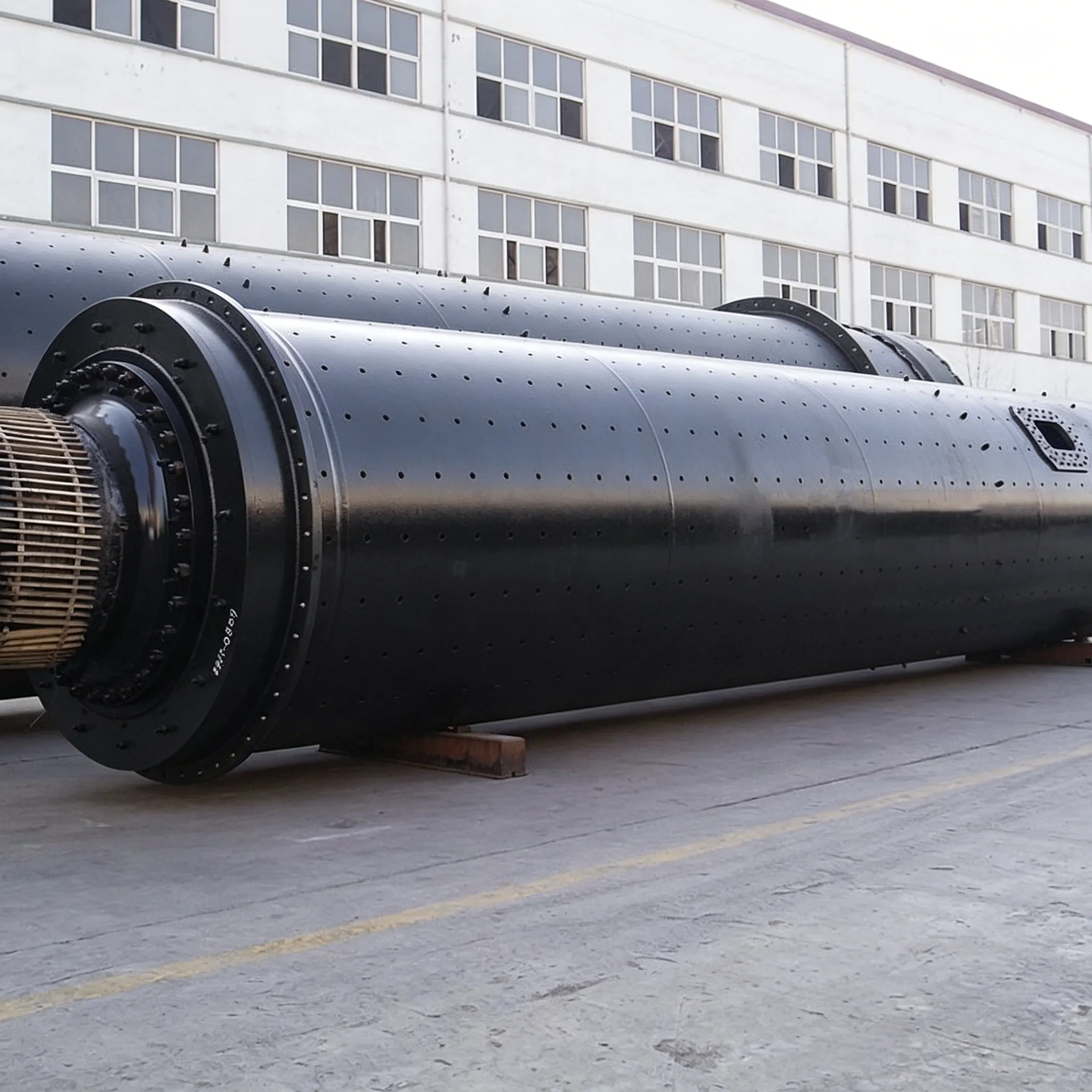
Liner wear is an inevitable phenomenon in mulino a sfere operation. However, improper handling of liner wear not only reduces grinding efficiency but can also lead to shell damage, bolt fracture, and unplanned downtime. Here are the key strategies and countermeasures for managing liner wear effectively:
1. Selection of the Right Liner Material
The primary defense against wear is choosing the correct material for the specific grinding conditions:
- High-manganese steel (ZGMn13): Suitable for high-impact zones (e.g., the first compartment of a large mill) as it work-hardens under impact.
- High-chromium cast iron: Offers excellent abrasion resistance for sliding/grinding zones (e.g., second and third compartments), providing much longer service life than manganese steel in these areas.
- Alloy steel / ductile iron: A cost-effective compromise for medium-wear environments.
- Rubber liners: Highly effective for fine-grinding compartments (e.g., slag mills) where grinding media is small; rubber reduces impact wear and noise, though it is susceptible to high temperatures.
2. Optimizing Operating Parameters to Reduce Wear Rate
Adjusting mill operation can significantly slow down liner wear:
- Control feed moisture: Excessive moisture causes “paste coating” , which accelerates localized wear and corrosion. Keep moisture within the designed range (e.g., <1% for slag).
- Maintain proper media filling rate: Overfilling with grinding media increases the cascading load and accelerates liner abrasion; underfilling causes direct impact on the bare liner.
- Manage mill speed: Operating at excessively high speeds increases the impact force of the media, leading to premature fatigue and breakage of liners.
- Optimize material bed level: As mentioned in previous discussions, maintaining an adequate material layer on the liner surface (especially with flat or grooved liners) creates a “cushion” that reduces direct metal-to-media contact.
3. Regular Inspection and Wear Measurement
- Implement periodic thickness checks: Use ultrasonic thickness gauges or manual templates to measure the remaining liner thickness at fixed intervals (e.g., every 500 operating hours).
- Identify critical wear zones: In a tube mill, the first compartment typically suffers impact fatigue, while the second and third compartments suffer abrasive wear. The area near the partition diaphragm and the discharge end often wears faster due to accelerated material flow.
- Monitor bolt tightness: Loose bolts indicate liner movement, which accelerates wear and can cause bolt fracture. Regularly re-torque bolts to the specified values.
4. Rotation / Repositioning of Liners
To extend liner life, consider periodic rotation:
- Many liners (especially wave or step liners) are designed asymmetrically. Once the lifting edge on one side is worn down, the liner can be flipped or rotated 180° to expose a fresh working surface.
- This practice can double the liner’s service life. Plan this during scheduled maintenance shutdowns.
5. In-Situ Hardfacing (Weld Repair)
For large mills where replacing liners is costly and time-consuming:
- Use wear-resistant welding rods (e.g., chromium-carbide-based electrodes) to build up worn surfaces, particularly on the raised wave profiles of the liners.
- Nota: This is only effective when the remaining liner base thickness is still structurally sound. Overheating during welding can distort the liner and should be avoided.
6. Replacement Criteria and Timing
- Set a wear limit threshold: Generally, liners should be replaced when the remaining thickness reaches 50–60% of the original thickness, or when the lifting profile has worn down by more than 70%.
- Replace in batches: To maintain grinding balance, do not replace all liners at once unless the entire set is uniformly worn. Often, replacing just the badly worn first compartment while keeping the rear compartments can cause an imbalance in material flow; replace them in planned stages.
- Use the “Fishing Method” for bolt replacement: As described in your previous text, when bolts break due to worn liners, use the wire-pulling method to replace bolts without entering the mill, significantly reducing downtime.
7. Post-Wear Adjustment of Grinding Media
As liners wear, the internal diameter of the mill increases slightly, which changes the cascading motion and reduces the effective lifting height. To compensate:
- Periodically re-add fresh grinding media to maintain the filling rate.
- Adjust the ball charge gradation; for worn liners in the second compartment, adding a small percentage of larger media can help compensate for the reduced lifting action.

 English
 Spanish
 Russian
 Arabic
 Swahili
 French
 Turkish
 Portuguese
 Korean
 Japanese
 German
 Italian