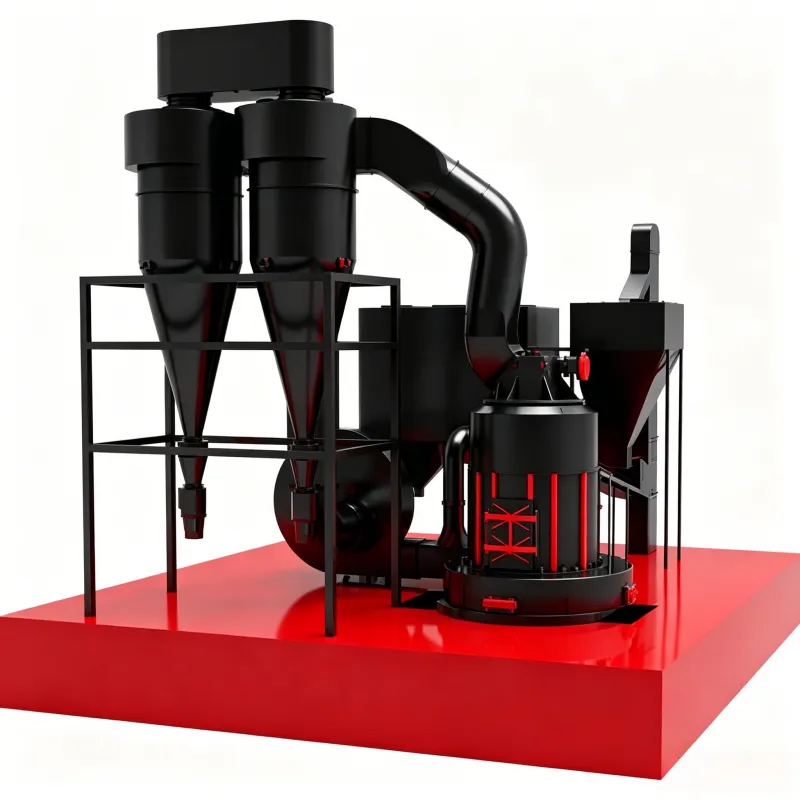
Differenze principali tra i mulini a sfere intermittenti (a lotti) e i mulini a sfere tradizionali (a ciclo continuo)

Differenze principali tra i mulini a sfere intermittenti (a lotti) e i mulini a sfere tradizionali (a ciclo continuo)

The term “ordinary ball mill” usually refers to a continuous ball mill. The core difference lies in their working mode: one operates in batches, the other runs continuously.

AspettoIntermittent (Batch) Ball MillContinuous Ball Mill
Operating ModeBatch operation: charging, grinding, and discharging are separate steps; the mill must stop for each cycle.Continuous operation: material is fed and discharged simultaneously without stopping.
Inlet/OutletOften the same opening – after grinding, the finished product is discharged, then new material is loaded.Separate feed and discharge ports – raw material enters constantly while finished product exits.
Discharge BasisTime‑based – all contents are discharged after a preset grinding time.Particle‑size‑based – material is discharged only when it reaches the required fineness.
Production EfficiencyInferiore – significant non‑productive time for loading and unloading.Very high – ideal for large‑scale, continuous production.
Consumo energeticoPiù alto – greater electricity consumption per unit of product.Notably energy‑saving – total power consumption is much lower for the same output.
Product QualityProduct fineness is uniform but prone to over‑grinding.Particle size is stable and controllable; over‑grinding is rare.
Equipment & FootprintStruttura semplice, fewer auxiliary devices, smaller footprint.Complex system requiring supporting equipment, larger footprint.
Operation & MaintenanceRelatively simple to operate, but labour‑intensive.Highly automated, requires fewer operators.
ApplicazioneSuitable for small batches, multiple product types, or materials with extremely high fineness requirements.Suitable for large‑volume, single‑product continuous production with stable raw materials.
Initial InvestmentInferiore capital cost.Più alto civil engineering and equipment investment.

⚙️ Working Mode & Efficiency: Batch vs. Continuous

This is the most fundamental distinction.

  • Intermittent (batch) ball mill: It works like a “batch processor”. After finishing one batch, the machine must stop to load and unload. This creates long idle times, so overall efficiency is relatively low.
  • Continuous ball mill: It operates like an assembly line – material enters from one end and finished product exits from the other, enabling uninterrupted production, which is ideal for large industrial operations.

⚡️ Energy & Cost: Energy Saving is Key

In long‑term operating costs, the continuous mill shows clear advantages.

  • Electricity saving: For example, one Φ2.2×14m continuous mill can replace four 30‑tonne batch mills in terms of output. Yet it saves about 2,816 kWh per day, which amounts to roughly ¥500,000 in annual electricity costs.
  • Labour saving: A continuous mill can be run by just one operator per shift, while the equivalent batch capacity may require three or more.
  • Material saving (in ceramics): The slurry from a continuous mill has a lower moisture content (about 4% less) and a higher temperature (40‑50°C higher), which significantly reduces fuel consumption in the subsequent drying stage.

🎯 Product Quality Control: Precision vs. Stability

  • Batch mill – Advantages: you can precisely control fineness by adjusting grinding time, suitable for special requirements. Drawback: prone to over‑grinding, and since discharge is time‑based, particle size can be uneven.
  • Continuous mill – Since discharge is based on particle size, the product is more uniform and stable, with less over‑grinding. However, this requires consistent raw material quality.

🏭 Applications: Each Has Its Role

  • Batch mill – Best for small‑batch, multi‑product scenarios, common in ceramics, pigments, glazes, and applications where formulations change frequently.
  • Continuous mill – The preferred choice for high‑volume, single‑product operations with stable feed, such as cement production and large‑scale mineral processing.

💎 Riepilogo

Choose based on your production needs:
  • If you need flexibility, small batches, multiple formulations, and have strict fineness requirements, the intermittent (batch) ball mill is more economical.
  • If you pursue high efficiency, low long‑term cost, and continuous operation with stable raw materials, the continuous ball mill – despite higher initial investment – offers greater advantages in the long run.

Potrebbero interessarti anche questi prodotti

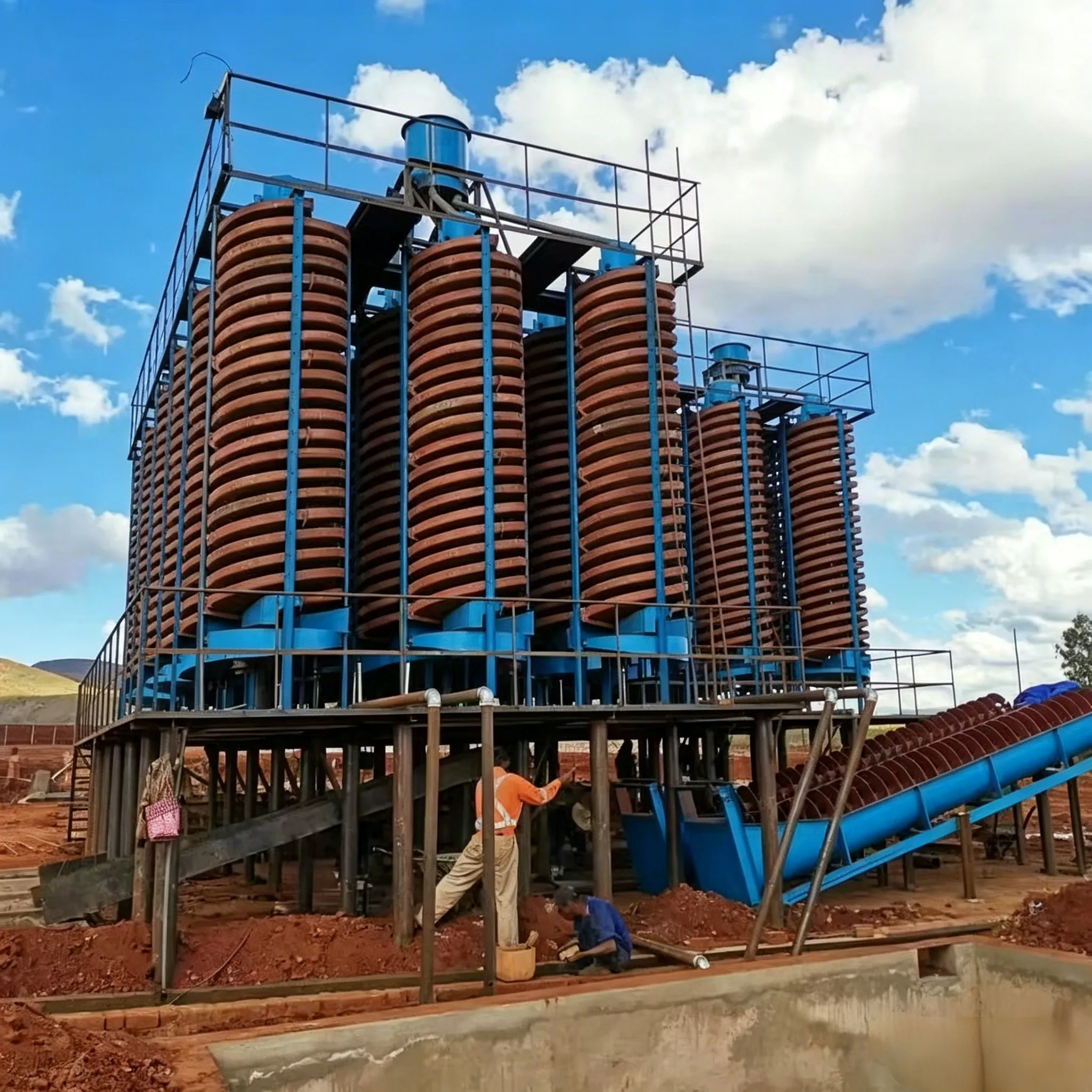
Scivolo a spirale

Scivolo a spirale

Scivolo a spirale – Concentratore a gravità ad alta efficienza e basso costo Panoramica del prodotto Lo scivolo a spirale…
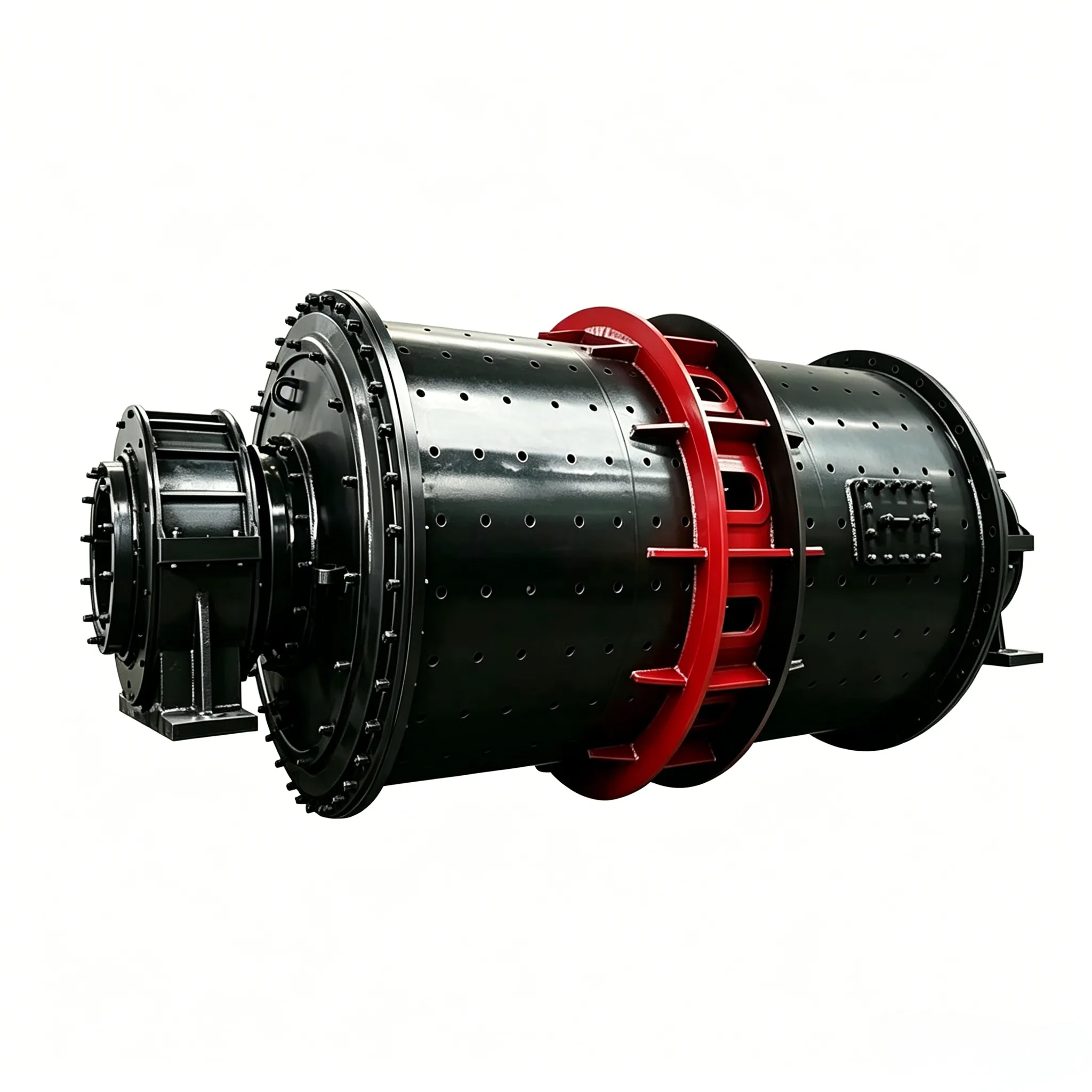
Mulino a bastoni

Mulino a bastoni

Costruzione di un mulino a barre I mulini a barre a umido possono essere classificati in…
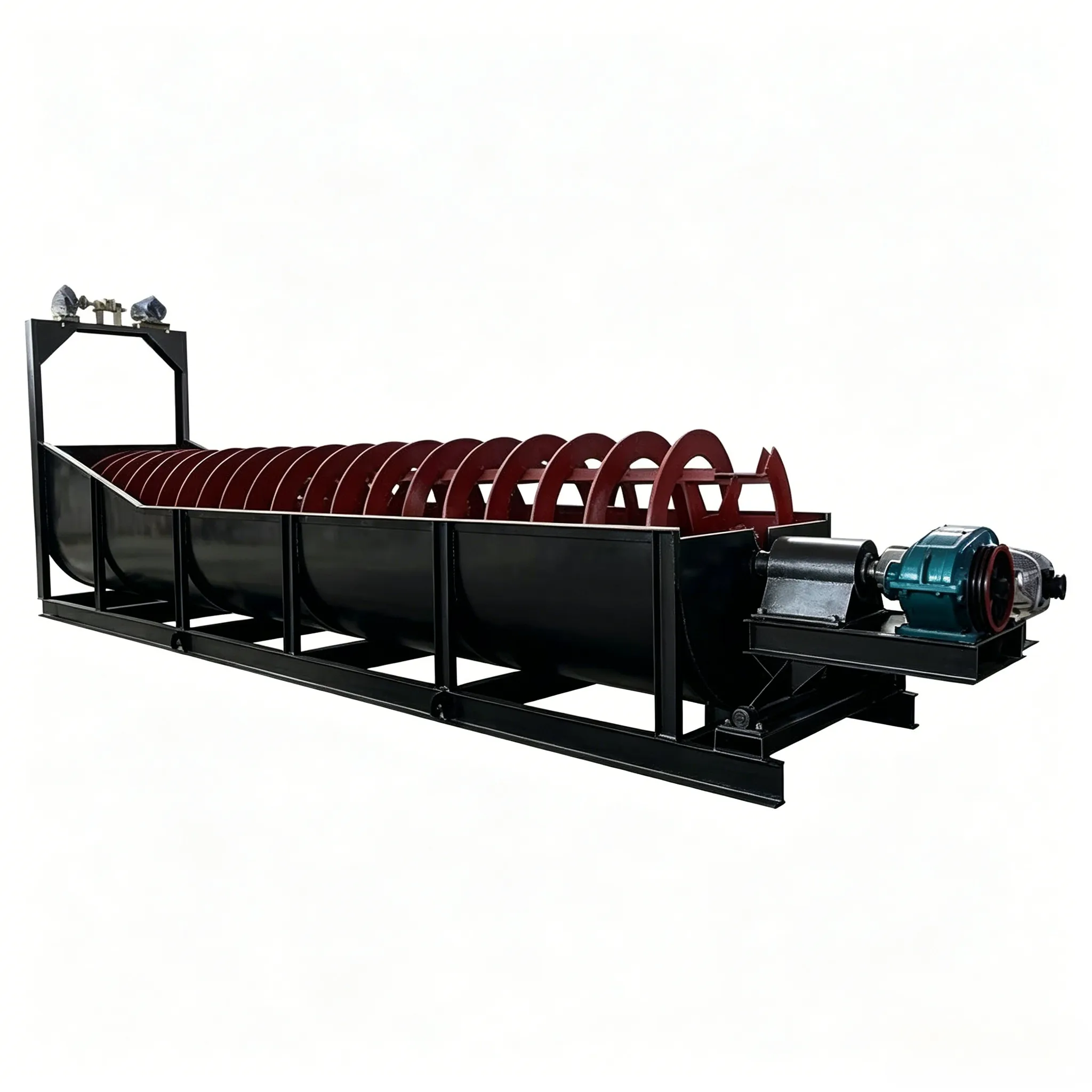
Spiral Classifier

Spiral Classifier

Working Principle of Spiral Classifier The pulp discharged from the grinding mill…
Copyright © 2026 Oreprocessings. Tutti i diritti riservati.