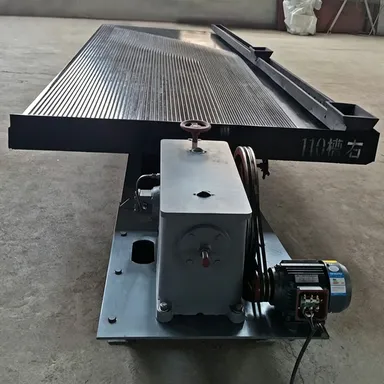
Tavolo vibrante
Shaking Table – High-Precision Gravity Concentrator Product Overview The shaking table (also…

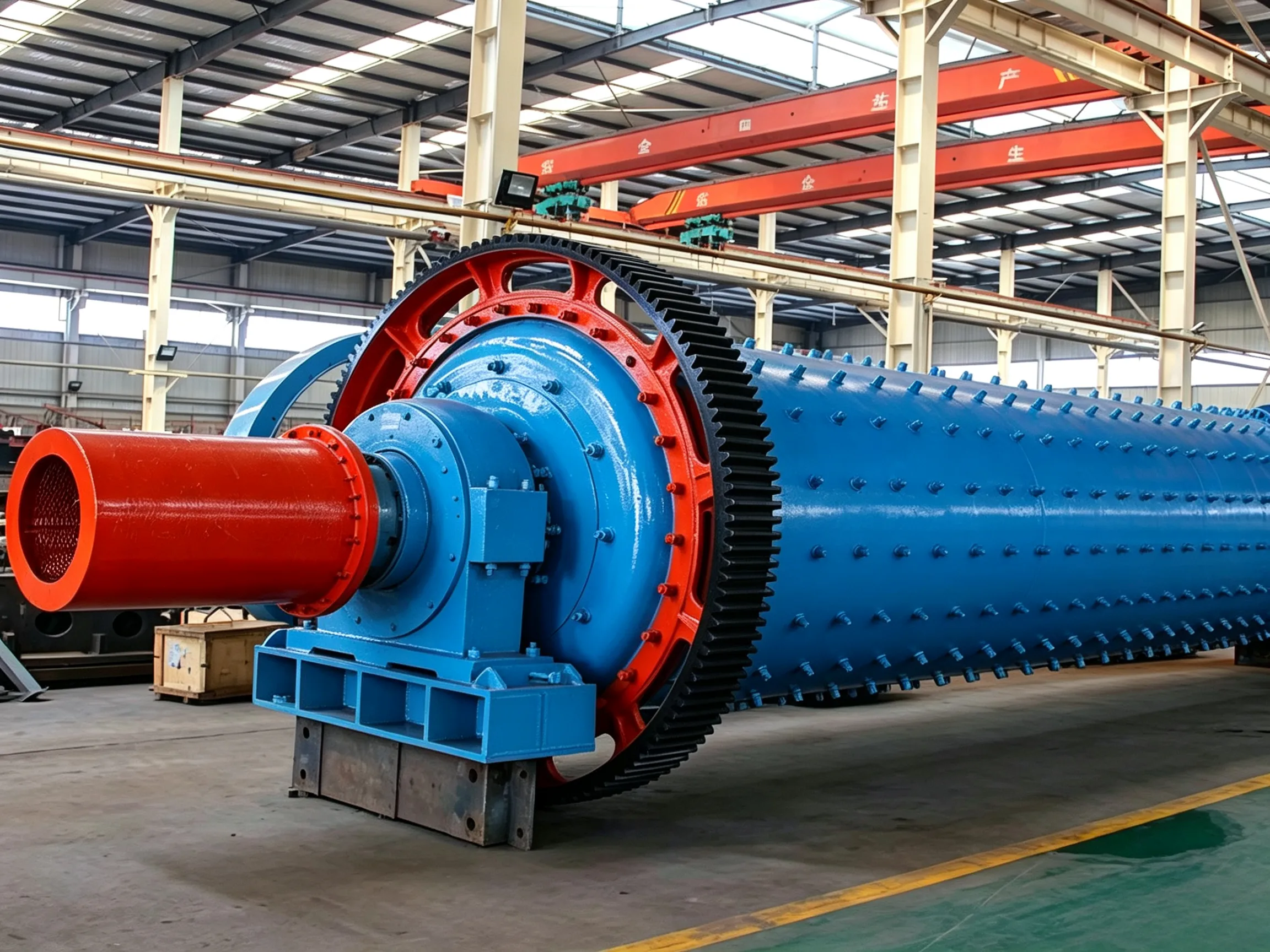
The temperature rise of the main bearing bushes at the inlet and outlet of the mill directly affects normal production. In some plants, where clinker cooling conditions are poor, the material entering the mill can reach temperatures as high as 150–160 °C. In particular, with the various types of drying‑grinding mills that have emerged in recent years, which combine drying and grinding in one unit, the hot air temperature inside the mill can reach about 300 °C, making the operating conditions of the main bearing bushes even more severe. Li Yinfeng puts forward the following views on how to reduce the temperature rise of the main bearing bushes.
(1) Causes of temperature rise in the main bearing bushes
① Heat generated by friction between the contact surfaces of the hollow shaft and the spherical bearing shell causes temperature rise. This is the main cause of temperature rise in the main bearing bushes. The temperature rise caused by this portion of heat cannot be directly reduced but can only be indirectly dissipated.
② Heat transferred from the hot material and hot air inside the hollow shaft causes temperature rise.
③ Temperature rise due to poor cooling and heat dissipation conditions. This is generally caused by insufficient cooling water flow, scaling or blockage in the cooling water pipes, or poor ventilation and heat dissipation of the bearing bushes.
④ Temperature rise due to poor lubrication conditions. Common causes include improper selection of lubricating oil, insufficient oil quantity, or even oil starvation.
⑤ Temperature rise due to manufacturing and installation quality issues. Common causes include the hollow shaft surface roughness not meeting requirements, “edge clamping” during scraping of the bearing bush during installation, and insufficient thermal expansion clearance reserved.
(2) Several measures to reduce excessive temperature rise of the main bearing bushes
① Install thermal insulation material between the inlet/outlet spiral (or sleeve) and the inner surface of the hollow shaft to prevent heat transfer, thereby reducing temperature rise of the main bearing bushes.
② Improve cooling and heat dissipation conditions to reduce temperature rise of the main bearing bushes.
a. Use conventional cooling methods by casting serpentine cooling water pipes inside the spherical bearing shell, or directly casting cooling water channels.
b. Extend the bearing housing outward and pass cooling water pipes through the extended oil sump to provide cooling.
c. Install ventilation holes on the top of the main bearing bush cover to improve heat dissipation.
③ Adopt advanced and reliable lubrication devices to improve lubrication conditions, thereby reducing temperature rise of the main bearing bushes. Traditional medium and small‑sized mills generally use oil discs or oil scoops for oil delivery. For large mills, cement mills with high clinker temperatures, and various drying‑grinding mills, a standard centralized forced lubrication system with a dilution oil station can be adopted, while oil discs and oil scoops only serve as auxiliary devices. The commonly used dilution oil stations in China include the XYZ type and XYZ‑G type series products. Centralized lubrication with a dilution oil station is a circulating lubrication process. Depending on seasonal changes, the lubricating oil can be heated or cooled in the oil tank, offering advantages such as oil conservation and reliable lubrication.
④ Improve manufacturing and installation quality to reduce temperature rise of the main bearing bushes.
a. During machining, strictly control the surface quality of the hollow shaft to ensure it meets the drawing requirements.
b. During installation, ensure the quality of the bearing bushes and maintain sufficient side clearance and axial clearance to prevent heating caused by poor contact or excessively small clearances.
Adopting the above measures will play an important role in preventing excessive temperature rise of the main bearing bushes and ensuring long‑term safe operation of the mill. In addition, it is also required that the operators conduct frequent inspections and maintenance. Where conditions permit, an automatic alarm device can be installed on the main bearing bushes. When the bearing bush temperature exceeds the specified value, an automatic alarm is triggered, and the mill can be stopped for inspection and treatment, thereby preventing major accidents.
 English English
 Spanish
 Russian
 Arabic
 Swahili
 French
 Turkish
 Portuguese
 Korean
 Japanese
 German
 Italian