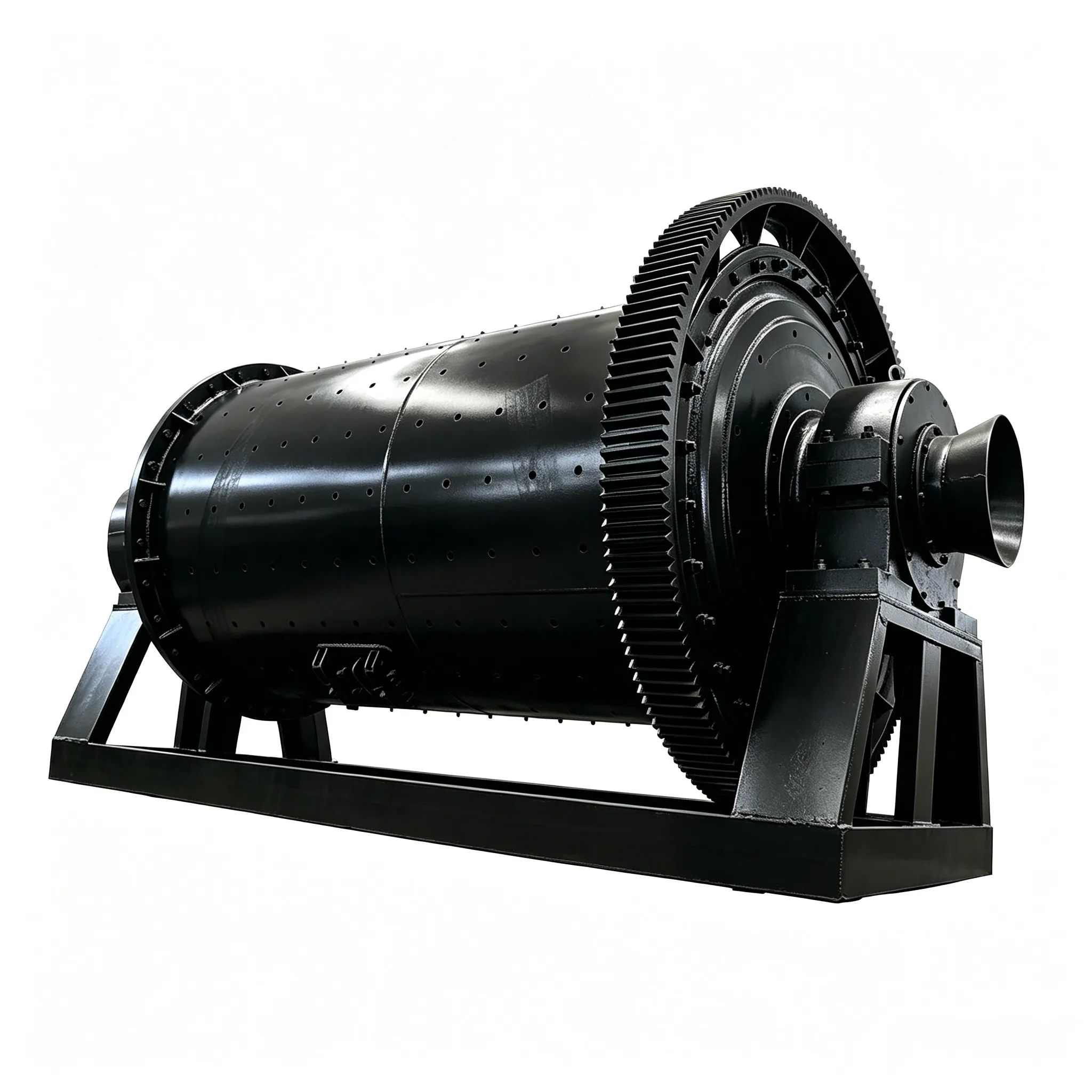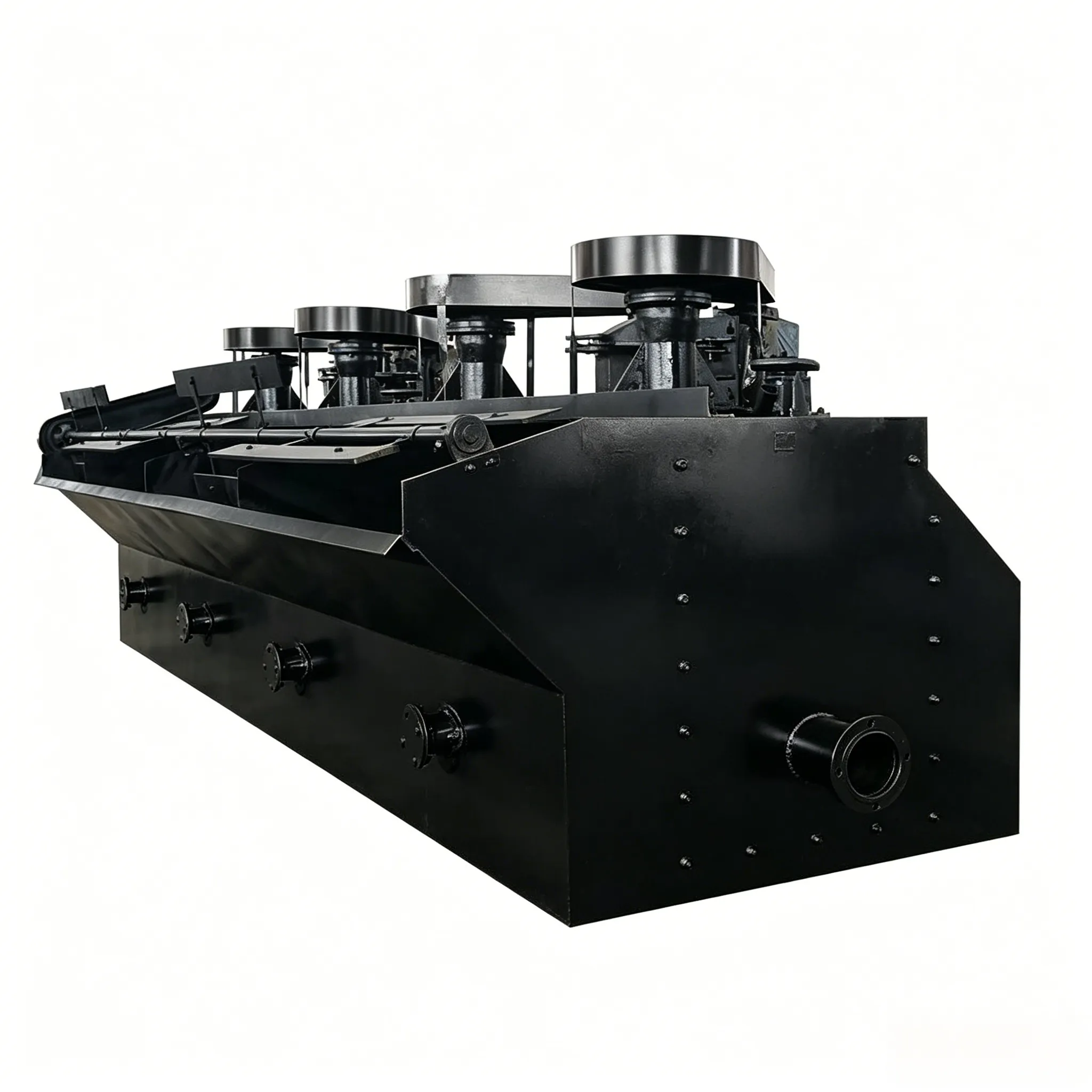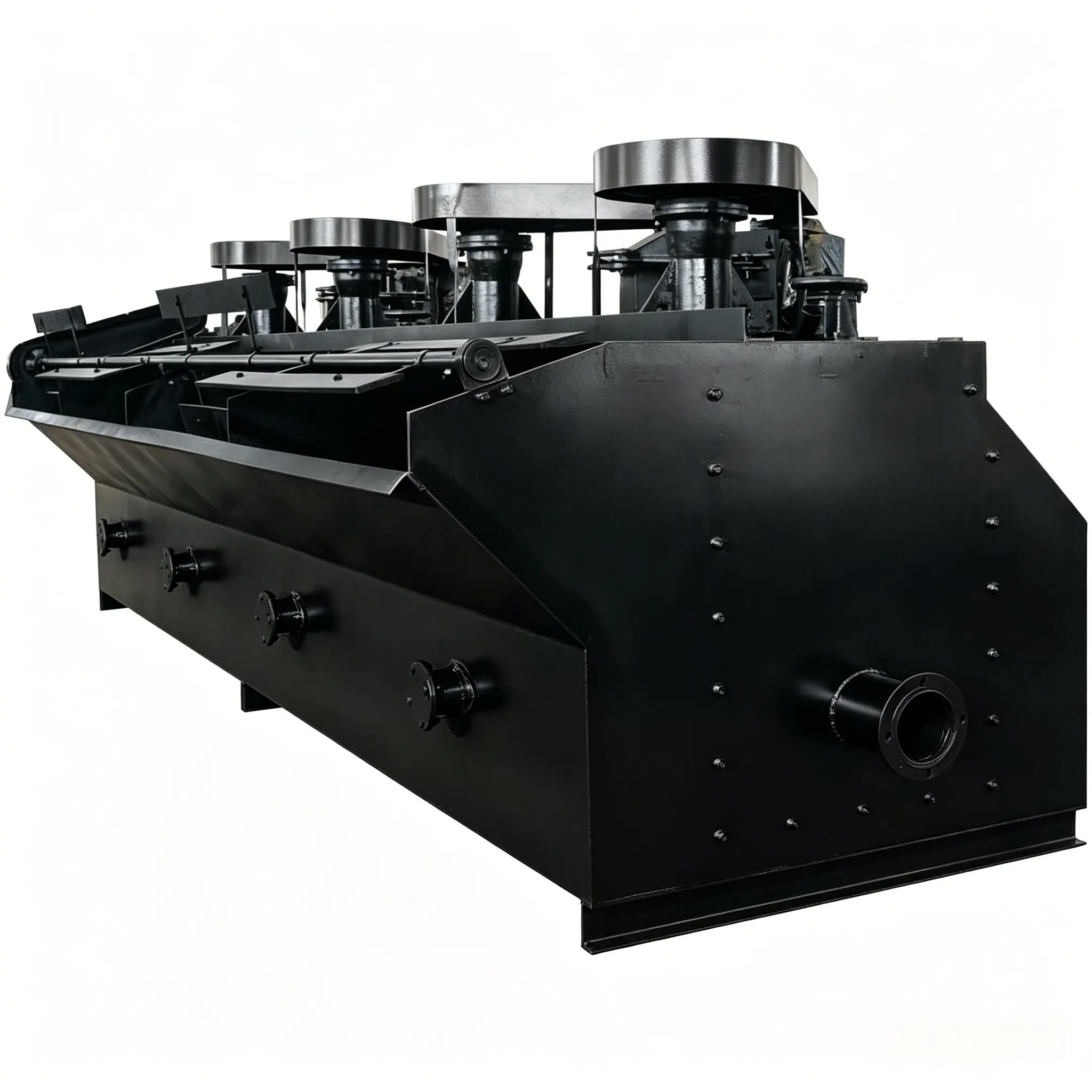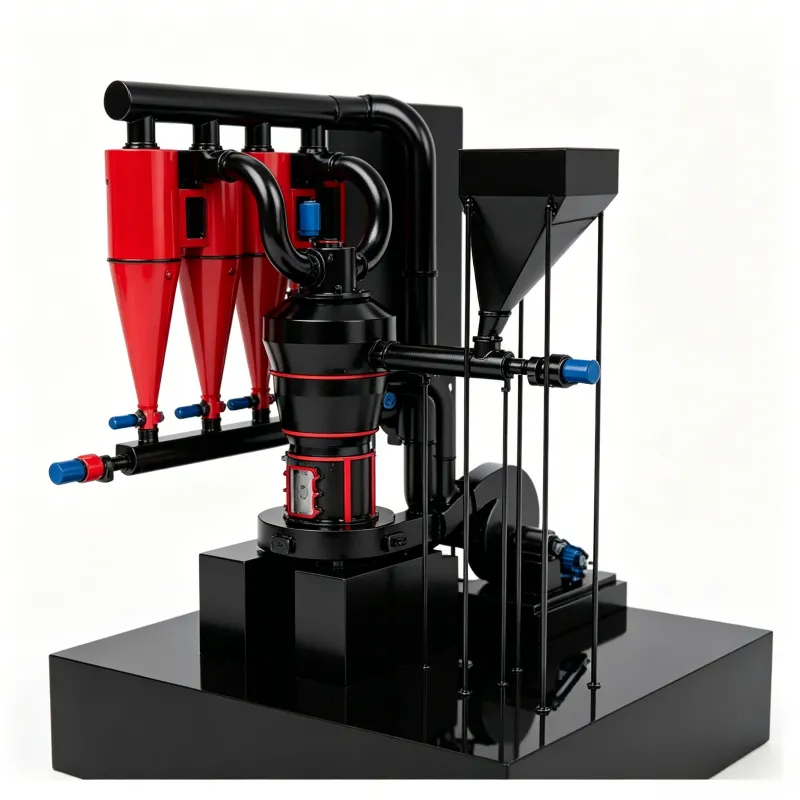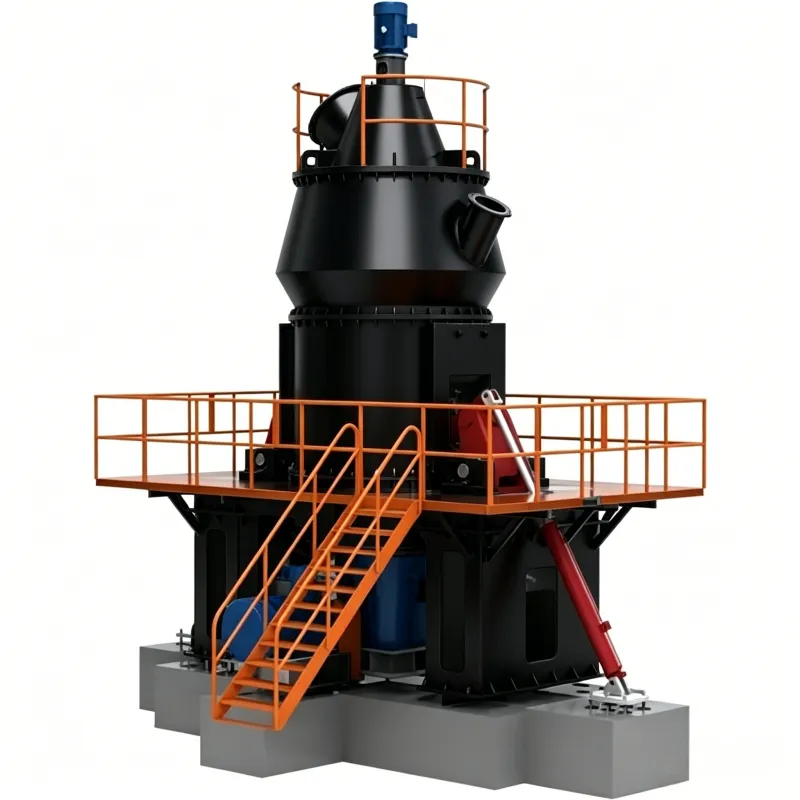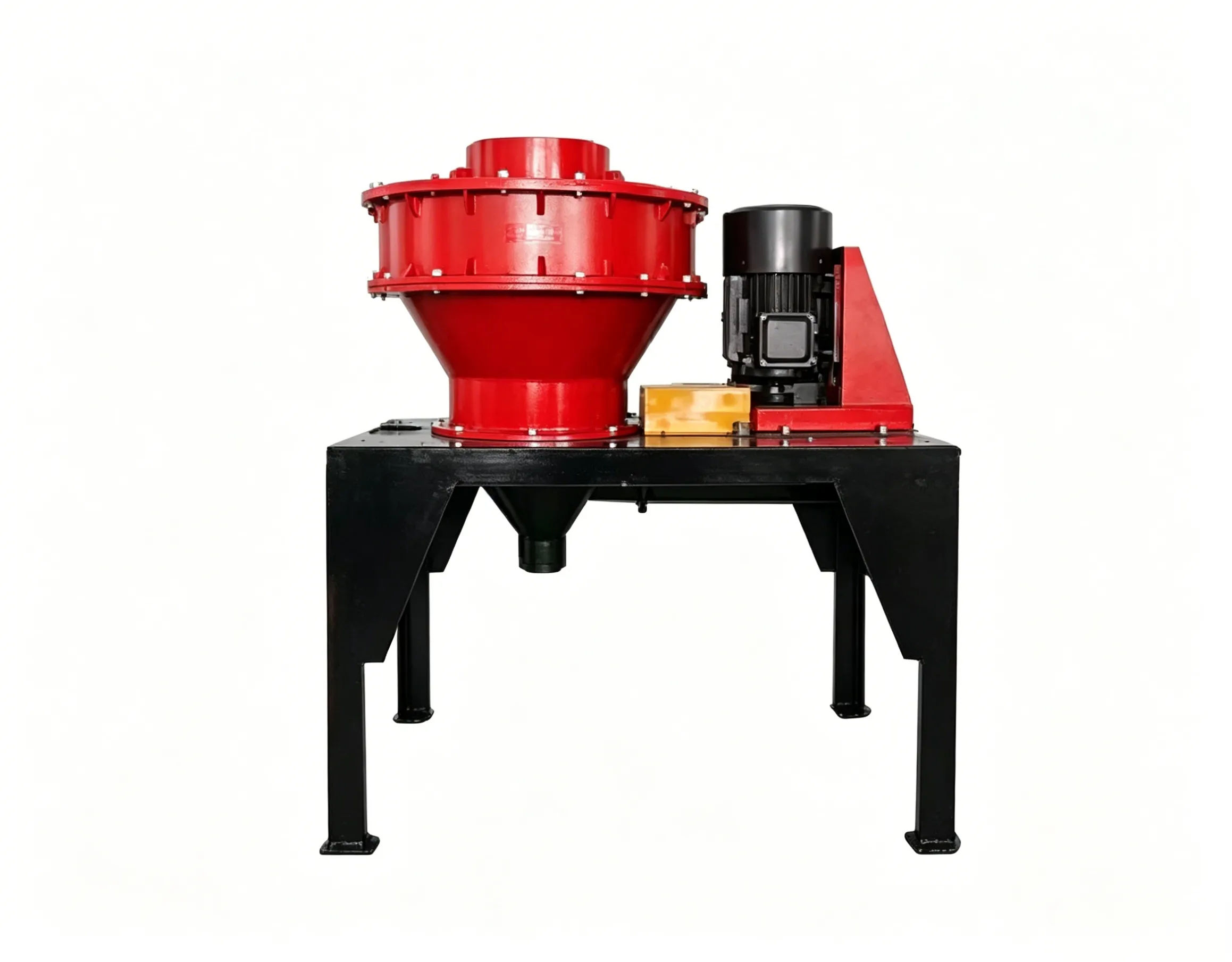
Машина для дробления и формовки серии SZF
дробильно-формовочная машина Ударная дробилка и формовочная машина серии SZF состоит из устройства подачи,…

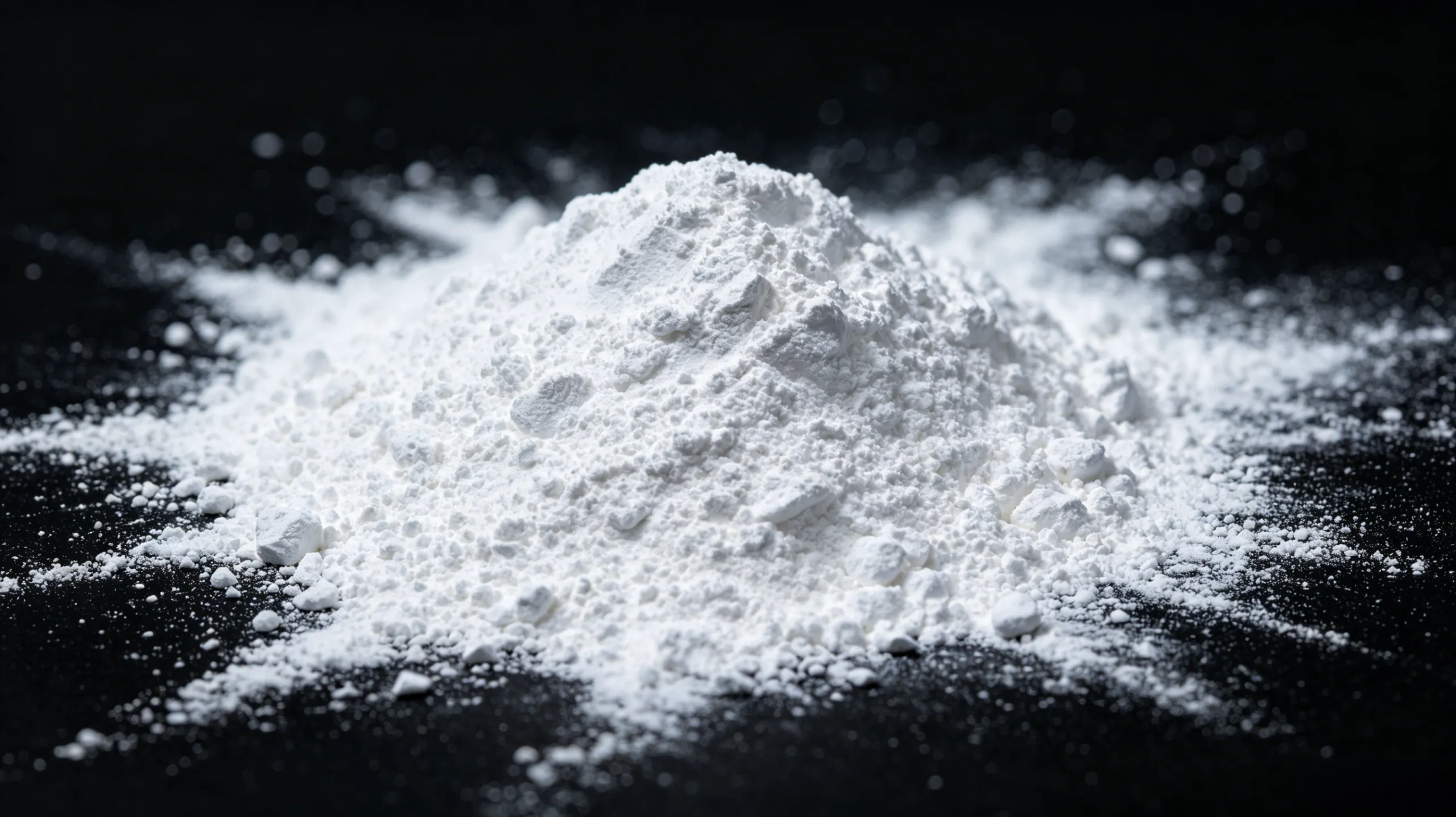
Calcium carbonate occurs widely in nature in the forms of limestone, marble, dolomite, chalk, coral, and shells. The most commonly used raw material for producing calcium carbonate is limestone. Limestone is extremely abundant in nature, and all provinces in China have rich limestone resources.
The main component of limestone is calcium carbonate. Based on the crystal structure of calcium carbonate, limestone can be divided into calcite-type limestone and aragonite-type limestone.
(1) Calcite – A mineral belonging to the trigonal (rhombohedral) crystal system. It forms rock; small crystals (single crystals) may be fine chalk particles invisible to the naked eye, while large crystals may be transparent Iceland spar up to several meters in size. Crystal habits include dense massive, granular, stalactitic, oolitic, and travertine forms. It is usually colorless or milky white, but may appear in various colors if impurities are present.
(2) Aragonite – A mineral belonging to the orthorhombic crystal system. It rarely forms rock; crystals are often columnar or acicular. It is usually white or yellowish-white. In nature, aragonite is far less common than calcite; it mostly occurs in supergene processes and will eventually transform into calcite.
Limestone can be classified into the following four types according to appearance:
(1) Dense limestone – Also known as ordinary limestone, or simply limestone, it is the most commonly used raw material for producing light calcium carbonate that can be processed by raymond mill. It is mainly composed of fine microcrystals of calcite, and its color varies with the impurities it contains. It is mostly formed from organic remains.
(2) Granular limestone – Mainly composed of coarse grains of calcite, formed by contact metamorphism of limestone or by recrystallization during rock formation. Marble belongs to this category; it is formed by recrystallization of limestone or dolomite under contact or regional metamorphism. It is generally white, but may appear in various colors if impurities are present. Marble is mainly used for decorative engineering; pieces unsuitable for decoration or their fragments can be used for lime burning.
(3) Porous limestone – Shell limestone, calcareous tufa, oolitic limestone, and travertine belong to this category. Shell limestone is a soft rock formed by the cementation of shells of various sizes. Calcareous tufa is a spongy, hard rock with many vesicles. Oolitic limestone, also called egg stone, is composed of spherical calcite particles (less than 0.5 mm in diameter) bonded together. Travertine is formed by the decomposition of calcium bicarbonate; during decomposition, carbon dioxide gas is released, giving travertine its porous structure. Porous limestone can be used for lime burning, but because most porous limestones have much lower mechanical strength than dense limestone, they are not suitable for shaft kiln calcination and are better burned in rotary kilns.
(4) Earthy limestone – Chalk and loosely structured limestones similar to chalk belong to this category. Chalk is formed from the accumulation of shells and skeletons of marine organisms (such as foraminifera and corals), has an earthy structure, is loose and friable, and can be calcined in rotary kilns.
The main component of limestone is calcium carbonate. In nature, pure calcium carbonate is rare because limestone often incorporates other minerals (impurities) during its formation, such as dolomite (a double salt of calcium carbonate and magnesium carbonate, i.e., CaCO₃·MgCO₃), quartz (SiO₂), and clay (mainly Al₂O₃ and Fe₂O₃). Based on the impurity content, limestone can be classified into pure limestone, slightly dolomitic limestone, dolomitic limestone, pure dolomite, slightly argillaceous limestone, slightly argillaceous and slightly dolomitic limestone, slightly argillaceous dolomitic limestone, argillaceous limestone, and highly argillaceous limestone. The chemical compositions of various limestones are listed in Table 4.
Only pure limestone can be used to produce high-calcium lime and subsequently light calcium carbonate. Argillaceous limestone and highly argillaceous limestone can only be used to produce hydraulic lime (not yet produced domestically). Other types of limestone can be used to produce various air-hardening limes (such as building lime and metallurgical lime, etc.).
Таблица 4 Chemical Composition of Various Limestones
| Types of limestone | Chemical composition /% | Limestone types | Chemical composition /% | ||||
| CaCO₃ | MgCO₃ | SiO₂+Al₂O₃+ Fe₂O₃ | CaCO₃ | MgCO₃ | SiO₂+Al₂O₃+ Fe₂O₃ | ||
| Pure limestone | 96~100 | 0~2 | 0~2 | Weak marly dolomitic stone | 70~90 | 7~24 | 3~6 |
| Weakly dolomitic limestone | 91~96 | 3~6 | 0~2 | Limestone | |||
| Dolomitic limestone Pure dolomiteWeak marly limestone | 75~9254~5892~96 | 7~24 40~46 0~2 | 0~20~23~6 | Weak marly limestone, marly limestoneStrong marly limestone | 50~7080~9270~85 | 25~45 0~60~6 | 3~6 8~10 12~20 |
| Weakly marly and weakly dolomitic limestone | 85~94 | 3~6 | 3~6 | ||||
Based on the content of impurities in limestone, it can also be classified into pure limestone, dolomitic limestone, siliceous limestone, clayey limestone, and pure dolomite. The chemical compositions of several typical limestones are listed in Table 5.
Table 5 Chemical Composition of Several Typical Limestones Unit: %
| chemical composition | Pure limestone | Siliceous limestone | Dolomitic limestone | Pure dolomite | chemical composition | Pure limestone | Siliceous limestone | Dolomitic limestone | Pure dolomite |
| CaO | 55.60 | 38.90 | 45.65 | 29.45 | SO₃ | один | 0.33 | — | |
| CO₂ | 43.60 | 33.10 | 43.60 | 46.15 | P₂O₅ | один | 0.04 | 0.05 | |
| MgO | 0.58 | 2.72 | 7.07 | 21.12 | Na₂O | один | 0.01 | 0.01 | |
| SiO₂ | 0.14 | 19.82 | 2.55 | 0.14 | K₂O | 0.01 | 0.03 | 0.01 | |
| Al₂O₃ | 0.04 | 5.40 | 0.23 | 0.04 | H₂O | один | 0.23 | 0.16 | |
| Fe₂O₃ | 0.01 | 1.60 | 0.20 | 0.10 |
Properties of Limestone
3.2.1 Physical Properties
(1) Density – The density of limestone ranges from 2.65 to 2.80 g/cm³, dolomitic limestone from 2.70 to 2.90 g/cm³, and dolomite from 2.85 to 2.95 g/cm³.
The bulk density depends on the porosity. The bulk densities and porosities of various limestones are listed in Table 6.
Table 6 Bulk density and porosity of various limestones
| Limestone type | Porosity / % | Bulk density / (g/cm³) | Limestone type | Porosity / % | Bulk density / (g/cm³) |
|---|---|---|---|---|---|
| Limestone | 0.1–30 | 1.90–2.80 | Chalk | 15–>40 | 1.50–2.30 |
| Marble | 0.1–2.0 | 2.70–2.80 | Dolomite | 1–>10 | 2.60–2.90 |
The packing density, on the other hand, depends on the manner of packing. The packing densities of limestones of various particle sizes are given in Table 7.
Table 7 Packing density of limestone of various particle sizes (with a bulk density of 2.70 g/cm³)
| проект | Размер частиц / мм | Bulk density / (g/cm³) | проект | Размер частиц / мм | Bulk density / (g/cm³) | ||
| bulk | tamping | bulk | tamping | ||||
| mixturemixturemixtureFine gravel | 0~350~450~55 10~30 | 1.45~1.751.45~1.751.45~1.751.30~1.60 | 1.95~2.051.95~2.051.95~2.051.60~1.80 | Fine gravel, sandstoneFine ore | 3~10 0.2~3 0~0.09 | 1.30~1.601.35~1.601.00~1.30 | 1.60~1.801.75~1.901.75~1.95 |
(2) Porosity: The total porosity of limestone ranges from 0.1% to 30% (by volume), with some individual samples exceeding 40%. Limestone with a porosity of less than 0.8% is considered dense, 0.8% to 2% is slightly porous, 2% to 5% is porous, and above 5% is extremely porous, even reaching a honeycomb-like structure.
(3) Hardness – The older the limestone formation, the higher its density, hardness, and strength. The Mohs hardness of limestone ranges from 2 to 4, and that of dolomite from 3.5 to 4.
(4) Strength – The mechanical strength of various limestones varies widely. The reference value for compressive strength is approximately 7.85–196.14 MPa, with marble at the upper limit and chalk at the lower limit. Dense limestone has a compressive strength of 147.11–235.37 MPa, slightly porous limestone 117.68–235.37 MPa, porous limestone 68.65–117.68 MPa, and travertine 19.61–29.42 MPa. The compressive and flexural strengths of various limestones are listed in Table 8.
Table 8 Compressive and flexural strengths of various limestones
| Specimen | Прочность на сжатие / МПа | Flexural strength / MPa | Specimen | Прочность на сжатие / МПа | Flexural strength / MPa |
|---|---|---|---|---|---|
| 1 | 188.3 | 11.77 | 6 | 156.9 | 7.36 |
| 2 | 226.5 | 8.83 | 7 | 176.5 | 8.83 |
| 3 | 178.5 | 14.22 | 8 | 171.6 | 10.30 |
| 4 | 142.2 | 3.43 | 9 | 184.4 | 14.22 |
| 5 | 184.4 | 5.88 | 10 | 129.5 | 8.34 |
(5) Decomposition temperature – Under atmospheric pressure, the decomposition temperature of limestone is approximately 896–910 °C.
(6) Thermal expansion coefficient – In the temperature range below 800 °C, the average thermal expansion coefficient of microcrystalline limestone is 4.5×10⁻⁶–5.0×10⁻⁶ °C⁻¹; for coarse crystalline limestone, it increases to 10.1×10⁻⁶ °C⁻¹.
(7) Specific heat capacity – The average specific heat capacity of limestone is approximately 0.8577 kJ/(kg·°C), and that of dolomitic limestone is about 0.8996 kJ/(kg·°C). The average specific heat capacities of powdered limestone are listed in Table 9.
Table 9 Average specific heat capacity of powdered limestone
| Temperature / °C | 100 | 300 | 400 | 500 | 600 | 700 | 800 | 900 |
|---|---|---|---|---|---|---|---|---|
| Average specific heat capacity / [kJ/(kg·°C)] | 0.8732 | 0.995 | 1.0188 | 1.0510 | 1.0795 | 1.0975 | 1.1062 | 1.1117 |
(8) Thermal conductivity – In the temperature range 0–50 °C, the thermal conductivity of limestone is 2.1–3.3 W/(m·°C). The thermal conductivity decreases with increasing temperature; at 200 °C it is about 2.5 W/(m·°C), and at 600 °C it drops to about 1.3 W/(m·°C).
(9) Colour – Iceland spar calcite is colourless and transparent, but most limestones are opaque and exhibit various colours depending on the type and amount of impurities they contain.
The most richly coloured are marbles, which can be white, rose, yellow, chestnut, brown, or even deep black, sometimes with multiple colours intermingled. The colour of marble depends mainly on the type, amount, and distribution of metal oxides that carry the colour.
Most limestones are bluish‑grey to medium grey. Dolomitic limestone is generally greyish‑brown. Siliceous limestone often shows a lustre. Argillaceous limestone is usually yellow to brown, mainly because of iron oxides formed by oxidation of minerals such as pyrite and marcasite in the clay. When limestone contains uniformly distributed carbon, it appears light grey, dark grey, or even black.
(10) Dielectric constant – At 30 °C and 2–6 GHz, the dielectric constant of limestone is 7.9–9.0. At 20 °C and 60 Hz, the dielectric constant of dolomite is 8.45.
(11) Electrical conductivity – The electrical conductivity of limestone is approximately 10⁻⁶–10⁻⁷ S/m. That of marble is approximately 10⁻⁸–10⁻¹⁴ S/m.
3.2.2 Chemical properties
When heated to 896–910 °C under atmospheric pressure, limestone decomposes into lime (mainly calcium oxide) and carbon dioxide:
CaCO₃ → CaO + CO₂↑ –316.50 kJ/mol
Calcium carbonate in limestone reacts with almost all strong acids to form the corresponding calcium salts, while releasing carbon dioxide. For example:
CaCO₃ + 2HCl → CaCl₂ + CO₂↑ + H₂O
Calcium carbonate in limestone is much more soluble in water containing carbon dioxide than in carbon dioxide‑free water, because it forms the more soluble calcium bicarbonate:
CaCO₃ + H₂O + CO₂ = Ca(HCO₃)₂
3.3 Requirements of limestone for producing nano‑calcium carbonate
The quality of nano‑calcium carbonate products depends to a large extent on the quality of the raw limestone. The composition of limestone not only affects the technical specifications of the product, but also influences the calcination process. In addition, shaft kilns are commonly used domestically for producing nano‑calcium carbonate, with only a very few plants importing gas‑fired kilns (single‑tube or twin‑tube gas‑fired shaft kilns) for lime burning. Therefore, certain requirements are also imposed on the limestone’s particle size, thermal stability, and mechanical strength. The requirements of limestone for producing nano‑calcium carbonate are listed in Table 10.
Table 10 Requirements of limestone for producing nano‑calcium carbonate
| Пункт | Requirement | Пункт | Requirement |
|---|---|---|---|
| CaCO₃ / % (or CaO / %) | ≥96.5 (≥54) | Mn / % | <0.0045 |
| MgCO₃ / % (or MgO / %) | <1.46 (<0.7) | P+S | Trace |
| SiO₂ / % | <1.5 | Размер частиц / мм | 75–150 |
| Al₂O₃ + Fe₂O₃ / % | <0.4 | Прочность на сжатие / МПа | ≥117.68 |
The silica (SiO₂), alumina (Al₂O₃), and iron oxide (Fe₂O₃) contained in limestone are extremely harmful impurities. They not only increase the consumption quota of limestone, but also cause severe “ringing” or “nodulization” troubles in the shaft kiln. During calcination, they combine with calcium oxide to form low‑melting‑point, viscous (above 800 °C) compounds such as calcium silicates (xCaO·SiO₂), calcium aluminates (zCaO·Al₂O₃), calcium ferrites (xCaO·Fe₂O₃), and calcium aluminoferrites (xCaO·Al₂O₃·Fe₂O₃). These viscous materials cement the lime into large lumps and sinter them into nodules; some of these sticky masses or nodules adhere firmly to the inner wall of the shaft kiln. Large nodules obstruct the rising air, causing flow bias, which leads to “under‑burning,” “over‑burning,” and a decrease in CO₂ concentration in the kiln gas. The sticky deposits or nodules attached to the kiln wall hinder the smooth descent of the lime, and when they eventually fall, they can easily damage the equipment. Therefore, “nodulization” upsets the calcination process in the shaft kiln and seriously affects all technical and economic indicators of the kiln operation. In addition, these viscous coatings cover the lime surface and reduce its slaking performance (activity). Hence, when selecting limestone, the total content of SiO₂, Al₂O₃, and Fe₂O₃ must be strictly controlled so that SiO₂+Al₂O₃+Fe₂O₃ < 5.0%. If SiO₂+Al₂O₃+Fe₂O₃ > 5.0%, then in terms of composition, the limestone does not meet the requirement. However, for nano‑calcium carbonate production, the limit of SiO₂+Al₂O₃+Fe₂O₃ < 5.0% is quite broad, because when CaCO₃ ≥ 96.5%, the requirement of SiO₂+Al₂O₃+Fe₂O₃ < 5.0% is naturally satisfied. Therefore, “nodulization” troubles generally do not occur during the production of nano‑calcium carbonate.
In addition to strict compositional requirements, the particle size and mechanical strength of the limestone are also very important. Excessively large particle size prolongs the material residence time and reduces the production capacity of the shaft kiln. Excessively small particle size increases air resistance, hinders air supply, and also affects kiln productivity. A particle size in the range of 75–150 mm is generally considered appropriate. Limestone with insufficient mechanical strength will disintegrate and pulverize after calcination, thereby blocking the air passages in the shaft kiln and making normal operation difficult. At the same time, the combustion ash mixes with the powdered lime and is difficult to separate, thus contaminating the product. It is generally required that the compressive strength of limestone be not less than 117.68 MPa; that is, porous limestone is not suitable as feed for shaft kilns. In addition, detrital sedimentary limestone is also unsuitable as shaft‑kiln feed, because this type of re‑deposited limestone also disintegrates into powder after calcination. In summary, the physical requirements of various shaft kilns for limestone are as follows: dense, massive limestone with fine crystalline grains and no recrystallization; density of 2.65–2.80 g/cm³; porosity ≤1%; Mohs hardness ≥3; compressive strength of 147.11 MPa (note: the text specifies this value for dense limestone in particular, while the general requirement is ≥117.68 MPa); and feed lump size of 80–150 mm into the kiln (different shaft kilns require different lump sizes, which should be determined according to specific circumstances).