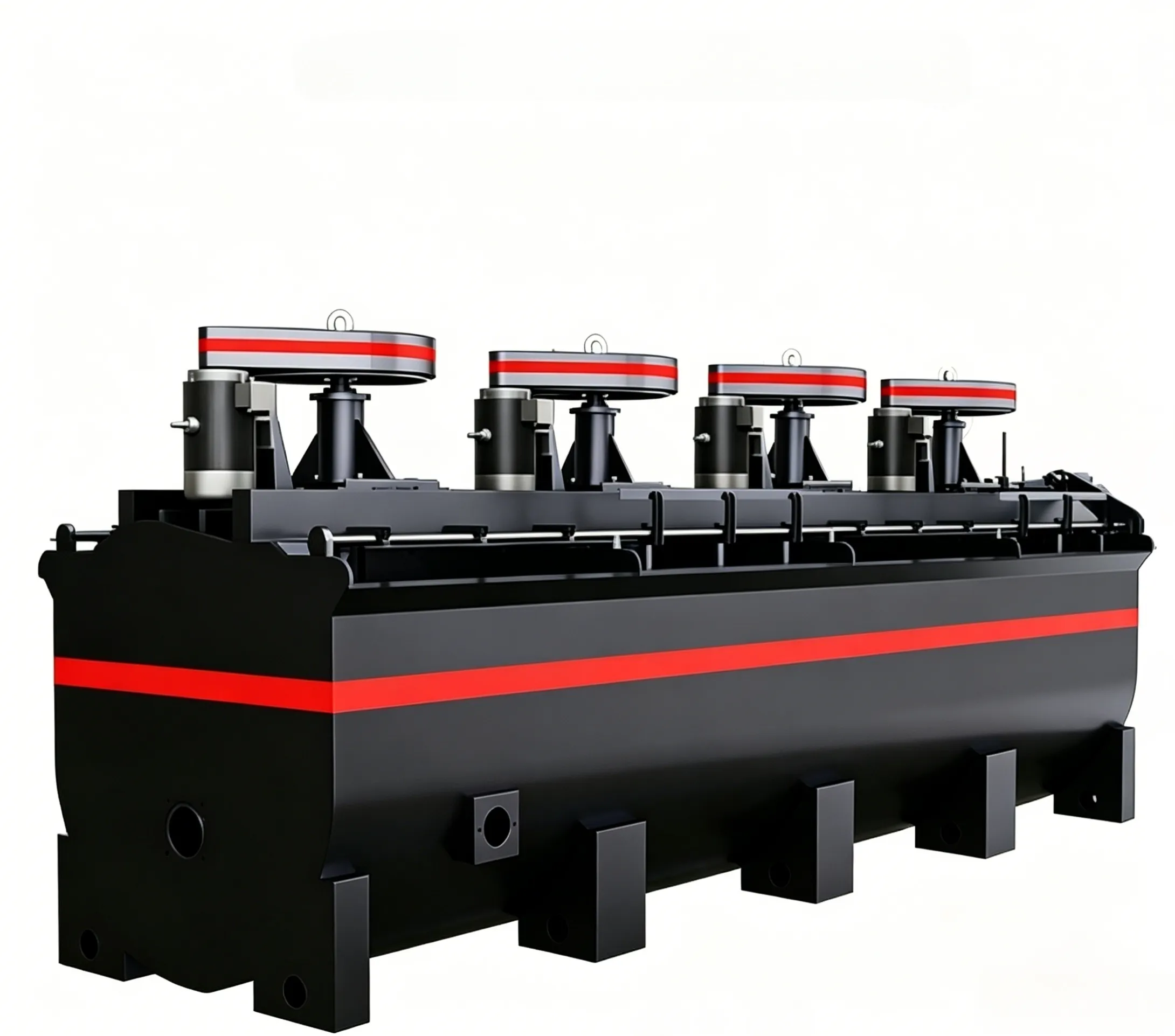
Máquina de flotación GF
Máquina de flotación GF Esta máquina de flotación está diseñada para partículas gruesas y...

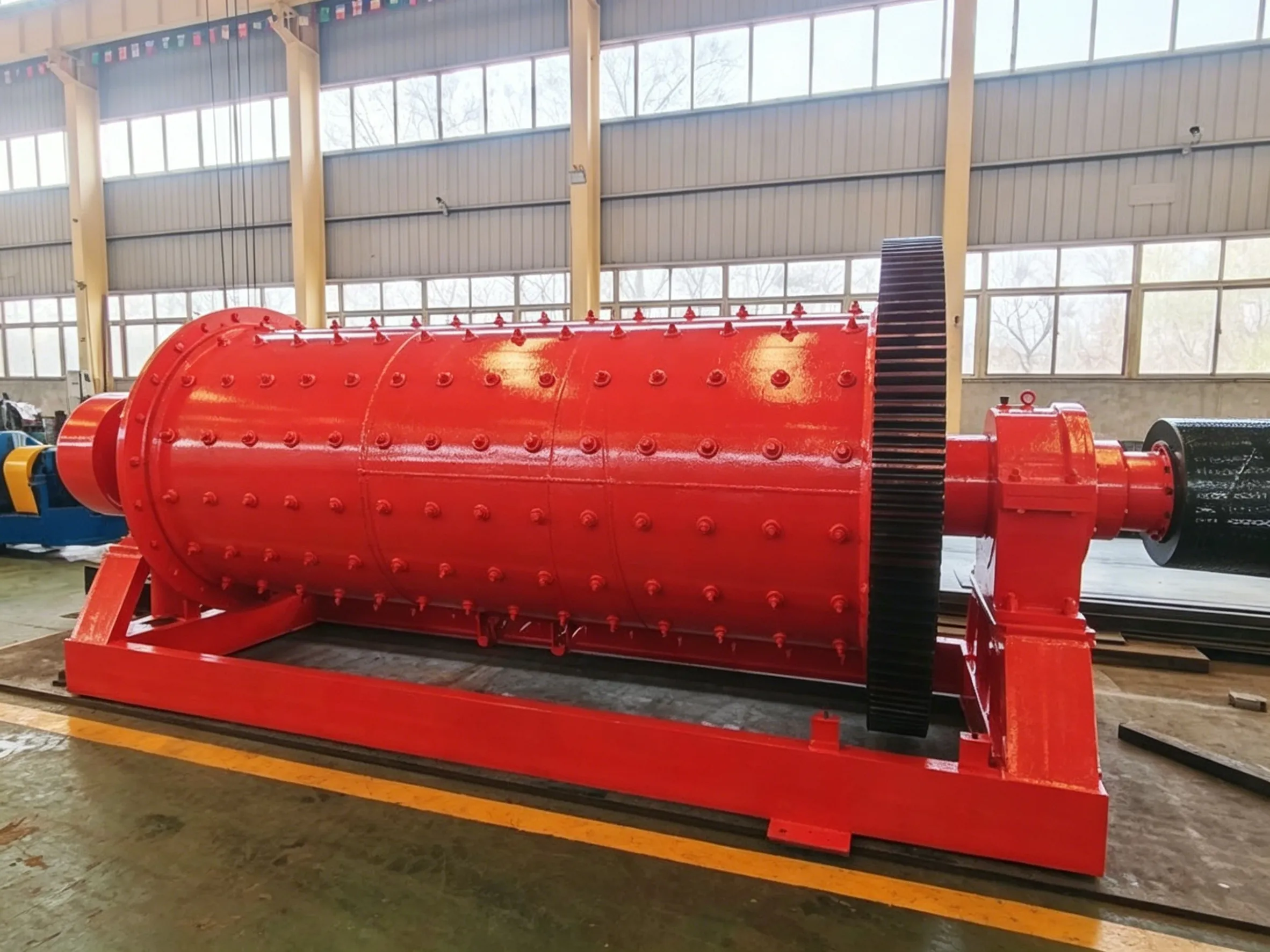
The ceramic ball mill is an energy-saving grinding equipment with a ceramic liner as its core component. It is widely used in material mixing and grinding operations in industries such as mineral processing, architectural ceramics, chemicals, and pharmaceuticals, and is particularly suitable for product trial stages and small-batch production. Its most prominent technical advantage lies in the use of alumina ceramic liners and grinding balls, which fundamentally solves the problem of iron impurity introduction during grinding with traditional metal-lined ball mills. The resulting product is free from iron contamination and has high purity.
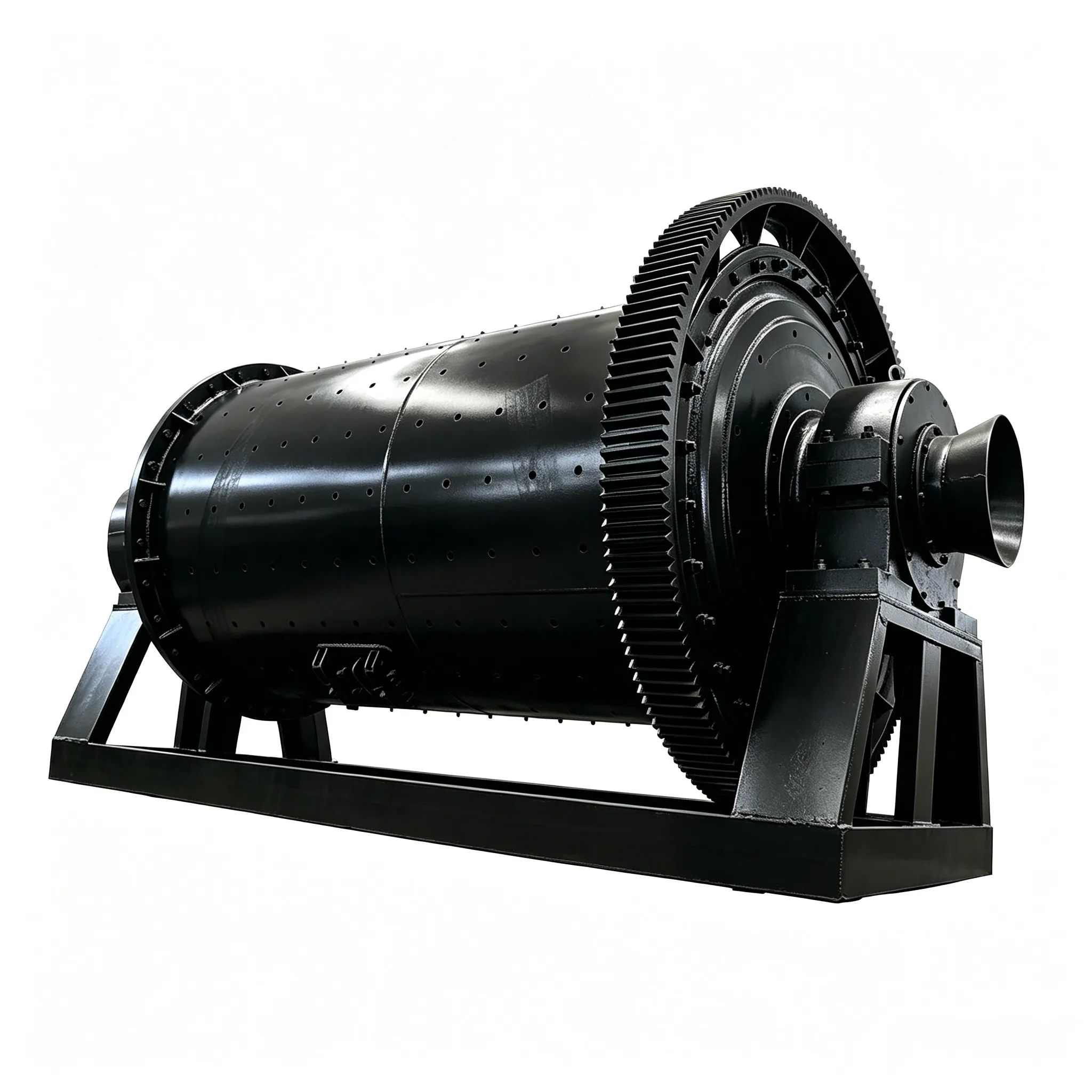
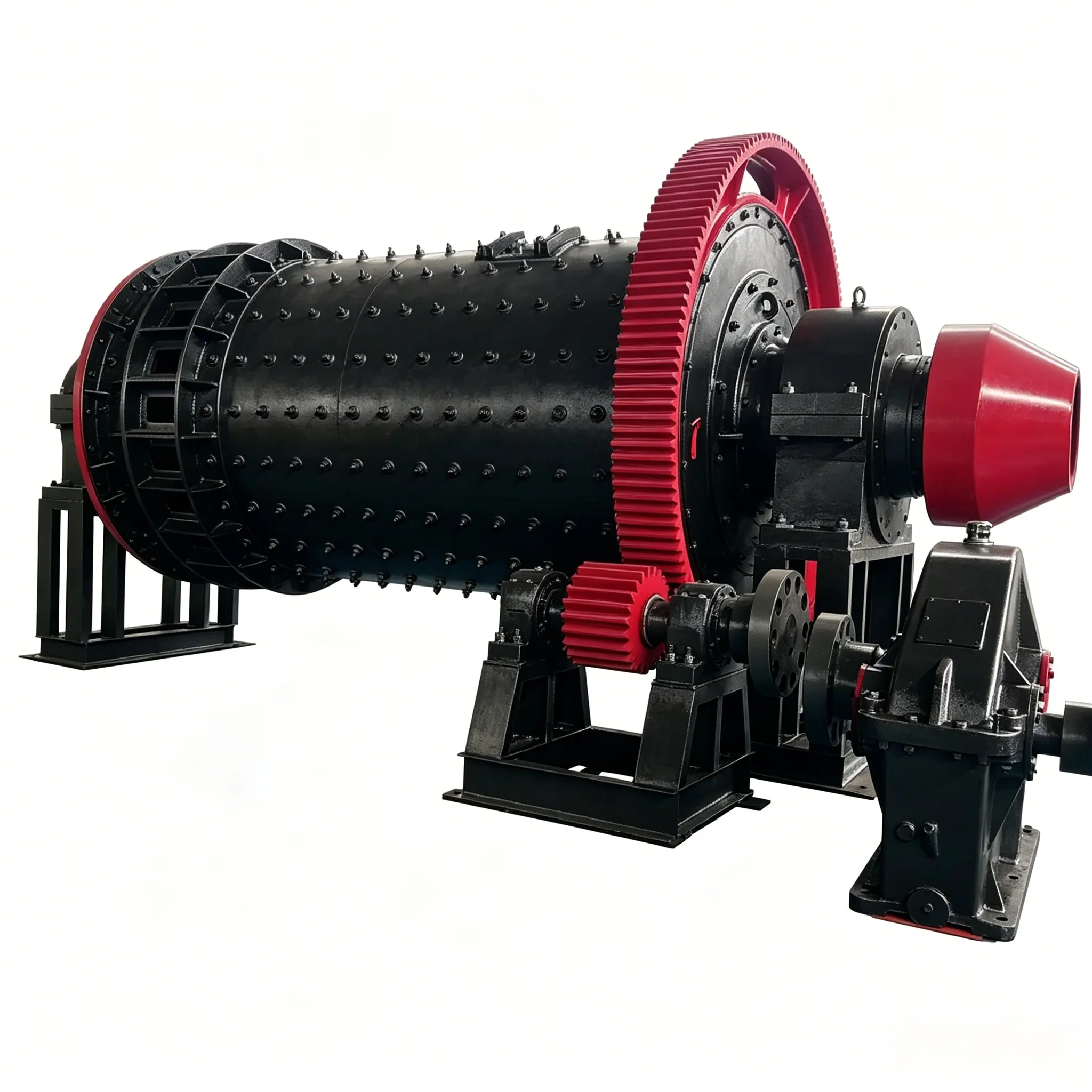
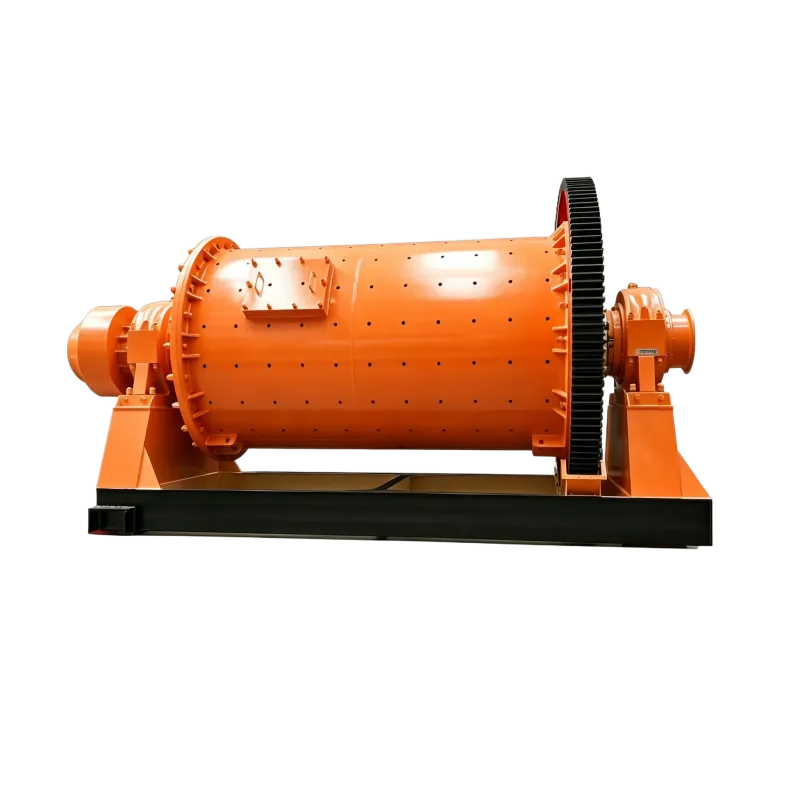
Structurally, the ceramic ball mill consists of a feed part, discharge part, rotating part, and drive part, adopting a horizontal cylindrical structure, often with a compartment design. The liner and grinding media can be made of alumina ceramic, quartz, or special materials, and both dry and wet grinding are possible. In terms of the transmission system, it is equipped with a variable-frequency motor and reducer, with adjustable rotational speed – typically operating at 60‑80% of the critical speed – ensuring that the grinding media reach the optimal drop height.
The most notable advantage of the ceramic ball mill is its excellent energy‑saving effect. The energy‑saving mechanism derives from three aspects: First, lower medium density. The density of ceramic grinding media specially designed for cement is about 3.65 g/cm³, while that of high‑chromium steel balls is about 7.8 g/cm³. For the same volume, the total weight of ceramic media is nearly halved, and the main motor current drops accordingly. Second, significantly reduced operating current. After replacing steel forgings with ceramic balls in the third‑stage ball mill of the Baogang Barun Branch’s beneficiation workshop, the stator current decreased by more than 50%. Third, greatly reduced electricity consumption per ton of product. In the field of cement grinding, taking a Φ4.2 m × 13 m cement ball mill as an example, when using steel ball media, the mill output is about 210 t/h and the average power consumption is about 30 kWh/t. After switching to alumina ceramic grinding media, the average power consumption can drop below 25 kWh/t, reducing electricity consumption per ton of cement by more than 15%.
For materials that have strict requirements on iron content – such as quartz, kaolin, and electronic ceramics – traditional metal‑lined ball mills inevitably generate metal debris that mixes into the product during high‑speed grinding. Even trace iron impurities can cause the product to turn yellow and reduce whiteness. The ceramic ball mill cuts off the source of iron contamination by making all internal contact surfaces (liners and grinding media) non‑metallic.
In practice, after a Φ3.6 × 8.0 m ball mill in a silica sand plant switched to high‑alumina tile liners, annual maintenance costs were reduced by 420,000 RMB, the friction coefficient decreased by 30% compared to metal liners, and motor power could be reduced by 10‑15%. When grinding electronic‑grade quartz sand, the iron content can be controlled below 5 ppm – far lower than the 30 ppm typical of metal‑lined equipment.
Ceramic liners have good sound absorption and vibration damping properties, significantly reducing impact noise during grinding. The equipment operating noise is ≤85 dB, which is 10‑15 dB lower than that of metal liners. In cement grinding applications, using ceramic grinding media reduces the in‑mill temperature by over 20 °C, lowers mill noise by about 20 dB, and reduces the cement discharge temperature by about 30 °C. This not only improves the working environment but also benefits equipment safety.
In 2023, KEDA’s KDM92×4 continuous ball mill system was successfully put into operation at Henan Jiabei Technology Co., Ltd. This system is currently the largest‑capacity continuous ball mill in the world, with a daily output of 2,000 tons of dry material and a unit power consumption as low as 12.5 kWh/t. Compared with traditional intermittent ball mills, this equipment saves 20‑25% of electricity and reduces floor space by 50%. On the intelligence front, the system adopts a cutting‑edge UI design concept, can adjust grinding speed in real time according to the target output, and is equipped with a cloud‑based electromechanical monitoring system that allows real‑time viewing of operating status and production data on a mobile phone, enabling remote fault alarm handling and unattended operation.
In 2026, HLT Technology delivered an LQA‑138/710 continuous ball milling slurrying system to Hunan Tianxin Group. With a single‑machine volume of 138 m³ and cylinder dimensions of φ4000 × 11000 mm, it set a new record for the volume of a single continuous ball mill in China’s ceramic industry. In addition, 16 units of 100‑ton ball mills from HLT were successfully commissioned at Huashuo Group’s production base in Enping, Guangdong Province. This 100‑ton ball mill is mainly used for intermittent wet grinding of ceramic materials. It adopts a reducer and belt‑reduction structure, featuring a compact overall layout, few wear parts, smooth operation, and low noise, while solving technical problems such as low output, high energy consumption, and high pollution.
Baogang Group’s Barun Branch replaced steel forgings with nano‑composite ceramic balls in the third‑stage ball mill of its three‑stage grinding circuit. The most noticeable change after the replacement was the stator current, which dropped by more than 50%. After four months of industrial testing, the wear resistance of the ceramic balls proved to be better than that of steel forgings, and their consumption was significantly lower than that of steel forgings. Moreover, after applying ceramic balls, over‑grinding was reduced, and metal recovery was further improved.
KENEX Group boldly explored replacing traditional steel balls with alumina grinding balls (nano‑ceramic balls) in the mineral processing circuits of Dexing Copper Mine and Yinshan Mining, pioneering the “ceramic instead of steel” practice. After the application, grinding operating costs dropped significantly, energy consumption and media consumption were notably optimized, and environmental benefits such as low noise and no pollution were achieved. This achievement won the First Prize of the Jiangxi Provincial Science and Technology Progress Award in 2024.
The ceramic ball mill industry is moving rapidly toward larger scale, intelligence, energy conservation, and environmental protection. On one hand, with advances in intelligent manufacturing technology, future ceramic ball mills will integrate more intelligent control systems, enabling remote monitoring, automatic adjustment, and fault warning functions, further improving production efficiency and equipment reliability. On the other hand, increasingly stringent environmental regulations are driving companies to develop more energy‑efficient, low‑emission grinding equipment.
In terms of technological innovation, future ceramic ball mills will pay more attention to intelligence and energy savings. With the application of sensing technology and automated control systems, ball mills will achieve more precise control, improving production efficiency while reducing energy consumption. In ceramic production and processing, grinding mills will develop toward high efficiency, energy conservation, intelligent control, and clean production. Grinding media will adopt high‑density ceramic balls or composite materials, and online particle size analyzers with feedback control systems will be integrated to adjust process parameters in real time, avoiding over‑grinding or under‑grinding.
When choosing a ceramic ball mill, users should focus on the following aspects: