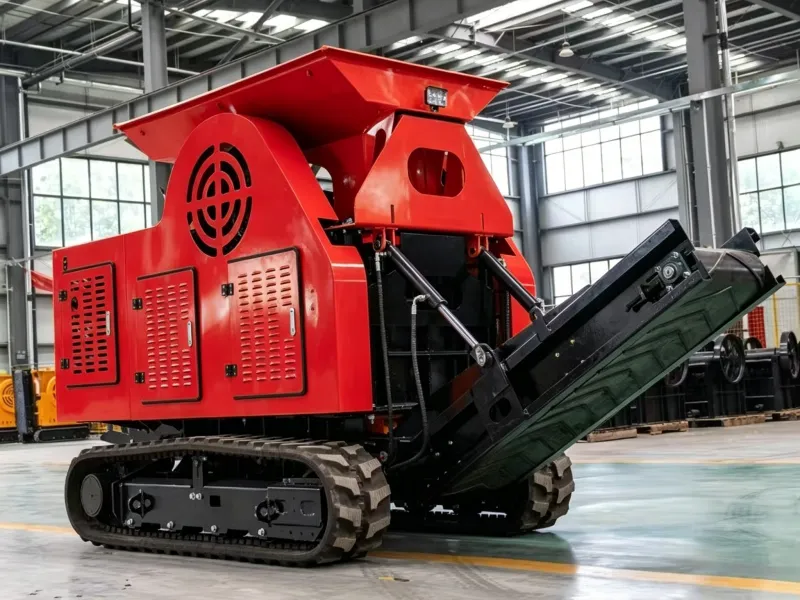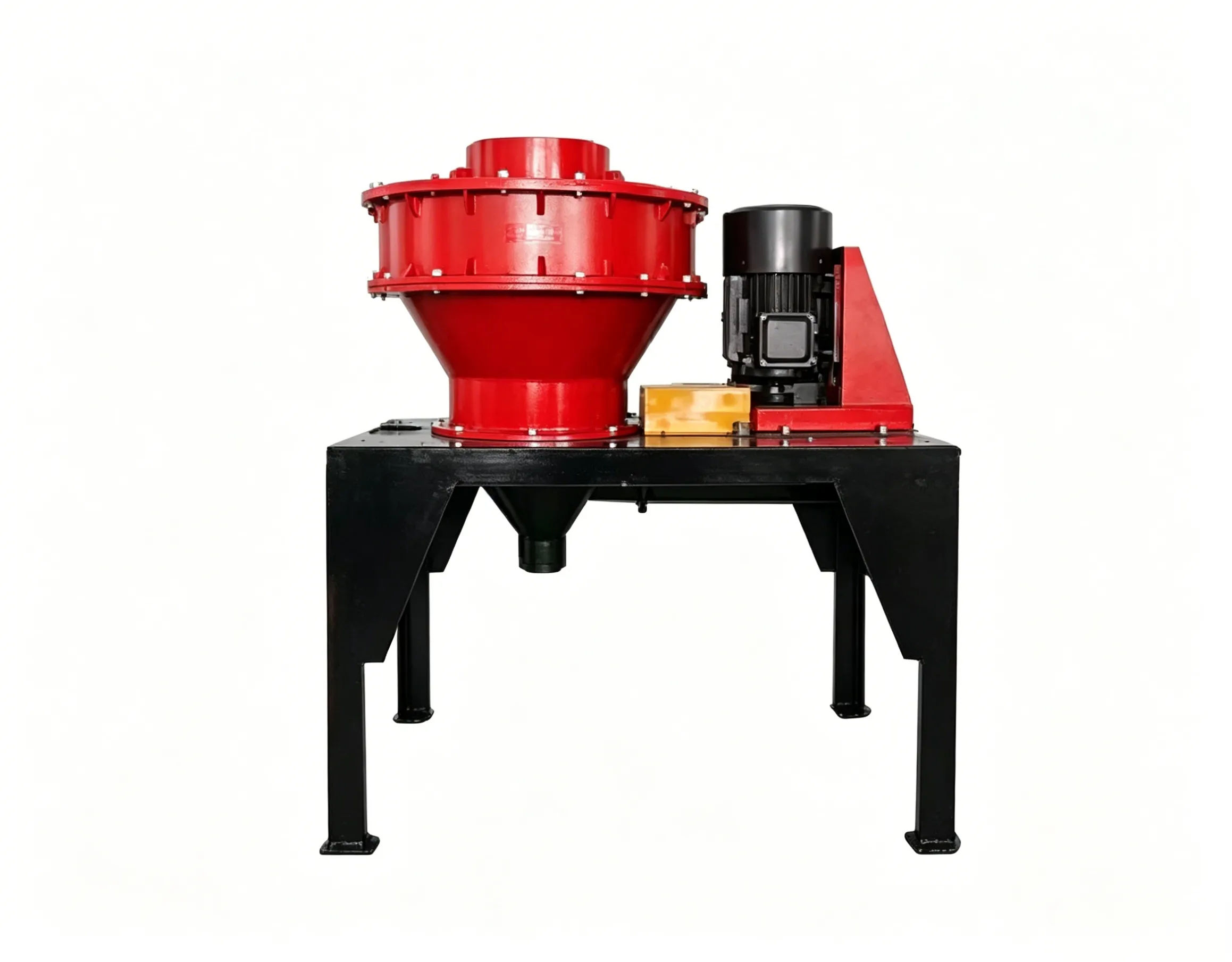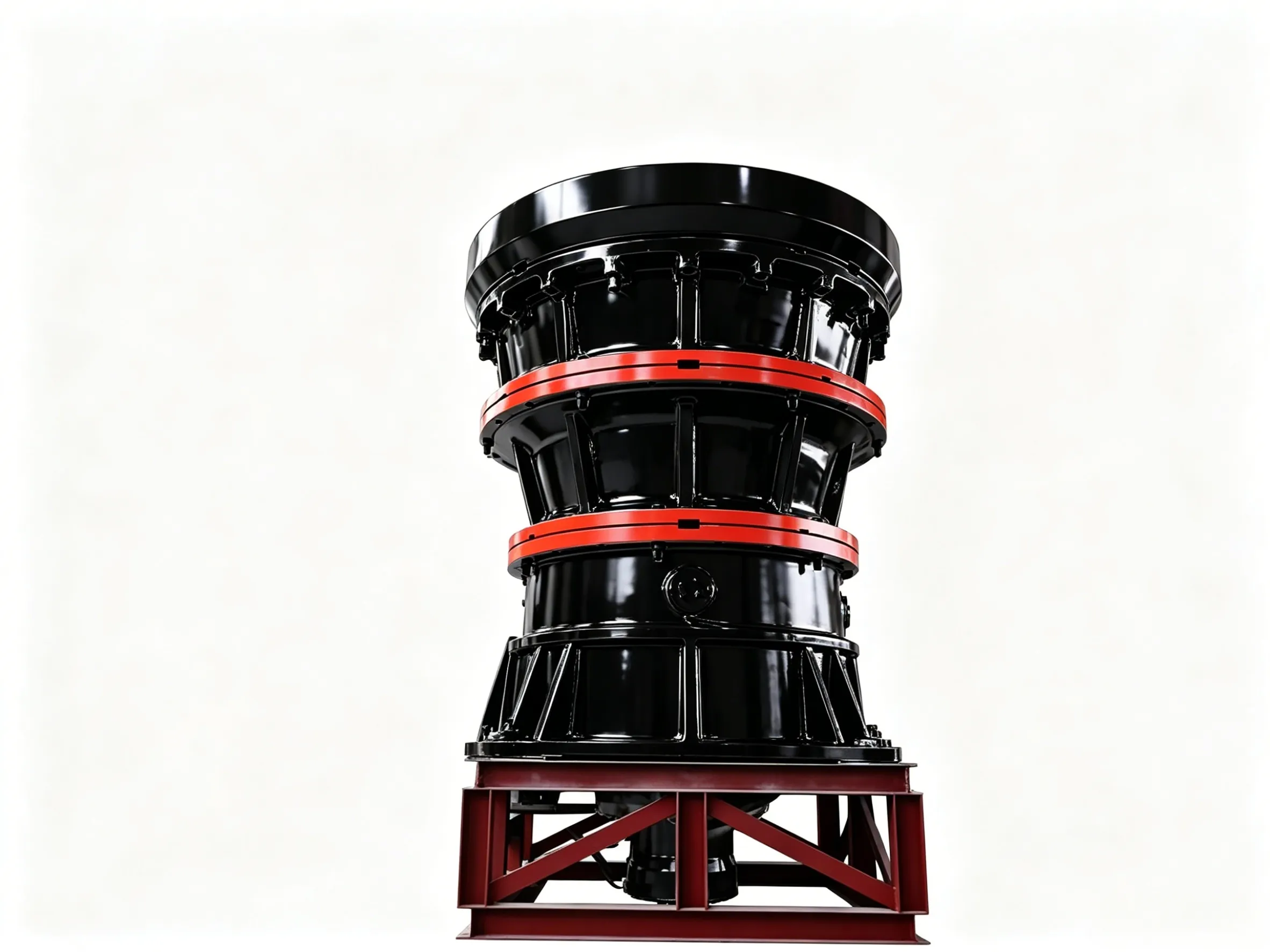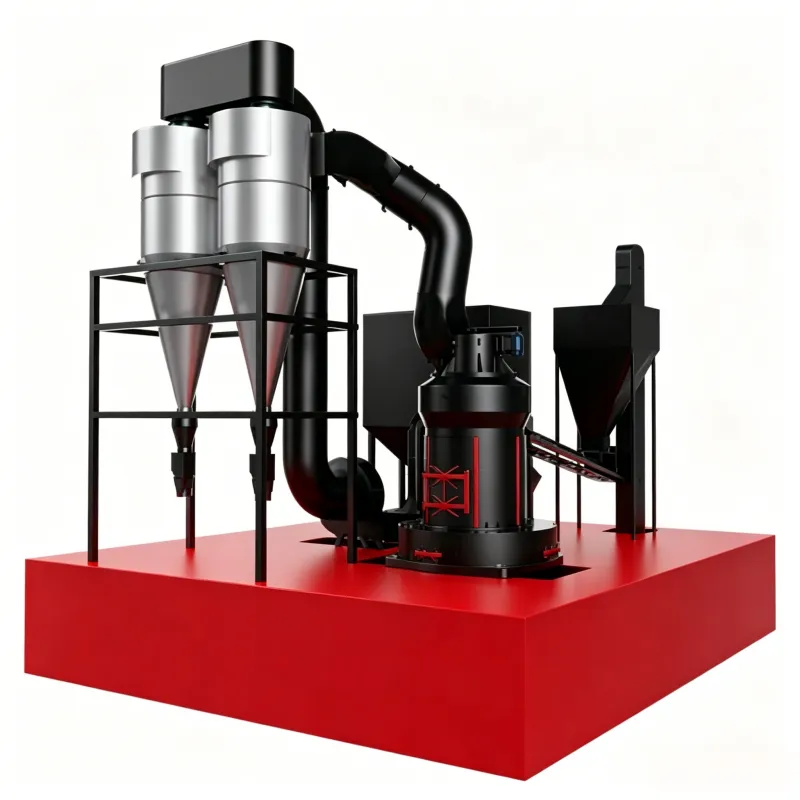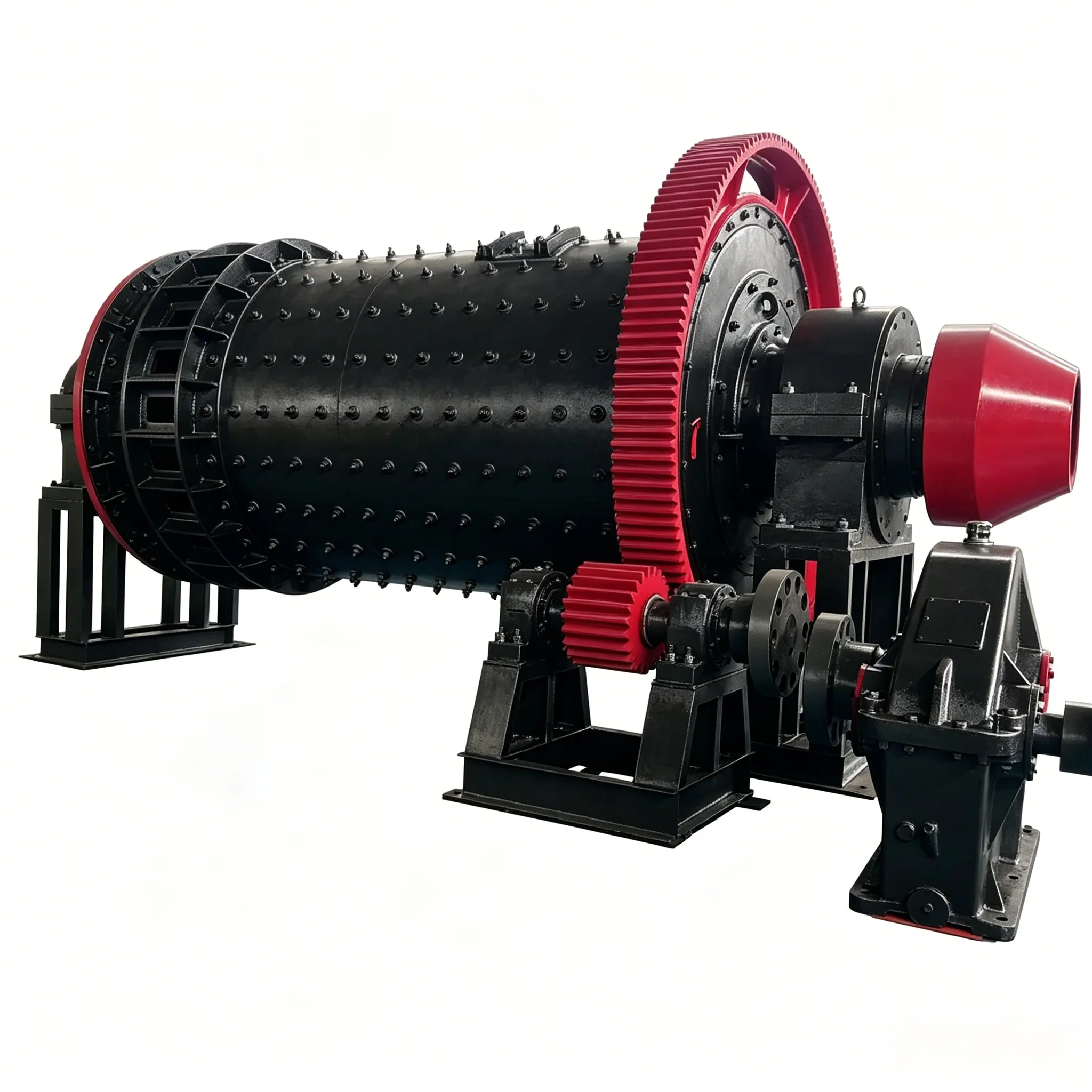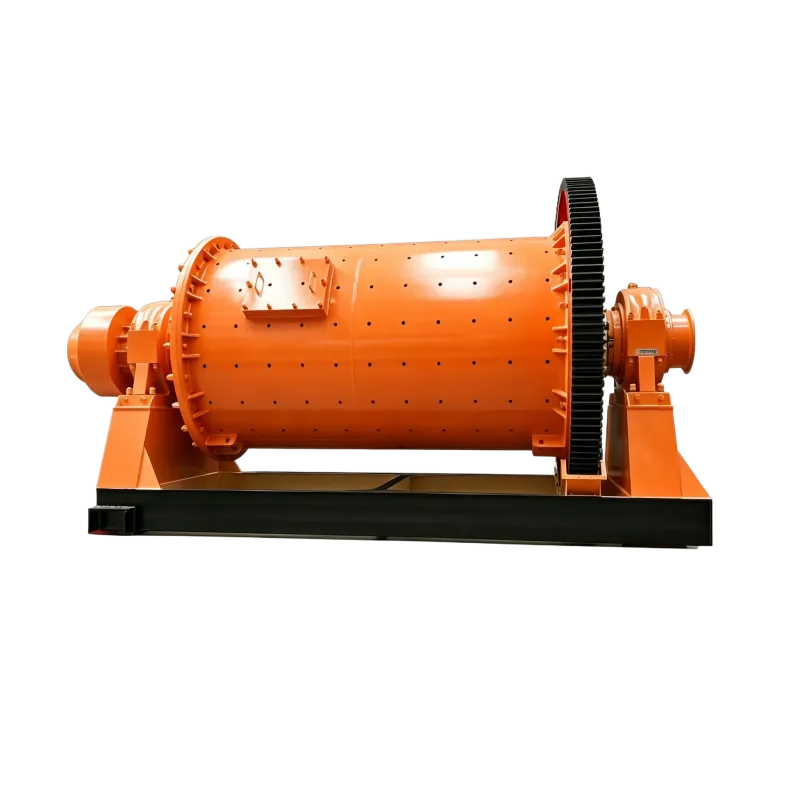
Molino de bolas de descarga de parrilla
Construcción de un molino de bolas con descarga por rejilla. La diferencia entre una rejilla…

Maintenance Content
Based on its scope and workload, maintenance can be classified as minor repair, medium repair, and major repair.
(1) Minor Repair. The main work contents include:
(2) Medium Repair. The main work contents include:
(3) Major Repair. The main work contents include:
11.1.7.2 Repair Methods
Los detalles son los siguientes:
(1) Repair of a Broken Shaft. A spiral shaft is generally used for three years or longer. Under the combined effects of fatigue, torsion, vibration, corrosion, and welding stresses, the shaft is prone to fracture. For repair of a broken main shaft, the method is determined according to the condition of the fracture. For example, if the main shaft is completely broken, and the fracture ends are separated and deformed, the preferred repair method is to use an inner core tube combined with an outer arc patch plate. The specific steps are as follows:
(2) Repair of a Partially Cracked Shaft (Not Fully Broken). If the main shaft is not fully broken and is discovered in time, with only a crack that does not completely encircle the circumference, a quick repair method can be used to minimize downtime and production losses. The specific steps are as follows:
The above repair method can be performed directly on site. The repair time depends on the size of the spiral classifier, generally requiring 4–12 hours. It is convenient and fast, saving more than half the time compared to the first method. The disadvantage is a shorter service life after repair, typically 9–15 months. The user facility may decide which repair method to use or opt for complete replacement based on production schedules and the degree of shaft fracture.
(3) Repair of the Lower Bearing. The lower bearing of a classifier generally comes in two structural types: one is a rolling bearing support, and the other is a rubber bearing support. The main cause of damage to the rolling bearing support is seal leakage allowing ore slurry to enter, which damages the rolling bearing. Seal leakage is mainly due to loosening of packing wear and untimely injection of high-pressure grease. During repair, replace the rolling bearing, repeatedly and firmly compress the oil-impregnated asbestos packing, and fill all cavities inside the support with grease. During operation, grease should be injected frequently to maintain a certain positive pressure inside the support, preventing slurry intrusion. This requires a high sense of responsibility from the operating and maintenance personnel. Under normal conditions, the service life of the lower support assembly can reach one year, but due to assembly quality issues or untimely greasing, the service life is sometimes less than one month. Therefore, many user facilities have improved the support seal. A successful improvement is to replace the oil-impregnated asbestos packing with V-shaped sealing rings made of rubber or polyurethane. Multiple sealing rings stacked together replace the asbestos packing. Due to the good elasticity and wear resistance of rubber and polyurethane, the sealing performance is significantly improved compared to asbestos packing, stabilizing and extending the service life of the rolling bearing support.
Many factors affect the service life of rolling bearing supports, making the service cycle difficult to predict. Generally, they are disassembled and inspected during monthly scheduled maintenance. If slurry ingress has caused bearing damage, they are replaced, and the repair cost is high. Some user facilities have converted rolling bearing supports to rubber or polyurethane bearing supports, adding a steel bushing to the lower support stub shaft. The service life of the support can reach 3–6 months, and the steel bushing can last 8–12 months. The service cycle is easier to control. Once the life cycle pattern is understood, scheduled maintenance can be effectively managed, with regular replacement of the support and steel bushing. This requires less responsibility from operating and maintenance personnel, and the repair cost is lower.
Another simpler repair and modification method is to disassemble the rolling bearing support assembly, leaving the flange connecting to the hollow shaft and the stub shaft unchanged. Remove the rolling bearing, seal sleeve, packing, and front/rear packing glands inside the support, keeping only the support housing. Using old conveyor belt material, roll a rubber belt roll with a width equal to the axial width of the housing, an outer diameter slightly smaller than the housing inner diameter, and an inner diameter slightly larger than the outer diameter of the stub shaft. Insert this roll into the housing and onto the stub shaft, thus creating a simple rubber belt lower bearing. When rolling the belt, note that the rolling direction should be opposite to the rotation direction of the stub shaft, so that when the spiral shaft rotates, the belt is tightly pressed against the inner surface of the support housing. The belt roll can last for more than 3 months. This method is simple and feasible, requires no additional machined parts, has low investment (using waste conveyor belt), is low-cost, stable, reliable, and can be used long-term.
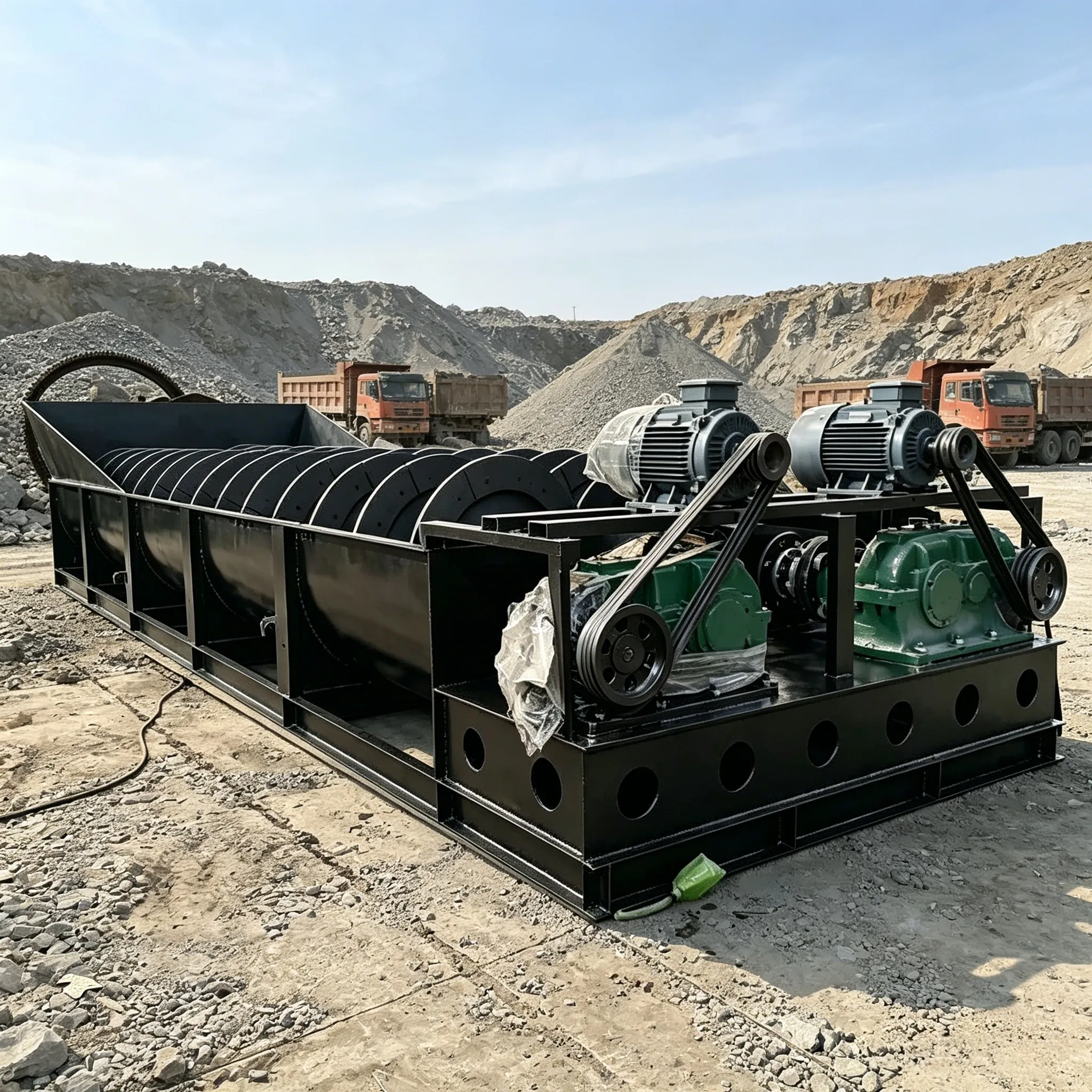
(4) Repair of the Transmission Part. The transmission part of a single spiral classifier generally consists of an electric motor, a pair of belt pulleys, a reducer, and a cylindrical gear pair. The transmission part of a double spiral classifier generally consists of an electric motor, a coupling, a reducer, a pair of cylindrical gears, and two pairs of bevel gears. The main operational faults of the transmission part include the following: First, excessive clearance or breakage of the coupling pin bushings due to wear, causing unstable reducer operation, which affects the normal meshing of the cylindrical gears and in turn the stability of the bevel gear pair. The wear of the pin bushings should be regularly inspected, and their replacement cycle should be determined so that timely replacement can be made, avoiding impact on the smooth operation of the entire transmission system. Second, severe wear of cylindrical or bevel gears causing vibration and affecting the stability of the entire transmission mechanism. Gears should be replaced promptly according to gear wear replacement standards. Third, severe wear of the main shaft sleeve causes the main shaft to sink, and the meshing clearance of the cylindrical or bevel gear pair no longer meets specification requirements, resulting in unstable transmission. In this case, the main shaft sleeve should be repaired or replaced promptly, and the meshing clearances of all gears should be adjusted to meet the specified requirements.
(5) Repair of the Metal Tank Body. The metal tank body includes the water tank, the sand return chute, and the overflow chute. During long-term operation, the tank body is prone to wear, deformation, and local leakage. Among these, the liners and overflow grates are easily worn parts. During maintenance, in addition to replacing or welding the severely worn parts mentioned above, attention should also be paid to checking the lower truss and foundation of the tank body for deformation, cracks, or other phenomena. Truss deformation should be reinforced promptly, and foundation cracks should be dealt with promptly. The water tank is a major component of the spiral classifier. During maintenance at various stages, wear and deformation conditions should be checked and addressed promptly. The sand return chute and overflow chute are generally made of 10–12 mm steel plates. Due to slurry flow and corrosion, they wear quickly, typically lasting only 4–6 months. To extend their service life, wear-resistant liners (made of cast stone or waste rubber conveyor belt) should be installed on the bottom and side walls of the chutes.