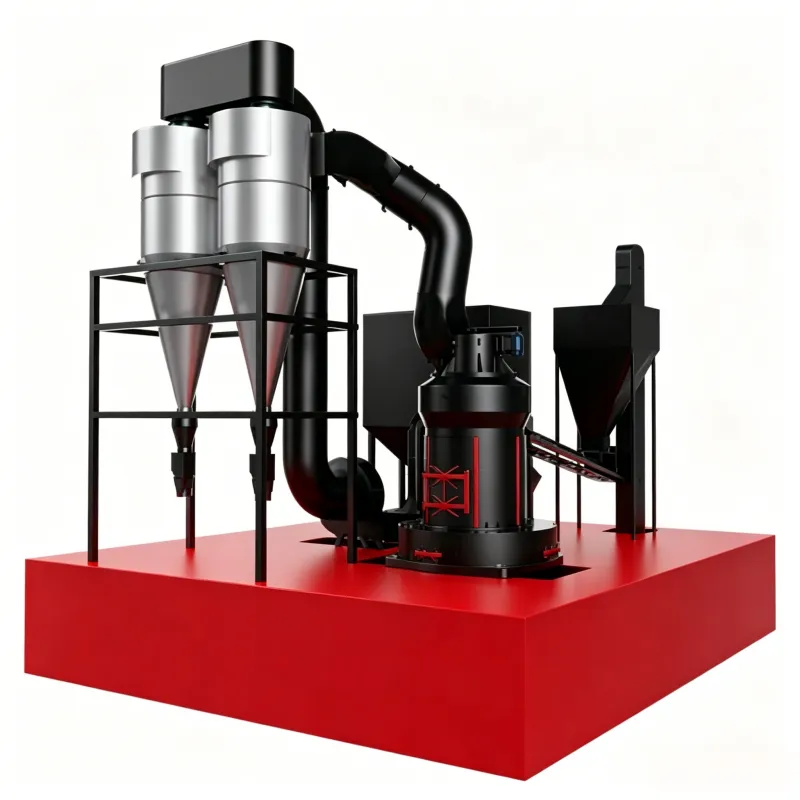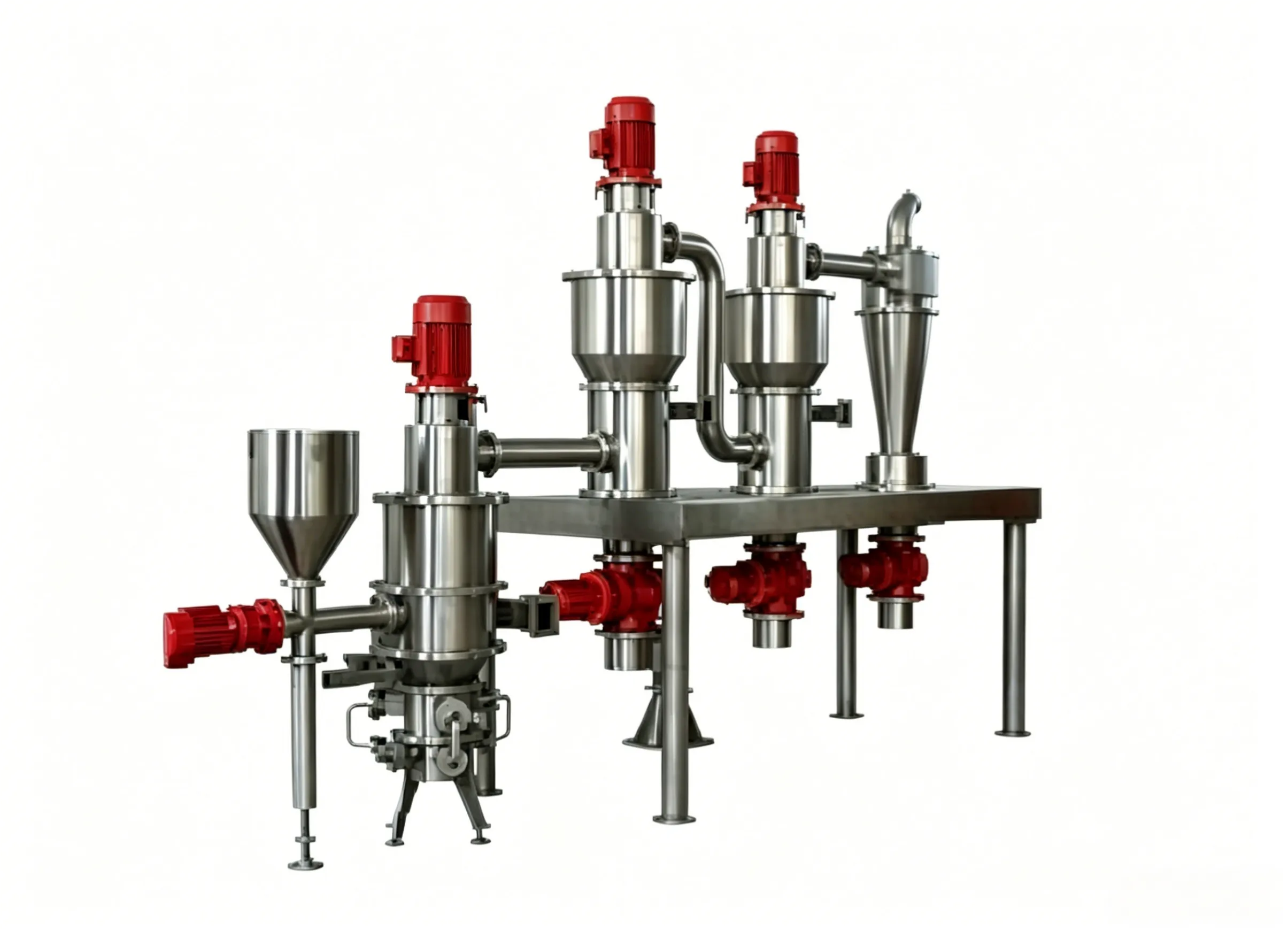
Molino de chorro
Molino de chorro Esta máquina es un equipo seco de molienda ultrafina y clasificación...

The Yulan Mercury Mine is located in Nandan County, Guangxi Province. Before 1969, the crude ore was directly treated by pyrometallurgy for mercury production. After 1968, the mine mainly produced medicinal vermilion. The state invested 900,000 yuan to build a 50 t/d concentrator. Construction started in March 1969, and commissioning began in October of the same year. The current actual processing capacity can reach 7 t/d. Vermilion (containing more than 96% HgS) is sent to the JinChengJiang Medicinal Materials Company, and cinnabar concentrate (containing more than 17% HgS) is sent to the JinChengJiang Smelter for hydrometallurgical mercury production. The cost of producing 1 ton of vermilion is 96–1,500 yuan, and the cost of producing 1 ton of mercury metal from cinnabar concentrate is 8,000–10,000 yuan. The plant is profitable every year. The mine’s power supply is from its own diesel power station with an installed capacity of 1840 hp. There is no nearby river, and water resources are relatively scarce. Industrial water is pumped from a mixture of stream water, mine water, tailings pond overflow, and surface wastewater after sedimentation.
(1) Ore characteristics
The deposit is a low-temperature hydrothermal mercury sulfide deposit. The main metallic mineral is cinnabar, followed by pyrite and a small amount of marcasite, etc. The gangue minerals are mainly calcite and quartz, followed by barite, fluorite, and a small amount of opal. The surrounding rocks are argillaceous limestone, carbonaceous shale, and siliceous limestone. Cinnabar mainly occurs on the joint and bedding planes of carbonaceous shale, argillaceous limestone, and siliceous limestone. Its crystal size ranges from a maximum of 0.5 mm to a minimum of 0.009 mm, generally between 0.027 and 0.12 mm. Colors include bright red, vermilion, and brownish red. Cinnabar is often associated with pyrite, occurring as veinlets and disseminations. The association between the two is close; small grains of pyrite or gangue minerals are often enclosed in cinnabar aggregates.
(2) Process flowsheet
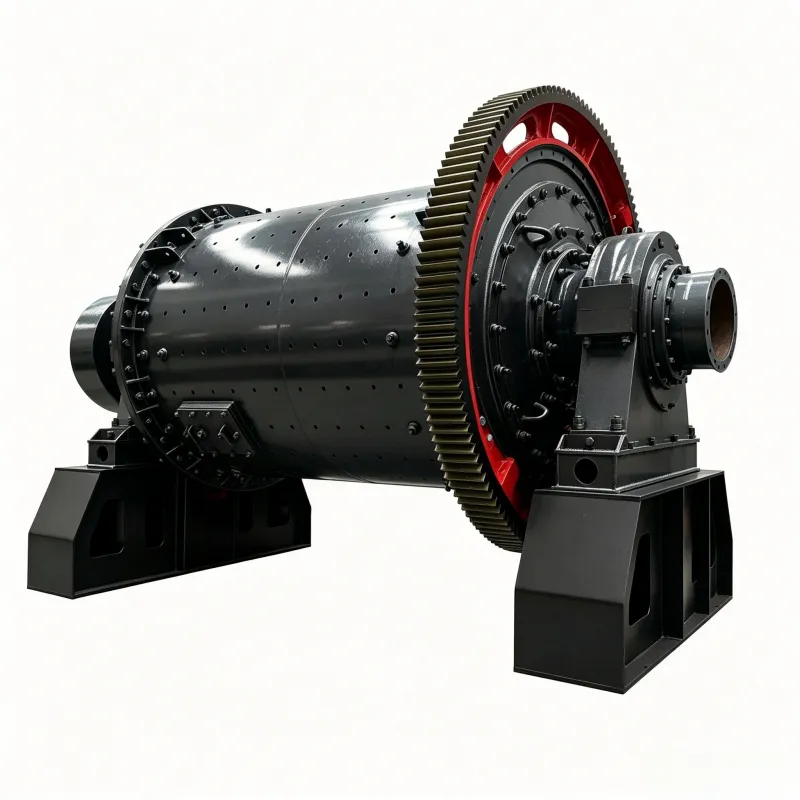
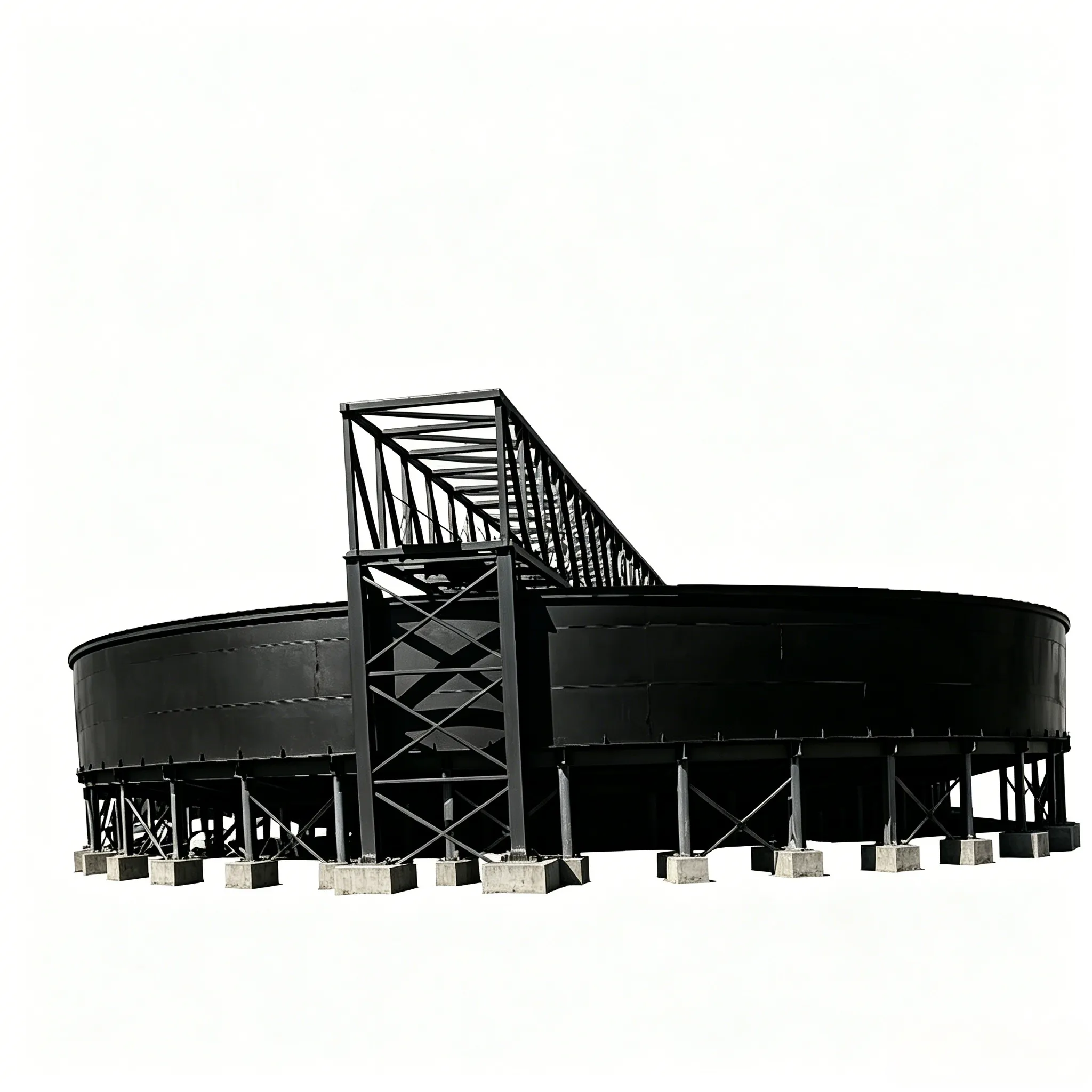
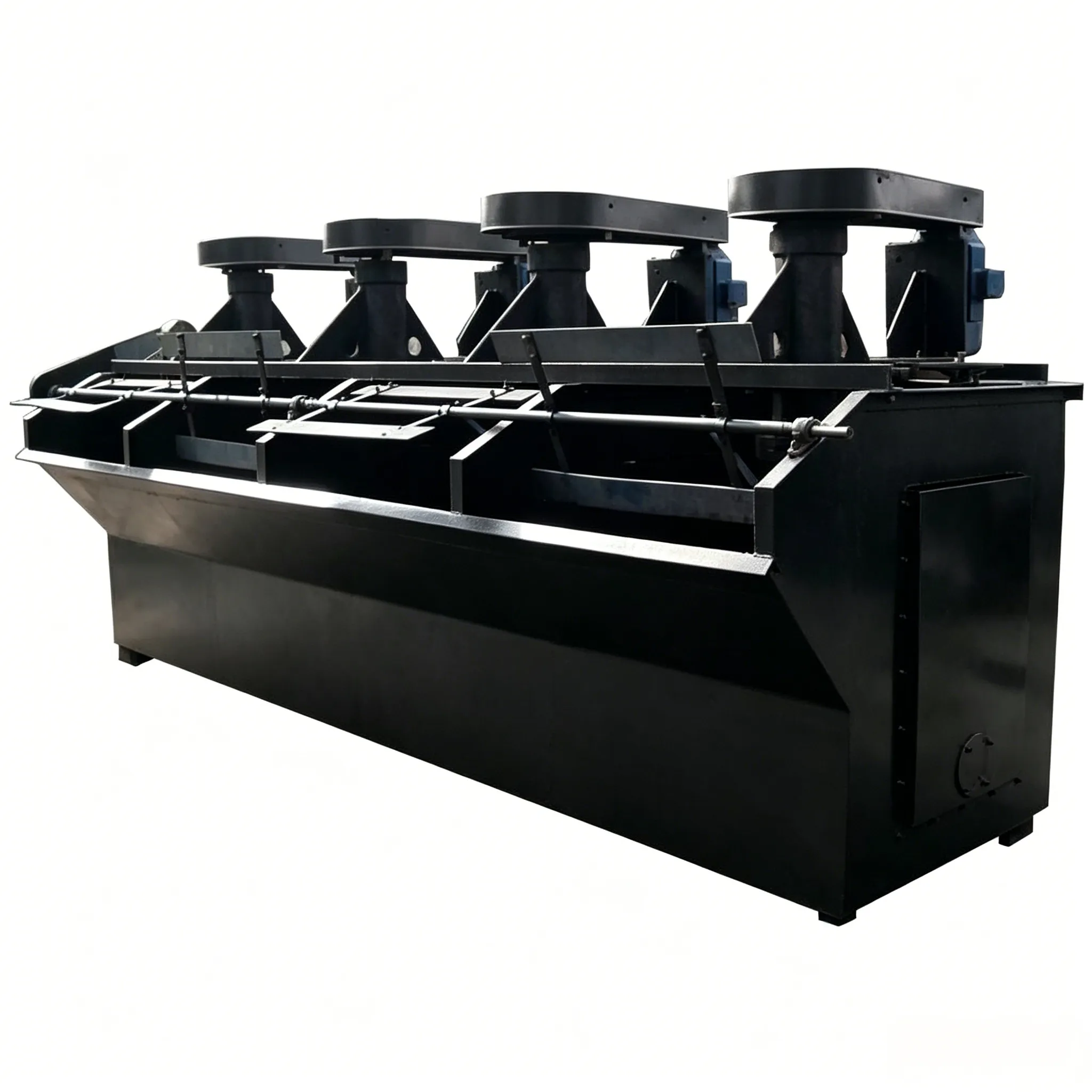
Run-of-mine ore enters the ore bin through a 200 mm fixed bar grizzly. Ore larger than 200 mm is manually broken, and ore smaller than 200 mm is crushed in an open-circuit crushing stage. The crushed product directly enters a rod mill and is ground to –3 mm, then classified into four grades for roughing on shaking tables, producing rough concentrate, secondary concentrate, middlings, and tailings. The middlings are reground and then classified and re-concentrated. The resulting secondary concentrate is combined with the secondary concentrate from roughing for scavenging, and the scavenged secondary concentrate is reground and re-concentrated. The classification overflow and tailings from the re-grinding and re-concentration system of the secondary concentrate become the gravity cinnabar concentrate, and all shaking table concentrates are crude vermilion. All gravity overflows and tailings (except those from the secondary concentrate re-concentration) are collected and thickened. The underflow (sand) is reground and then subjected to flotation. The thickener overflow goes to a settling pond for sedimentation, and the settled sand is directly floated. The flotation circuit consists of one roughing, three scavenging, and two cleaning stages. The flotation concentrate is combined with the gravity cinnabar concentrate to become the final cinnabar product. The shaking table concentrate (crude vermilion) must be further processed by manual panning and magnetic separation to remove iron before it becomes a qualified vermilion product.