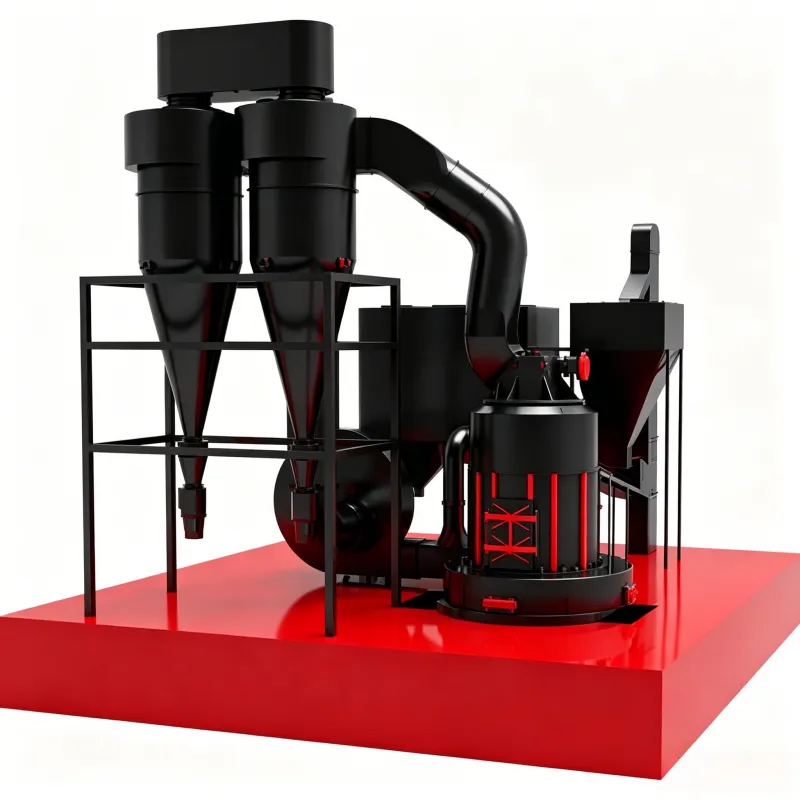
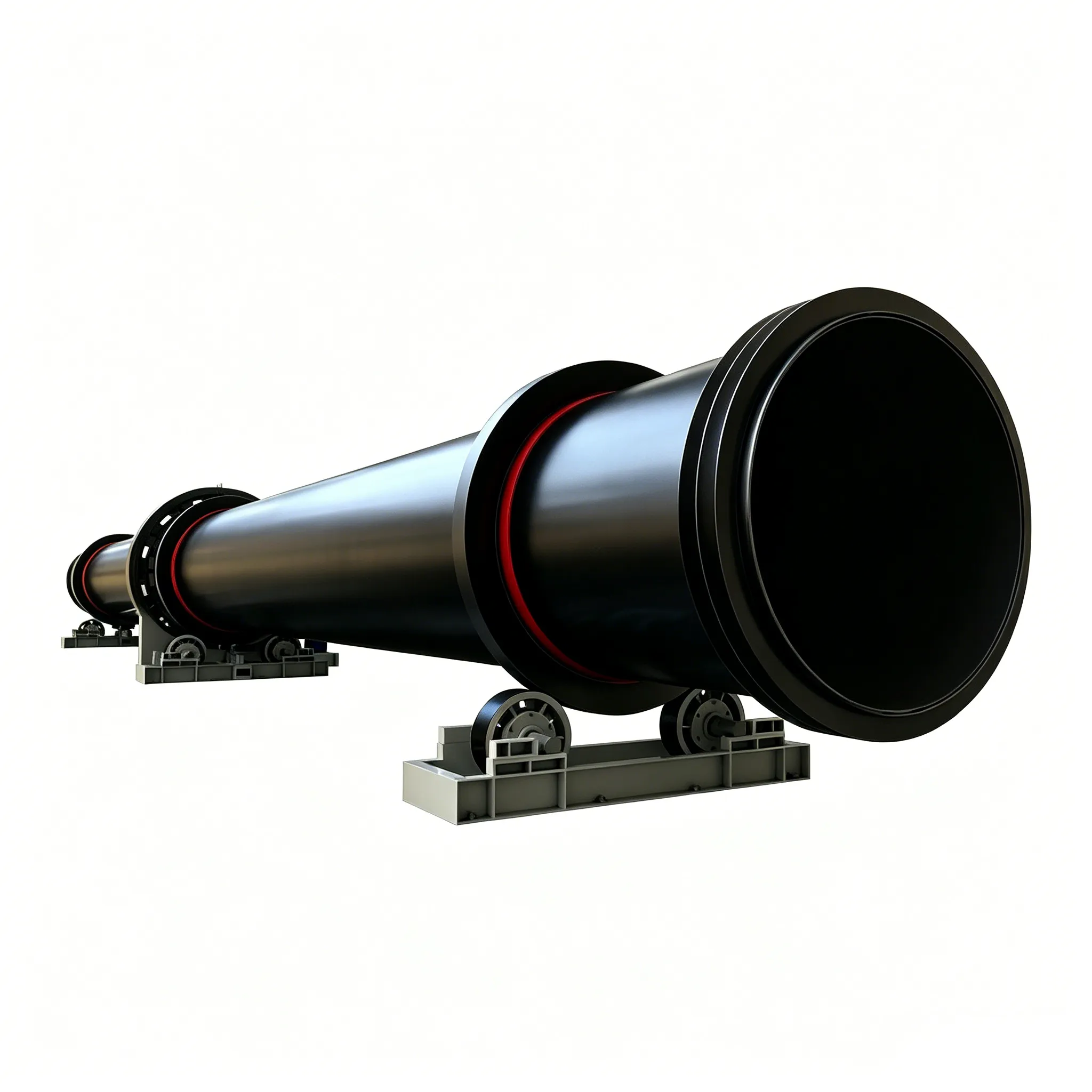
Broyeur Raymond mobile
Présentation du broyeur Raymond mobile Le broyeur Raymond mobile (également appelé…


According to Mining Weekly, BMI, a unit of Fitch Solutions, said in its latest iron ore mining industry outlook report that global iron ore production growth will accelerate from 2026 to 2030, averaging 2.2%, higher than the 1.2% growth in the previous five years, with output expected to reach 3.04 billion tonnes by 2030.
Benchmark: Platts 62% Fe dry tonne (CFR China); global institutional consensus: BMI, CRU, futures institutions, and publicly disclosed outlooks from mining companies.
Core overall judgment: supply continues to expand, demand structurally declines in China with overseas demand providing a small offset; the market shifts from tight balance to medium-term oversupply; output rises steadily, and the price center oscillates downward, with periodic rebounds driven by macro factors, strikes, and ocean freight rates, but this cannot change the medium-term downward direction.
I. Global Iron Ore Production Trends 2026–2031
1) Total volume forecasts
BMI: global production of 2.60 billion tonnes in 2025, average annual growth of 2.2% from 2026 to 2030, reaching 3.04 billion tonnes by 2030; growth slows in 2031, with incremental volume narrowing.
CRU: 2.92 billion tonnes by 2030; after 2030, high-cost mines will be squeezed by low prices, expansion willingness will decline, and production growth will fall back.
2) Incremental supply structure by major supplying countries
Australia: remains the largest exporter, with existing Pilbara mines maintaining stable output and a small number of new projects expanding; production grows moderately, approaching 1 billion tonnes by 2030. It has the world’s best cost curve and the strongest resilience during price downturns, with almost no large-scale production cuts.
Brazil: Vale’s S11D and Samarco restart releases, with average annual growth of 3.6% from 2026 to 2029, the largest source of incremental supply among traditional mines; the share of high-grade ore increases.
Guinea (the biggest variable: Simandou): bulk shipments begin in 2026, about 20 million tonnes in 2026; ramping up to full capacity of 120 million tonnes per year of high-grade ore by 2030, directly hitting the global high-grade ore premium. Risks: infrastructure, political situation, and port construction progress face delay risks; full ramp-up is likely to be slower than the paper plan, and high ocean freight rates offset part of the mine’s cash cost advantage.
India: NMDC expansion, rising domestic steel consumption, limited export increment, with more supply absorbed domestically.
China’s domestic mines: domestic iron ore development plans advance, but resource endowment is poor and costs are high; finished ore output rises slightly, unable to offset import demand, and external dependence slowly declines but remains high.
Key risk points: resource nationalism, labor strikes, rainy season disasters, and project delays will cause periodic supply contractions, but will not change the medium-term trend of supply expansion.
II. Demand-Side Landscape
1) China (largest consumer)
Crude steel has entered a peak plateau and a slow downward cycle. Real estate steel demand continues to weaken, partially offset by manufacturing, infrastructure, and steel exports; the share of electric arc furnace steel rises, and scrap steel substitution gradually emerges, but total scrap steel has a ceiling and cannot fully replace iron ore.
Pig iron (directly corresponding to iron ore): already peaked and declining in 2026, with a slight annual decline over the next five years; total imported iron ore will gradually decline, moving from 1.26 billion tonnes toward the 700–800 million tonne range (around 2030).
Periodic disturbances: domestic real estate stimulus and infrastructure reinforcement will bring short-term hot metal rebounds and pulse-like iron ore price increases, but cannot reverse the structural downward trend.
2) Overseas demand
Steel capacity expansion in India, Southeast Asia, and the Middle East, with iron ore imports continuing to grow; this absorbs some of the new global seaborne ore to a certain extent, but the incremental scale is insufficient to offset the decline in Chinese demand, so the market moving toward oversupply is a high-probability event.
III. Staged Price Trend Judgment (Platts 62% CFR, USD/dry tonne)
Stage 1: 2026–2027 oscillating downward
2026 average center: USD 93–99/tonne, range USD 85–110; periodic rebounds driven by strikes, ocean freight, and domestic policy stimulus, but highs gradually lower. In the second half of the year, Simandou incremental supply continues to be released, port inventories accumulate, and pressure increases.
2027 average center: USD 82–88/tonne. Simandou capacity ramps up further, Australia and Brazil maintain high output; China’s pig iron continues to decline, and the degree of oversupply expands.
Disturbance factors: strong domestic stimulus, large-scale strikes in Australia/Brazil, and geopolitical factors such as the Red Sea pushing up ocean freight will create short-term spikes, but these are pulse-like moves.
Stage 2: 2028–2031 entering a mid-to-low range
2028–2031 center: USD 75–82/tonne. Simandou is released on a large scale, the scrap steel substitution effect emerges, and the market remains in persistent oversupply.
Bottom support: cash costs of mainstream global mines are USD 70–75 (low-cost Australian and Brazilian mines), which is an important medium- to long-term cost floor; above this range, low-cost mines still have ample profit and supply will not contract; if prices remain below USD 75, non-mainstream high-cost mines will passively exit, providing price support.
Structural changes: high-grade ore premium shrinks; with large volumes of high-grade Simandou ore flowing in, premiums for high-grade ore such as Carajas are compressed; the high-low grade price spread narrows significantly compared with 2021–2024.
Scenario assumptions
Base scenario (highest probability): as above, the price center moves down year by year, with wide-range oscillating decline at USD 75–100.
Optimistic scenario: China’s real estate and infrastructure stimulus is on an oversized scale, pig iron rebounds sharply, and prices periodically return to USD 100–110, but this is difficult to sustain long-term.
Pessimistic scenario: Simandou ramps up faster than expected + China’s steel demand contracts rapidly, prices periodically probe down to the cost line of USD 70–75, and high-cost non-mainstream mines cut production.
IV. Core Driving Factors
Upward drivers (bullish)
China’s macro policy intensifies, real estate and infrastructure recover better than expected, and hot metal output rebounds;
Strikes and extreme weather at Australian and Brazilian mines cause short-term shipping disturbances;
Geopolitical conflicts push up ocean freight rates;
India and Southeast Asia steel demand explodes beyond expectations.
Downward drivers (bearish, medium-term dominant)
Simandou and new capacity in Australia and Brazil continue to be released, and seaborne iron ore supply increases substantially;
China’s crude steel and pig iron structurally decline, and electric arc furnace + scrap steel substitution continues to advance;
Port inventory centers rise, and supply-demand shifts to oversupply;
High-grade ore supply increases, and quality premium falls back.
V. Industry Implications
Mine side: low-cost Australian and Brazilian mines have strong cyclical resilience; profit pressure on high-cost non-mainstream mines continues to increase; emerging producing areas such as Guinea have good resources, but infrastructure and geopolitical risks cannot be ignored.
Steel mill side: medium- to long-term raw material cost centers move down, the era of iron ore windfall profits is over, but seasonal fluctuations will remain; procurement premiums for high-grade ore will decrease.
Risk focus: closely track Simandou’s actual shipment ramp-up progress, China’s monthly hot metal data, ocean freight rates, and changes in the scrap steel ratio.

 English English
 Spanish
 Russian
 Arabic
 Swahili
 French
 Turkish
 Portuguese
 Korean
 Japanese
 German
 Italian