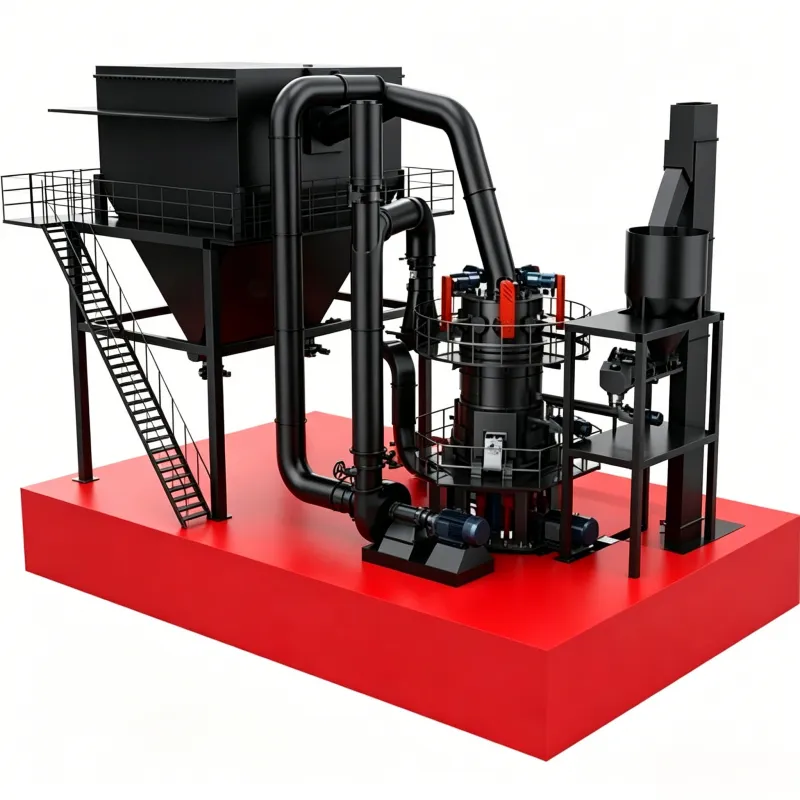
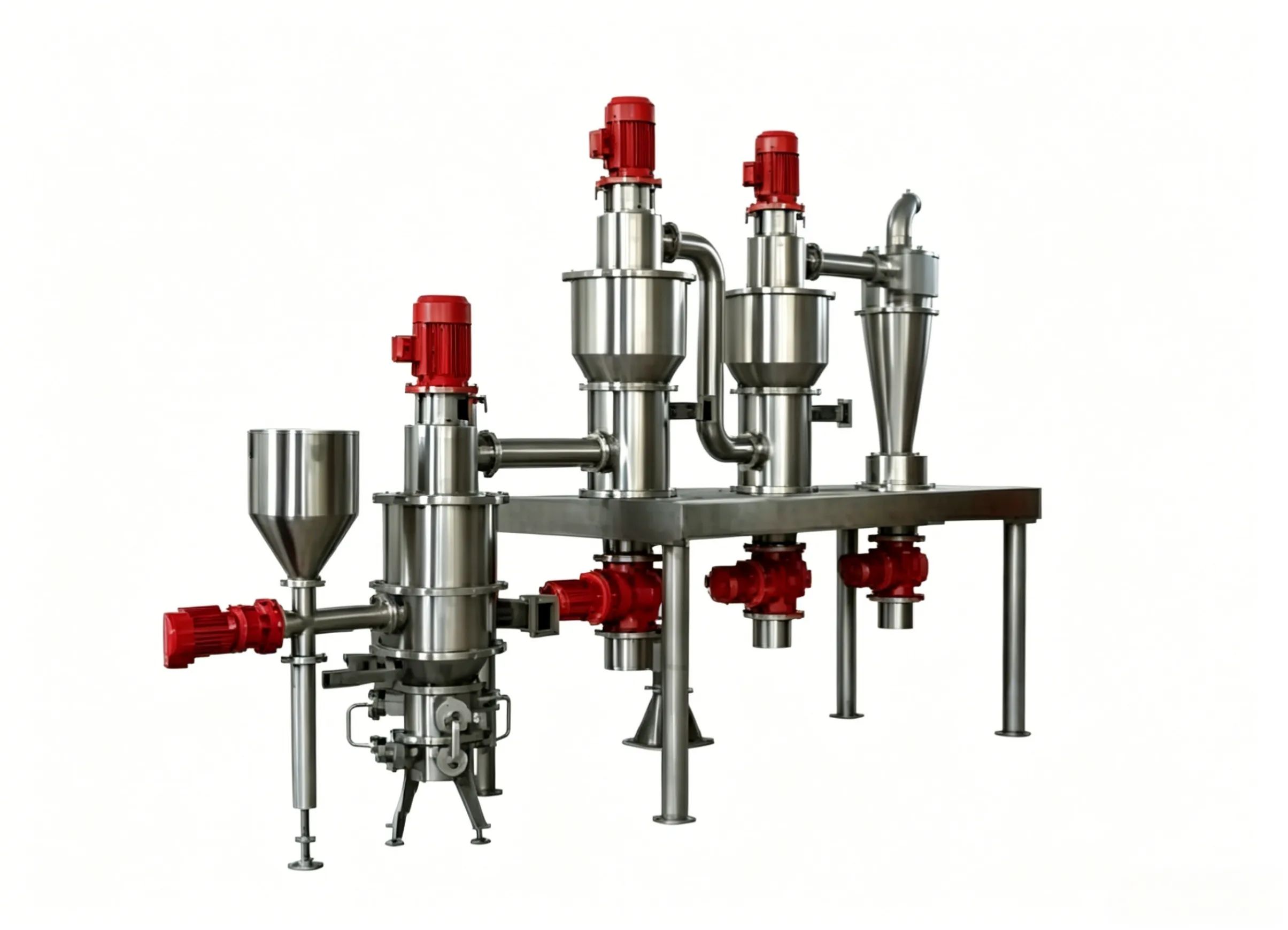
Mulino a rulli verticale ultrafine
Introduzione al mulino a rulli verticale ultrafine Il mulino a rulli verticale ultrafine KXLM…

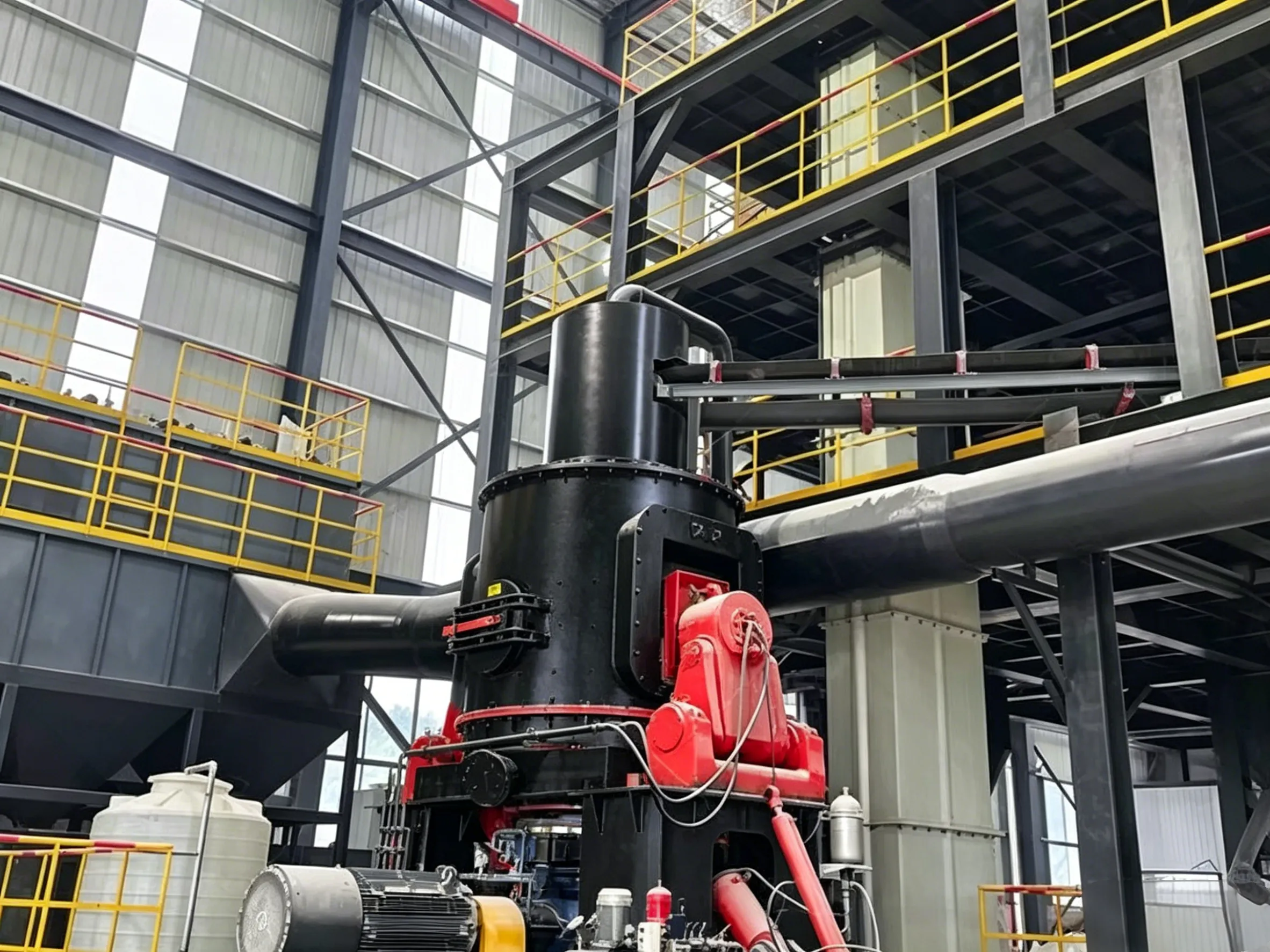
Raymond mills are widely used in mining, building materials, chemical, and other industries for high‑efficiency grinding. Their working principle is that the grinding rollers, under centrifugal force, repeatedly press against the grinding ring, generating tremendous compressive force on the material to achieve comminution. In this process, the grinding rollers and grinding ring are the core wear parts that directly participate in material pulverisation. They endure long‑term intense impact, compression, and friction, making them the most susceptible to wear.
Wear on the rollers and ring not only directly affects grinding efficiency and product quality but, in severe cases, can also cause increased vibration, higher noise, rising energy consumption, and even equipment failures. Therefore, determining the right time to replace the grinding rollers and grinding ring is a critical aspect of Raymond mill maintenance. This article systematically summarises the replacement cycles, judgement criteria, and influencing factors, providing practical reference for equipment operators and maintenance personnel.
There is no universally fixed standard for the replacement cycle of grinding rollers and grinding rings. Different manufacturers and operating conditions yield different recommended values. Based on a synthesis of various sources, the following reference cycles are commonly cited:
Some manufacturers and sources suggest that the roller assembly should be considered for replacement after approximately 500 ore of operation. This relatively short cycle is suitable for conditions where wear progresses rapidly. At the same time, when replacing the rollers, the rolling bearings inside the roller sleeves should be cleaned and other wear parts inspected.
Most Raymond mill manufacturers recommend a replacement cycle in the range of 1,000 to 2,000 hours. This is a common reference range for general operating conditions. Additionally, some manufacturers advise replacing wear parts every 1,500–2,000 hours.
Some data indicate that under favourable operating conditions and when processing materials with low abrasiveness, the service life of grinding rollers and the grinding ring can reach 2,000 to 3,000 hours.
Apart from routine replacements, the equipment should undergo a comprehensive inspection and overhaul every 3,000–5,000 hours of operation. This includes disassembling the rollers, ring, bearings, and other key components for cleaning, inspection, and replacement as needed.
It must be emphasised that all the above cycles are for reference only. The actual replacement time must be determined based on the specific operating conditions, material characteristics, and wear inspection results. Do not apply them mechanically.
Relying solely on running hours is not sufficient. A more scientific approach is to combine multiple judgement criteria to comprehensively assess the actual wear condition of the rollers and ring. The following are commonly used methods:
Regularly perform visual checks on the rollers and ring to observe surface wear. If obvious grooves, cracks, spalling, or deformation are found, wear is already severe and replacement should be considered. In addition, when the roller wall thickness is less than 10 mm, the roller should be scrapped.
Using callipers, micrometres, or other professional measuring tools to measure the remaining thickness of the rollers and ring is the most intuitive and accurate method. Generally, when the thickness is reduced to 50%–70% of the original thickness, replacement should be considered. Some manufacturers suggest replacement when wear exceeds 10%. Since different manufacturers have different thresholds, operators should always refer to the specific requirements in the equipment manual.
If the mill output drops significantly while feed rate, airflow, and other parameters remain unchanged, it is likely that severe wear on the rollers and ring has reduced grinding efficiency. Similarly, if the ground material fineness fails to meet specifications even after adjusting the classifier parameters, worn rollers and ring may be the cause.
If energy consumption per unit output rises noticeably while other production conditions remain unchanged, it could be due to reduced grinding efficiency caused by wear of the rollers and ring.
Irregular particle shape, uneven fineness, or a significant rise in material temperature during grinding may all be signs of severe roller and ring wear.
Evaluate the remaining service life based on the cumulative operating time and total material processed, combined with equipment usage and maintenance records. If maintenance frequency increases noticeably or if repairs are less effective each time, it also suggests severe wear.
Understanding the factors that influence service life helps operators optimise process parameters and extend part life. The main factors include:
Material hardness is the most critical factor affecting the wear rate of rollers and ring. Harder materials (e.g., quartz, granite) cause more rapid wear, shortening the replacement cycle. Raymond mills are generally suitable for processing materials with Mohs hardness below 7.
Besides hardness, moisture content, bulk density, feed particle size, and other properties also affect wear. Excessively high moisture can cause material to adhere inside the grinding chamber, accelerating wear; oversized feed particles increase impact forces on the rollers and ring.
Different materials have significantly different wear resistance. For example, rollers and rings made of high‑boron wear‑resistant cast steel can have a service life 120%–160% longer than traditional high‑manganese steel. For different material hardnesses, suitable materials should be selected – high‑chromium alloy rollers for medium‑low hardness materials (e.g., limestone), and tungsten carbide or ceramic‑composite rollers for high‑hardness materials (e.g., quartz).
Parameters such as roller pressure (spring pressure) and the clearance between the roller and the ring directly affect grinding efficiency and wear rate. Excessive or insufficient clearance will both accelerate wear.
Insufficient lubrication is a major cause of roller bearing damage and abnormal roller wear. Regular lubrication and timely replacement of degraded lubricating oil are essential to prolong the service life of rollers and ring.
To extend the service life of grinding rollers and ring and ensure timely replacement, the following maintenance practices are recommended:
When replacing rollers and ring, strictly follow the equipment manual to ensure correct installation, avoiding looseness or jamming. At the same time, clean the bearings inside the roller sleeves and inspect the condition of other related parts.


 English English
 Spanish
 Russian
 Arabic
 Swahili
 French
 Turkish
 Portuguese
 Korean
 Japanese
 German
 Italian