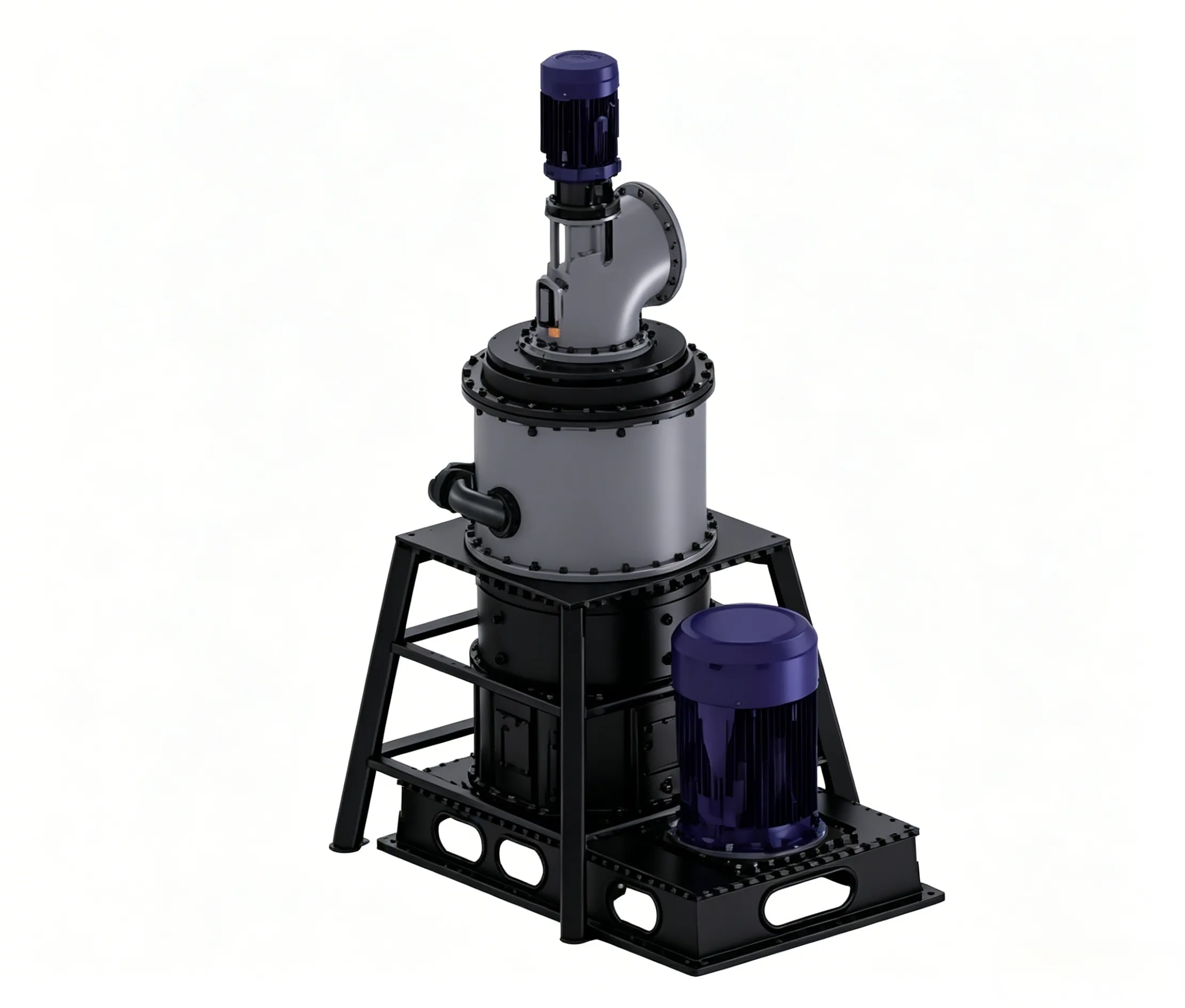
GXMシリーズ 超微粉砕
超微粉砕 本機は、社内で分類された高圧超微粉砕ローラーミルであり、……

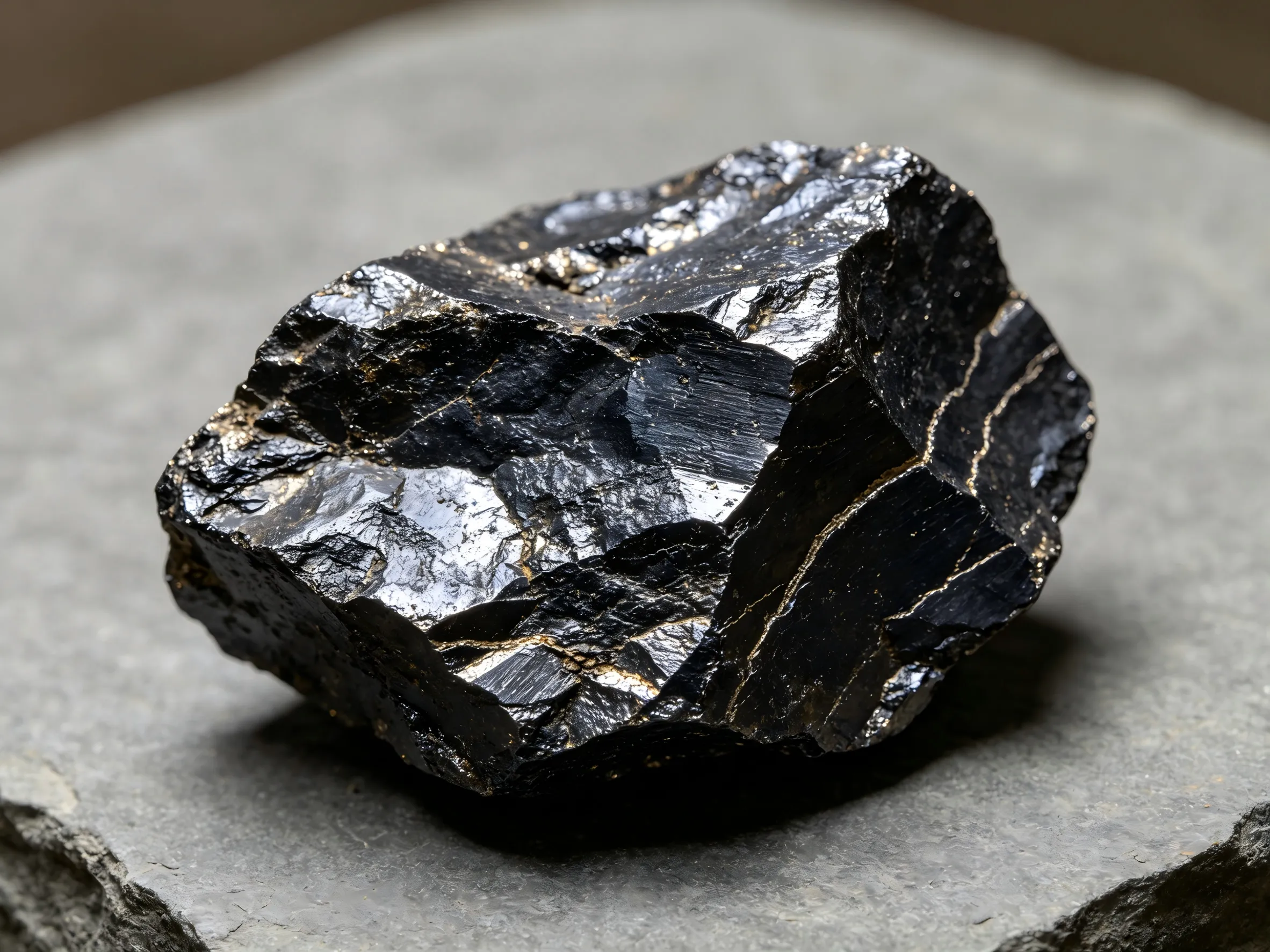
(1) Sulfur: Sulfur is often produced in the form of pyrite, manganese sulfate, and limonite. Sulfur is a harmful impurity in manganese smelting, but during the smelting process, sulfur and manganese easily form manganese sulfide, which enters the slag, so the requirements are not strict.
(2) Phosphorus: Phosphorus is often produced in the form of apatite and collophane. Phosphorus is a harmful element in manganese smelting, which can cause cold brittleness in alloy steel and reduce the toughness of steel. There are two requirements for phosphorus content in ore: one is based on the total phosphorus content of the ore, and the other is based on the phosphorus-to-manganese ratio. Generally, for every 1% manganese in the ore, the phosphorus content should not exceed 0.003%~0.005% (0.003% applies to ferromanganese, and 0.005% applies to ferrosilicon).
(3) Silica: The lower the SiO₂ content in the ore, the better, as it can reduce the amount of flux used. When smelting ferromanganese, the SiO₂ content is required to be no more than 10.25%. However, when smelting ferrosilicon, a higher SiO₂ content is allowed in the ore. Generally, Mn:SiO₂ = 0.8~1.2, and the SiO₂ content can reach 35%.
(4) Aluminum oxide (Al₂O₃): Under certain conditions, Al₂O₃ can reduce manganese loss when smelting ferromanganese. However, excessively high Al₂O₃ content will make slag removal difficult. Generally, Al₂O₃ content is required to be no more than 5%~10%.
(5) Copper, lead, and zinc: Manganese ore sometimes contains copper, lead, and zinc. During smelting, copper is reduced and enters the alloy. Zinc enters the slag or volatilizes, and lead mud enters the furnace bottom, damaging the furnace lining.

 English English
 Spanish
 Russian
 Arabic
 Swahili
 French
 Turkish
 Portuguese
 Korean
 Japanese
 German
 Italian