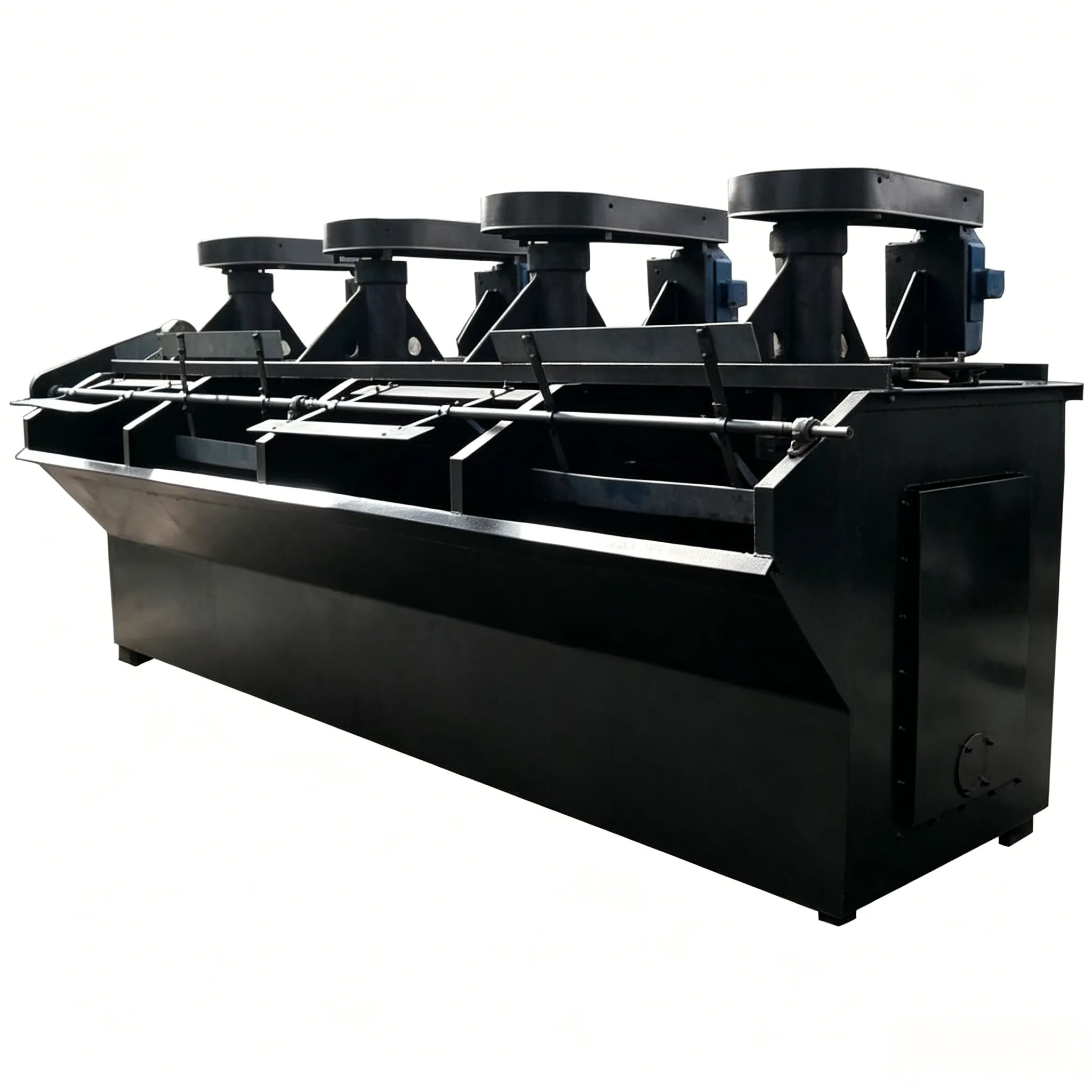
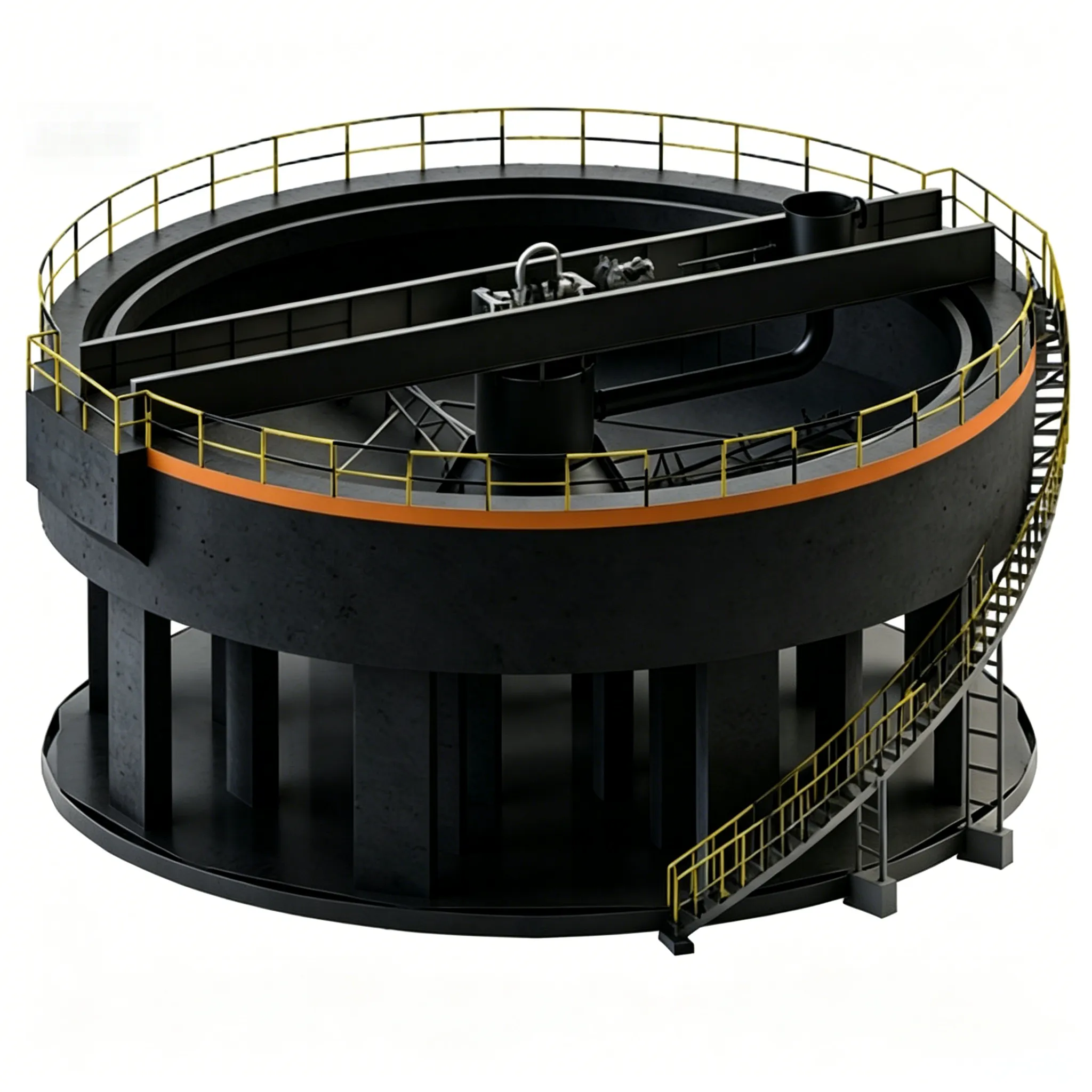
XJ 부유 선별기
XJ 부유 선별기(A형 또는 XJK라고도 함) 이 기계는…


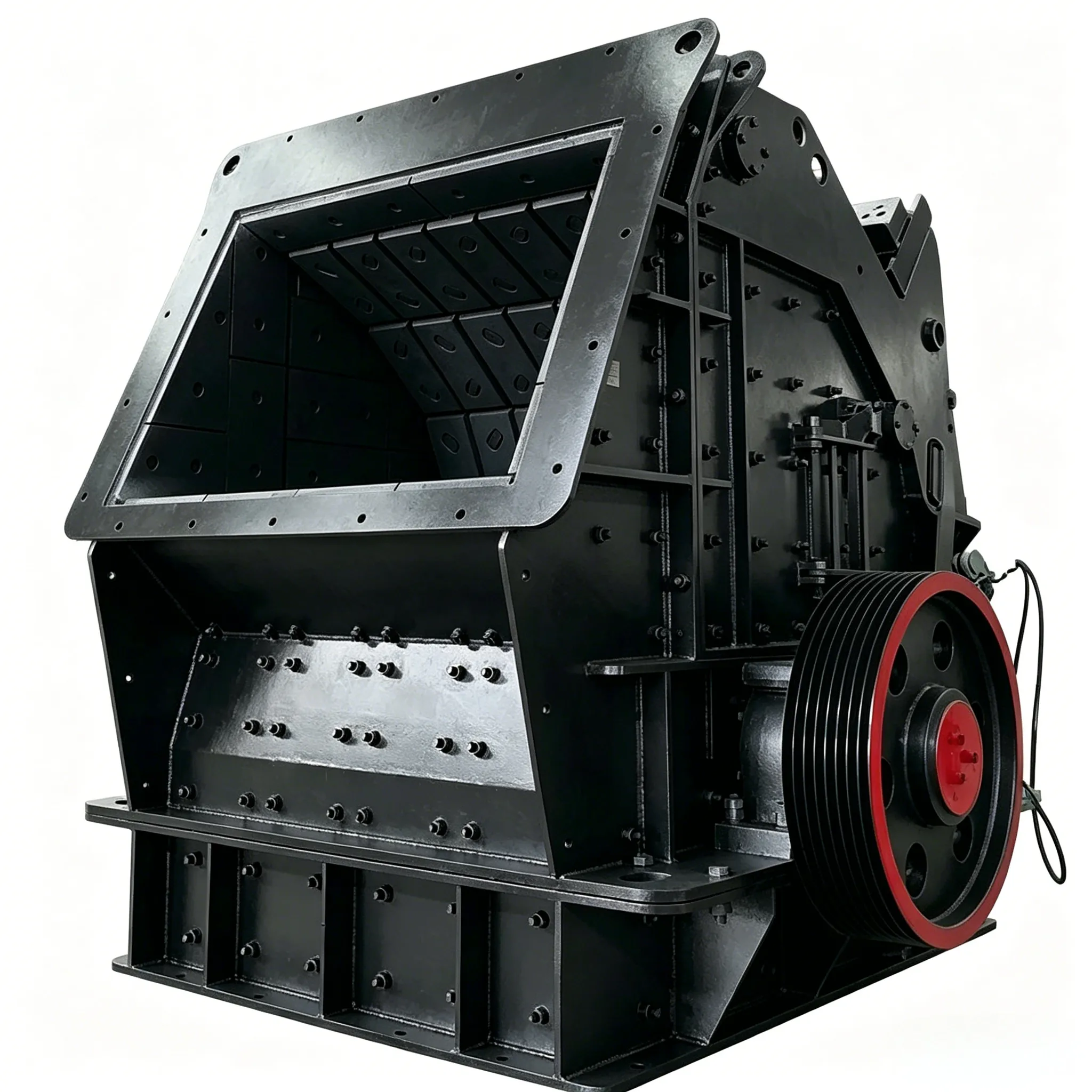
A 원뿔형 크러셔 ~의 일종입니다. secondary or tertiary crushing equipment used in mining, quarrying, and aggregate production to reduce large rocks into smaller, more uniform-sized pieces.
It is called a 원뿔형 크러셔 because the crushing mechanism consists of a moving cone-shaped mantle inside a fixed concave bowl liner. The rock is crushed by compression between these two cone-shaped surfaces.
Cone crushers are widely used for crushing:
They are especially suitable for producing fine and medium-sized crushed stone with good shape.
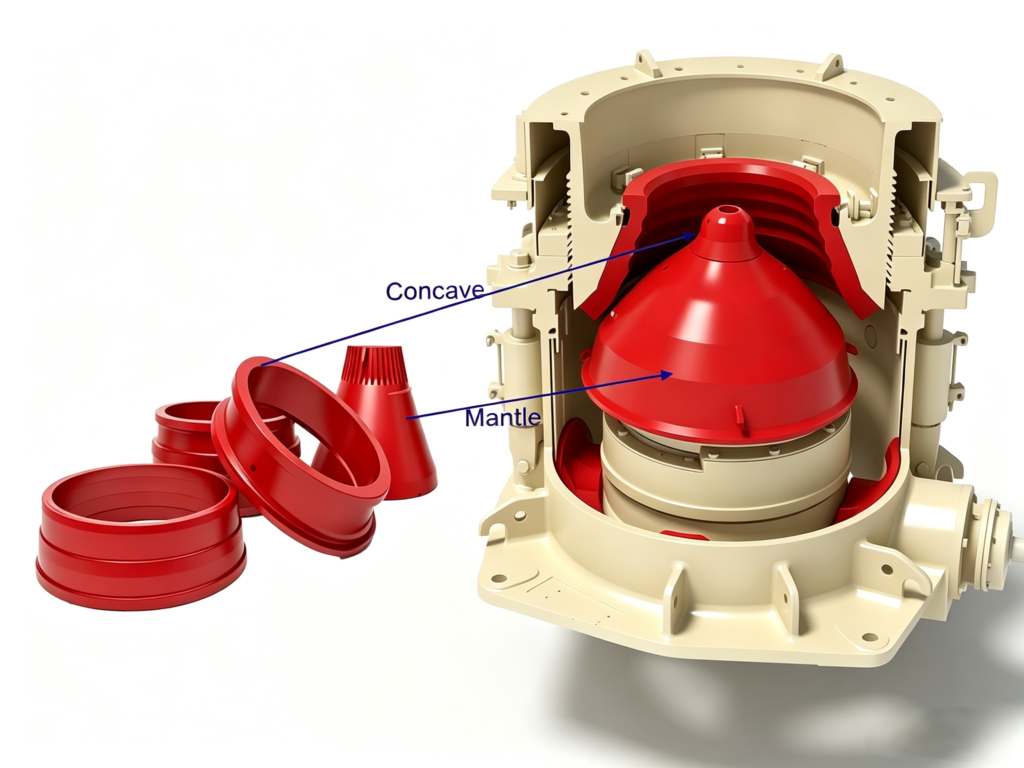
A typical cone crusher consists of the following parts:
그 mantle is the wear-resistant liner mounted on the moving cone.
기능:
The mantle gradually wears out and must be replaced.
그 concave is the stationary wear liner surrounding the mantle.
기능:
The gap between mantle and concave controls the discharge size.
The main shaft supports the moving cone.
기능:
The eccentric mechanism is the heart of the cone crusher.
It creates an off-center rotation of the main shaft, causing the mantle to move in a circular path.
Includes:
It provides power to rotate the eccentric assembly.
Modern cone crushers use hydraulic systems for:
The crushing process happens through compression crushing.

The working steps are:
Large rocks enter through the top opening of the crusher.
예시:
The material falls into the crushing chamber.
모터가 편심축을 회전시킵니다.
The eccentric movement causes the mantle to:
The mantle does not rotate like a normal wheel; it moves in a gyratory circular motion.
When the mantle approaches the concave:
The rock is crushed mainly by:
When the mantle moves away:
The discharge opening size controls the final product size.
        Feed Rock
           ↓

     ┌───────────┐
     │ Concave   │
     │           │
     │   /\      │
     │  /  \     │
     │ /Mantle\  │
     │    ↺      │
     └───────────┘

Mantle moves eccentrically
        ↓

Rock is compressed
        ↓

Smaller crushed stone exits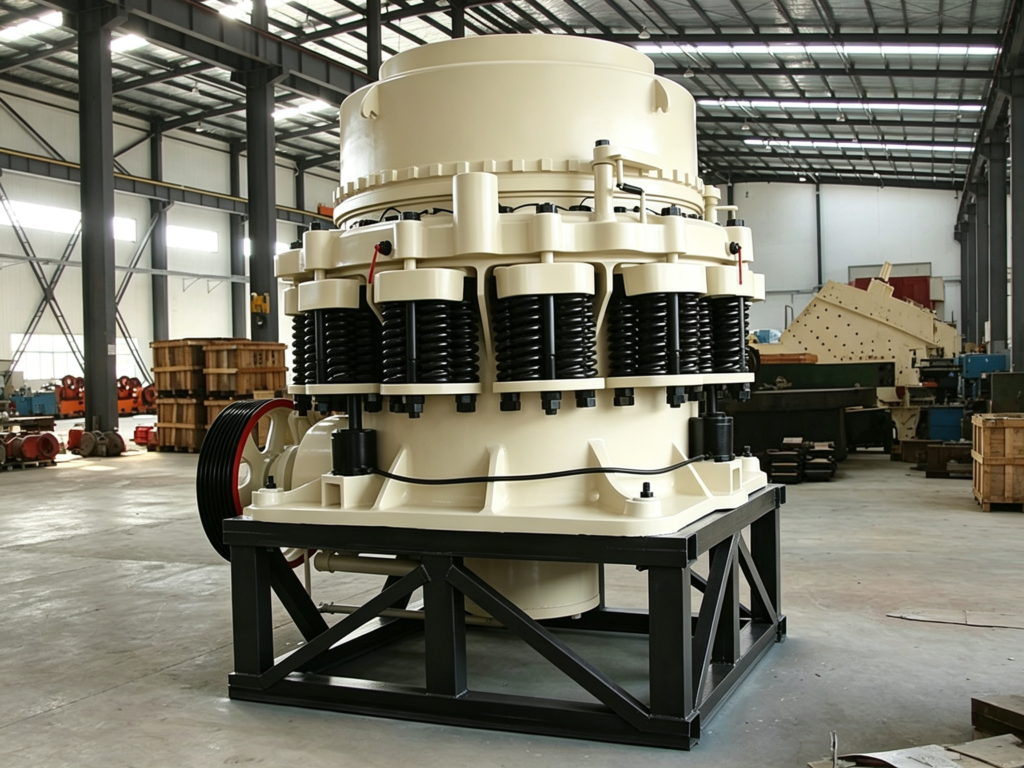
Older but reliable design.
장점:
적용 분야:
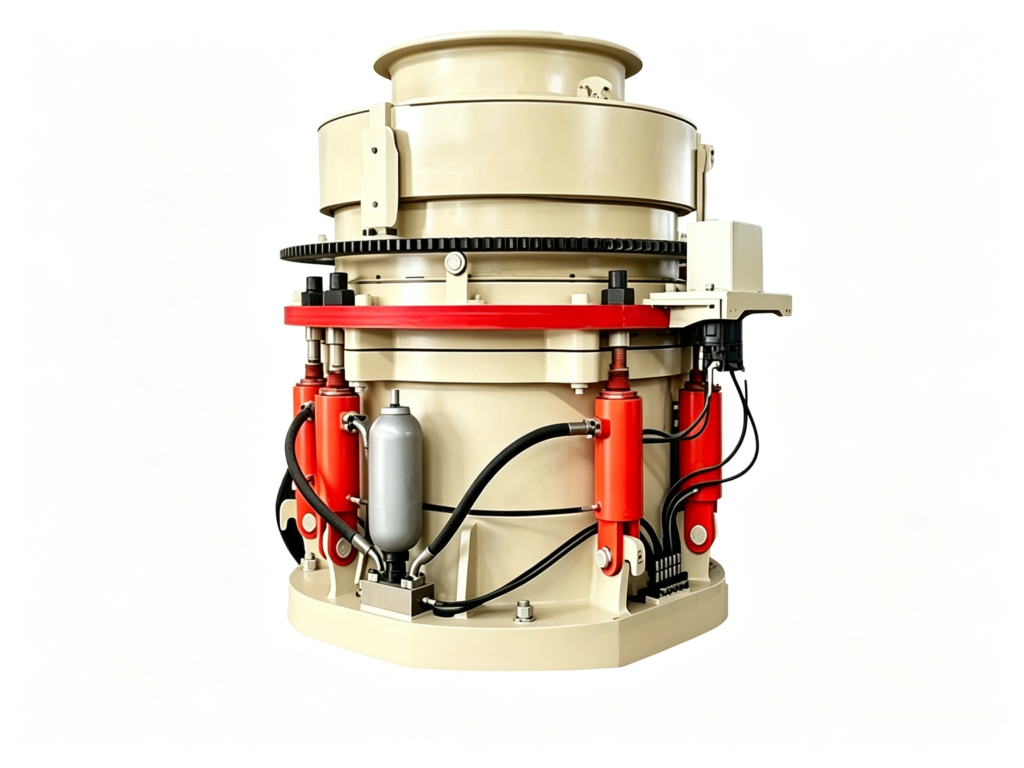
Modern design using hydraulic adjustment.
장점:
Common in:
Combines features of spring and hydraulic systems.
장점:
Used for high-capacity operations.
장점:
| 주요 기능 | 턱식 분쇄기 | 원뿔형 분쇄기 |
|---|---|---|
| 분쇄 공정 | 초등 | 중등/고등 |
| 분쇄 방법 | Compression between two jaws | Compression between mantle and concave |
| 사료 입자 크기 | Very large (up to 1,000 mm+) | Medium (usually <300 mm) |
| 제품 형태 | More angular | More cubical |
| 용량 | 높음 | 높음 |
| Wear parts | Jaw plates | Mantle & concave |
A typical crushing plant uses:
Large Rock
    ↓
Jaw Crusher
    ↓
Cone Crusher
    ↓
Screen
    ↓
Fine Aggregate✅ High crushing efficiency
✅ Large production capacity
✅ Good particle shape
✅ 낮은 운영 비용
✅ Continuous crushing operation
✅ Suitable for hard rocks
❌ Higher initial investment than jaw crushers
❌ 라이너를 정기적으로 교체해야 합니다
❌ Not suitable for very soft materials
❌ More complex maintenance
For a gold ore processing plant, a common flow is:
ROM Gold Ore
     ↓
Vibrating Feeder
     ↓
Jaw Crusher
     ↓
Cone Crusher
     ↓
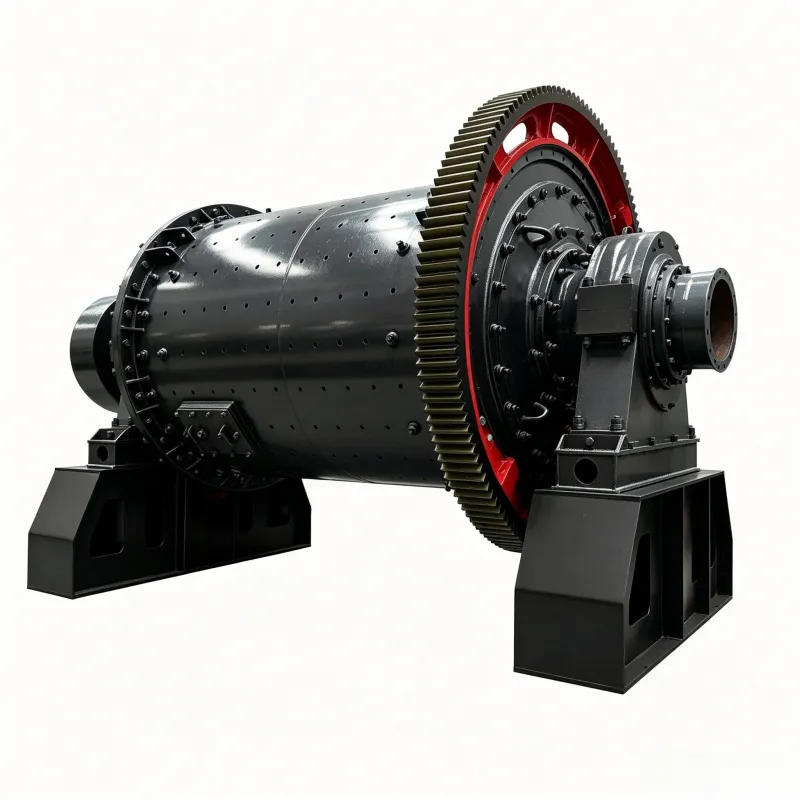
Ball Mill
     ↓
Gravity Concentration / Flotation
     ↓
Gold Recovery
The cone crusher’s job is to reduce the jaw crusher product into smaller particles suitable for grinding in the ball mill.
| 모델 | 사료 입자 크기 | 용량 |
|---|---|---|
| Small cone crusher | 50–100 mm | 10–50 t/h |
| Medium cone crusher | 100–200 mm | 50–300 t/h |
| Large cone crusher | 200–350 mm | 300–1000+ t/h |

 English English
 Spanish
 Russian
 Arabic
 Swahili
 French
 Turkish
 Portuguese
 Korean
 Japanese
 German
 Italian