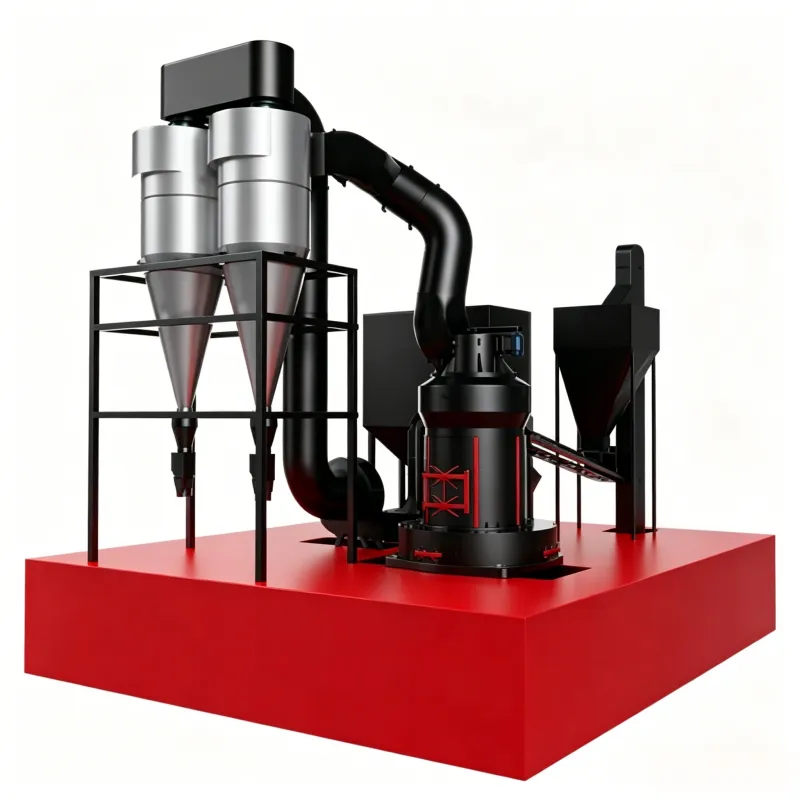
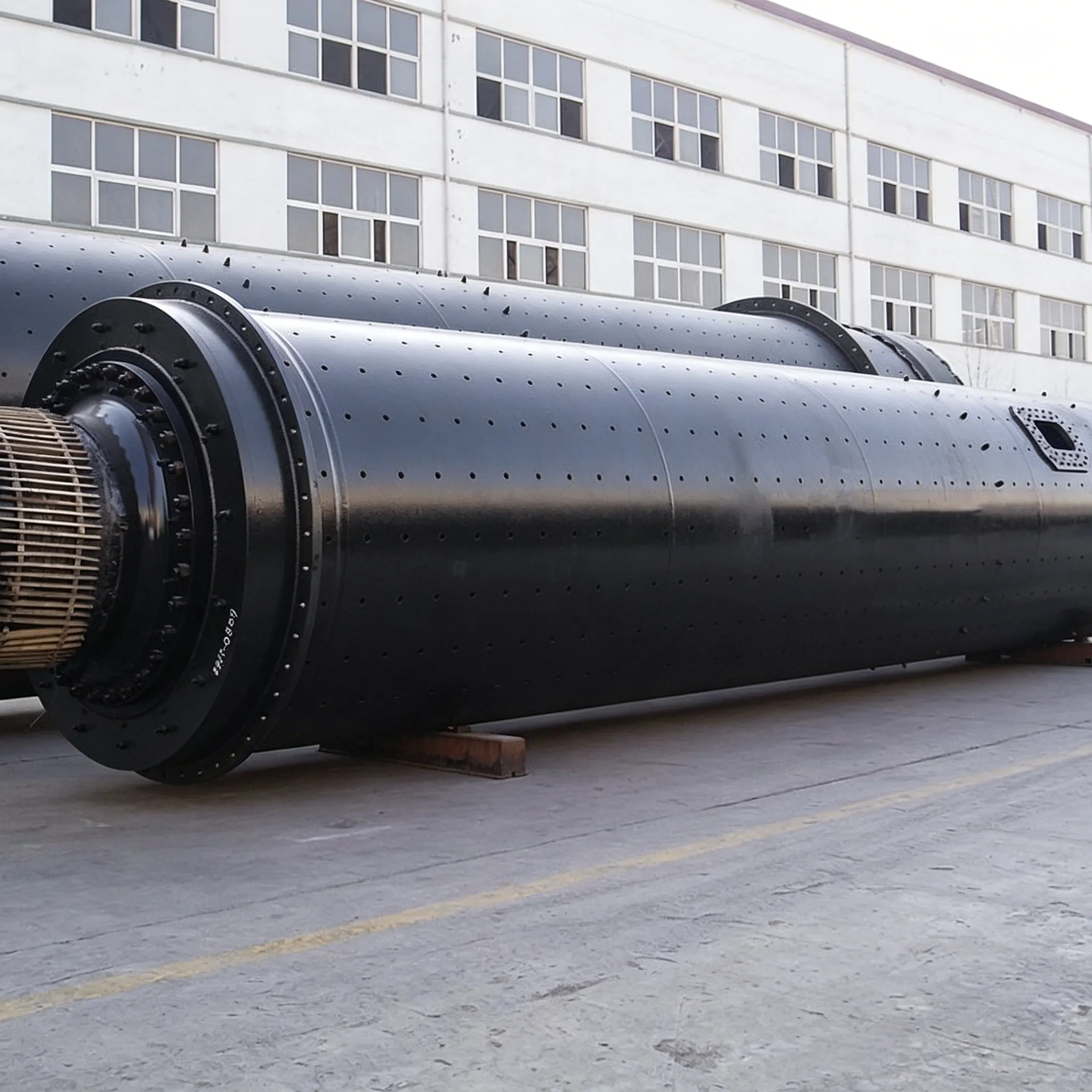
Мельница для измельчения карбида кремния (SiC)
Введение в мельницу для измельчения карбида кремния (SiC) Карбид кремния обладает чрезвычайно...

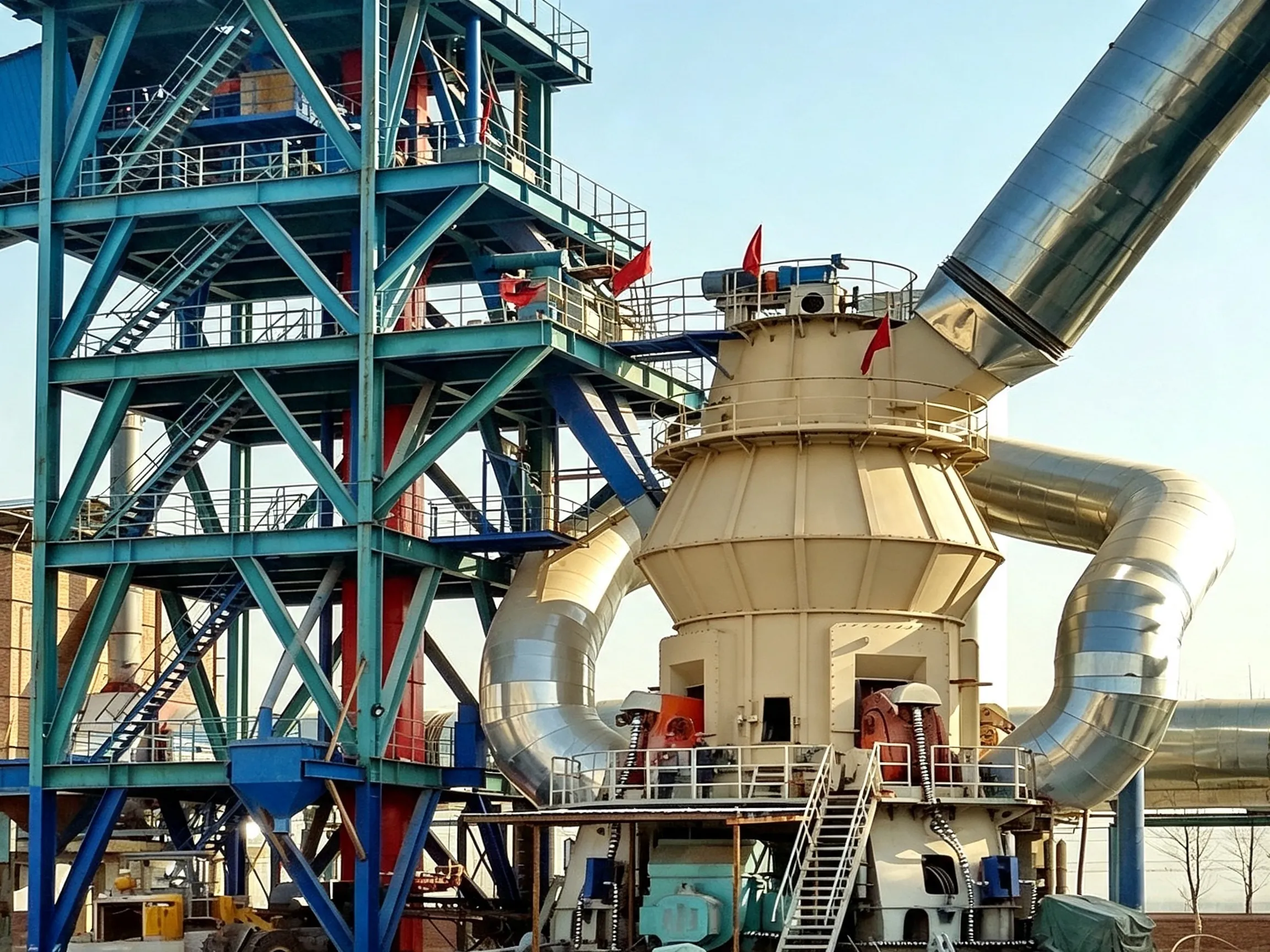
Aluminum dross, especially secondary aluminum dross which is listed as hazardous waste, has long been regarded as a burden for the electrolytic aluminum and foundry industries. However, with advances in resource recycling technology and increasingly stringent environmental policies, this black‑gray powder is now being given a new lease of life. Vertical roller mill (VRM) processing technology, with its unique advantages of high efficiency, energy saving, and environmental protection, is becoming an ideal path for aluminum dross resource utilization. This article provides a comprehensive analysis of the process scheme, equipment selection, and resource utilization value of aluminum dross processing with VRM.
Aluminum dross has a highly complex composition, typically containing 10%–30% metallic aluminum, 20%–40% alumina (Al₂O₃), as well as fluorides, nitrides (AlN), salts, and various other substances. China generates millions of tonnes of aluminum dross annually. Direct landfilling not only pollutes the environment but also represents a tremendous waste of resources.
The main challenges in aluminum dross treatment are threefold:
After calcination and other harmless treatments, the main components of aluminum dross are alumina (Al₂O₃), silica (SiO₂), etc., which are relatively hard. The core functions of the VRM are:
The VRM system integrates “crushing – grinding – classification – calcination” in one flow, efficiently releasing valuable elements from aluminum dross. The entire process comprises four core stages:
Aluminum dross is first coarsely crushed by a щековая дробилка to remove large impurities, and its moisture is adjusted before it is fed into the VRM system. The key at this stage is to ensure a uniform feed particle size to avoid equipment blockages and improve overall operational stability.
This is the core of the whole process. After entering the VRM, the aluminum dross is driven by the high‑speed rotating grinding table and distributed uniformly over the grinding zone by centrifugal force. Under hydraulic system pressure, the grinding rollers apply compression and shear forces to the material, achieving efficient size reduction. Under hydraulic pressure, the combination of an arched grinding table and tapered rollers can grind aluminum dross down to 45–100 μm ultrafine powder.
During grinding, hot air is introduced simultaneously to dry the material, effectively preventing it from sticking to the mill. At the same time, the built‑in dynamic classifier separates fine and coarse particles in real time – coarse particles fall back for regrinding, while fine powder is carried out by the air stream, producing high‑fineness, high‑reactivity aluminum dross powder. Studies show that after mechanical grinding to 45 μm, aluminum dross can react rapidly with water at room temperature to release hydrogen, indicating significantly enhanced reactivity.
The ground aluminum dross powder is fed into a вращающаяся печь for thermal treatment. At 1100–1300°C, the dross undergoes three simultaneous transformations:
Temperature gradient control is critical – the kiln head is maintained at 1250°C to promote calcium aluminate synthesis, while the kiln tail employs 850°C rapid cooling to effectively inhibit re‑formation of harmful substances such as dioxins.
Calcination exhaust gases are treated by multiple environmental protection facilities:
The recovered products, including alumina and calcium aluminate, can be used as steelmaking deoxidizers, ceramic raw materials, or flame‑retardant materials, with significantly increased added value.
Processing aluminum dross places special demands on VRM equipment. The following factors should be emphasized during selection:
Different downstream applications have different fineness requirements for aluminum dross powder:
LM‑series VRMs can achieve flexible fineness control by adjusting the classifier speed. Equipment such as the LUM ultrafine vertical mill focuses on ultrafine grinding in the range of 400–3250 mesh, with adjustable and controllable fineness.
Aluminum dross often contains some moisture, so the VRM system must have concurrent drying capability. The LM вертикальная вальцовая мельница integrates drying, grinding, classification, and conveying in one unit, making it particularly suitable for processing aluminum dross with higher moisture content. Its unique Принцип межчастичного измельчения в слое ensures uniform grinding and avoids over‑grinding.
The VRM system uses a PLC system to adjust grinding roller pressure and air temperature, ensuring precise control of grinding fineness and drying efficiency. Aluminum recovery rates can reach over 85%, and the comprehensive utilization rate of spent pot lining and aluminum electrolyte exceeds 90%.
VRM‑based aluminum dross processing creates a closed‑loop cycle of “resources – products – recycled resources”. The entire line operates under fully enclosed negative pressure and is equipped with a three‑stage environmental protection system:
| Environmental System | Target Pollutant | Treatment Efficiency |
|---|---|---|
| SNCR denitrification | Nitrogen oxides (NOx) | Conversion >75% |
| Bag filter | Particulate matter | Collection >99.9% |
| Alkali spray scrubber | HF, HCl, and other acid gases | Far better than national standard |
The economic value of VRM‑processed aluminum dross is considerable:
With increasingly strict national control over hazardous wastes such as aluminum dross, and the deepening of the “двойной углерод” strategy, the market for aluminum dross resource utilization is experiencing explosive growth. VRM processing technology, with its integrated advantages of combining crushing, drying, and classification, has become a preferred solution for green aluminum dross treatment.
In the future, aluminum dross processing with VRM will develop in the following directions:
Aluminum dross processing with a вертикальная вальцовая мельница is a comprehensive technical solution that integrates environmental treatment, resource recovery, and high‑value utilization. Through the integrated flow of “crushing – grinding – classification – calcination”, the VRM system not only achieves harmless disposal of aluminum dross but also converts hazardous waste into high‑added‑value products with significant economic benefits. Whether for new aluminum dross treatment projects or upgrading existing processes, VRM processing technology deserves serious attention and priority consideration.

 English English
 Spanish
 Russian
 Arabic
 Swahili
 French
 Turkish
 Portuguese
 Korean
 Japanese
 German
 Italian