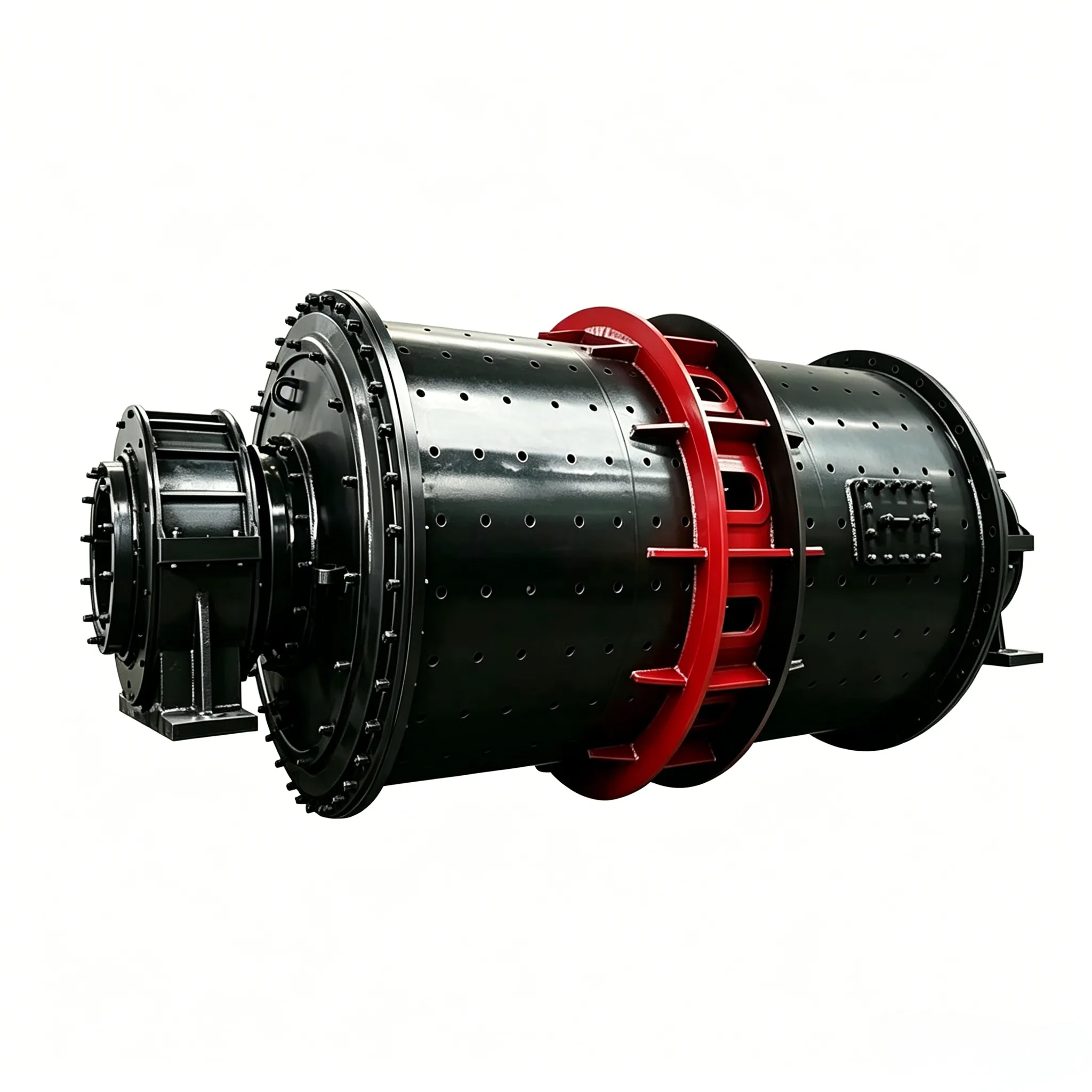
Kinu cha fimbo
Ujenzi wa mashine ya kusaga fimbo yenye unyevu. Mashine za kusaga fimbo zenye unyevu zinaweza kugawanywa katika…


A Mashine ya briketi is a mechanical device that compresses loose materials into compact blocks (called briquettes) by applying high pressure. The purpose is to improve handling, transportation, storage, combustion efficiency, or recovery of valuable materials.
Briquette machines are widely used in:
A briquette is usually a dense cylindrical, square, or pillow-shaped block that burns longer than loose materials or is easier to process.
The basic working principle is:
Raw material → Feeding → Compression → Briquette forming → Discharge
Before briquetting, the raw material usually needs:
Mifano:
| Nyenzo | Preparation |
|---|---|
| Sawdust | Drying + screening |
| Charcoal powder | Grinding + binder mixing |
| Iron ore fines | Grinding + binder addition |
| Coal dust | Mixing + moisture adjustment |
The prepared material enters the machine through a:
The feeding system controls the amount of material entering the compression chamber.
The machine applies high pressure using:
The pressure forces particles together and removes air gaps.
Typical pressures:
The compressed material takes the shape of the mold:
Common shapes:
The finished briquettes are pushed out and may require:
There are several classification methods. The most common types are:
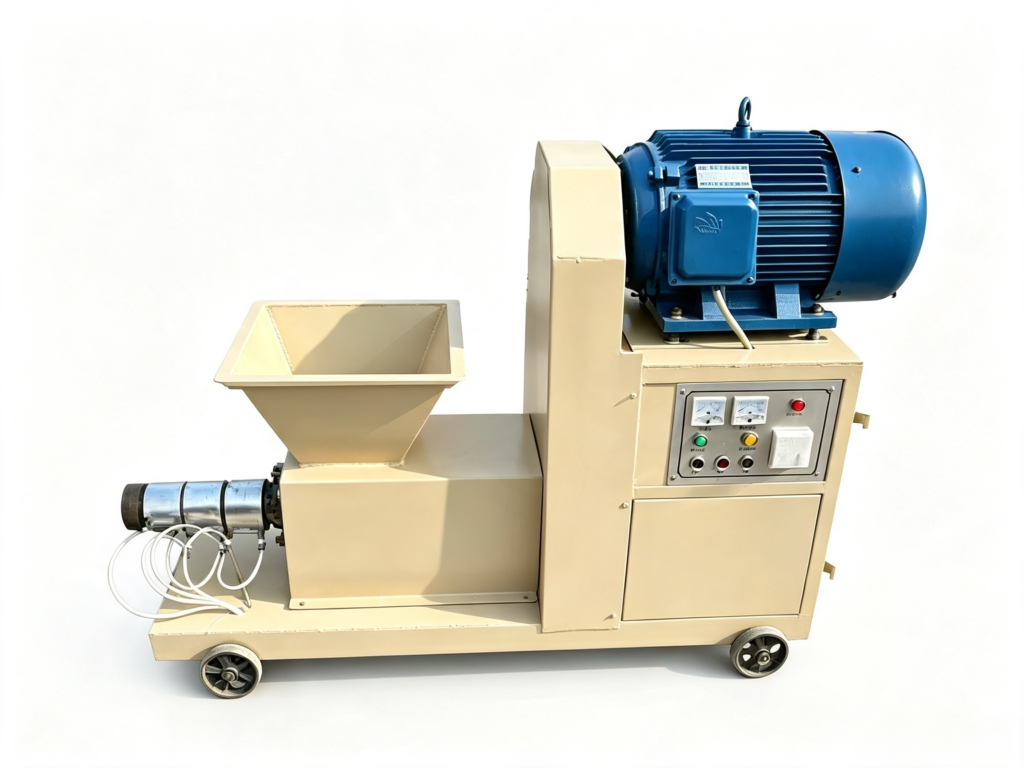
A rotating screw pushes material through a heated compression chamber.
The pressure and heat form a dense briquette.
✅ Continuous production
✅ No binder usually required
✅ High-quality fuel briquettes
❌ Screw wears quickly
❌ Requires dry material
Capacity:
50 kg/h – 1,000 kg/h
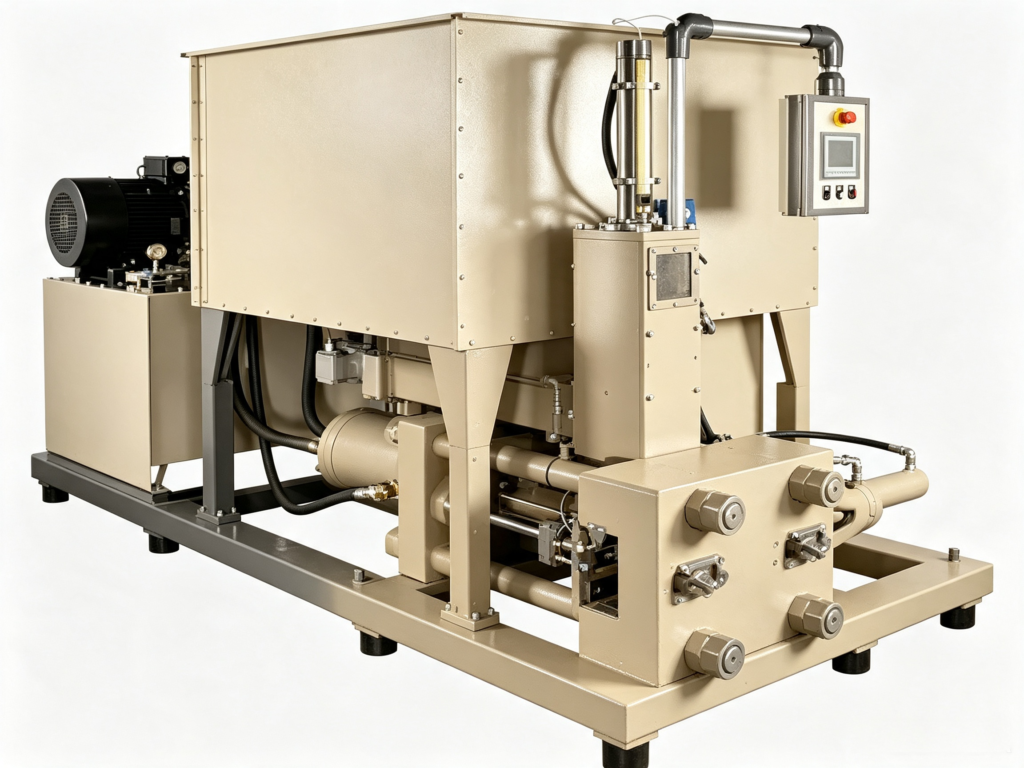
A piston repeatedly compresses material inside a cylinder.
The piston movement:
✅ Strong briquettes
✅ High production capacity
✅ Long service life
❌ Inazalisha mtetemo
❌ Larger machine size
Capacity:
100 kg/h – 3,000 kg/h
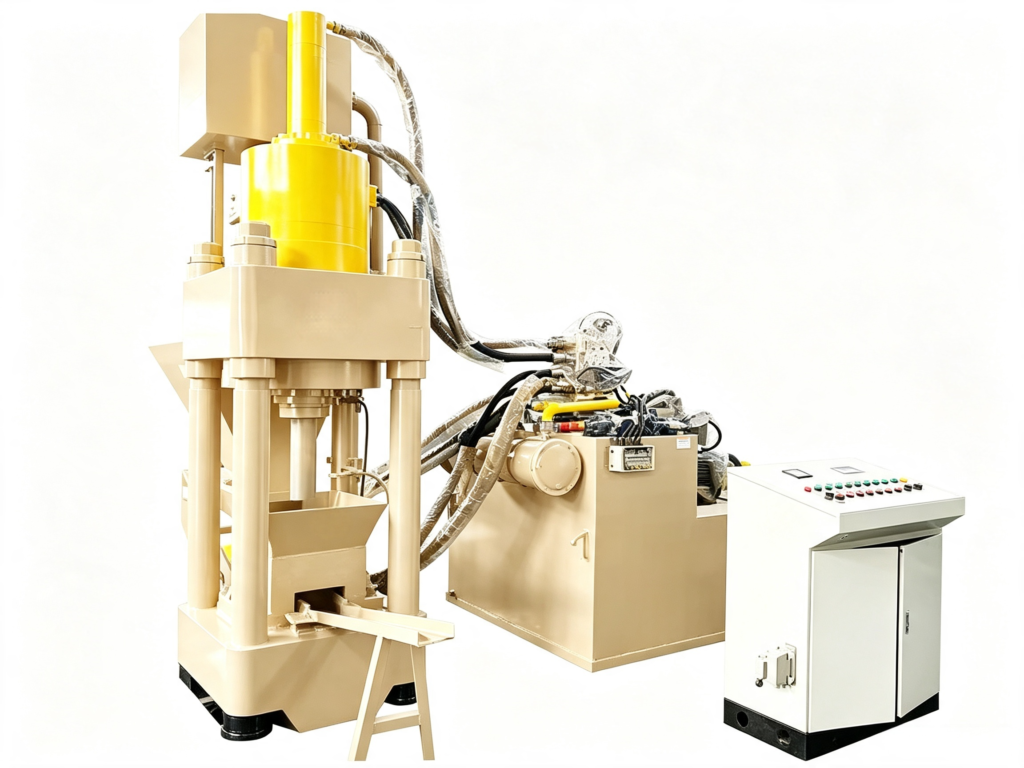
A hydraulic cylinder pushes a piston to compress material under controlled pressure.
✅ Very high pressure
✅ Adjustable pressure
✅ Produces dense briquettes
❌ Slower production speed
❌ Higher investment cost
Capacity:
50 kg/h – 10 tons/h
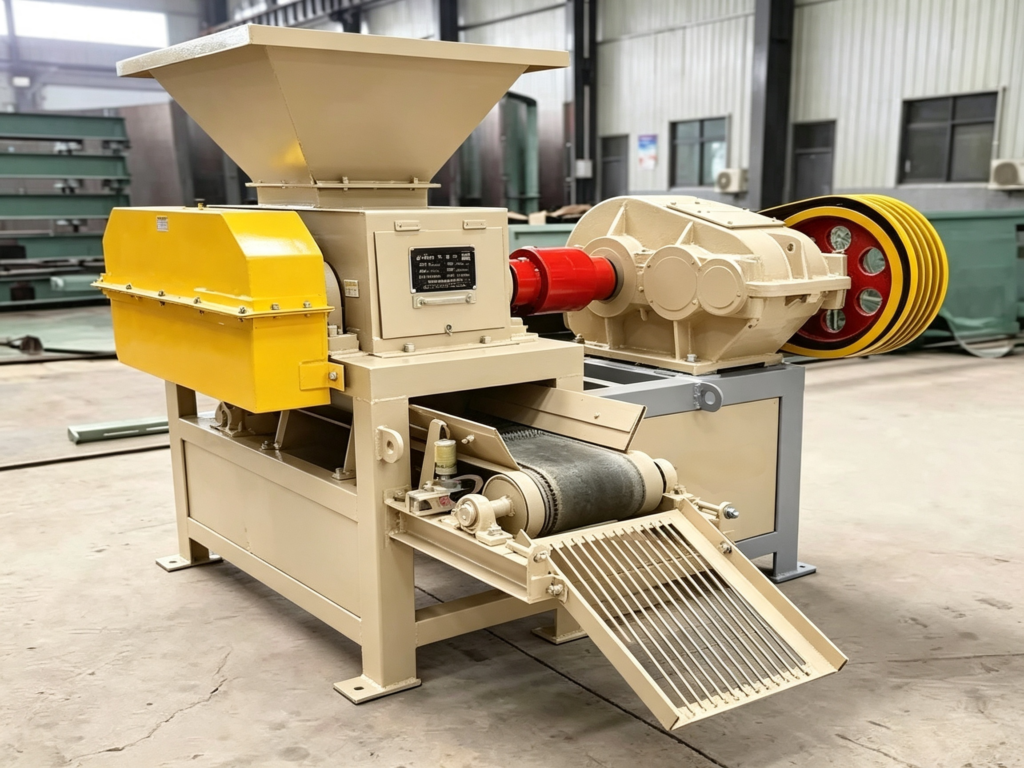
Two counter-rotating rollers with cavities press material into briquette shapes.
Material enters between rollers:
Material
   ↓

(O) ← Pressure → (O)

Briquette formed✅ Continuous operation
✅ Large capacity
Matumizi ya chini ya nishati
❌ Requires proper moisture and binder
Capacity:
1 ton/h – 30 tons/h
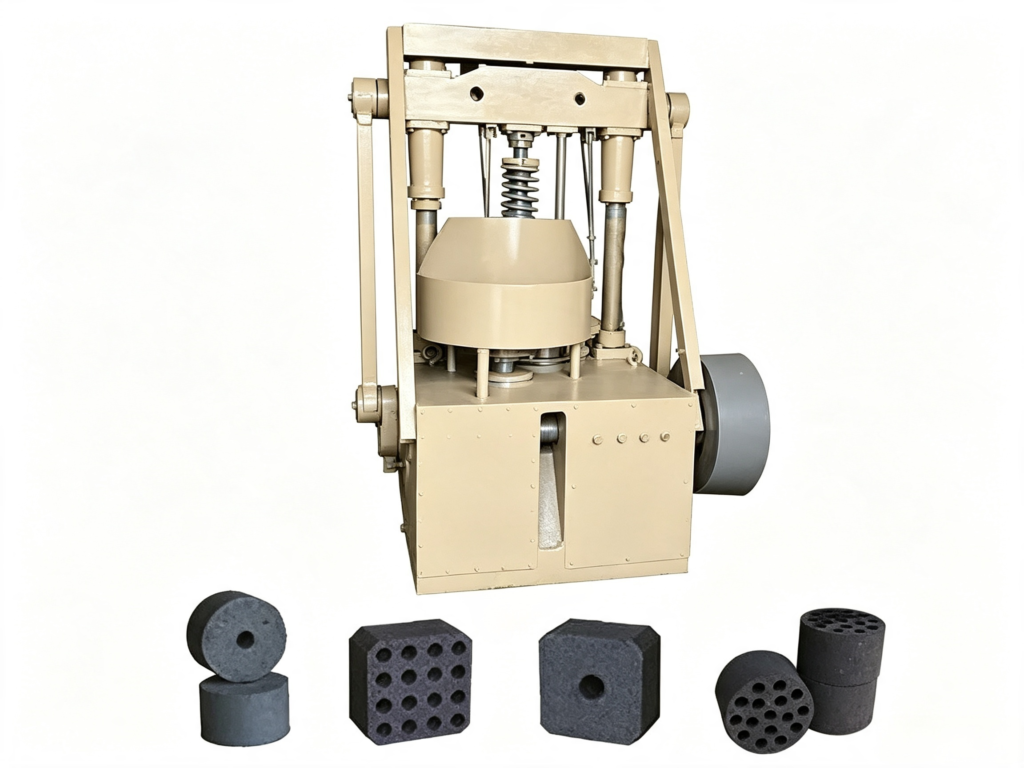
Designed specifically for charcoal production.
Common products:
Malighafi:
Usually includes:
Used for converting coal fines into useful fuel.
Malighafi:
Common types:
Matumizi:
| Aina | Kanuni | Materials | Uwezo | Matumizi Makuu |
|---|---|---|---|---|
| Aina ya skrubu | Extrusion | Biomass | 50 kg/h–1 t/h | Biomass fuel |
| Piston type | Mechanical compression | Biomass | 0.1–3 t/h | Wood briquettes |
| Hydraulic type | Hydraulic pressure | Minerals, charcoal | 0.05–10 t/h | High-density briquettes |
| Roller type | Two rollers pressing | Coal, minerals | 1–30 t/h | Industrial briquettes |
| Charcoal press | Compression molding | Charcoal powder | 0.1–5 t/h | BBQ/shisha charcoal |
In mining plants, briquette machines are mainly used for:
Fine iron powder → briquettes → blast furnace feed
Fine tailings → briquettes → easier handling
Fine fluorite powder → briquettes → furnace use
Coal fines → fuel briquettes
For mineral applications, the most common machines are:
Choose according to:
Mfano:
Some materials need binders:
In mineral processing plants, hasa kwa gold, coal, iron ore, and fluorite, the most commonly used briquette machines are hydraulic briquette presses and double roller briquette machines because they can handle fine powders and produce high-density blocks.

 English English
 Spanish
 Russian
 Arabic
 Swahili
 French
 Turkish
 Portuguese
 Korean
 Japanese
 German
 Italian