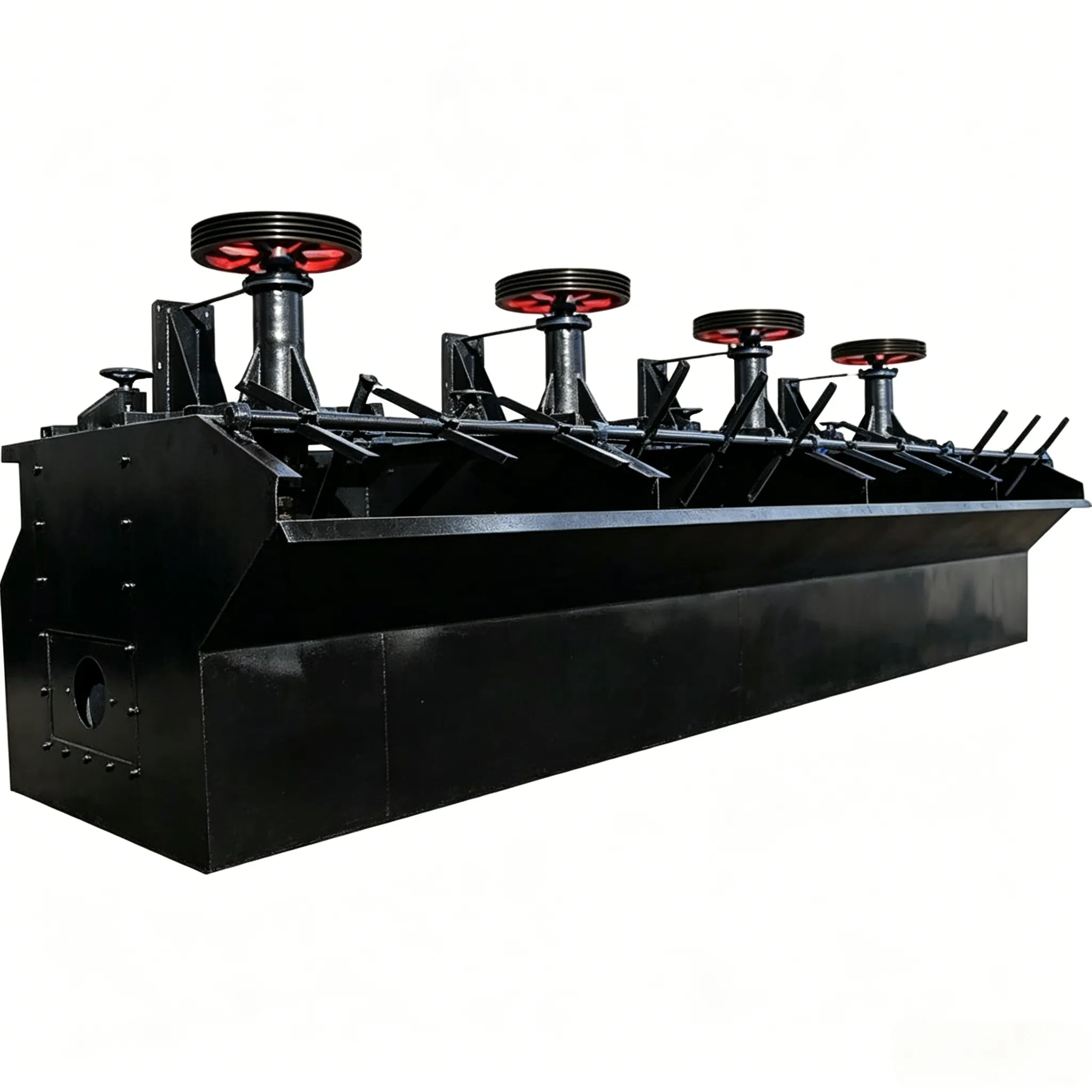
XJQ-Flotationsmaschine
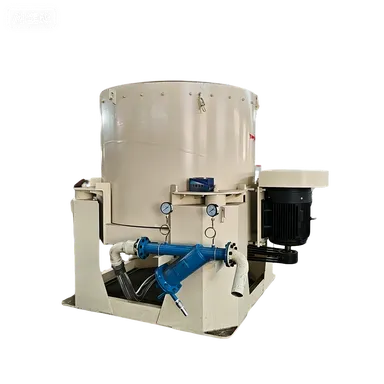
XJQ-, JJF- und BS-M-Flotationsmaschinen Diese drei Arten von Flotationsmaschinen…

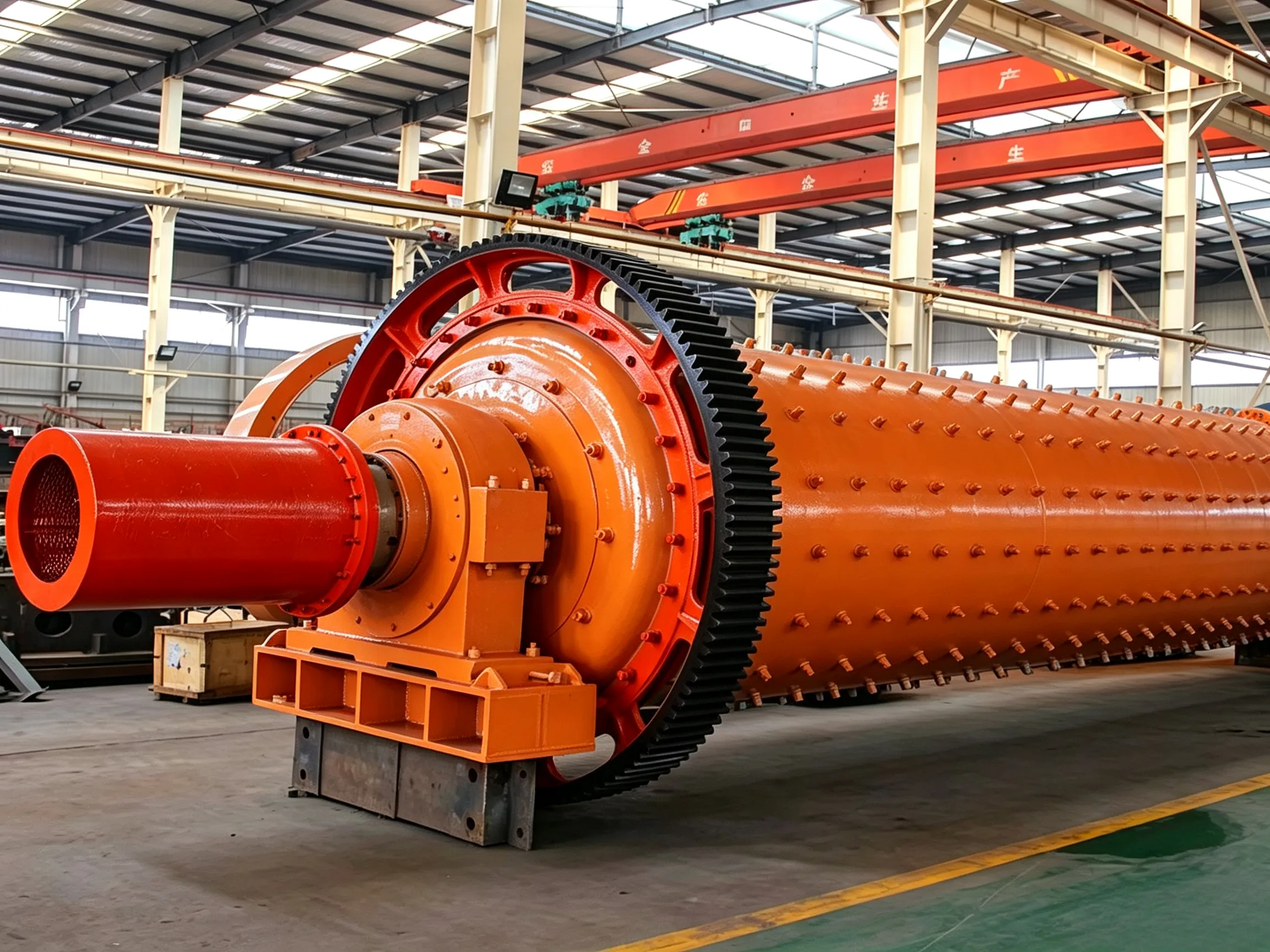
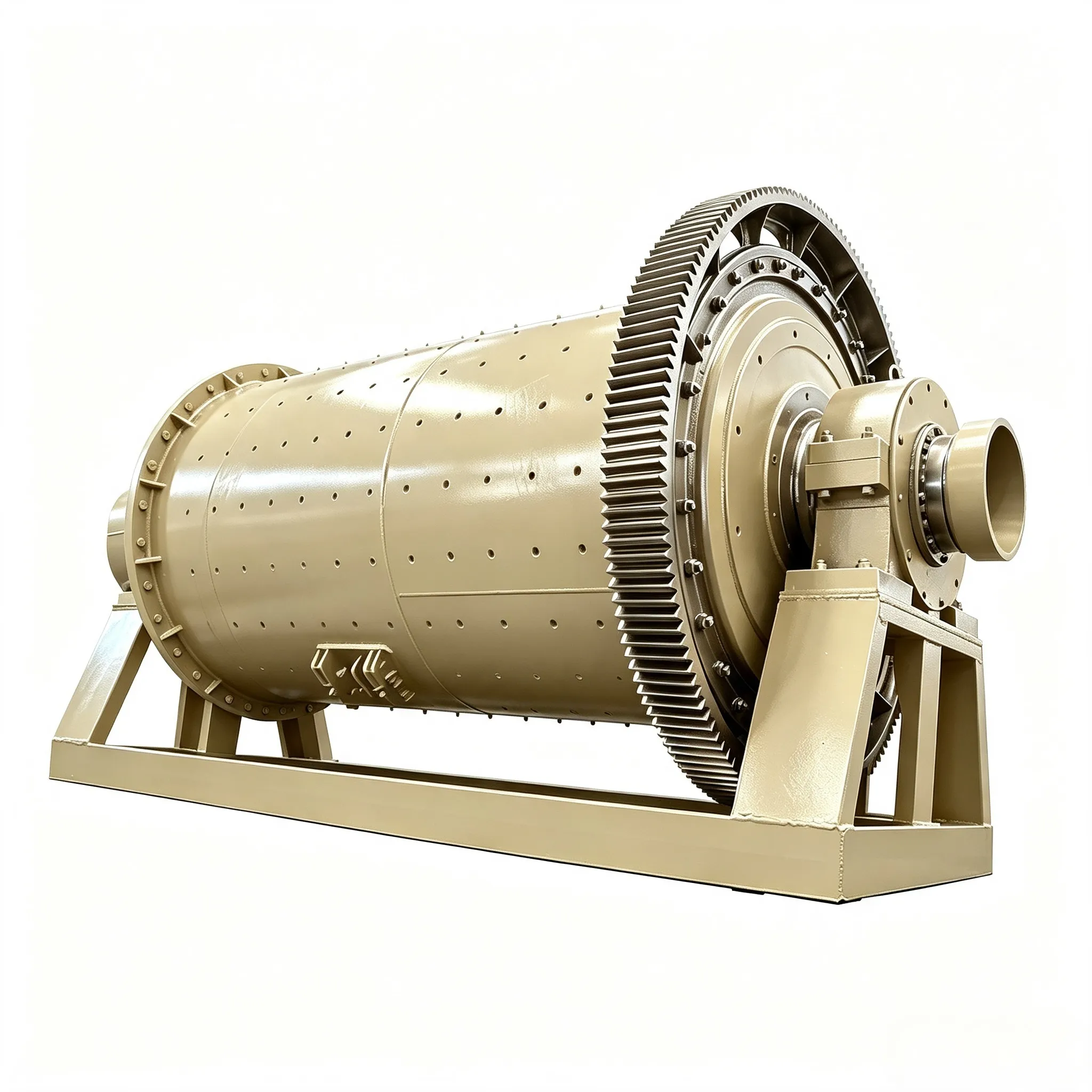
Generally speaking, insufficient contact area (point contact) or uneven distribution of contact surfaces between the phenolic resin bearing bush and the hollow shaft is the main cause of overheating of phenolic resin bearing bushes. The purpose of bearing scraping is precisely to solve this problem. However, there are often other factors as well, such as the surface smoothness of the hollow shaft, the oil scraper, the quality of the lubricating oil, and the geometric dimensions of the bearing housing, all of which affect the bearing temperature. Appropriate measures should be taken according to the specific conditions.
(1) Surface smoothness of the hollow shaft
In some mills, the sealing felt on the bearing housing is severely worn, creating a gap with the hollow shaft. A portion of fine material particles enters the main bearing lubricating oil through this gap, causing wear on the hollow shaft and reducing its surface smoothness. In severe cases, annular grooves or pitted scars appear on the surface. As a result, friction increases during hollow shaft rotation, generating heat in the bearing. Since the phenolic resin bearing bush has a very low thermal conductivity, the heat cannot be dissipated promptly through the bearing bush and housing, inevitably leading to bearing overheating.
Therefore, if the surface smoothness of the hollow shaft is reduced, the sealing felt on the main bearing housing should be carefully inspected and replaced promptly. At the same time, measures should be taken to restore the surface smoothness of the hollow shaft: use a flat file, emery cloth, oilstone, etc., for manual polishing, and finally fine‑hone with an oilstone to restore the surface smoothness to above the original design requirement of △8 grade. It should be noted that grinding must be carried out along the tangential direction of the journal, not along the axial direction.
(2) Oil scraper issues
During mill operation, lubricating oil is carried up by the oil ring and scraped by the oil scraper into the oil scoop (oil distributor), which then spreads it onto the surface of the hollow shaft. Sometimes, due to malfunctions in the oil ring or oil scraper, the oil supply is reduced, causing the bearing temperature to rise. Common faults in the oil scraper system include:
① The oil scraper is of poor machining quality, resulting in excessive assembly clearance; or due to severe wear of the oil scraper, the clearance becomes too large, and the amount of oil scraped is very small.
② The oil ring is of poor machining and assembly quality, with excessive end‑face runout, causing the oil scraper to wobble or become stuck at some point, rendering the scraping ineffective.
③ The three set screws on the oil ring become loose, causing the oil ring to “slip” on the hollow shaft and fail to carry oil. In some mills (such as the MBZX2275 cement mill designed by Nanjing Cement Industry Design and Research Institute), the oil ring is split at 180° and the two halves are connected by four M16 bolts. If the bolts become loose or fall out, the oil ring loosens and lubrication fails.
If any of the above faults are found, they should be promptly corrected to ensure normal bearing lubrication.
(3) Influence of bearing housing geometric dimensions
The bearing housing is a hollow cavity‑shaped part made of gray cast iron and subjected to aging treatment. It is inspected and qualified before leaving the factory. During operation, it is not affected by temperature or impact forces, so under normal conditions its geometric shape and dimensions do not change. Bearing temperature rise caused by this factor is extremely rare.
However, in practice, the following two situations may occur, causing changes in the geometric dimensions of the bearing housing and resulting in bearing overheating, and attention must be paid to them:
① In some plants (especially cement plants in cold northern regions), the bearing housing cracks due to freezing of cooling water in winter. After repair by welding or bonding, although the crack is fixed, the bearing housing still retains slight deformation. In general, this deformation causes the inner diameter of the bearing housing to become smaller, i.e., the radius of curvature decreases.
② In some mills, due to oil starvation of the phenolic resin bearing bush, a severe bearing burn‑out accident occurs. The bearing bush and bearing housing are severely worn, and local defects appear on the inner curved surface of the bearing housing (Figure 2.44), with the curvature becoming smaller. When a new bearing bush is installed, a clearance δ will inevitably appear at this location. Under the heavy load of the hollow shaft, the phenolic resin bearing bush deforms, further reducing the curvature.
The reduction in curvature of the phenolic resin bearing bush caused by the above two reasons can lead to the serious problem of bearing “edge clamping” (also called “shaft seizure”).
The symptom is that the two sides of the bearing bush tightly clamp the hollow shaft, causing lubrication failure on both sides and resulting in dry friction, with oil temperature rising sharply. When the mill is forced to stop and the bearing bush is pulled out for inspection, burn marks are found on both sides of the bearing bush, while the middle portion remains intact and shows no wear or burning.
In practice, when encountering the “edge clamping” fault in phenolic resin bearing bushes, people often overlook the adverse effect of geometric deformation of the bearing housing (mainly the reduction in curvature of the inner curved surface) on bearing operation, thus delaying repair work. Sometimes it is mistakenly attributed to the quality of the phenolic resin bearing bush, so a new bush is installed, but the “edge clamping” problem soon reappears.
Therefore, when “edge clamping” occurs in a phenolic resin bearing bush, the geometric dimensions of the bearing housing should be carefully checked for any changes. If changes are found, active measures should be taken to restore them. Depending on the degree of deformation, the following two methods can be adopted:

Figure 2.44 Schematic diagram of the hollow shaft position before and after bearing burn‑out
1—Normal operating position of the hollow shaft;
2—Position of the hollow shaft after bearing burn‑out;
3—Phenolic resin bearing bush;
4—Bearing housing.
a. If the “edge clamping” is not too severe and the burned areas are concentrated at the bottom of the bearing bush, an angle grinder can be used to manually grind the “edge clamping” areas, and the bearing opening can be appropriately enlarged. This will allow lubricating oil to form an oil film during operation and prevent oil temperature rise caused by dry friction.
b. If the “edge clamping” is very severe and the burned areas are concentrated on both sides of the bearing bush, the bearing housing must be treated. Place a thin iron sheet of thickness δ as a shim at the worn areas of the bearing housing so that the back of the phenolic resin bearing bush fits tightly against the bearing housing, eliminating the clearance δ. In this way, the phenolic resin bearing bush will not deform during mill operation, and the “edge clamping” problem will naturally be resolved.
(4) Quality of lubricating oil
Poor quality lubricating oil, incorrect grade, or viscosity that is too high or too low will all cause bearing temperature to rise. In one plant, No. 26 gear oil was previously used, but now N320 industrial gear oil is used, which is suitable for both winter and summer without changing grades. Generally, no problems occur. However, if the oil becomes too dirty (e.g., when fine material powder leaks into the bearing oil sump), the lubricating oil should be replaced; otherwise, the bearing operating temperature will rise.
 English English
 Spanish
 Russian
 Arabic
 Swahili
 French
 Turkish
 Portuguese
 Korean
 Japanese
 German
 Italian