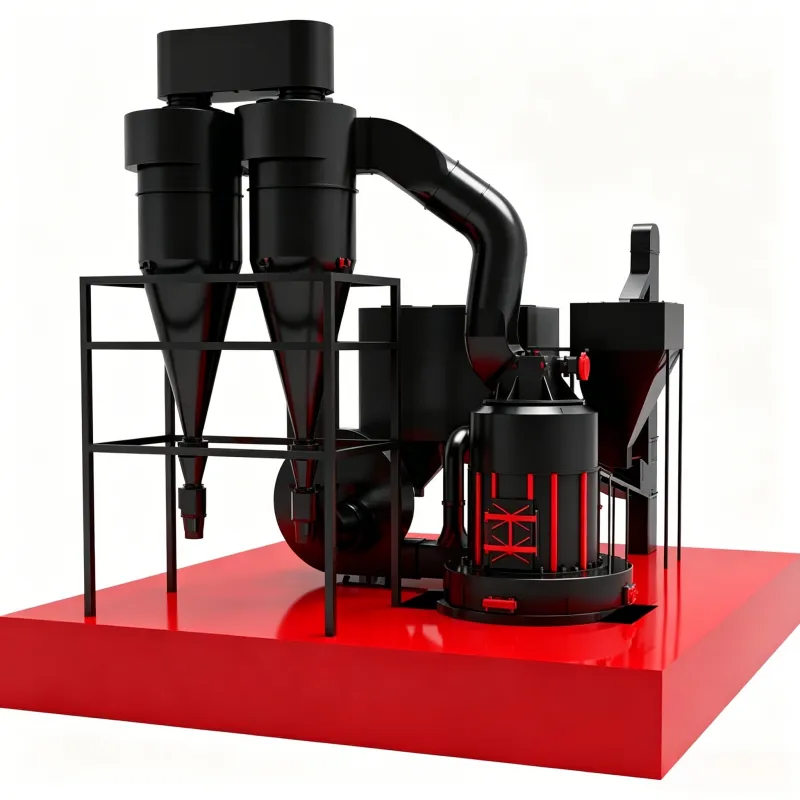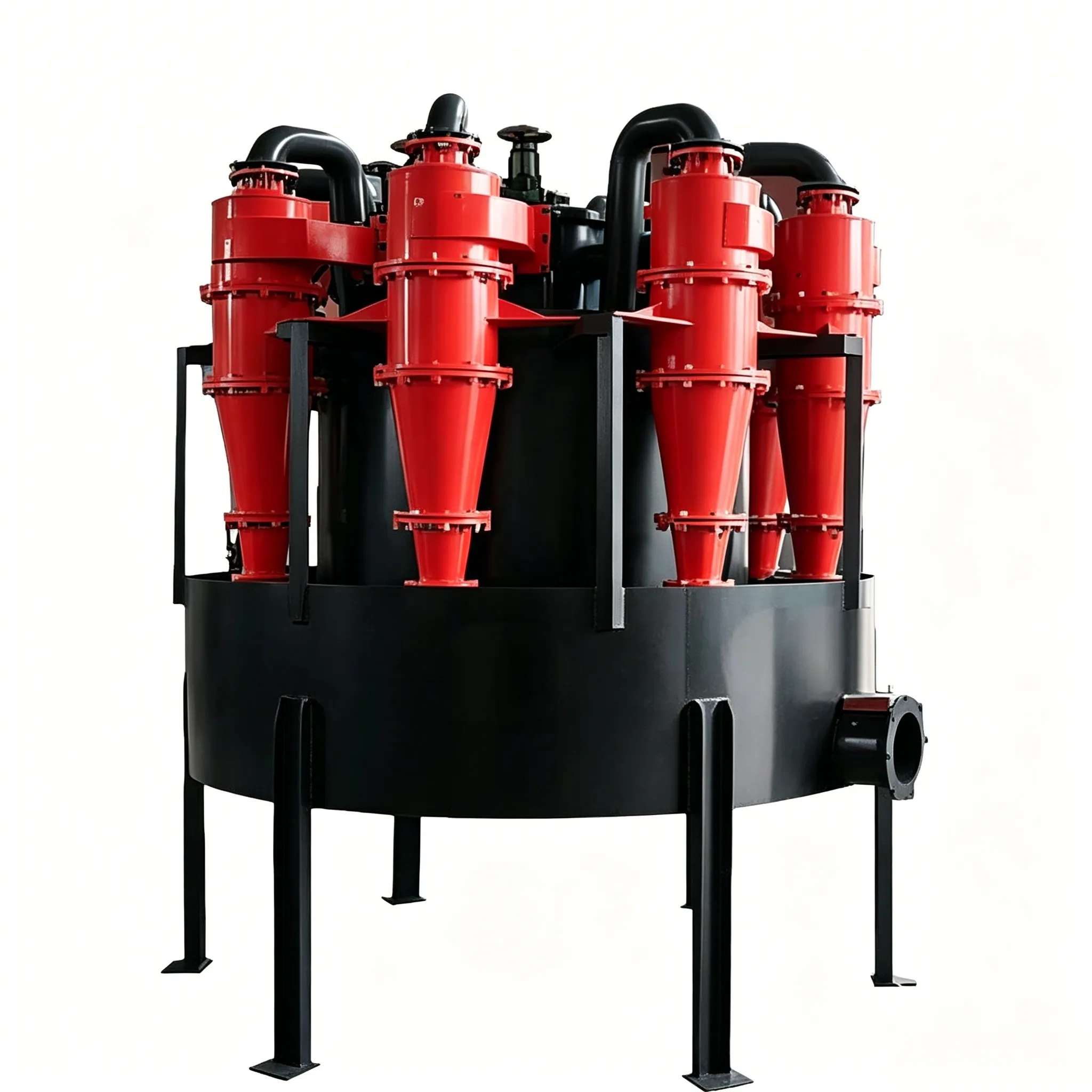
Hidrociclón
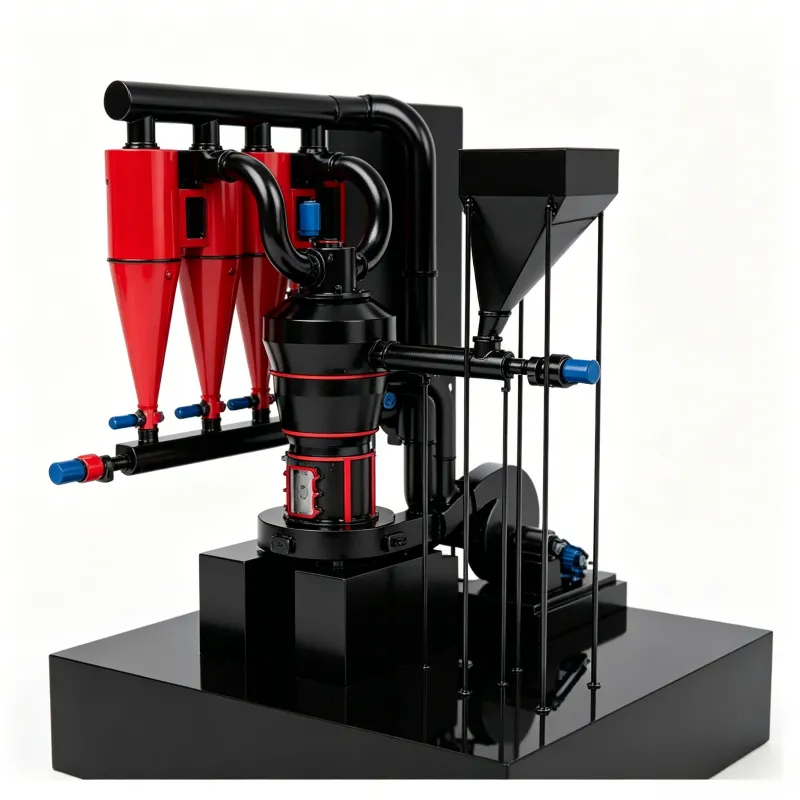
Hidrociclón El hidrociclón es un dispositivo que utiliza la fuerza centrífuga para clasificar…

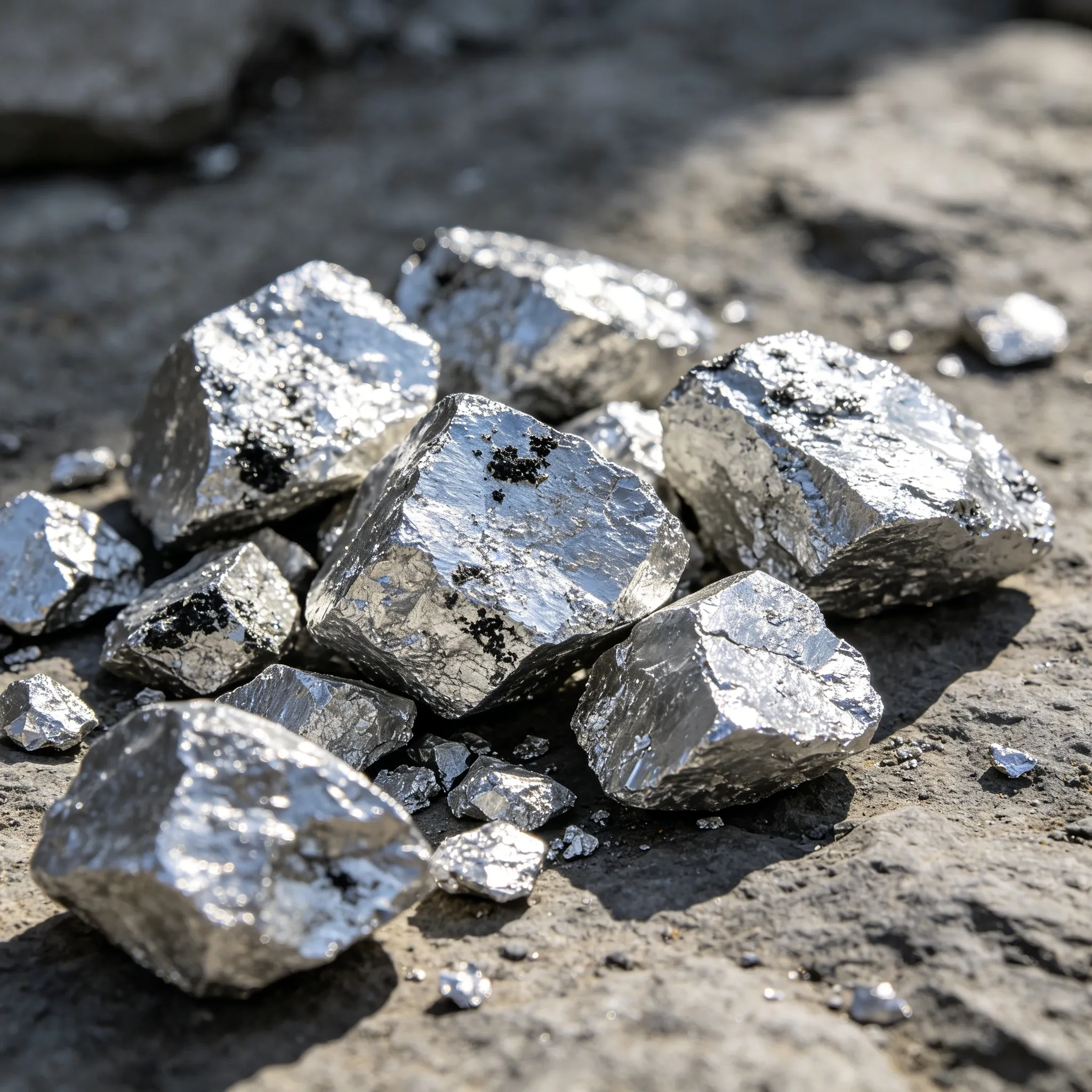
The ore processed by Yunnan Yunlong Tin Mine is a cassiterite‑quartz vein sulfide ore. The tailings have relatively simple mineral composition, mainly quartz, followed by limonite, pyrite, tourmaline, and small amounts of cassiterite, arsenopyrite, chalcopyrite, etc. The tailings contain a tin grade of 0.45%, of which cassiterite tin accounts for 96.26% and sulfide tin 3.74%; iron 3.71%; other elements are low: Zn 0.051%, Cu 0.08%, Mn 0.068%; but sulfur and arsenic, which affect concentrate quality, are relatively high: S 1.88%, As 0.1%. In 1992, as primary ore resources became increasingly depleted, Yunlong Tin Mine began processing old tailings at an old 100 t/d concentrator. To quickly achieve better social and economic benefits in the short term, expansion to 200 t/d was proposed based on the existing concentrator, adopting a gravity separation‑flotation flowsheet, and official production started in April 1994. During production, the process flowsheet was continuously improved, and the final production process is shown in Figure 4‑41. To suit production, the screen deck used for classification has 0.8 mm openings in the front half and 1 mm openings in the rear half. The desliming cone is a φ2500 mm desliming cone. Using this process, a tin concentrate with a tin grade of 56.266%, sulfur 0.742%, arsenic 0.223%, and tin recovery of 68.3% is obtained, together with a sulfur concentrate containing sulfur 47.48%, tin 0.233%, and arsenic 4.63%.
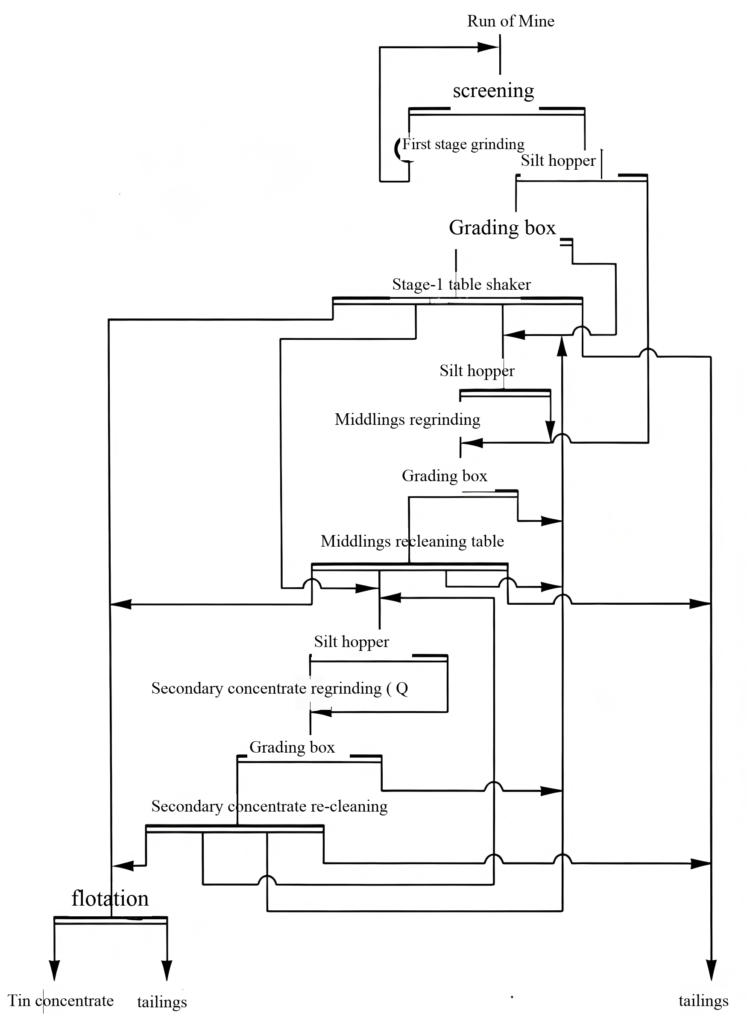
Figure 4-41 Production process of Yunlong Tin Mine tailings processing
The Limu Tin Mine uses a gravity separation–flotation process to recover tin from old tailings. The mine has accumulated over 6.5 million tonnes of tailings, which mainly contain tin, tungsten, niobium, tantalum, as well as siliceous minerals, feldspar, etc. The re-concentration flowsheet includes gravity separation, sulfide flotation, and cassiterite flotation. After gravity separation, the concentrate contains SnO₂ 26.84%, WO₃ 9.6%, Ta₂O₅ 2.7%, Nb₂O₅ 2.04%, with gravity separation recoveries of SnO₂ 32.99%, WO₃ 24.05%, Ta₂O₅ 42.47%, Nb₂O₅ 24.77%. The sulfide mineral flotation process consists of one roughing stage and two scavenging stages, producing a concentrate with Cu 10.8%, SnS₂ 6.58%, and recoveries of Cu 78% and sulfides 52.66%. The sulfide concentrate is subjected to arsenic depression and copper flotation to yield a copper‑tin concentrate containing Cu >20%, Sn >18%, As <1.5%. The cassiterite flotation concentrate contains SnO₂ 6.107%, with a cassiterite recovery of 63.11%.
The Yejihuang concentrator of Dongpo Mine has a gravity separation workshop with a capacity of 300 t/d, recovering cassiterite from tailings. The tailings contain Sn 0.2%–0.25%, producing a tin concentrate with a grade of Sn 42.93% at a recovery of 18.66%, recovering 40–50 tonnes of tin in concentrate annually.
At Dayishan Mine, a concentrator with a capacity of 70–100 t/d was built in 1982. From 33,000 tonnes of可利用 old tailings (containing Sn 0.297%), it recovers 31 tonnes of tin concentrate per year with a grade of 55%–61% and a recovery of 34%–35%.
Internationally, tin recovery from old tin-bearing tailings has been carried out in the United Kingdom, Canada, and Bolivia. Bartley Company in the UK uses shaking tables and cross‑belt sluices to re‑process tin tailings, obtaining a concentrate, middling, and tailings with tin grades of 30.22%, 5.53%, and 4.49% respectively from tailings containing 0.75% Sn. The Rosh Crouch dry concentrator in the UK treats old tailings assaying 0.3%–0.4% Sn to produce a tin concentrate grading 30% Sn. The Sullivan concentrator in Canada processes tin flotation tailings using a combined gravity–magnetic flowsheet to produce a tin concentrate grading 60% Sn with a recovery of 38%–43%. A concentrator in Bolivia re‑processes old and new tailings containing 0.3% Sn, yielding a tin concentrate grading 20% Sn with a recovery of 50%–55%.
The feed material at a concentrator in the Nandan Dachang mining area, Guangxi, is aged tailings from a tailings pond. These tailings are of the cassiterite‑polymetallic sulfide type. The main metallic minerals are cassiterite, pyrite, arsenopyrite, marmatite, jamesonite, as well as small amounts of cerussite, anglesite, smithsonite, hemimorphite, etc. Gangue minerals include quartz, calcite, siliceous shale, limestone, and weathered limestone. Due to long storage time, the minerals are highly oxidized, especially jamesonite and part of the pyrite. Additionally, the valuable minerals are fine-grained, mainly below 200 mesh, which greatly increases the difficulty of separation and recovery. The grades of valuable minerals in the tailings are Sn 0.24%, Pb 0.13%, and Zn 0.47%.
Through experimental research, the tailings recovery process was determined as desliming after coarse removal – gravity separation. The process flowsheet is shown in Figure 4‑42. In this flowsheet, a φ1500 mm spiral classifier, which has high classification efficiency, large processing capacity, and low power consumption, was selected for the coarse removal operation. A φ125 mm hydrocyclone was used for desliming and thickening. Finally, a Yunnan Tin-type fine slime shaking table was used for separation and recovery, producing a low‑grade tin concentrate assaying 3%–5% Sn. Due to the extremely fine particle size, high slime content, and high sulfur content, a single pass over the shaking table could not directly produce a high‑grade tin concentrate. However, converting the low‑grade tin concentrate into a high‑grade tin concentrate only required further desulfurization flotation and gravity separation on a shaking table for slime removal.
After the fine cassiterite recovery process was commissioned and put into operation, multiple measurements gave average indices of 4.17% Sn for the low‑grade tin concentrate and 3.33% recovery relative to the original tailings, with an annual tin metal production of 25 tonnes.
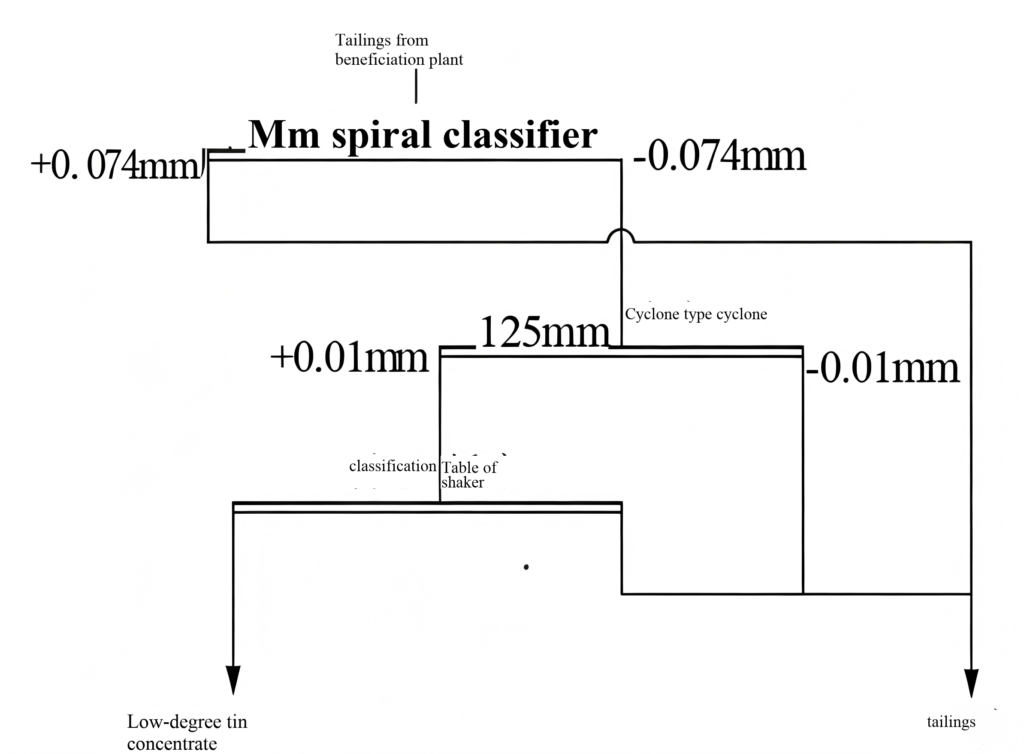
Figure 4-42 Process flowsheet for recovery of fine cassiterite from a concentrator