
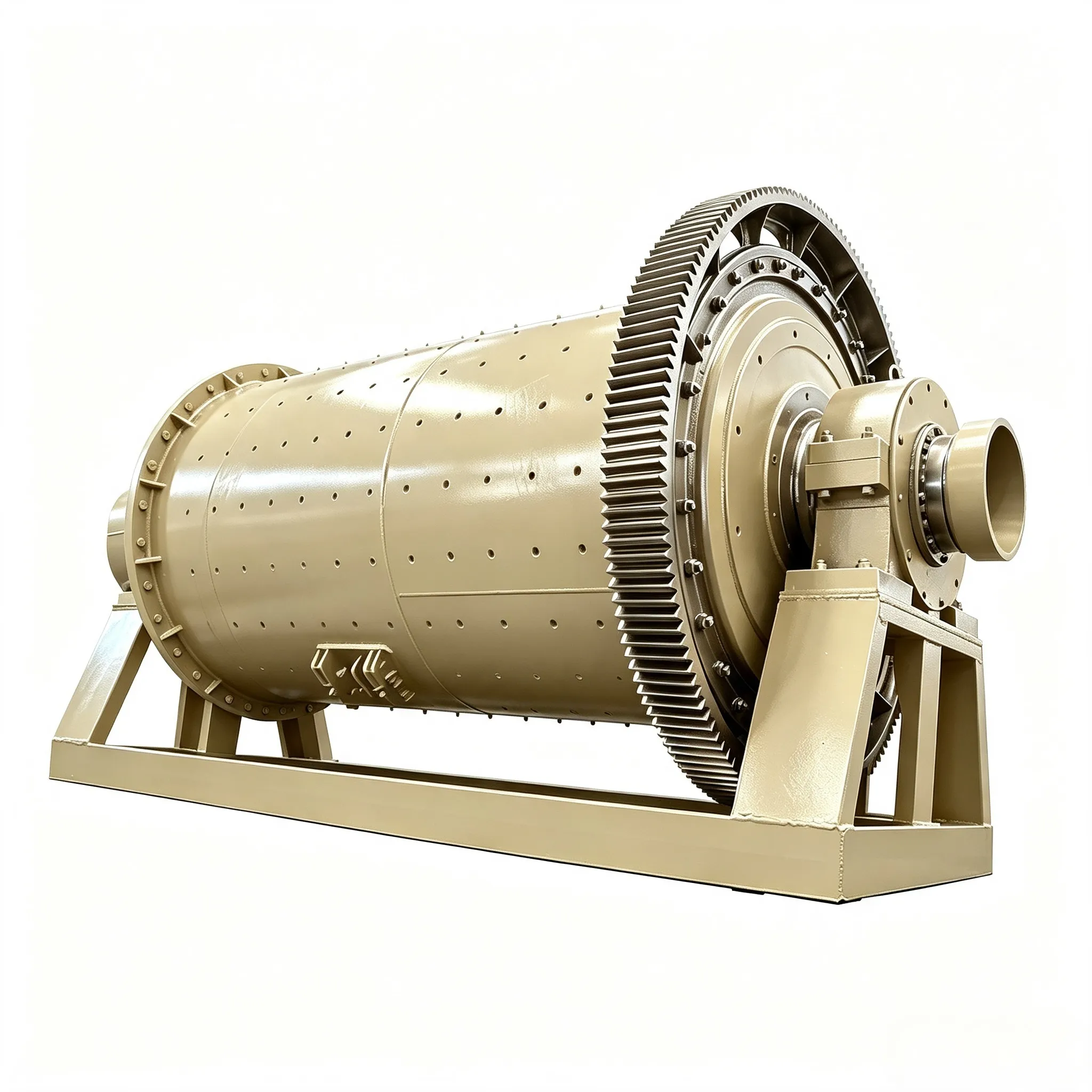
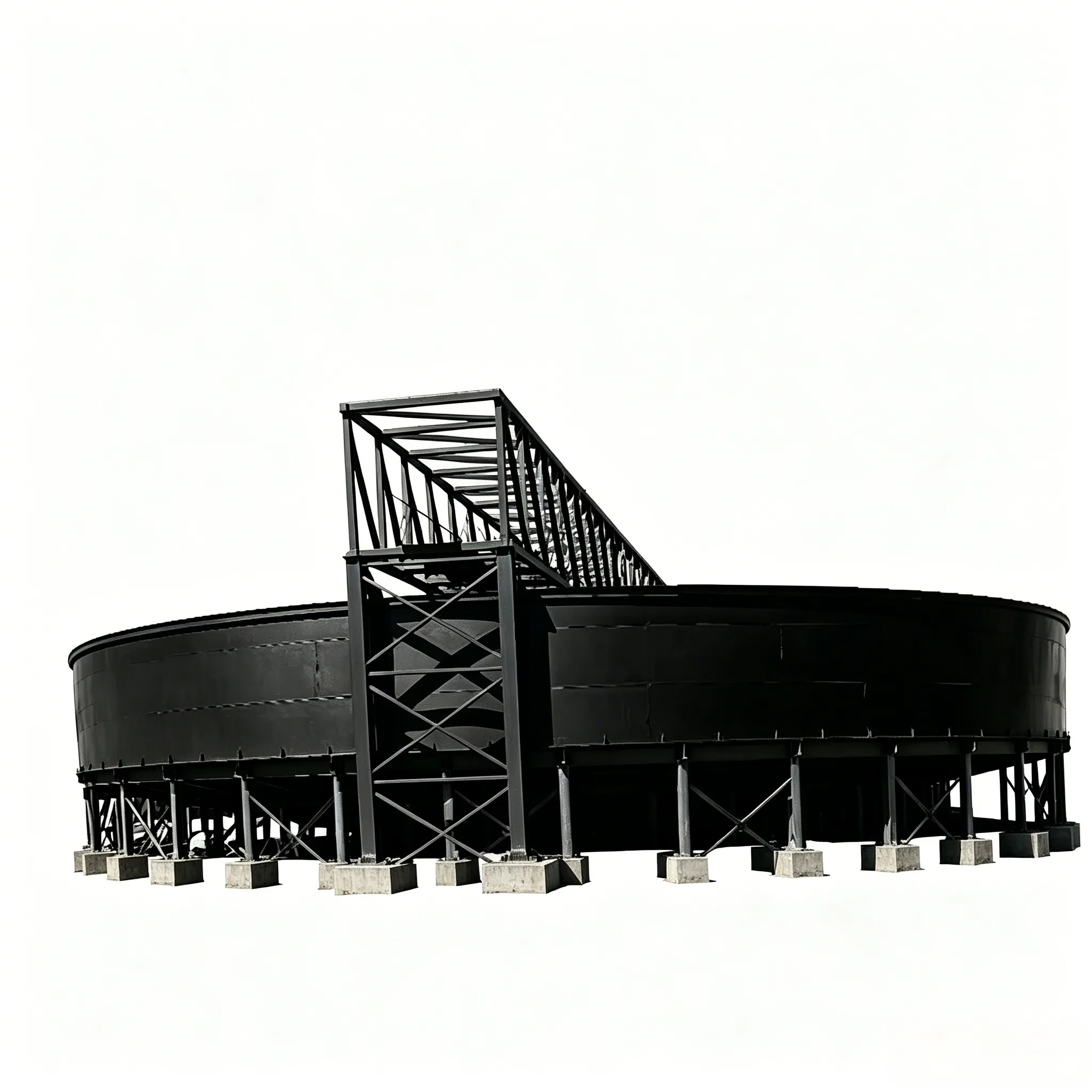
Molino de bolas en seco
1. Descripción general del producto: El molino de bolas en seco es un elemento clave de…


According to Mining.com, on June 5, Bolivia’s nationwide protests entered their 36th day, and President Rodrigo Paz proposed a bill aimed at expanding military deployment powers, increasing uncertainty over the development of the country’s abundant lithium resources.
The “state of emergency bill” submitted to Congress on June 3 aims to establish a legal framework allowing the military to intervene alongside police during social unrest. Previously, the Bolivian government last week passed Bill No. 1732, removing restrictions on military deployment during civilian demonstrations; these restrictions had been implemented after the 2019 Sacaba and Senkata bloody incidents, which caused 21 deaths and 180 injuries.
Bolivia possesses world-class lithium resources, including the Salar de Uyuni deposit. Political instability, inadequate regulation, and recurring social unrest have repeatedly delayed the development of projects considered strategically important for global electric vehicle, energy storage, and critical mineral supply chains.
The nationwide protests that broke out in Bolivia in early May 2026, combined with the policy shift after the new government took office, have brought Chinese-invested lithium projects to a complete standstill, sharply increased investment risks, and made a short-term restart unlikely; at the same time, they have created certain negotiating leverage and potential turning points.
I. Background: The Dual Crisis of Protests and Lithium Projects
Nationwide protests (May 2026–present): Triggered by the removal of fuel subsidies, high inflation, and land policy disputes, indigenous groups, trade unions, and farmer organizations have joined forces, with 90+ road blockades, paralyzed material transportation, and political instability.
Core Chinese-invested projects:
CBC consortium (CATL/Brunp/LCM): Salar de Uyuni/Salar de Oruro, planning to invest USD 1 billion to build 2 lithium carbonate plants (annual output of 35,000–50,000 tonnes), with Bolivia’s YLB holding 51% and the Chinese side 49%.
TBEA: Salar de Coipasa/Salar de Pastos Grandes, planned USD 2.3 billion, exploration and feasibility study completed, construction not started.
Policy turning point: In November 2025, the pro-US Paz government took office and launched a comprehensive review of Chinese-invested agreements on grounds of “environmental impact assessment/indigenous rights,” halting construction and blocking equipment entry, while pivoting toward cooperation with US companies.
II. Direct Impact of the Protests on Chinese-Invested Projects
Judicial + administrative dual suspension: In June 2025, the Potosí court froze the contract due to indigenous litigation; after the new government took office, it further sealed off construction sites, evacuated personnel, and banned equipment entry.
Protests worsen paralysis: The lithium mining areas (Potosí, Oruro) are the core protest zones; road blockades cut off material and personnel access, security risks soar, and conditions for resuming work are completely lost.
Scale of losses: About USD 200–300 million in prior exploration/feasibility study/design costs for Chinese companies have been sunk; the combined USD 3.3 billion investment plans of CBC and TBEA are shelved, with funds not substantially in place.
Government breach of faith + policy swings: The Paz government tore up core terms, demanding renegotiation of equity/technology and prioritizing US companies; under protests, regime stability has deteriorated, and policies may change again at any time.
Indigenous and community resistance solidified: The main protest force (indigenous groups) opposes foreign development of the salars, questioning the lack of environmental assessment and unfair resource distribution; the project’s social license has been completely lost.
Lack of legal protection: Bolivia’s lithium mining law has not been implemented, contract validity is questionable; the judiciary has been politicized, and the probability of winning rights-protection lawsuits is extremely low.
Infrastructure support stalled: The roads, power, and water supply facilities promised by the Chinese side have been halted due to protests and frozen funds, leaving the necessary infrastructure for salar development absent.
Technical personnel evacuated: To avoid security risks, the core technical team has been fully withdrawn, with only a small number of remaining personnel on site; technology transfer and localization training have been interrupted.
US company substitution blocked (but threat remains): US companies lack high magnesium-lithium ratio extraction technology and cannot develop the Uyuni salar; the US side’s USD 2 billion loan has not materialized, leaving Bolivia in a dilemma, but the pro-US inclination has not reversed.
III. Potential Turning Points and Room for Maneuver
Economic collapse forcing compromise: Bolivia’s foreign exchange reserves are only USD 147 million, fuel and materials are in short supply, inflation is >14%, and protests have brought the economy to a complete standstill; the government may restart cooperation with China in exchange for funds and technology.
Political factional maneuvering: Former President Morales (left-wing) has joined the protests; if his faction returns, Chinese-invested projects may be restored; but the probability of a short-term regime change is low.
Possibility of contract renegotiation: The Bolivian side has privately approached the Chinese side to test restarting negotiations and may accept a model of Chinese technology + partial equity concessions, but will not give up the controlling stake (51%).
IV. Response Strategies for Chinese Companies
Short term (6–12 months): Maintain a low-intensity presence and reserve the right to legal recourse; suspend new investment and revitalize domestic lithium resources (such as Sichuan and Qinghai salars) to hedge risks.
Medium term (1–2 years): Bind with pragmatic factions in Bolivia, exchange technology + partial investment for project restart; join with third parties (such as European automakers) to diversify risks and promote lithium mining legislation and contract compliance.
Long term: Diversify the layout to reduce dependence on a single country; strengthen technical barriers, consolidate the advantage in high magnesium-lithium ratio extraction technology, and enhance negotiating leverage.
 English English
 Spanish
 Russian
 Arabic
 Swahili
 French
 Turkish
 Portuguese
 Korean
 Japanese
 German
 Italian