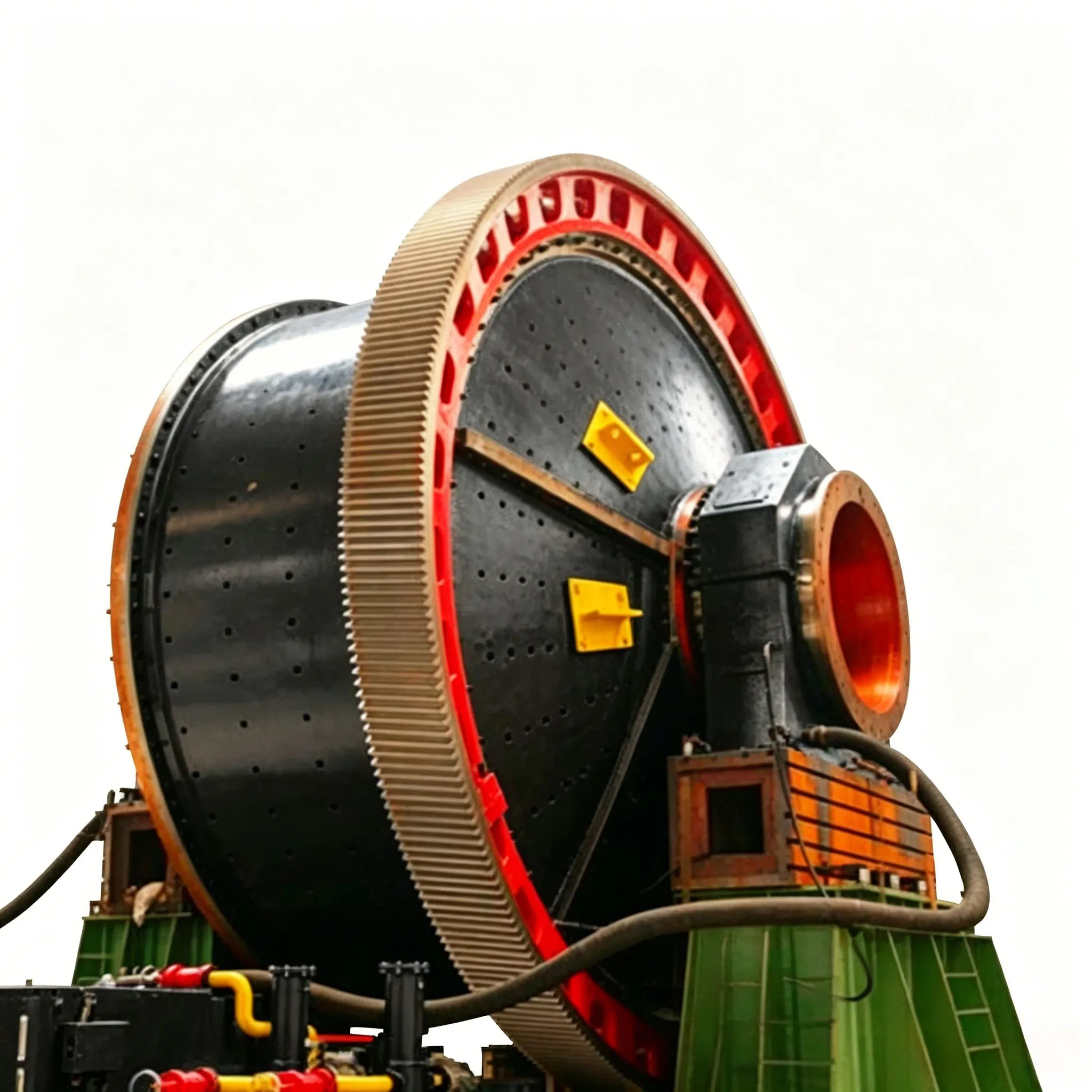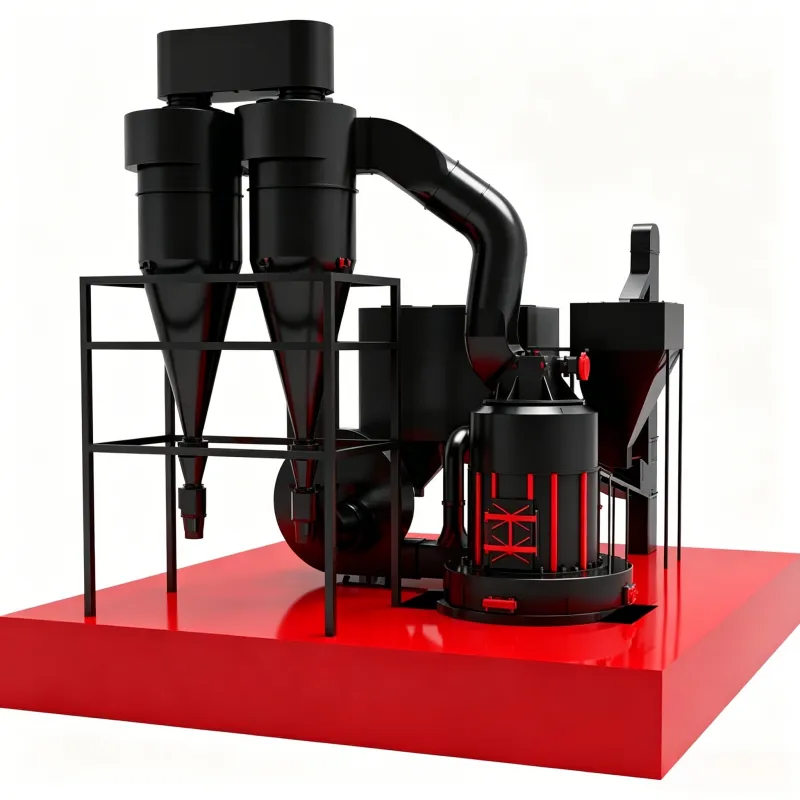
Molino Raymond móvil
Introducción al molino Raymond móvil El molino Raymond móvil (denominado...

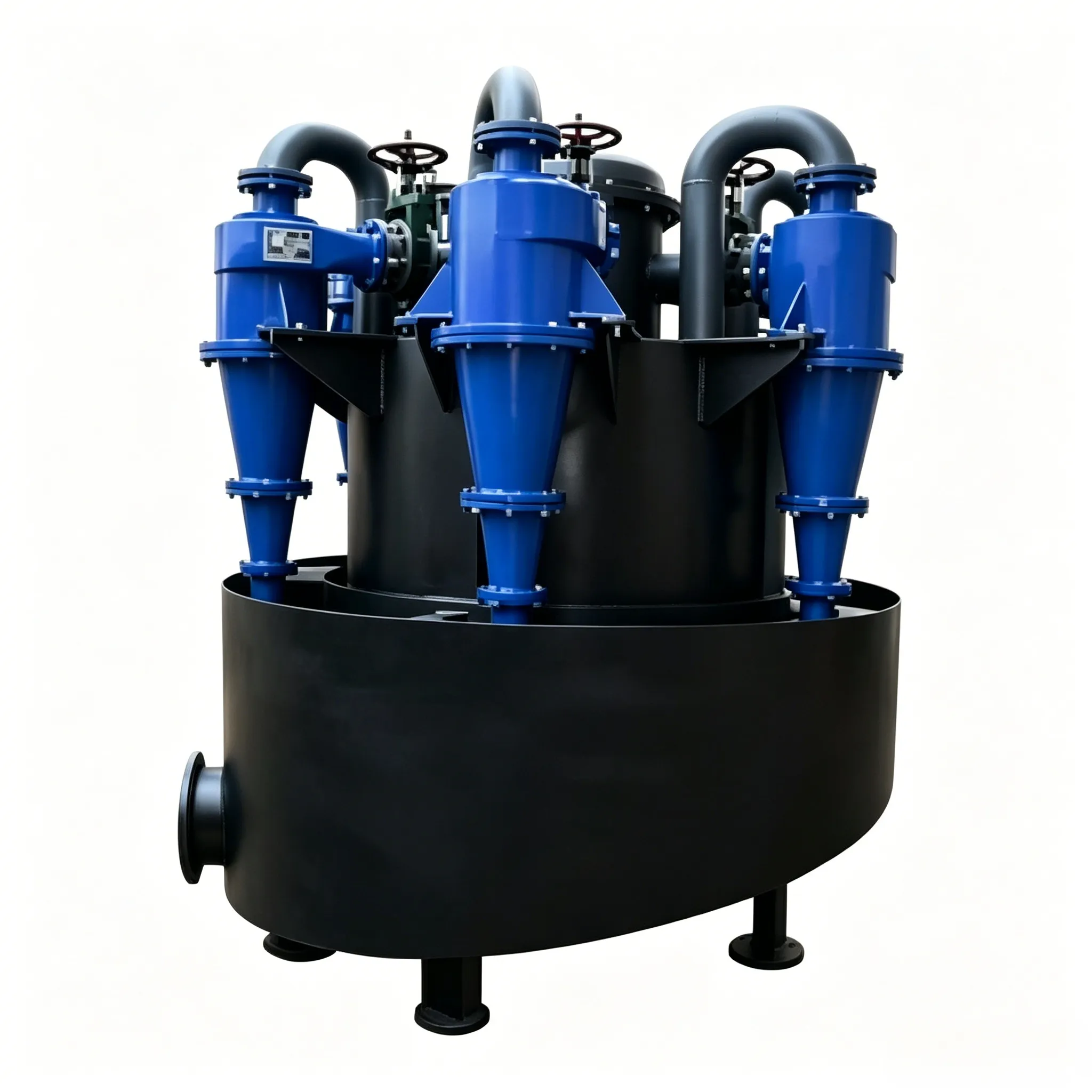
11.2.4.1 Installation of Hydrocyclone
The permissible deviations and inspection methods for each part during the installation of the hydrocyclone shall comply with the provisions of Table 11-8.
Table 11-8 Permissible deviations for installation of hydrocyclone
| Nº de artículo. | Artículo | Desviación admisible | Unidad | Método de inspección |
|---|---|---|---|---|
| 1 | Eje longitudinal y transversal | 5.0 | mm | Tira de la cuerda y mide con una regla |
| 2 | Centerline elevation of feed pipe | ±10.0 | mm | Level gauge |
| 3 | Verticality | 1/1000 | — | Plumb line and ruler measurement |
After installation, a hydrostatic pressure test shall be carried out. The test pressure shall be 1.2 times the working pressure. No leakage is considered acceptable.
Trial operation of hydrocyclone
The no-load trial operation of the hydrocyclone shall be carried out simultaneously with the auxiliary equipment. The no-load trial operation shall last not less than 4 hours. During the trial operation, no fasteners or connecting parts shall become loose.
Use and maintenance of hydrocyclone
Before the slurry is fed into the hydrocyclone, impurities such as oversized ore particles, wood chips, grass roots, etc., shall be removed using a screen. This is especially important for small-diameter cyclones and those operating in closed circuit with grinding mills.
The slurry fed into the hydrocyclone must be at a certain pressure and kept stable to achieve good classification efficiency. In actual production, slurry is generally fed directly by a slurry pump. Due to the operating characteristics of the slurry pump itself, fluctuations in feed pressure often occur, which in turn cause fluctuations in feed rate. To reduce these fluctuations, a frequency converter needs to be installed to adjust the pump speed as conditions change, thereby stabilizing the feed pressure. If the topography and elevation of the concentrator site permit, it is best to install a constant-pressure box to achieve constant-pressure feeding.
Feed concentration, feed particle size, and particle size distribution also significantly affect classification efficiency. These parameters should be kept as stable as possible during production, or at least not allowed to vary too much.
The feed concentration of the hydrocyclone shall not exceed 70%; beyond this value, classification will not occur. Therefore, special attention shall be paid to the feed concentration for cyclones operating in closed circuit with grinding mills.
During production, the overflow fineness shall be strictly controlled. At the same time, the shape of the underflow discharged from the apex nozzle shall be frequently observed. The best shape is between an umbrella shape and a rope shape. If the shape resembles a sausage, attention shall be paid to prevent blockage of the underflow orifice.
Wear of the hydrocyclone is one of the most important operating indicators. The apex nozzle and the lower cone body connected to it experience the greatest wear. To prevent wear, the cyclone body is lined and equipped with replaceable parts made of wear-resistant materials, which can be replaced at any time. These wear-resistant materials include rubber, polyurethane, high-alumina ceramic, silicon carbide, etc.