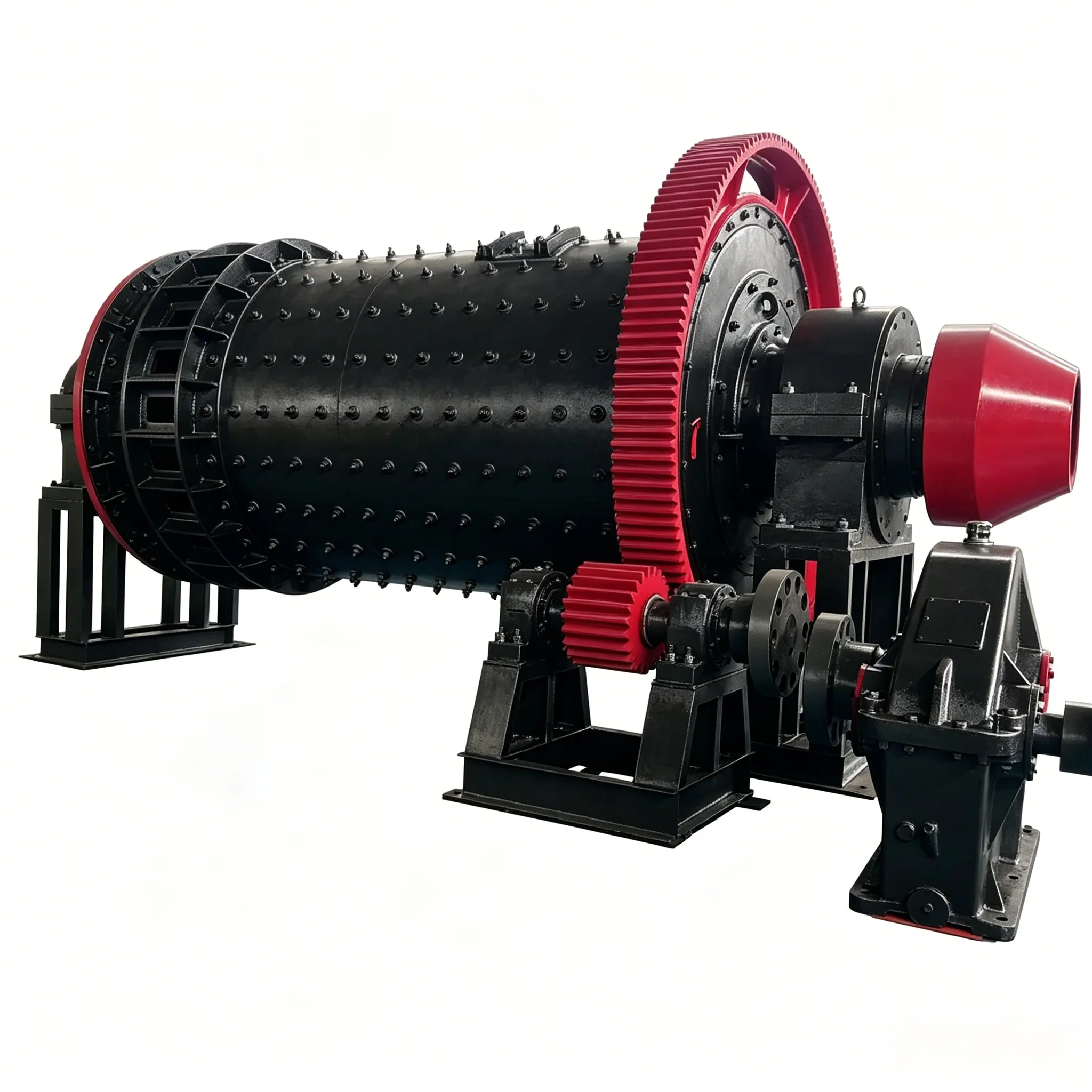
Molino de barras
Construction of a Rod Mill Wet rod mills can be classified into…

I. Core Differences Between the Two Types of Equipment
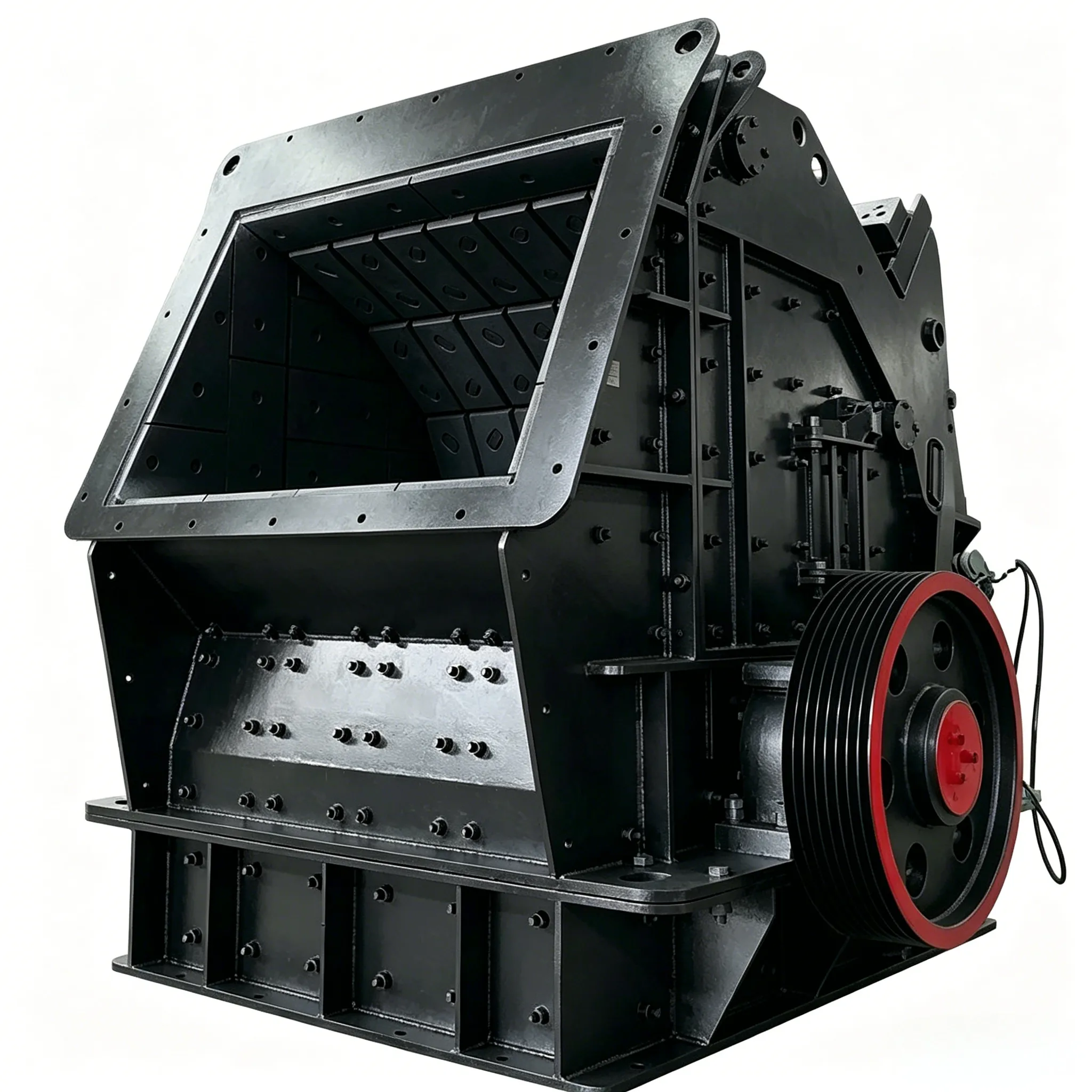
Jaw Crusher (Jaw Breaker): The moving jaw periodically squeezes the fixed jaw. It has a simple structure, high impact force, and is easy to maintain. It is suitable for coarse crushing of large pieces of raw ore.
Hydraulic Cone Crusher (Cone Crusher): The moving cone rotates and crushes the ore. It has a large crushing ratio, good output particle shape, and a high degree of automation. It is suitable for medium and fine crushing with controlled particle size.
Standard Configuration for Gold Mine Beneficiation Plants: Jaw crusher for coarse crushing, cone crusher for medium and fine crushing, in combination.
II. Quick Selection Based on Three Dimensions
Dimension 1: Feed Size
Feed size > 300mm → Jaw crusher must be used first. The jaw crusher has a large feed opening, which can bite large pieces of raw ore. Cone crushers have strict requirements on feed size; large pieces fed directly will clog the chamber.
Feed size ≤ 300mm → Cone crusher can be considered directly.
Dimension 2: Ore Hardness
Hardness f≤12 (Medium-hard ore) → Jaw crusher offers better cost-effectiveness, lower purchase price, and lower initial investment.
Hardness f≥12 (Hard rock) → Cone crusher’s wear parts have a lifespan 2-3 times longer than jaw crusher’s, resulting in lower long-term operating costs.
Dimension 3: Daily Processing Capacity
Below 500 tons per day → Jaw crusher used alone, with the material directly fed into the mill after coarse crushing.
500-2000 tons per day → Jaw crusher + cone crusher combined, achieving optimal two-stage crushing efficiency.
Above 2000 tons per day → Cone crusher as the primary crusher, undertaking more crushing tasks and improving automation levels.
III. Typical Configuration Scheme for Jaw Crusher + Cone Crusher
Taking a gold ore beneficiation plant with a daily processing capacity of 1000 tons as an example, the commonly used crushing system configuration is:
Coarse crushing: PE-600×900 jaw crusher, processing capacity 50-120t/h, feed ≤500mm, discharge ≤150mm.
Medium and Fine Crushing: HST160 single-cylinder hydraulic cone crusher, processing capacity 60-120t/h, discharge particle size ≤20-50mm, fully hydraulic discharge port adjustment, equipped with over-iron protection.
Closed-Circuit Control: 2YKJ-1848 vibrating screen, forming a closed circuit with the cone crusher, upper 20mm screen aperture controls the feed particle size.
Note: More crushing stages are not necessarily better. More stages increase investment costs, but excessively coarse output will directly affect grinding efficiency and overall recovery rate.
IV. Three Common Mistakes in Equipment Selection
V. Selection Comparison Table
Judgment Criteria | Recommended Solution
Large ore + Daily processing capacity below 500 tons
Jaw crusher alone
Medium hardness + Daily processing capacity 500-2000 tons
Jaw crusher + cone crusher combination
Hard rock + Large-scale long-term operation
Cone crusher as the primary crusher
VI. Summary
Jaw crushers are responsible for coarse crushing, while cone crushers are responsible for medium and fine crushing. The two types of equipment are complementary, not substitutes.
Specific selection should be determined comprehensively based on ore properties, expected output, and site conditions.