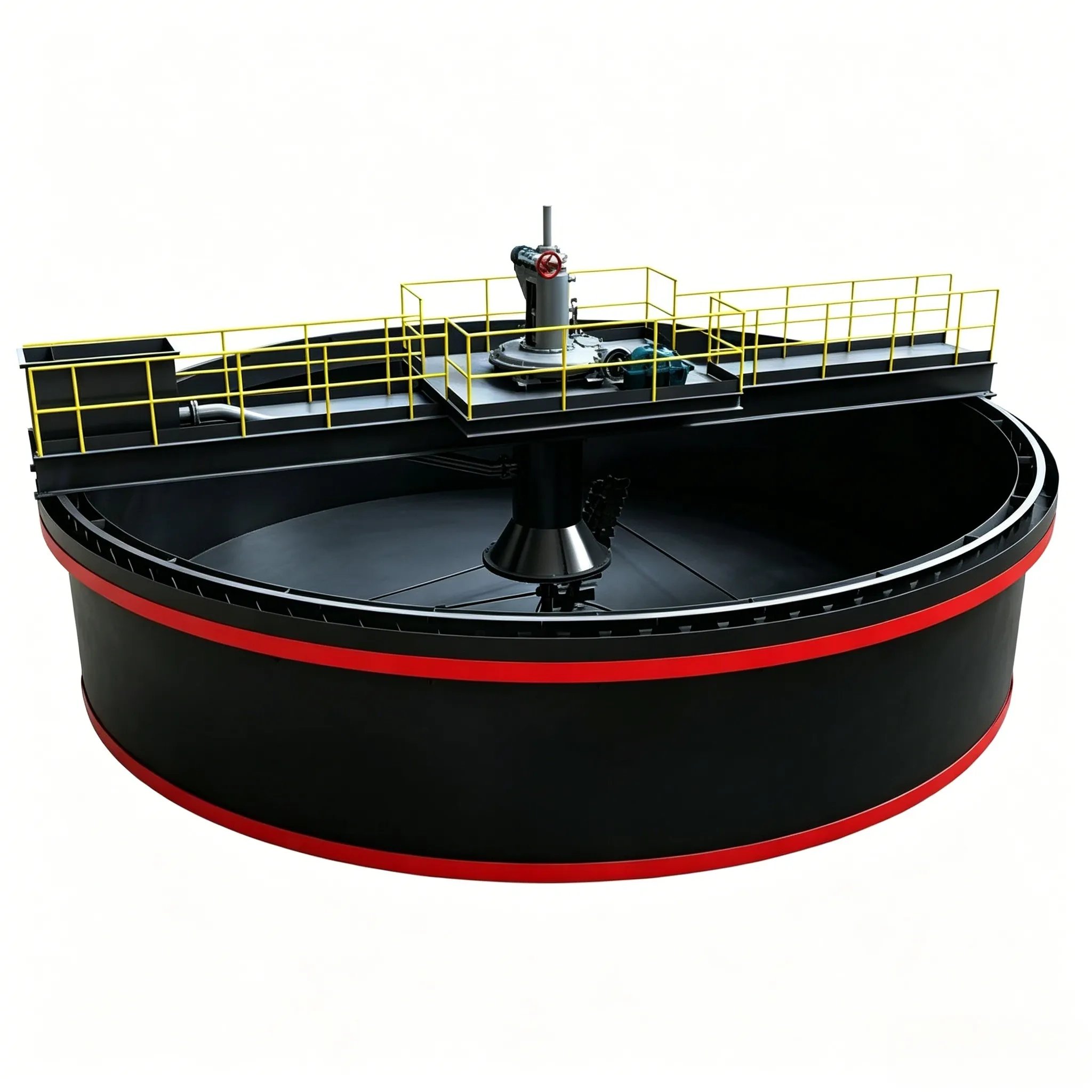
Espesador de alto rendimiento
Espesador de alto rendimiento El espesador de alto rendimiento es un nuevo tipo de equipo de espesamiento...

Start and Stop
The following provisions shall be complied with:
(1) Pre-start inspection:
(2) Starting: Only after the inspection is confirmed to be correct and communication has been made with the upstream and downstream processes may the equipment be started. The sequence is as follows:
(3) Stopping: Upon receiving the stop notice, follow the stopping sequence below:
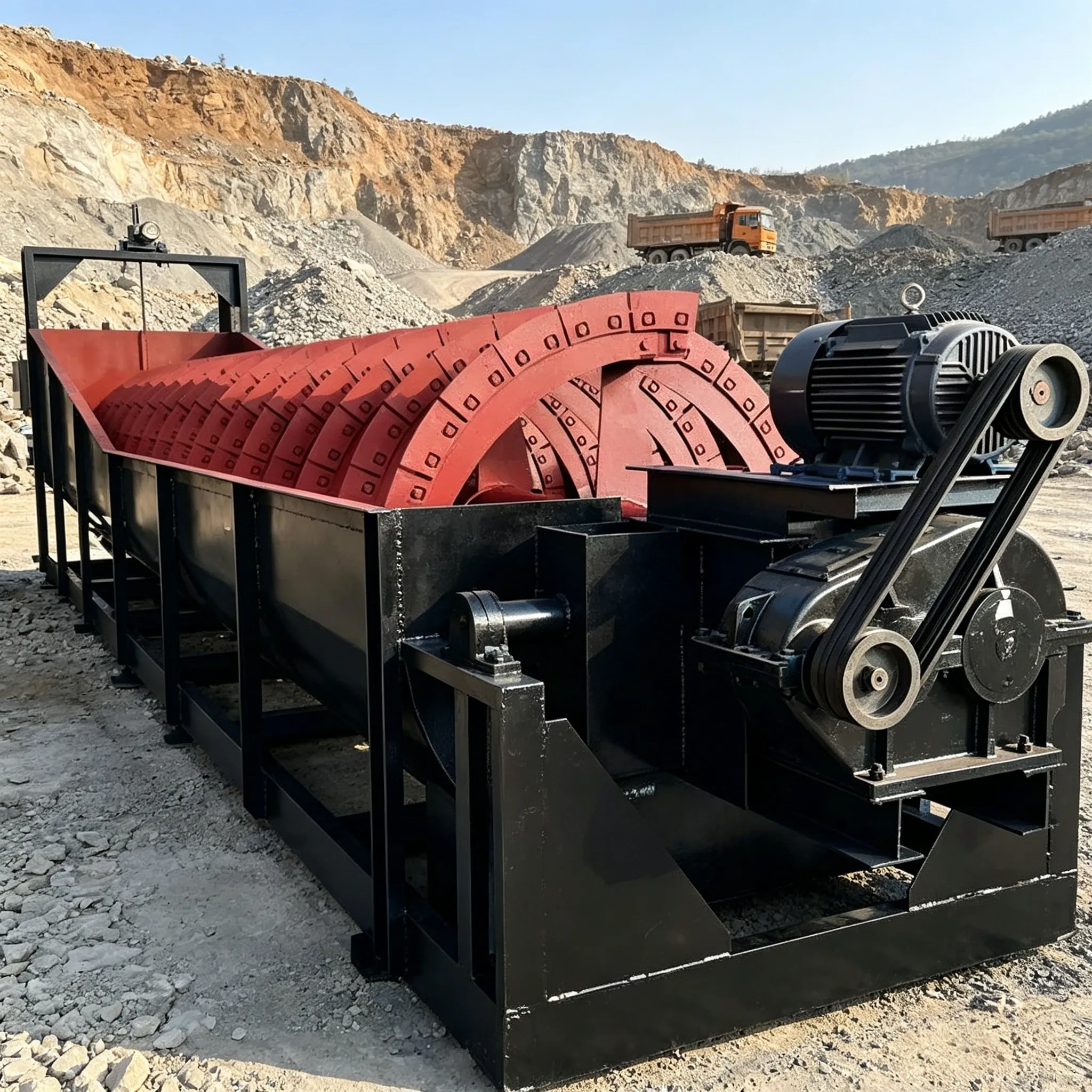
In case of an unannounced power outage or a fault, press the stop button immediately, stop the water supply, and after normal power is restored, clean out the ore sand and raise the spiral.
Operation
During operation, the following parts shall be inspected frequently, and the results shall be recorded in detail in the equipment operation log.
(1) Check that the temperature of each bearing does not exceed 70 °C.
(2) Check that each lubrication point is clean and that the oil supply condition is normal.
(3) Check whether any bolts on various components are loose.
(4) Check for any abnormal vibration or noise in various parts.
(5) Check whether the readings of the voltmeter, ammeter, and other instruments show any abnormal changes and whether they are within the normal range.
(6) Constantly observe the sand return amount and adjust it in time to prevent blockage of the sand return port.
(7) The motor temperature rise shall not exceed 60 °C; check for any abnormal vibration, noise, or odor.
Faults and Troubleshooting Methods During Operation
Faults and troubleshooting methods during operation of the spiral classifier are shown in Table 11-5.
Table 11-5 Faults and troubleshooting methods during operation
| Fault Phenomenon | Cause of Fault | Método de eliminación |
|---|---|---|
| Excessive load, abnormal vibration and noise | 1. Excessive sand return; 2. Loose blades; 3. Hard foreign objects falling into the tank, etc.; 4. Poor lubrication or damage to bearings; 5. Loose or misaligned frame; 6. Bending or fracture of the spiral main shaft | 1. Adjust ore feed and water supply; 2. Tighten or replace; 3. Stop and clean; 4. Improve lubrication or replace; 5. Tighten or adjust; 6. Repair or replace |
| Excessive gear noise | 1. Large gear backlash or severe wear; 2. Severe gear wear or poor manufacturing quality; 3. Loose gear key | 1. Adjust or replace; 2. Replace; 3. Tighten or replace |
| High bearing temperature, gearbox overheating | 1. Lack of oil or poor oil quality; 2. Incorrect bearing clearance or damaged bearing; 3. Improper bearing installation; 4. Belt too tight; 5. Gear backlash too small or too large | 1. Add oil or change oil; 2. Adjust or replace; 3. Reassemble; 4. Adjust; 5. Trim or replace |