Background: Ecuador currently has no domestic compliant gold refinery, and all gold doré produced in the country is exported directly overseas for refining; after the central bank purchases gold produced by artisanal and small-scale miners, it also entrusts overseas LBMA-certified refiners to complete refining before incorporating it into the national foreign exchange reserves.
This is a BNamericas Q&A interview with Ecuador’s mining authority Burgos, focusing on the domestic gold refinery + mineral processing plant project:
- Current stage of the project: feasibility study stage, construction not yet approved
The Ecuadorian government, together with the private sector and three international institutions that do not wish to be named, is conducting preliminary studies for the refinery and processing plant and seeking external funding for the studies. The studies will determine the optimal site, daily processing capacity and reasonable construction scale of the plant.
- Project objectives and positioning
The plant must meet international standards and environmental protection norms;
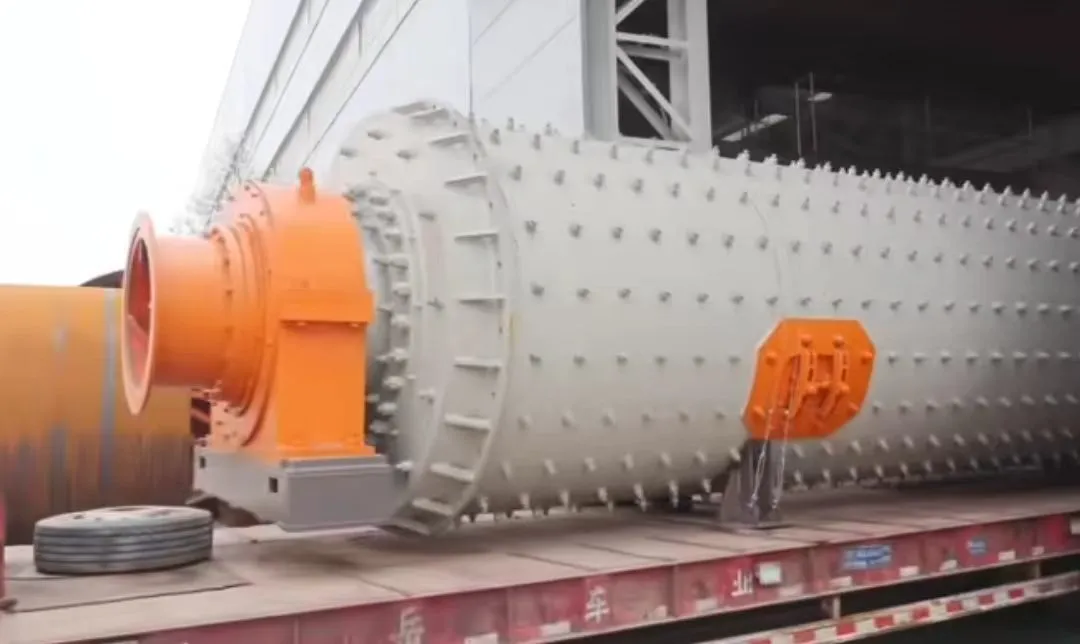
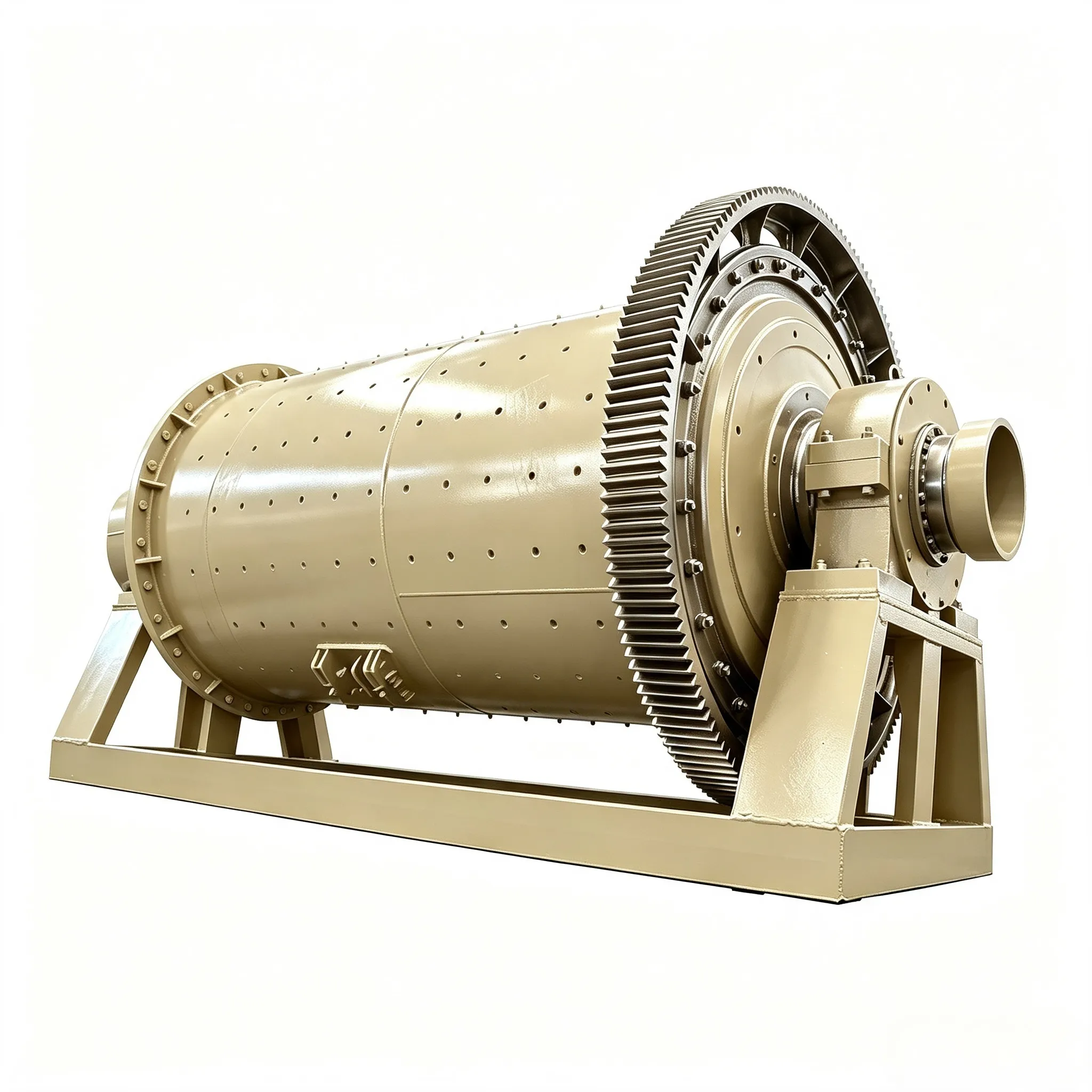
The goal is to enable mining companies contracted in Ecuador to complete gold processing directly in newly built domestic processing and refining facilities, rather than exporting all doré abroad;
The government’s top-level vision: to build Ecuador into a mining country with a complete industrial chain. In the first half of 2026, mineral exports were already the country’s second-largest export category, and the government believes that the path of mining expansion is consistent with the country’s development direction.
- Supporting institutional safeguards
In 2026, the country introduced regulatory rules for public-private partnership cooperation, establishing a clear cooperation framework for public and private investors, facilitating commercial negotiations between the two sides as joint venture partners and attracting capital investment in the refining project.
- Actual industrial base
Ecuador’s gold sources are divided into large foreign-funded mines (such as Lundin Gold) and artisanal and small-scale mining; the central bank has long purchased gold from artisanal mines, on the one hand supporting the formalization of small mines and on the other hand replenishing the country’s international reserves, but the refining stage relies entirely on overseas service providers.
Analysis of the motivations for building a domestic gold refinery
- Economic level: extending the value chain and retaining processing value-added benefits
Current model: Ecuador exports doré (gold ingots containing silver and other impurities), and the processing profits from refining remain in the overseas refining countries. Building a domestic refinery can retain refining processing benefits within the country, and can also produce LBMA-standard good delivery gold ingots, which can be used directly for central bank reserves, the domestic jewelry industry, and direct sales of standard gold bars, reducing external dependence.
- Industrial and regulatory level: improving gold supply chain traceability and tackling illegal mining
Ecuador has long faced problems of small-scale artisanal mining and illegal mining, and mercury pollution and gold source traceability are regulatory difficulties. A domestic refinery can serve as a control node: all domestically produced gold is processed within the country, facilitating the registration of mineral sources and combating illegal gold circulation, in line with the country’s policy of formalizing artisanal mining.
- National strategic level: building a complete mining industry chain
At present, Ecuador’s mining industry is concentrated only in exploration and extraction, with downstream smelting and refining stages absent. The government hopes to transform from a mere “exporter of mineral raw materials” into a mining country with a complete chain of extraction-processing-refining, enhancing the value contribution of mining to the country’s GDP. Main risks and challenges facing the project
- High capital investment threshold and great profit uncertainty
The construction cost of a gold refinery that meets LBMA international certification is high; Ecuador’s annual gold output is limited, and a sufficiently stable raw material supply is needed to ensure the plant’s operating rate. If domestic gold production is insufficient to fill capacity, the refinery will face risks of underutilization and losses.
- Difficulty in implementing public-private partnerships
Although new partnership rules have been introduced, mining projects in Latin America generally face risks related to social communication, environmental impact assessment approval and community conflict; foreign private capital will be concerned about policy change risks and will remain cautious in investment decisions.
- Environmental compliance pressure
Gold refining produces heavy metals and chemical waste liquids, and the country’s environmental regulation and waste treatment capacity will be tested; historically, small gold mines have already caused heavy metal pollution in river basins, and if environmental controls at the refinery are inadequate, social conflicts will be intensified.
- Certification barriers
To produce standard gold ingots circulating in the global market, the refinery needs to obtain LBMA (London Bullion Market Association) certification, which has strict requirements for traceability, processes, compliance and internal controls; after construction is completed, long-term investment is still needed to maintain the qualification.
Industry implications
- A trend of “local processing of resources” is generally emerging in Latin American resource countries: no longer exporting only raw ore, they hope to retain smelting and refining within the country and strive for more industrial returns; Ecuador is the latest case.
- The project is currently only at the preliminary research stage, with no investment amount, construction timetable or site announced; there is still a long cycle before implementation, and there is a possibility that it will be abandoned after the study.
- If the project is implemented, it will change Ecuador’s gold trade pattern: doré exports will decline and exports of standard refined gold ingots will rise; at the same time, it will set a demonstration effect for neighboring Latin American gold-producing countries.
Ecuador’s construction of a domestic gold refinery is a strategic attempt at mining upgrading, with the goal of retaining the value of the gold industry chain within the country while strengthening control over illegal gold. However, the project is subject to multiple constraints including funding, raw material supply, environmental protection and international qualifications, and will not be implemented in the short term; the conclusions of the feasibility study will be key to determining the direction of the project.



 English
 Spanish
 Russian
 Arabic
 Swahili
 French
 Turkish
 Portuguese
 Korean
 Japanese
 German
 Italian