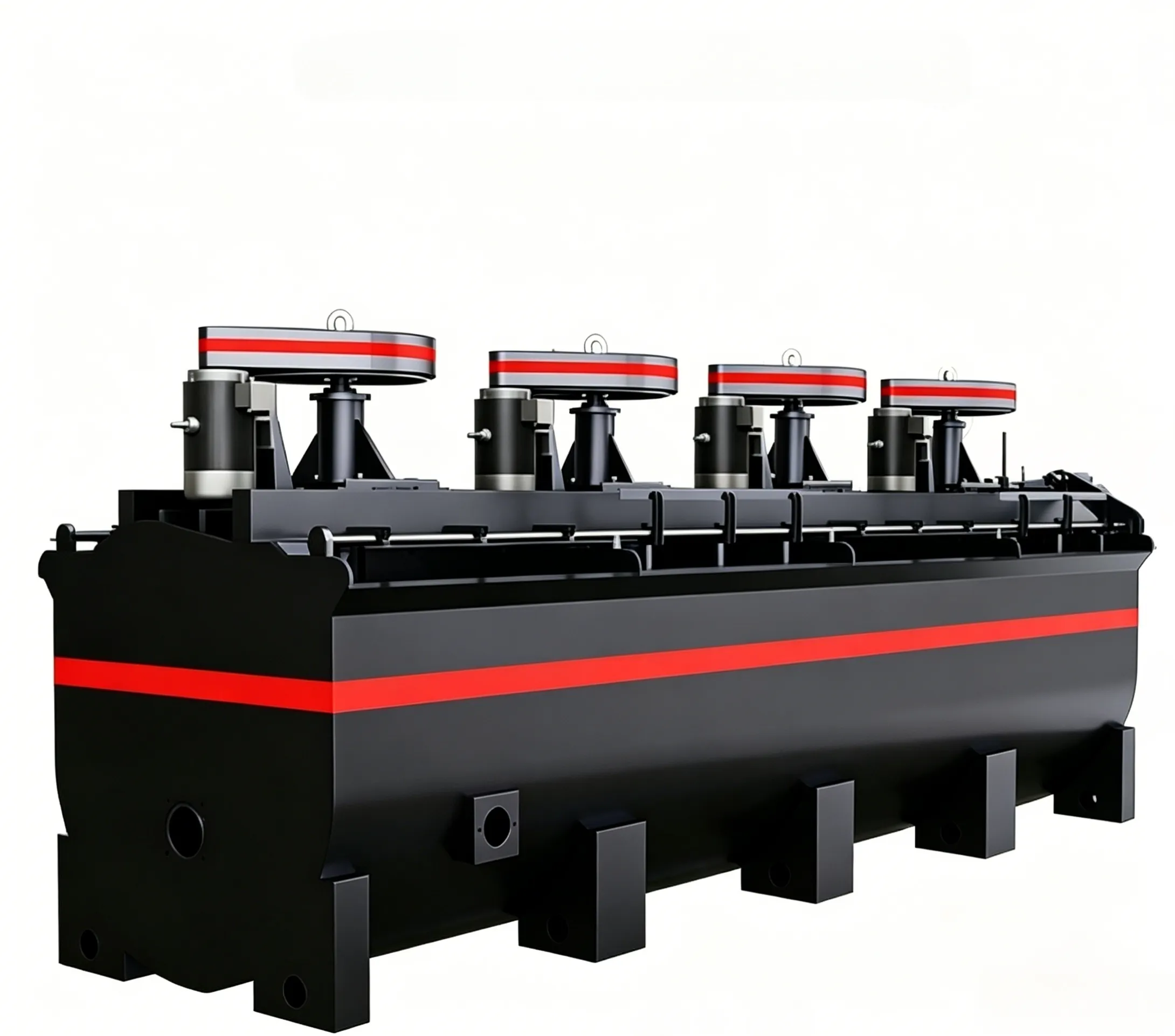
Machine de flottation GF
Machine de flottation GF Cette machine de flottation est conçue pour les particules grossières et…

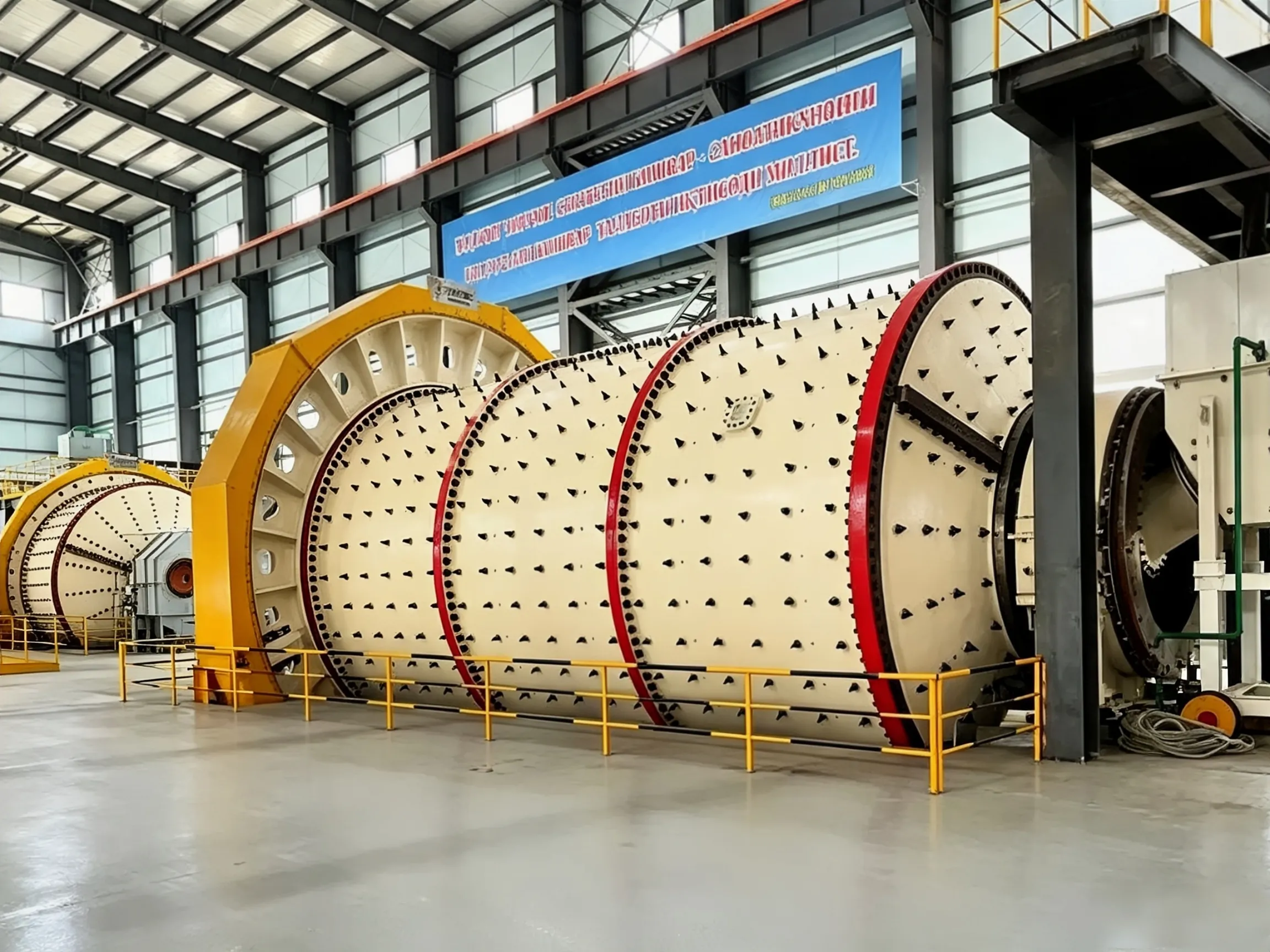
Ilmenite (FeTiO₃) is the primary raw material for producing titanium metal and titanium dioxide pigment. It accounts for about 92% of the world’s titanium resources. China ranks first in global ilmenite reserves, but most of its deposits are refractory primary rock ores, mainly distributed in the Panxi region of Sichuan, Chengde in Hebei, Hami and Kashgar in Xinjiang, Hanzhong in Shaanxi, and Chaoyang in Liaoning. How to efficiently and economically separate ilmenite from raw ore is the core challenge in the beneficiation industry.
This article provides a comprehensive analysis of the ilmenite beneficiation production line process, covering the main beneficiation methods, typical combined flowsheets, equipment configurations, and the latest technological advances, offering systematic reference for industry practitioners and investors.
Ilmenite is a weakly magnetic mineral with a density of 4.5–5.0 g/cm³, while common gangue minerals (such as quartz and feldspar) generally have densities of 2.6–3.0 g/cm³. This density difference provides the basis for gravity separation, while the magnetic difference enables magnetic separation.
However, ilmenite beneficiation faces numerous challenges: the ore grade is generally low, the useful minerals are finely disseminated, and the association with gangue minerals is complex. In particular, the ultrafine fraction (–0.038 mm) is difficult to separate, incurs high processing costs, and yields low recovery rates, making it a long‑standing technical focus in the industry.
Gravity separation exploits the density difference between ilmenite and gangue minerals. It features low production cost, simple operation, and minimal environmental impact. It is especially suitable for coarse‑grained and fine‑grained aggregate dissemination.
Core Equipment:
Limites of gravity separation include high water consumption and poor performance for ultrafine particles. Through gravity separation, a rough concentrate with 30%–35% TiO₂ grade and 75%–85% recovery can typically be obtained.
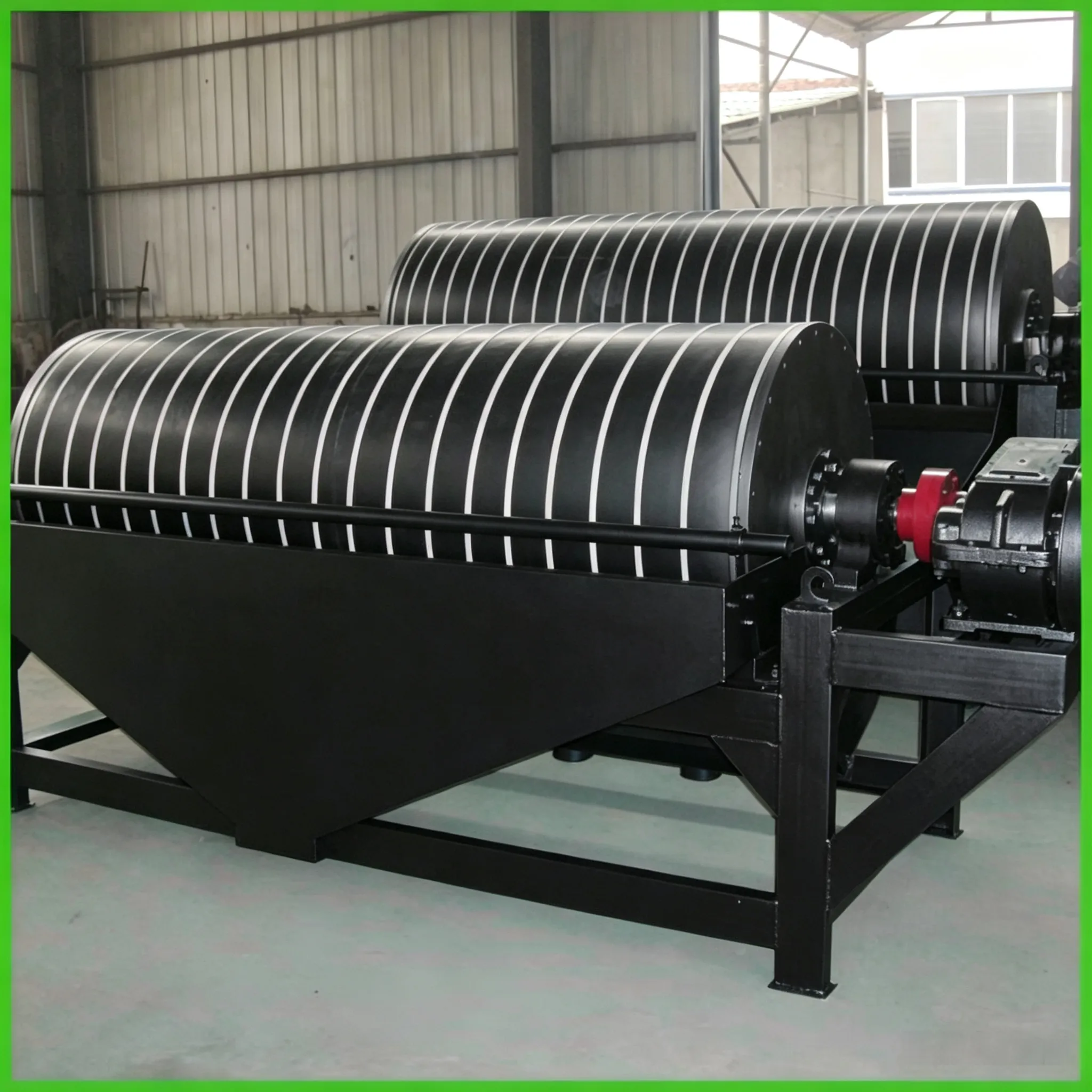
Magnetic separation utilises the magnetic susceptibility difference between ilmenite and other minerals. Ilmenite is weakly magnetic and can be attracted by high‑intensity magnetic separators.
Magnetic separation effectively removes gangue with similar density, but it also struggles with ultrafine particles (e.g., –0.038 mm). In practice, high‑intensity magnetic separation is often used for pre‑concentration and waste rejection, with field strengths generally required above 0.5 T.
Flotation exploits differences in the surface physicochemical properties of minerals. It is highly selective and efficient. For recovering très bien et ultrafine ilmenite, flotation is an indispensable key technology.
Ilmenite flotation has long been hampered by high pulp density and the high specific gravity of the mineral. Traditional flotation cells are mainly 16–24 m³ in size, and scaling up faces multiple technical bottlenecks. In recent years, through optimised tank design and innovative impeller technology, China has successfully developed 50 m³ ultra‑large flotation cells specifically for ilmenite. In 2025, the first domestic 50 m³ ilmenite flotation production line was successfully commissioned in Liangshan. Twenty‑nine such cells process 7,500 tonnes of ore per day, reducing flotation tailings grade by 1.07 percentage points and increasing recovery by 3.80 percentage points.
The challenge of flotation lies in the fact that gangue minerals such as titanaugite severely affect ilmenite recovery. Conventional flotation and flocculation flotation cannot effectively separate ultrafine titanaugite.
Electrostatic separation utilises differences in electrical conductivity among minerals. Its advantage is high cleaning efficiency, especially for removing difficult‑to‑separate titanaugite. Its drawbacks are the need for dry feed and relatively low throughput. Electrostatic separation is typically used in the cleaning stage of gravity rough concentrates to obtain high‑grade ilmenite concentrate.
Since a single beneficiation method cannot simultaneously achieve both high grade and high recovery, modern ilmenite beneficiation plants generally adopt combined processes integrating multiple methods. Several typical flowsheets are described below:
This is the classic flowsheet for processing coarse‑grained ilmenite. After crushing and grinding, the ore is first subjected to roughing and gangue rejection using gravity equipment such as spiral chutes and shaking tables, discarding about 80% of the gangue. The resulting rough concentrate is dried and then fed to electrostatic separators for cleaning to produce a high‑grade ilmenite concentrate. For sulphur‑bearing ores, flotation is required to remove sulphide minerals before electrostatic separation.
This is currently one of the most widely applied flowsheets, particularly suitable for processing low‑grade complex ores or iron‑tailings.
For example, at an ilmenite ore in Xinjiang with feed grades of 11.35% TFe and 3.81% TiO₂, the ore is crushed to –3 mm by a high‑pressure grinding roll and then pre‑concentrated by dry magnetic separation. For a high‑augite ilmenite ore (5.83% TiO₂), practices show that pre‑concentration via low‑intensity magnetic separation (0.1 T) for iron removal and high‑intensity magnetic separation (1.2 T) for gangue rejection, followed by flotation of the magnetic rougher concentrate, can effectively suppress the influence of augite.
For recovering ilmenite from titanium‑processing tailings, the high‑intensity magnetic – flotation combined process also performs excellently. A tailings sample from Panxi, using the process “high‑intensity magnetic separation for gangue rejection – staged grinding and iron removal – high‑intensity magnetic cleaning – flotation cleaning”, achieved a concentrate yield of 4.13% with 47.15% TiO₂ grade and 30.71% recovery.
This is a common flowsheet that can comprehensively treat different size fractions. Coarse fractions are processed by gravity roughing and magnetic cleaning, while fine fractions are directly sent to flotation.
In Sichuan, a vanadium‑titanium magnetite plant treats its iron tailings using the complex flowsheet: “cone concentrator gravity separation – high‑gradient magnetic separation – grinding – low‑intensity magnetic separation – high‑gradient magnetic separation – desulphurisation flotation – titanium flotation”. A weathered ilmenite ore from Yunnan (6.33% TiO₂) also requires a multi‑stage combined process due to the complex dissemination and uneven grain size between valuable minerals and gangue.
For ores with uneven dissemination size, an alternating “grinding – separation” approach is adopted to avoid over‑grinding and to discard qualified tailings or obtain part of the concentrate early. A complex ilmenite ore abroad, using a magnetic‑flotation combined process with stage grinding and stage separation, processed a feed grading 51.47% Fe and 13.53% TiO₂ to obtain an iron concentrate with 65.12% Fe at 78.60% recovery and a titanium concentrate with 45.12% TiO₂ at 45.03% recovery.
A complete ilmenite beneficiation production line typically comprises the following stages:
Feed and Crushing Stage: Vibrating feeders provide uniform feed; jaw crushers perform primary crushing; cone crushers carry out secondary and tertiary crushing to reduce the ore to the appropriate size.
Grinding and Classification Stage: Ball mills (or high‑pressure grinding rolls) perform fine grinding; spiral classifiers or hydrocyclones control the grinding fineness to ensure adequate mineral liberation.
Separation and Concentration Stage: This is the core of the production line. Depending on the flowsheet, equipment includes spiral chutes, shaking tables, jigs (gravity), high‑intensity magnetic separators (magnetic), flotation cells (flotation), and electrostatic separators (electrostatic).
Dewatering and Drying Stage: Thickeners and filters dewater the concentrate, and dryers reduce the moisture to meet product specifications.
In practice, the choice of process flowsheet depends primarily on the following factors:
Propriétés des minerais are the decisive factor, including deposit type (rock or placer), dissemination size of valuable minerals, and the type and content of gangue minerals.
Beneficiation targets directly affect the process route – the higher the required TiO₂ grade and recovery of the final concentrate, the more complex the flowsheet generally becomes.
Economic costs are a practical consideration, including equipment investment, energy consumption, reagent costs, and tailings disposal, among others.
The separation of ultrafine ilmenite is the industry’s most pressing technical challenge. The Institute of Multipurpose Utilization of Mineral Resources, Chinese Academy of Geological Sciences, has developed a “full‑process high‑efficiency recovery technology for ultrafine ilmenite”. By integrating fine classification for particle size control, staged high‑intensity magnetic pre‑concentration, high‑turbulence mineralisation – low‑turbulence flotation recovery, and novel green collectors, this technology has successfully solved the flotation separation problem of ultrafine ilmenite. It has been included in the Catalogue of Advanced Applicable Technologies for Mineral Resource Conservation and Comprehensive Utilisation (2025 Edition) issued by the Ministry of Natural Resources.
Traditional ilmenite flotation has long relied on arsenic‑bearing reagents, causing environmental pollution. China Minmetals’ Changsha Mining Research Institute has successfully developed a “magnetic – flotation – magnetic – gravity” new process, achieving the application of “weak‑acid arsenic‑free flotation for residual‑slope eluvial titanium sands”, effectively eliminating the environmental hazard of arsenic‑based reagents.
Ilmenite flotation equipment is moving toward large‑scale, high‑efficiency, and intelligent design. The successful deployment of 50 m³ flotation cells, together with integrated intelligent control of reagent addition, pulp level, and aeration, marks a transition from “experience‑based manual control” to “data‑driven intelligent control” in ilmenite beneficiation.
For low‑grade, refractory vanadium‑titanium magnetite ores, the industry has developed a full‑process route: “multi‑scale dry magnetic pre‑concentration – stage grinding – stage low‑intensity magnetic separation for iron – selective ultra‑fine grinding for iron upgrading – classified gravity pre‑concentration for titanium – dry magnetic separation for titanium”. This approach effectively improves iron and titanium recoveries while reducing processing costs and environmental impact.
Ilmenite beneficiation is a systematic engineering endeavour, where the process flowsheet represents a scientific combination of multiple beneficiation methods. The core objective is to achieve mineral liberation through crushing and grinding, and then, based on differences in density, magnetic susceptibility, surface physicochemical properties, and electrical conductivity between ilmenite and gangue, flexibly apply gravity, magnetic, flotation, and electrostatic methods for separation and concentration.
With continuous breakthroughs in ultrafine particle recovery, green flotation processes, equipment up‑scaling, and intelligent control, ilmenite beneficiation technology is steadily evolving toward efficient, clean, and smart operations. For investors and practitioners, a deep understanding of ore properties, rational selection of combined flowsheets, and close attention to technological trends are the keys to achieving efficient and sustainable utilisation of titanium resources.
 English English
 Spanish
 Russian
 Arabic
 Swahili
 French
 Turkish
 Portuguese
 Korean
 Japanese
 German
 Italian